Peptides for Fine Lines Reduction FAQ: Your Questions Answered


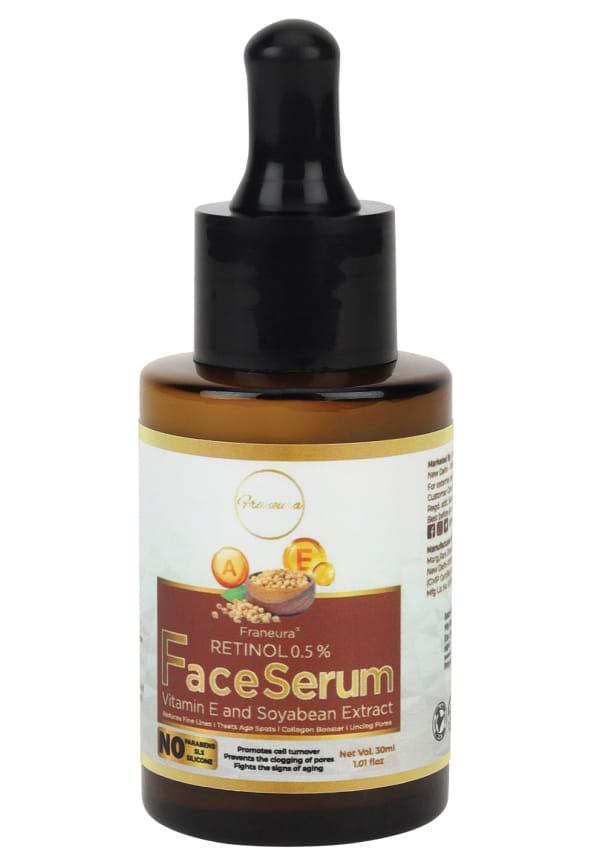
Retinol Anti-Aging Face Serum to Reduce Fine Lines & Wrinkles
You've noticed those fine lines starting to appear around your eyes and mouth, and you've been hearing about peptides for fine lines reduction everywhere. But what exactly are peptides, and do they really work? If you're curious about adding peptide skincare to your routine but feel overwhelmed by all the science-speak, you're not alone. Let's break down everything you need to know about these powerful anti-aging peptides in simple terms.
Peptides are essentially tiny fragments of proteins that act as messengers in your skin. Think of them as little coaches that tell your skin cells what to do. When it comes to peptides for fine lines reduction, they work by signalling your skin to produce more collagen and elastin - the proteins that keep your skin plump, firm, and smooth. As we age, our natural collagen production slows down significantly. By our thirties, we're already producing about 1% less collagen each year. This is where topical peptides come in handy. When you apply them to your skin, they penetrate the upper layers and send signals to the deeper layers, essentially tricking your skin into thinking it needs to repair itself. The science behind peptide penetration is fascinating. Unlike larger molecules that sit on the skin's surface, peptides are small enough to slip through the skin barrier. Once they're in, they get to work stimulating fibroblasts - the cells responsible for producing collagen and elastin. What sets peptides apart from other anti-aging ingredients is their gentle approach. While retinoids can be harsh and cause irritation, peptides work more subtly. They don't force dramatic changes overnight but instead encourage your skin's natural repair processes. Most people start noticing improvements in skin texture and firmness within 4-6 weeks of consistent use. Fine lines may take 8-12 weeks to show visible reduction, but the wait is worth it for the natural-looking results.
Not all peptides are created equal when it comes to tackling fine lines. Understanding the different types can help you choose the right peptide complex for your specific concerns.
Often called Matrixyl, this is one of the most researched peptides in skincare. Signal peptides work by sending messages to your skin cells to increase collagen production. Clinical studies have shown that regular use of Palmitoyl Pentapeptide-4 can improve skin firmness by up to 20% over 12 weeks. It's particularly effective for those early fine lines around the eyes and mouth.
Commonly known as Argireline, this peptide works differently from signal peptides. It targets the nerve signals that cause muscle contractions, helping to relax facial muscles and reduce expression lines. Think of it as a gentler alternative to Botox. It's especially effective for forehead lines and crow's feet.
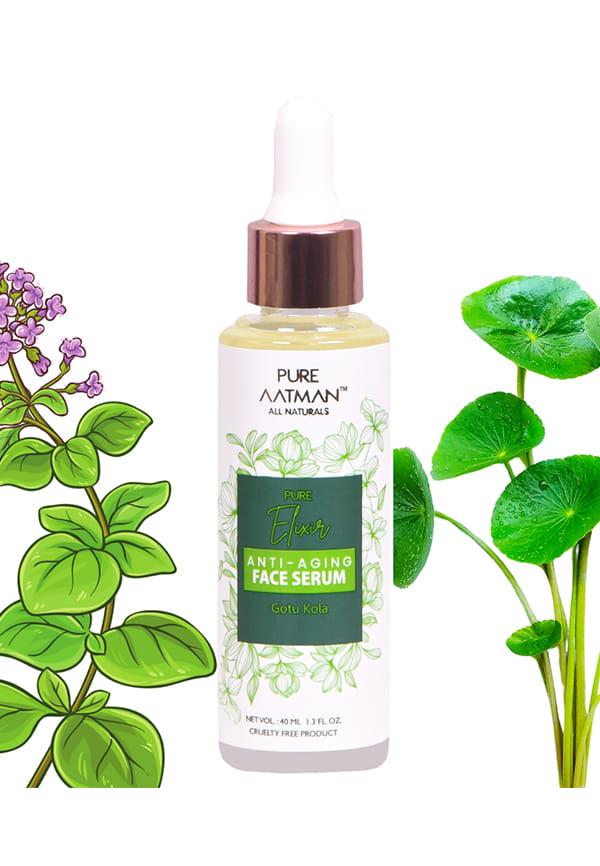
Gotu Kola Anti-Aging face serum for glowing skin |Wrinkles & Fine Lines
Copper peptides, particularly GHK-Cu, are brilliant for overall skin repair. They don't just target fine lines but also help with skin firmness, elasticity, and even pigmentation. These skin firming peptides are particularly good for the delicate eye area where multiple concerns often overlap.
These work by blocking enzymes that break down collagen and elastin. They're like bodyguards for your existing collagen, protecting it from damage while other peptides work on producing new collagen.
Real talk - peptides aren't magic erasers for deep wrinkles, but they're incredibly effective for fine lines and prevention. Multiple clinical studies have shown promising results for peptides for wrinkles. A 2019 study published in the International Journal of Cosmetic Science found that participants using a peptide serum showed a 15% reduction in fine line depth after 8 weeks. Another study on Matrixyl showed improvements in skin smoothness and firmness within 4 weeks of use. The key is managing expectations. Peptides excel at preventing new lines from forming and softening existing fine lines. They're particularly effective for those early signs of ageing - the lines that appear when you smile but fade when your face relaxes. For deeper wrinkles, peptides work best as part of a comprehensive routine that might include retinoids, vitamin C, and professional treatments. They're the steady, reliable friend in your skincare routine rather than the dramatic game-changer. Factors that influence peptide effectiveness include your age, skin type, the concentration of peptides in your products, and how consistently you use them. Younger skin typically responds faster, but even mature skin can benefit significantly from regular peptide use.
The format you choose can significantly impact how well peptides work for your skin. Both peptide serums and peptide creams have their place in skincare routines.
Serums typically contain higher concentrations of active peptides and have a lighter texture that penetrates skin more easily. They're ideal if you want maximum potency and have normal to oily skin. Apply serums to clean skin before moisturiser for best absorption. The downside? Serums can sometimes feel drying on their own, so you'll need to follow with a good moisturiser. They're also typically more expensive per millilitre than creams.
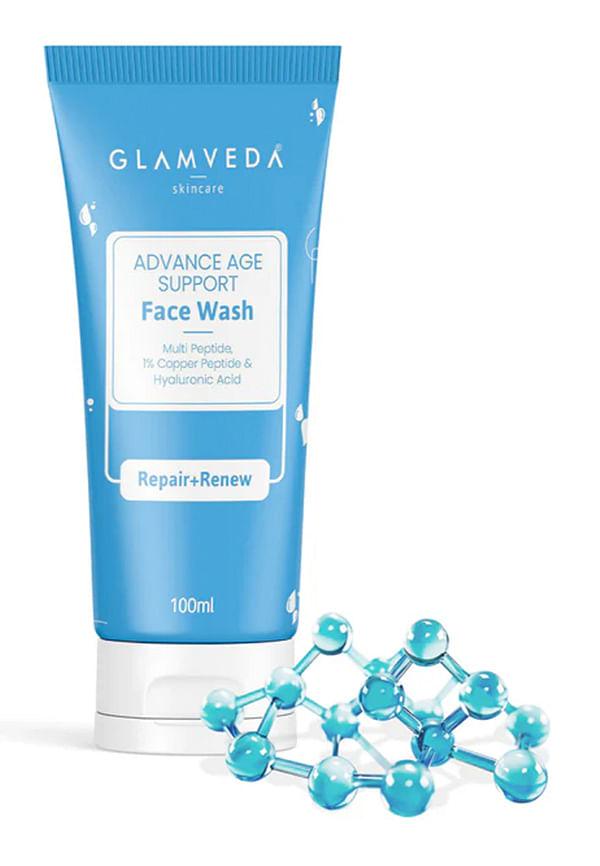
Copper Peptide & Hyaluronic Acid Advance Age Support face Wash
Creams offer the convenience of combining peptides with moisturising ingredients. They're perfect for dry skin types or anyone who prefers a simplified routine. Many peptide creams also include supporting ingredients like hyaluronic acid and ceramides that enhance the benefits of peptides. Creams are generally more cost-effective and less likely to cause irritation. However, the peptide concentration might be lower than in dedicated serums.
Integrating peptide skincare into your routine is straightforward, but timing and layering matter for maximum effectiveness. Start with clean skin - peptides need direct contact with your skin to work properly. Apply your peptide product after cleansing but before heavier creams or oils. If you're using multiple serums, apply peptides before vitamin C in the morning or after retinoids in the evening. Peptides play well with most ingredients, but there are a few combinations to approach carefully. High-pH products can potentially deactivate some peptides, so avoid using them immediately after strong alkaline cleansers. Give your skin a few minutes between applications if you're layering multiple active ingredients. Consistency is crucial with peptides. Unlike some actives that you might use occasionally, peptides work best with daily use. Most people see optimal results using peptides twice daily - morning and evening. One common mistake is expecting immediate results. Peptides are marathon runners, not sprinters. Give them at least 6-8 weeks of consistent use before evaluating their effectiveness.
Most people notice improved skin texture and hydration within 2-4 weeks of consistent use. Fine line reduction typically becomes visible after 6-8 weeks, with continued improvement over 3-6 months. Your skin's response time depends on factors like age, skin condition, and the specific peptides you're using.
Yes, peptides generally work well with both retinol and vitamin C. In fact, this combination can be quite powerful for anti-ageing. Use vitamin C in the morning and retinol at night, with peptides fitting into either routine. Just introduce new ingredients gradually to avoid irritation.
Peptides are among the gentlest anti-ageing ingredients available. Side effects are rare but can include mild irritation or breakouts, especially when first starting. If you have sensitive skin, patch test new peptide products and introduce them slowly into your routine.
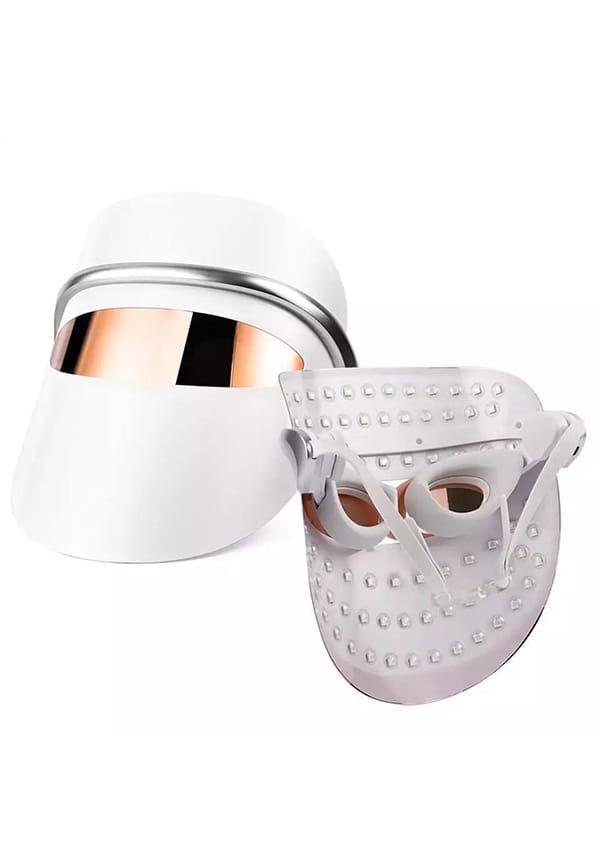
Advanced LED Light Therapy Face Mask DIY Reduces Wrinkles, Anti Aging
Topical peptides work directly on your skin's surface and penetrate to stimulate collagen production where you need it most. Collagen supplements are broken down in your digestive system, and there's limited evidence they directly benefit facial skin. For targeting fine lines specifically, topical peptides are more effective.
Peptides and Botox work differently. Botox temporarily paralyses muscles to prevent expression lines, while peptides encourage your skin to produce more collagen for natural plumping. Peptides are gentler, more affordable, and can be used daily, but results are more gradual and subtle compared to Botox injections.
Absolutely! The eye area is actually one of the best places to use peptides. The skin around your eyes is thinner and often shows the first signs of ageing. Peptides are gentle enough for this delicate area and can help with crow's feet, under-eye fine lines, and even puffiness.
Not necessarily. While some premium products may have higher peptide concentrations or better delivery systems, many affordable options contain effective peptides. Focus on the ingredient list rather than the price tag. Look for products that list peptides in the first few ingredients for better concentration.
Peptides offer a gentle yet effective approach to tackling fine lines and preventing future signs of ageing. They work by encouraging your skin's natural collagen production, making them suitable for all skin types and ages. While they won't erase deep wrinkles overnight, consistent use can lead to noticeably smoother, firmer skin over time. The beauty of peptides lies in their versatility and gentleness. Whether you choose a serum for maximum potency or a cream for convenience, you're investing in your skin's long-term health. Remember, the best peptide product is the one you'll actually use consistently. If you're curious about trying peptides but not sure which formulation suits your skin, Smytten's curated selection includes peptide products from trusted brands. You can explore minis from various brands to find what works best for your skin before committing to full-size products. With over 28 million users discovering their perfect skincare matches, it's a smart way to test before you invest in your anti-ageing routine.
