PCOS and Skin Problems FAQ: Common Questions Answered
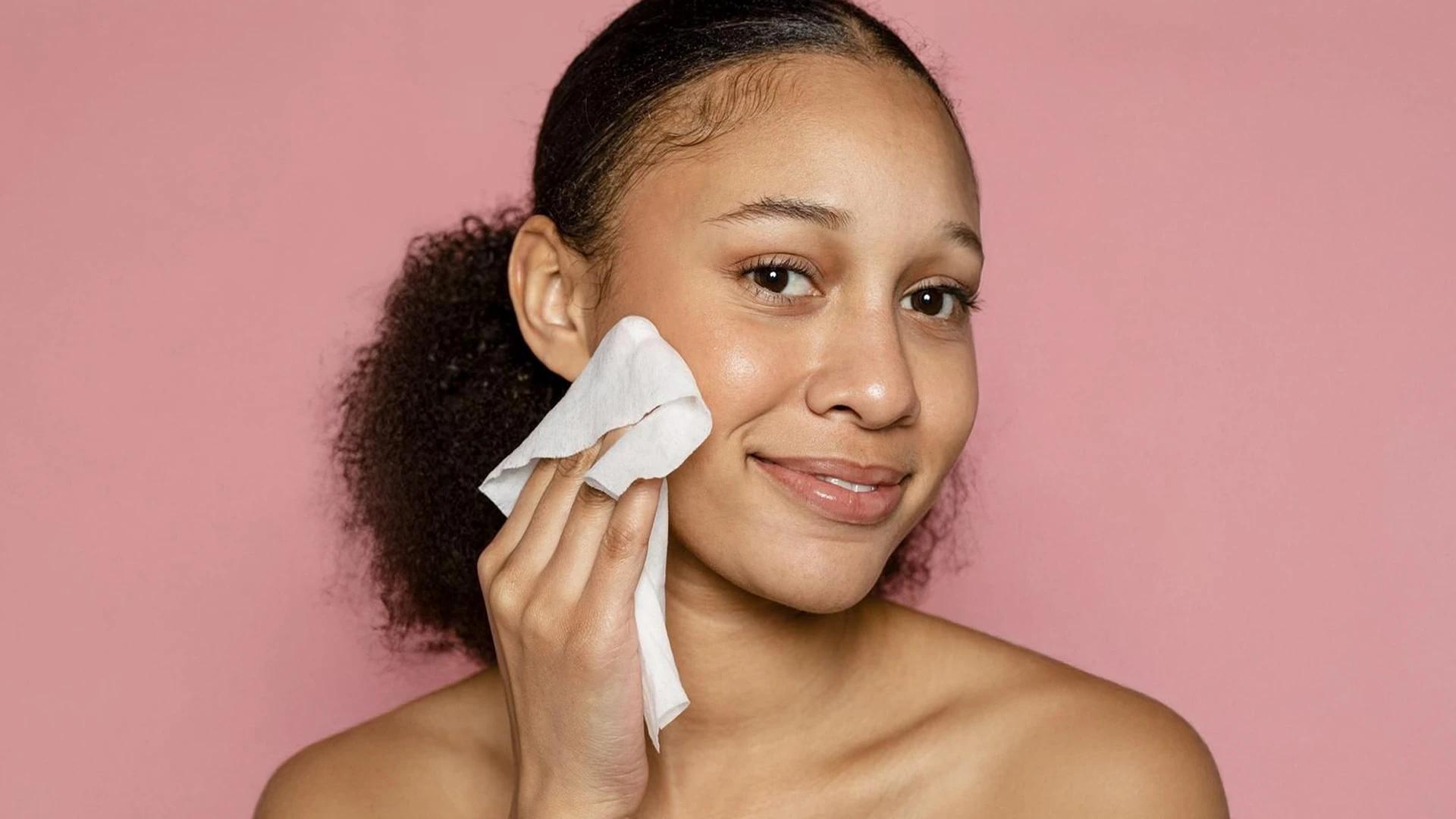

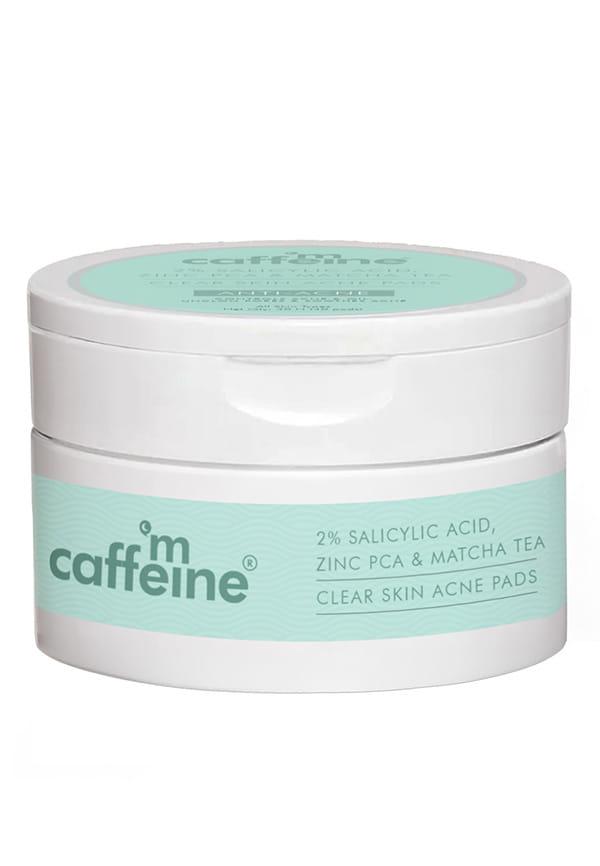
2% Salicylic Acid Zinc Pca & Matcha Tea Clear Skin Acne Pads
If you've been dealing with stubborn breakouts along your jawline, unexpected dark patches on your neck, or facial hair that seems to appear overnight, you're not alone. PCOS affects 1 in 10 women of reproductive age, and for many, the skin manifestations can be just as challenging as the hormonal symptoms themselves. The connection between PCOS and skin problems runs deeper than surface-level concerns - it's a complex interplay of androgens, insulin resistance, and inflammation that requires a thoughtful, inside-out approach. Whether you're newly diagnosed or have been managing PCOS for years, understanding how your hormones affect your skin is the first step towards clearer, healthier skin. This comprehensive guide answers the most common questions about PCOS skin issues, from the science behind hormonal acne to practical treatment strategies that actually work.
PCOS doesn't just affect your reproductive system - it shows up on your skin in distinct ways that can feel overwhelming if you don't understand what's happening. The elevated androgen levels characteristic of PCOS trigger a cascade of skin changes that go far beyond typical breakouts.
Hormonal acne in PCOS has a signature pattern that sets it apart from teenage breakouts. You'll typically see deep, painful cysts concentrated along the jawline, chin, and neck - areas rich in androgen receptors. These breakouts often worsen around your menstrual cycle and can persist well into your twenties and thirties. The culprit? Elevated androgens like testosterone stimulate your sebaceous glands to produce excess oil, whilst also thickening the skin around hair follicles, creating the perfect storm for clogged pores.
PCOS oily skin extends beyond just breakouts. Many women notice their skin feels perpetually greasy, particularly in the T-zone, due to overactive sebaceous glands responding to high androgen levels. Acanthosis nigricans presents as dark, velvety patches typically found on the neck, armpits, and groin - this isn't poor hygiene but rather a sign of insulin resistance. You might also notice keratosis pilaris, those small, rough bumps on your arms and thighs that feel like sandpaper.
Hirsutism, or excessive hair growth in male-pattern areas, affects up to 70% of women with PCOS. You might notice coarse, dark hairs appearing on your chin, upper lip, chest, or back - areas where women typically have fine, light hair. Paradoxically, whilst facial and body hair increases, many women experience androgenic alopecia - thinning hair on the scalp, particularly around the crown and temples. This dual effect stems from hair follicles' varying sensitivity to dihydrotestosterone (DHT).
Skin pigmentation problems in PCOS often manifest as acanthosis nigricans - those dark, thick patches that can appear almost overnight. This condition directly correlates with insulin resistance, as elevated insulin levels stimulate skin cell growth and melanin production. Additionally, the post-inflammatory hyperpigmentation from hormonal acne can leave lasting dark spots that take months to fade, creating an ongoing cycle of skin concerns.
Understanding why PCOS affects your skin so dramatically requires looking at the hormonal chaos happening beneath the surface. It's not just about having "bad skin" - it's about how your entire endocrine system influences your skin's behaviour.
Androgen effects on skin in PCOS create a perfect storm of skin issues. Elevated testosterone and DHEA-S levels don't just increase oil production - they also affect how quickly your skin cells turnover, how easily your pores become clogged, and how your skin responds to inflammation. The insulin resistance common in PCOS adds another layer of complexity, as high insulin levels increase IGF-1 production, which further stimulates oil glands and promotes inflammation throughout the body.
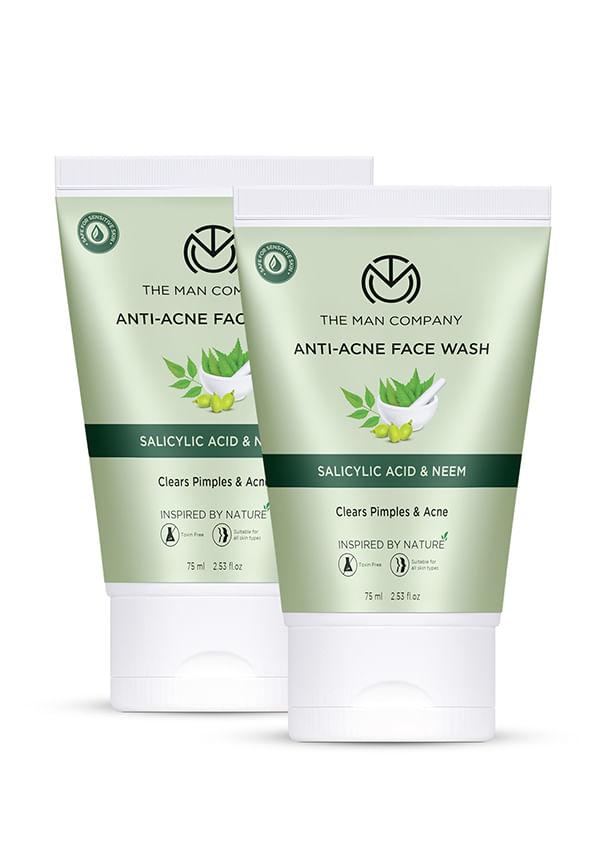
Anti- Acne
Many women spend years trying every skincare product on the market, only to find temporary relief at best. That's because PCOS skin problems originate from internal hormonal imbalances that topical treatments alone cannot address. Whilst a good skincare routine supports skin health, it cannot counteract the constant hormonal signals telling your oil glands to overproduce or your hair follicles to grow thicker, darker hair. This is why addressing PCOS systemically - through diet, lifestyle, and often medication - is crucial for lasting skin improvements.
When it comes to managing PCOS skin issues effectively, working with healthcare professionals who understand the hormonal component is essential. The most successful treatments target the root cause rather than just the symptoms.
PCOS acne treatment often requires prescription interventions to address the underlying hormonal imbalances. Spironolactone acts as an androgen blocker, reducing the effects of testosterone on your skin and hair follicles. Many women see significant improvements in both acne and hirsutism within 3-6 months of starting treatment. Oral contraceptives, particularly those containing anti-androgenic progestins like drospirenone, can help regulate hormone levels and reduce breakouts. For women with insulin resistance, metformin not only improves metabolic health but often leads to clearer skin as insulin levels stabilise.
For persistent hormonal acne, dermatological interventions can provide additional support. Topical retinoids like tretinoin work by increasing cell turnover and preventing pores from becoming clogged, whilst also helping to fade post-inflammatory hyperpigmentation. Professional treatments such as chemical peels with salicylic acid or glycolic acid can help manage both active breakouts and scarring. For hirsutism, laser hair removal can be highly effective, particularly when combined with hormonal treatments that reduce new hair growth.
Whilst skincare alone won't cure PCOS skin problems, a thoughtful routine can significantly support your skin's health and enhance the effectiveness of medical treatments.
Your PCOS skin care routine should focus on gentle, consistent care that doesn't further irritate already inflamed skin. Start with a gentle, non-foaming cleanser twice daily - over-cleansing can actually stimulate more oil production. Look for non-comedogenic products that won't clog your pores, and always finish with a lightweight, oil-free moisturiser. Even oily skin needs hydration, and skipping moisturiser can trigger your skin to produce even more oil. Never skip SPF during the day, as sun exposure can worsen both acne and hyperpigmentation.
Salicylic acid is particularly effective for PCOS skin because it penetrates oil-filled pores and helps prevent new breakouts from forming. Azelaic acid offers multiple benefits - it reduces inflammation, helps with both acne and rosacea, and can fade hyperpigmentation over time. Niacinamide is excellent for controlling oil production whilst strengthening your skin barrier. If you're using prescription retinoids, start slowly and always use them at night, as they can increase sun sensitivity.
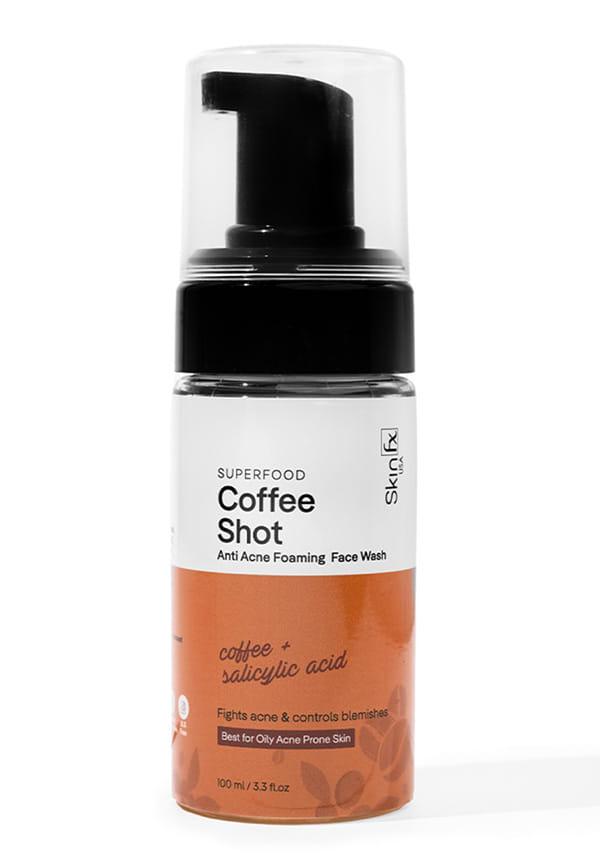
Superfood Coffee Shot Anti - acne Foaming Face Wash
Managing PCOS skin problems effectively requires looking beyond skincare products to address the internal factors that drive skin issues.
What you eat directly impacts your skin health, particularly with PCOS. Focus on low glycemic index foods that don't spike your blood sugar - think quinoa instead of white rice, berries instead of tropical fruits. Omega-3 fatty acids from fatty fish, walnuts, and flaxseeds help reduce inflammation throughout your body, including your skin. Load up on antioxidant-rich vegetables and fruits to support your skin's natural healing processes. Many women find that reducing dairy and refined sugars significantly improves their skin, though individual responses vary.
Chronic stress elevates cortisol levels, which can worsen both PCOS symptoms and skin problems. Regular exercise not only helps with insulin sensitivity but also reduces stress and promotes better sleep. Aim for 7-9 hours of quality sleep nightly, as this is when your skin repairs itself. Poor sleep disrupts hormone balance and can worsen both acne and insulin resistance.
Knowing when and how to build your healthcare team is crucial for managing PCOS skin problems effectively.
A comprehensive approach to PCOS skin manifestations often requires multiple specialists. Your dermatologist can address the skin symptoms directly with topical treatments and procedures, whilst an endocrinologist focuses on the hormonal imbalances driving these issues. Don't forget your gynaecologist, who can help with hormonal contraceptives and overall PCOS management. The key is ensuring all your providers communicate and coordinate your care.
Improvement in PCOS skin problems typically takes 3-6 months to become noticeable, as this is how long it takes for hormonal treatments to affect your skin. Don't expect overnight results - skin cells take about 28 days to turnover, and deeper changes in oil production and inflammation take even longer. Track your progress with photos and keep a skin diary noting any correlations with your menstrual cycle, stress levels, or dietary changes.
Yes, PCOS commonly causes multiple skin problems including hormonal acne, oily skin, dark skin patches (acanthosis nigricans), and unwanted facial hair due to elevated androgen levels and insulin resistance. These skin manifestations affect up to 80% of women with PCOS and can significantly impact quality of life.
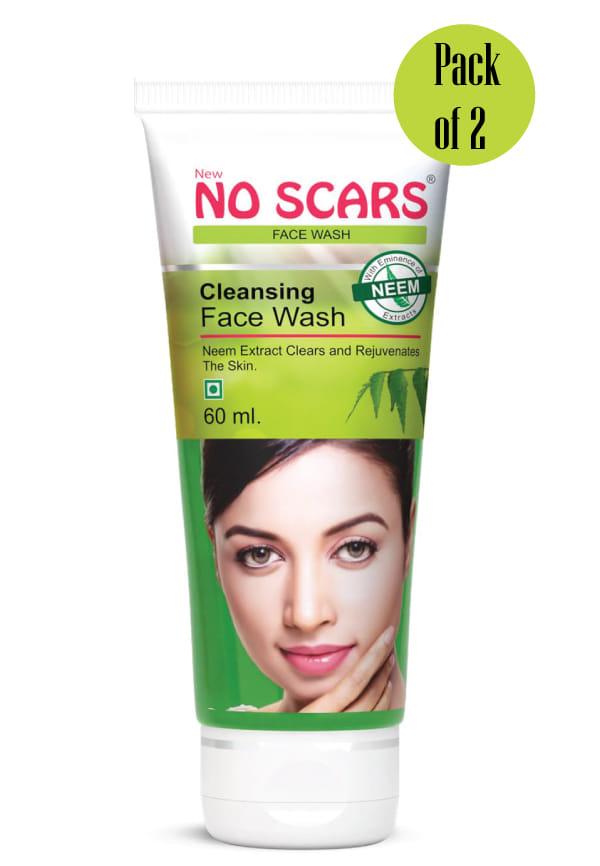
Neem Face Wash,Rejuvenates Skin And Fights Acne With Neem Extracts
PCOS skin flare-ups typically last 1-2 weeks for individual breakouts, but without proper treatment, the underlying condition causes ongoing symptoms. With appropriate medical management targeting hormonal imbalances, significant improvement usually occurs within 3-6 months, though some women see changes sooner.
Foods that worsen PCOS skin problems include refined carbohydrates, sugary foods, processed snacks, and potentially dairy products, as they can spike insulin levels and increase inflammation. High glycemic foods like white bread, pastries, and sugary drinks are particularly problematic for both PCOS symptoms and skin health.
Hormone balance for PCOS requires a multi-faceted approach including an anti-inflammatory diet, regular exercise, stress management, adequate sleep, and often medical interventions like metformin or hormonal birth control. Consistency is key - small daily changes compound over time to create significant improvements.
PCOS acne can significantly improve with proper treatment targeting both hormonal imbalances and skincare, but it typically requires ongoing management rather than a complete cure. Many women achieve clear skin with the right combination of treatments, but maintaining results usually requires continued attention to diet, lifestyle, and sometimes medication.
PCOS acne tends to be deeper, more cystic, concentrated around the jawline and chin, more persistent, and often worsens around menstrual periods due to hormonal fluctuations. Unlike teenage acne that often improves with age, PCOS acne can persist or even worsen into adulthood without proper hormonal management.
Whilst a good PCOS skin care routine is important for managing symptoms and preventing further irritation, skincare alone cannot address the underlying hormonal imbalances that drive PCOS skin problems. The most effective approach combines appropriate skincare with medical treatment, dietary changes, and lifestyle modifications.
Hirsutism and skin changes from PCOS can improve significantly with proper treatment, but existing hair may not disappear completely without intervention. Hormonal treatments can slow new hair growth, whilst laser hair removal or electrolysis can address existing unwanted hair. Early treatment often leads to better outcomes.
Managing PCOS skin problems requires patience, consistency, and often a team approach that addresses both the symptoms and underlying causes. Remember that your skin concerns are valid medical issues, not cosmetic problems - they deserve proper attention and treatment. The key is understanding that lasting improvement comes from addressing the hormonal imbalances driving these skin changes, not just treating the surface symptoms. Whilst the journey to clearer skin with PCOS can feel overwhelming, remember that effective treatments exist. Work with healthcare providers who understand the connection between PCOS and skin health, be patient with the timeline for improvement, and don't hesitate to advocate for yourself if your concerns aren't being taken seriously. If you're exploring skincare products to support your PCOS management routine, platforms like Smytten offer a practical way to test products before committing to full sizes. With access to over 2,400 trusted brands and the ability to try minis from dermatologist-recommended lines, you can discover what works for your unique skin needs without the financial risk of purchasing full-size products that might not suit your PCOS skin. After all, when you're managing complex skin concerns, finding the right products shouldn't add to your stress.
