PCOS Acne FAQ: Understanding Hormonal Breakouts in India

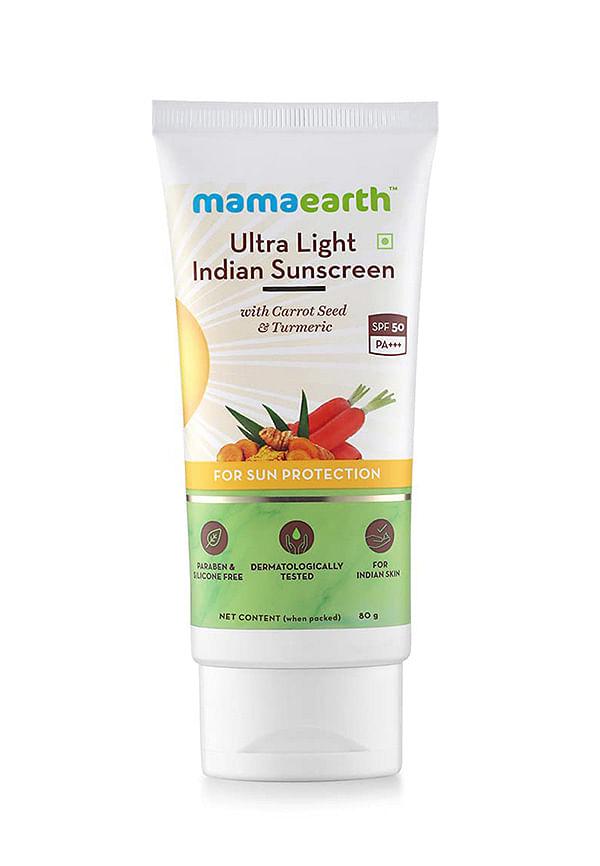
Ultra Light indian Sunscreen
You've noticed those stubborn breakouts along your jawline that seem to appear out of nowhere and refuse to budge, no matter what you try. If you're dealing with PCOS, these aren't just random spots—they're telling a story about what's happening inside your body. PCOS acne affects millions of women across India, yet many don't realise how different it is from the breakouts they might have experienced as teenagers. Understanding this difference is the first step towards clearer skin and better overall health.
Polycystic Ovary Syndrome (PCOS) affects approximately 1 in 5 women in India, making it one of the most common hormonal disorders amongst women of reproductive age. This condition disrupts the delicate balance of hormones in your body, particularly androgens (male hormones like testosterone) and insulin. When these hormones go haywire, your skin often bears the brunt of the chaos.
The skin-hormone connection in PCOS is particularly complex. Elevated androgen levels stimulate your sebaceous glands to produce excess oil, whilst insulin resistance—present in up to 70% of women with PCOS—can worsen inflammation and make acne more persistent. Indian women may be more susceptible to PCOS symptoms due to genetic factors, dietary patterns high in refined carbohydrates, and lifestyle factors including stress and reduced physical activity.
What makes this even more challenging is that PCOS acne doesn't just affect your face. Many women notice breakouts on their chest, back, and shoulders—areas that regular teenage acne rarely touches. The inflammation runs deeper, both literally and figuratively, affecting not just your skin's surface but your confidence and daily life.
If you've been treating your hormonal acne like regular spots and wondering why nothing works, you're not alone. PCOS-related acne behaves completely differently from the breakouts most people experience during their teenage years. Understanding these differences can save you months of frustration and ineffective treatments.
The location patterns tell the clearest story. Whilst regular acne typically appears in the T-zone (forehead, nose, and chin), PCOS acne prefers the lower half of your face—particularly the jawline, chin, and lower cheeks. This pattern follows your body's androgen receptors, which are most concentrated in these areas.
The type of acne also differs significantly. PCOS breakouts tend to be deeper, more cystic, and inflammatory. Instead of surface-level blackheads and whiteheads, you're dealing with painful, under-the-skin bumps that can take weeks to resolve. These cystic acne lesions often leave behind dark spots or scarring, particularly on Indian skin tones that are more prone to post-inflammatory hyperpigmentation.
Timing is another crucial difference. Regular acne often follows a predictable monthly cycle, worsening just before your period. PCOS acne, however, can be persistent and unpredictable, with breakouts appearing at any time of the month. Many women notice that their acne doesn't improve significantly even during what should be the 'clear' weeks of their cycle.
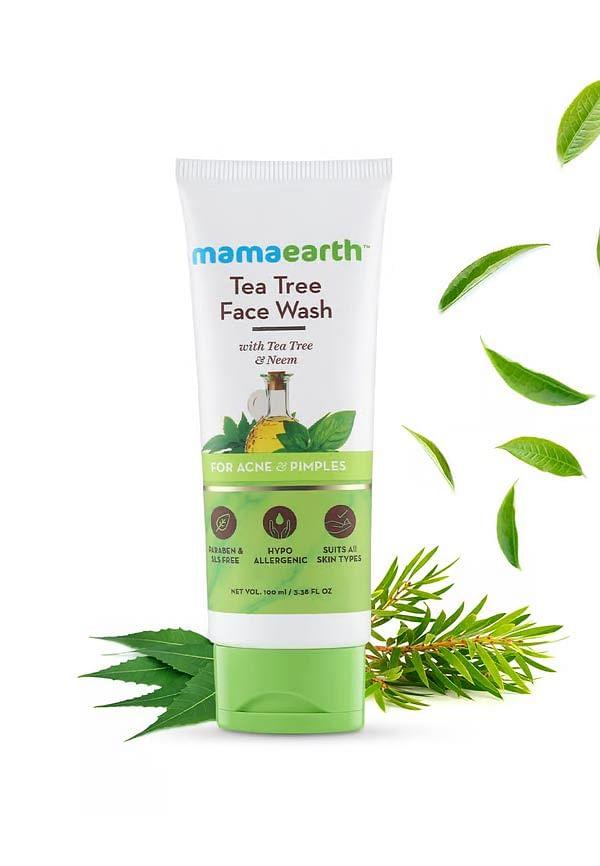
Tea Tree Facewash For Acne & Pimples
Hormonal imbalances lie at the heart of PCOS acne causes. When your ovaries produce excess androgens, these hormones travel through your bloodstream and bind to receptors in your skin. This triggers a cascade of events: increased oil production, faster skin cell turnover, and inflammation that creates the perfect environment for acne-causing bacteria to thrive.
Insulin resistance adds another layer of complexity. When your cells don't respond properly to insulin, your body produces more of it to compensate. High insulin levels can increase androgen production and make existing hormonal imbalances worse. This explains why many women with PCOS notice their acne improves when they address their blood sugar levels through diet and lifestyle changes.
Inflammation plays a starring role in PCOS symptoms skin manifestations. Women with PCOS often have higher levels of inflammatory markers in their blood, which can make acne more severe and longer-lasting. This chronic inflammation also contributes to other skin concerns like rough texture, enlarged pores, and the dark patches (acanthosis nigricans) that many women with PCOS develop.
Nutritional deficiencies common in Indian diets can worsen PCOS acne. Low levels of vitamin D, zinc, and B vitamins can impair skin healing and increase inflammation. The traditional Indian diet, whilst rich in many nutrients, can sometimes be high in refined carbohydrates and low in omega-3 fatty acids, both of which can exacerbate hormonal acne.
Treating PCOS acne requires a multi-faceted approach that addresses both the underlying hormonal imbalances and the skin symptoms themselves. The most effective strategies combine medical treatments with lifestyle modifications and a targeted PCOS skincare routine.
Hormonal therapies often form the backbone of PCOS acne treatment. Birth control pills containing both oestrogen and progestin can help regulate hormone levels and reduce androgen production. Anti-androgen medications like spironolactone work by blocking androgen receptors in the skin, reducing oil production and inflammation.
Topical treatments play a crucial supporting role. Retinoids help normalise skin cell turnover and prevent clogged pores, whilst benzoyl peroxide and salicylic acid target acne-causing bacteria and help clear existing breakouts. For Indian skin, it's particularly important to start slowly with these ingredients to avoid irritation and hyperpigmentation.
Dietary modifications can significantly impact PCOS acne severity. An anti-inflammatory diet rich in omega-3 fatty acids, antioxidants, and low-glycemic foods helps stabilise blood sugar and reduce inflammation. Traditional Indian foods like turmeric, fenugreek, and cinnamon have natural anti-inflammatory properties that may help manage PCOS symptoms.
Spearmint tea has shown promise in reducing androgen levels when consumed regularly. Omega-3 supplements and zinc can help reduce inflammation and support skin healing. Many women also find that inositol supplements help improve insulin sensitivity and reduce acne severity.
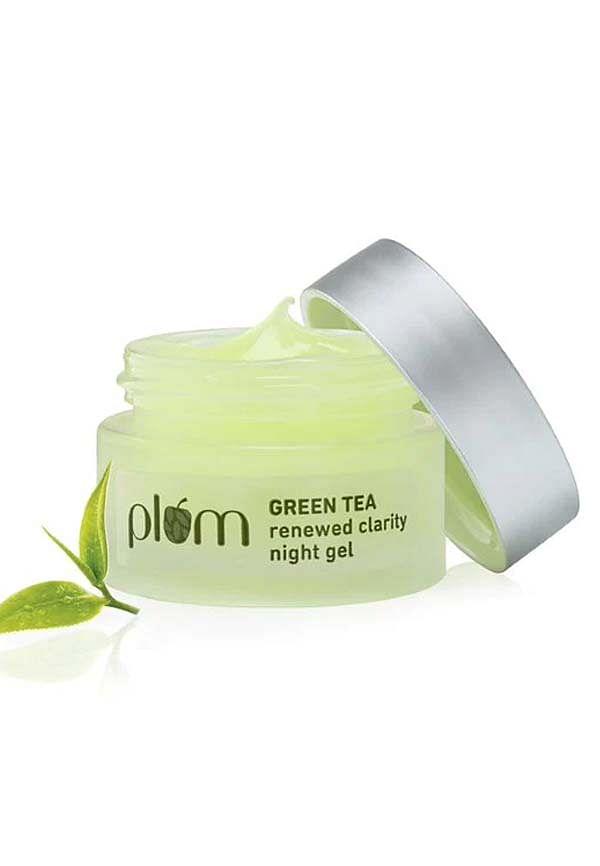
Green Tea Renewed Clarity Night Gel Hydrates Skin & Fights Acne
A gentle PCOS skincare routine focuses on maintaining the skin barrier whilst addressing excess oil and inflammation. Look for products containing niacinamide to regulate oil production, azelaic acid to reduce inflammation, and ceramides to support the skin barrier. Avoid harsh scrubs or over-cleansing, which can worsen inflammation.
Managing PCOS acne successfully requires patience and realistic expectations. Unlike regular acne that might clear up in a few weeks with the right treatment, hormonal acne PCOS often takes 3-6 months to show significant improvement. This timeline reflects the time needed for hormonal treatments to take effect and for your skin to complete several renewal cycles.
Combining medical and lifestyle approaches typically yields the best results. Whilst medications address the immediate symptoms, lifestyle changes work on the root causes of hormonal imbalance. This dual approach not only improves your skin but also supports your overall health and well-being.
Tracking your progress helps you identify what's working and what isn't. Keep a simple diary noting your breakouts, menstrual cycle, stress levels, and any dietary or lifestyle changes. This information can be invaluable when working with healthcare providers to optimise your treatment plan.
Preventing acne scarring and hyperpigmentation is particularly important for Indian skin. Avoid picking at breakouts, use sunscreen daily, and consider incorporating gentle vitamin C or kojic acid products to help fade dark spots. Remember that prevention is always easier than treatment when it comes to scarring.
Yes, PCOS acne is distinctly different from regular acne in several key ways. It typically appears on the lower face (jawline, chin, lower cheeks) rather than the T-zone, tends to be more cystic and inflammatory, and persists throughout the month rather than following a cyclical pattern. PCOS breakouts are also more treatment-resistant and often require hormonal intervention rather than just topical treatments.
PCOS acne rarely resolves without treatment because it's driven by underlying hormonal imbalances. Unlike teenage acne that often improves with age, hormonal acne PCOS can persist or even worsen over time if the root causes aren't addressed. However, with proper treatment combining medical intervention and lifestyle changes, most women see significant improvement within 3-6 months.
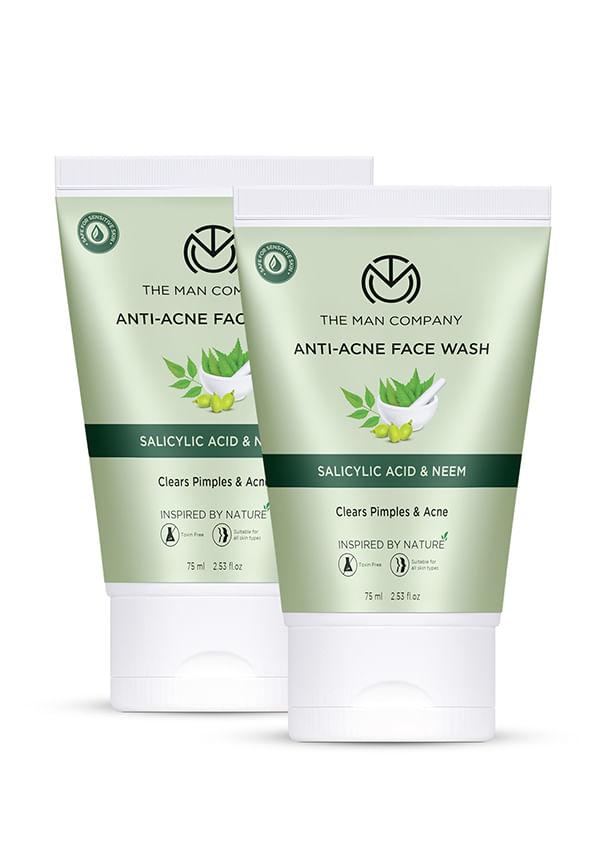
Anti- Acne
Several vitamins and supplements can support PCOS acne management. Vitamin D helps regulate immune function and inflammation, whilst zinc supports skin healing and has anti-inflammatory properties. Omega-3 fatty acids reduce inflammation, and B vitamins support hormone metabolism. Inositol can improve insulin sensitivity, which often helps reduce acne severity in women with PCOS.
Most women begin to see improvement in their PCOS acne within 6-12 weeks of starting treatment, with more significant results appearing after 3-6 months. Hormonal treatments typically take longer to show effects compared to topical treatments. It's important to be patient and consistent with your treatment plan, as stopping too early can lead to a return of symptoms.
PCOS acne can be effectively managed and controlled, but because PCOS is a chronic condition, ongoing management is usually necessary. Many women achieve clear skin and maintain it long-term through a combination of medical treatment, lifestyle modifications, and consistent skincare. The key is finding the right combination of treatments that work for your individual situation and maintaining them consistently.
The best topical treatment for PCOS acne depends on your skin type and severity of symptoms. Generally, products containing retinoids, benzoyl peroxide, or azelaic acid are most effective. For Indian skin, it's particularly important to choose formulations that won't cause irritation or hyperpigmentation. Always consult with a dermatologist to determine the most appropriate treatment for your specific needs.
Knowing when to seek professional help can make the difference between months of frustration and effective treatment. If you're experiencing cystic acne that's painful, leaving scars, or significantly affecting your quality of life, it's time to consult a healthcare provider. Similarly, if over-the-counter treatments haven't improved your skin after 6-8 weeks of consistent use, professional intervention is warranted.
In India, you have several options for professional help. Dermatologists specialise in skin conditions and can prescribe topical and oral medications for acne. Gynaecologists or endocrinologists can address the underlying hormonal imbalances that drive PCOS acne. Many women find that a team approach, involving both specialties, provides the most comprehensive care.
Building a support team might also include a nutritionist who understands PCOS and can help you develop an anti-inflammatory eating plan. Some women also benefit from working with a counsellor or therapist, as the emotional impact of persistent acne can be significant, particularly in a society where clear skin is often equated with beauty and health.
Understanding that your PCOS acne isn't just 'bad skin' but a symptom of underlying hormonal imbalances is empowering. It means you can take targeted action rather than trying endless products that weren't designed for your specific needs. Remember that managing PCOS acne is a journey, not a destination—what works for your skin may evolve over time as your body and lifestyle change.
The key to success lies in patience, consistency, and working with qualified healthcare providers who understand the complexities of PCOS. Don't be discouraged if the first treatment approach doesn't work perfectly—finding the right combination often takes time and adjustment.
For those curious about trying new skincare products but hesitant to commit to full sizes, platforms like Smytten offer a practical solution. With access to mini versions of products from trusted brands, you can test how your sensitive, PCOS-prone skin responds to different formulations before making larger investments. This approach is particularly valuable when dealing with hormonal acne, as your skin's needs may change as you work on balancing your hormones.
