Overnight Sleeping Mask for Dehydrated Skin: Your FAQ

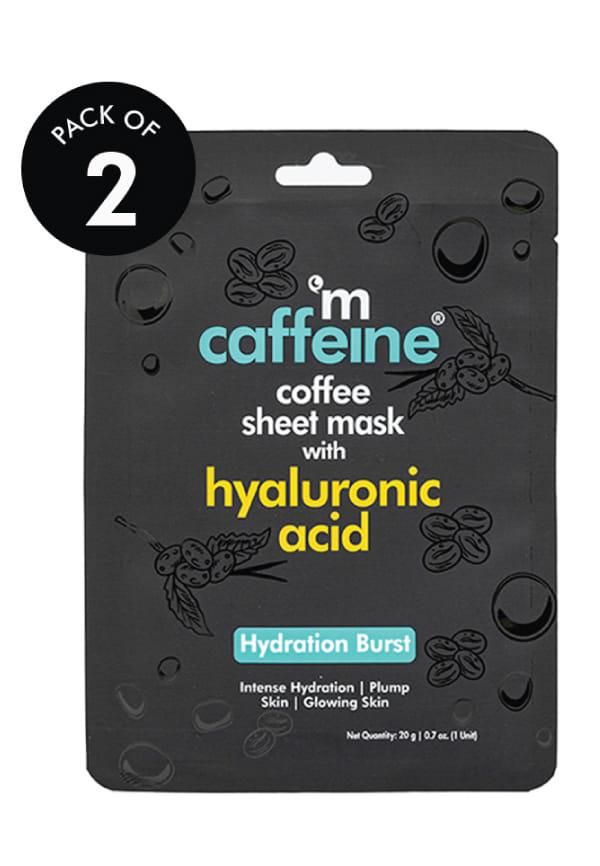
Hyaluronic Acid Coffee Sheet Mask for Hydration Burst
Keeps Skin Hydrated
 5
5“Super great and keep skin hydrated ”
Amazing Hydration & Glow
5“It was a plump glowing skin and hydration is just amazing.”
Excellent Product
5“very good quality product and very gentle on skin”
Overnight sleeping masks are your secret weapon against dehydrated skin, delivering intensive hydration while you sleep. They're packed with ingredients like hyaluronic acid, ceramides, and squalane to plump and restore your skin's barrier. Unlike regular moisturisers, these masks create a protective layer that locks in moisture for 6-8 hours. Choose gel formulas if you have oily skin, cream textures for dry skin, and always opt for fragrance-free if you're sensitive. Expect to see softer, plumper skin within 3-7 days of consistent use.
Dehydrated skin and dry skin aren't the same thing, though they often get confused. Dehydration is about water content—your skin lacks moisture, not oil. You might have oily skin that's still dehydrated, which explains why your T-zone gets shiny while your cheeks feel tight. The telltale signs include that uncomfortable pulling sensation, especially around your eyes and mouth, fine lines that seem more pronounced in the morning, and skin that looks dull despite your best efforts.
Environmental factors play a massive role here. Air conditioning, heating, pollution, and even over-cleansing can strip your skin's natural moisture barrier. Your lifestyle matters too—not drinking enough water, too much caffeine, or irregular sleep patterns all contribute to dehydration. Even genetics can make some people more prone to losing moisture overnight.
Your skin's repair cycle kicks into high gear while you sleep. Between 11 PM and 4 AM, cellular regeneration peaks, making this the perfect window for intensive hydration. Your skin temperature rises slightly, improving product absorption, and there's no makeup, pollution, or UV exposure to interfere with the healing process.
Think of overnight sleeping masks as your skin's intensive care unit. Unlike regular moisturisers that absorb quickly, these formulas are designed to create an occlusive barrier—essentially sealing in moisture and active ingredients for extended contact time. This barrier prevents transepidermal water loss (TEWL), which is often the root cause of dehydration. An overnight sleeping mask for dehydrated skin works by delivering a concentrated dose of hydration and repair while you rest.
The magic happens in the formulation. Most sleeping masks combine humectants (ingredients that draw moisture from the environment), emollients (that smooth and soften), and occlusives (that lock everything in). This triple-action approach means your skin gets hydrated, nourished, and protected simultaneously.
Hyaluronic acid is the star player here—it can hold up to 1000 times its weight in water. Look for formulas with different molecular weights for surface and deep hydration. Ceramides are equally crucial as they restore your skin barrier, preventing future moisture loss. Squalane mimics your skin's natural oils without clogging pores, while glycerin draws moisture from the air into your skin.
A compromised skin barrier is often why dehydration keeps returning. Overnight masks with niacinamide, peptides, and fatty acids work to rebuild this protective layer. When your barrier is strong, your skin naturally retains moisture better, breaking the cycle of chronic dehydration.
Not all sleeping masks are created equal, and your skin type determines which formula will work best. The texture, ingredient concentration, and additional actives all play a role in how effective your chosen mask will be for your specific dehydration concerns.
For oily but dehydrated skin, gel-based formulas work brilliantly. They provide intensive hydration without the heaviness that might trigger breakouts. Look for ingredients like hyaluronic acid and niacinamide. Combination skin benefits from lightweight cream textures that won't overwhelm your T-zone but still nourish drier areas.
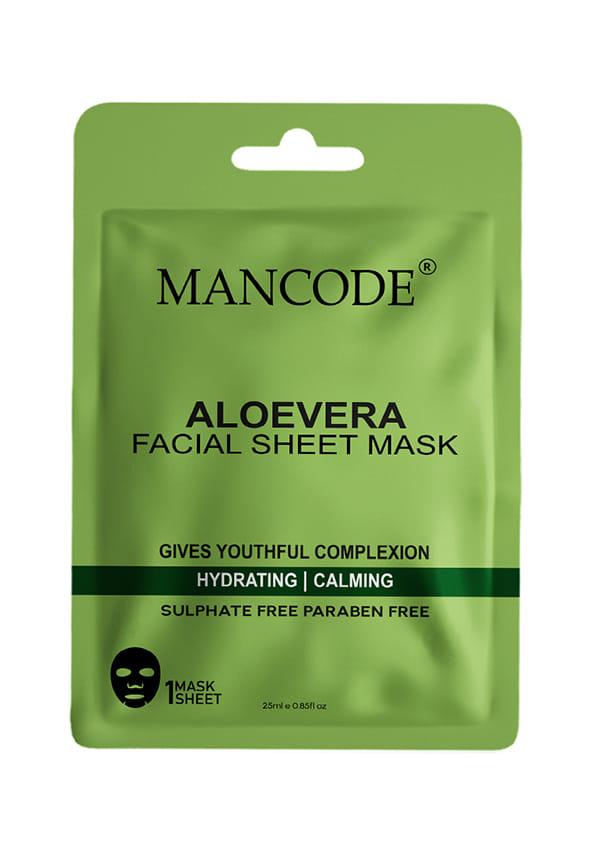
Aloevera Facial Sheet Mask for Hydrating & Calming the Skin with Korean Formula
Loved Soothing Sheet Mask
5“loved this sheet mask . soothing..,......”
Hydrating and Refreshing
5“very hydrating and skin feels refreshing and cool.”
Pleasant to Use & Apply
5“Love to use Good to apply 👍👍”
Your ideal hydrating sleeping mask should include at least three of these powerhouse ingredients: hyaluronic acid (for immediate plumping), ceramides (for barrier repair), niacinamide (for oil balance and hydration), squalane (for lightweight moisture), and peptides (for overnight repair). Avoid alcohol-based formulas, strong fragrances, and essential oils if your skin is sensitive.
Gel formulas absorb quickly and work well for humid climates or oily skin types. Cream textures provide richer nourishment for genuinely dry skin or harsh weather conditions. Balm formulas offer the most intensive treatment but might feel too heavy for daily use unless your skin is severely dehydrated.
The best plumping sleeping mask options combine multiple hydrating mechanisms for maximum effectiveness. Understanding how these ingredients work helps you choose formulas that address your specific concerns rather than just generic dryness.
Multi-molecular weight hyaluronic acid is worth seeking out. High molecular weight HA sits on the surface for immediate plumping, while low molecular weight penetrates deeper for lasting hydration. Sodium hyaluronate, the salt form of HA, penetrates even better than regular hyaluronic acid.
Look for formulas with multiple ceramide types—ceramide AP, NP, and EOP each serve different functions in barrier repair. The ideal ratio mimics your skin's natural lipid structure (ceramides, cholesterol, and fatty acids in a 2:1:1 ratio). Brands like Minimalist and Plum often disclose these ratios on their packaging.
This multitasking ingredient regulates oil production while boosting hydration—perfect for combination skin that's dehydrated. At 2-5% concentration, it also helps fade post-acne marks while strengthening your skin barrier overnight.
Centella asiatica (cica) calms irritation while supporting barrier repair. Aloe vera provides immediate cooling relief for tight, uncomfortable skin. Honey and oat extracts offer gentle hydration with anti-inflammatory benefits, perfect for sensitive skin that's prone to dehydration.
Proper application can make the difference between waking up with plump, hydrated skin or finding your mask has pilled off onto your pillowcase. The key is layering correctly and using the right amount for your skin's needs.
Start with freshly cleansed skin—double cleanse if you wear makeup or sunscreen. Apply any serums first (hyaluronic acid serum works beautifully under sleeping masks), then wait 2-3 minutes before applying your mask. This prevents ingredients from interfering with each other and ensures better absorption.
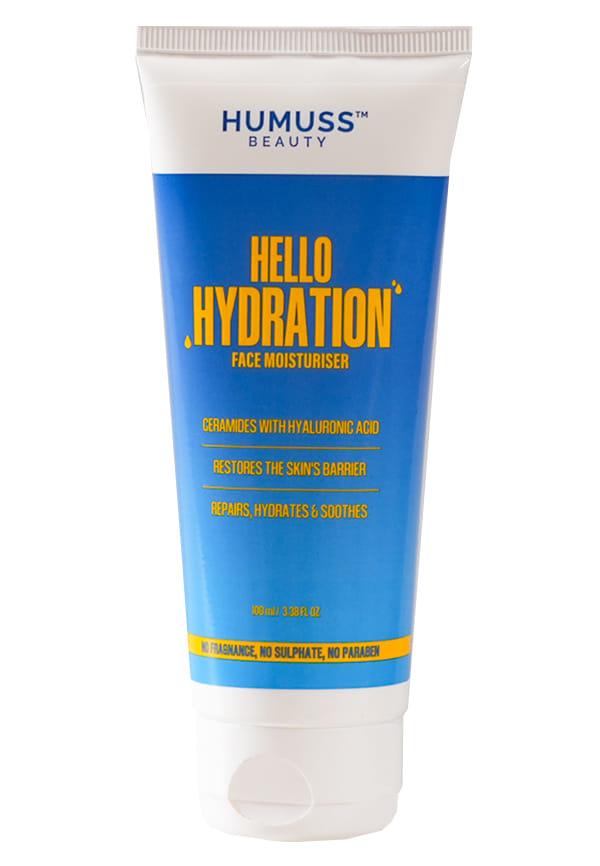
Hello Hydration' Barrier Repair Ceramides & Hyaluronic Acid Face Moisturiser
Use about a grape-sized amount for your entire face—more isn't always better with sleeping masks. Apply in upward strokes, starting from your neck and working up to your forehead. Pay extra attention to areas that feel particularly tight or show fine lines. Avoid the immediate eye area unless the product specifically states it's eye-safe.
Most sleeping masks can be used nightly, but start with 2-3 times per week to see how your skin responds. Apply 30 minutes before bed to allow initial absorption—you don't want fresh product transferring to your pillowcase. If your skin is severely dehydrated, daily use for the first week can help restore moisture levels quickly.
Some sleeping masks absorb completely overnight, while others leave a slight residue. Use lukewarm water and a gentle cleanser to remove any remaining product. Your skin should feel soft and plump, not tight or stripped. Follow with your usual morning routine, including SPF.
The choice between sleeping masks and traditional night creams often comes down to your skin's current condition and your routine preferences. Both serve the purpose of overnight hydration, but they work differently and suit different needs.
Sleeping masks typically contain higher concentrations of active ingredients and create a more occlusive barrier than night creams. They're designed for intensive treatment rather than daily maintenance. Night creams, on the other hand, are formulated for consistent nightly use with a focus on long-term skin health rather than immediate results.
Opt for sleeping masks when your skin is going through a particularly dehydrated phase—perhaps after travel, illness, or seasonal changes. They're also brilliant for addressing specific concerns like post-breakout dryness or over-exfoliation recovery. If you love the ritual of applying a treatment and seeing immediate results, sleeping masks deliver that satisfaction.
You can absolutely use both in your routine. Apply serums, then a lightweight night cream, and finish with a sleeping mask 2-3 times per week for extra hydration. This layering approach works particularly well for combination skin that needs different levels of moisture in different areas.
While sleeping masks might seem more expensive per millilitre, you typically use them less frequently than night creams. A good sleeping mask used 3 times per week can last 3-4 months, making the cost per use quite reasonable. Night creams used daily will need replacing every 1-2 months.
Product | Best For Skin Type | Key Concern | Price Range | Star Ingredients |
|---|---|---|---|---|
Dot & Key Hydrating Sleeping Mask | Dry, Dehydrated | Overnight moisture replenishment | Mid-range | Hyaluronic Acid, Ceramides |
Aqualogica Overnight Hydra Mask | Combination, Sensitive | Lightweight barrier repair | Mid-range | 5 Ceramides, Hyaluronic Acid, Avocado Oil |
Vedicline Korean Glow Night Cream | Dry, Mature | Hydration + brightening | Premium | Ceramides, Rice Water, Niacinamide |
Cetaphil Optimal Hydration Daily Cream | Sensitive, Dry | 48-hour sustained hydration | Premium | HydroSensitiv Complex, Hyaluronic Acid |
Foxtale Nourishing Ceramide Moisturiser | Dry, Sensitive | 72-hour hydration | Budget-friendly | Ceramides, Kokum Butter, Vitamin E |
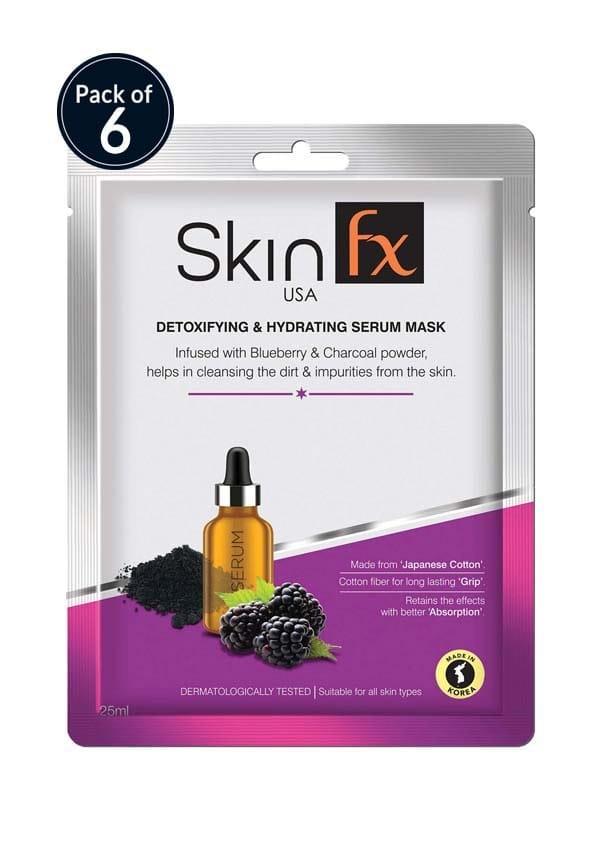
Detoxifying & Hydrating Serum Mask
The best sleeping masks for dehydrated skin contain multiple hydrating ingredients like hyaluronic acid, ceramides, and squalane. Look for gel-cream textures that provide intensive moisture without heaviness. Products with disclosed ingredient percentages, like those from Minimalist or The Derma Co., often deliver more predictable results. The key is choosing a formula that matches your skin type—gel-based for oily dehydrated skin, cream-based for dry dehydrated skin.
For genuinely dry skin, rich cream-based overnight masks work best. Look for formulas with ceramides, fatty acids, and occlusive ingredients like squalane or shea butter. Products like the Dot & Key Hydrating Sleeping Mask or Cetaphil's Optimal Hydration Daily Cream (used as an overnight treatment) provide the intensive nourishment dry skin needs. Avoid gel formulas, which might not provide enough occlusion for very dry skin types.
The most effective hydrating overnight masks combine humectants (hyaluronic acid), emollients (ceramides), and occlusives (squalane) in one formula. Multi-molecular weight hyaluronic acid provides both immediate and deep hydration. Look for masks that also include barrier-repairing ingredients like niacinamide or peptides for long-term hydration improvement. Consistency matters more than the specific brand—using your chosen mask 3-4 times per week delivers better results than sporadic use of expensive products.
Dry skin benefits most from cream or balm-textured sleeping masks with rich, nourishing ingredients. Ceramide-based formulas like those from Aqualogica or Foxtale provide excellent barrier repair alongside hydration. For very dry skin, look for masks with natural oils (marula, jojoba) or butters (shea, kokum) that provide lasting moisture. Avoid masks with alcohol, strong fragrances, or acids that might further compromise your skin barrier.
Most soothing sleep masks are gentle enough for nightly use, especially those with calming ingredients like centella asiatica, aloe vera, or chamomile. However, start with 2-3 times per week to see how your skin responds. If you experience any irritation, reduce frequency. Very rich formulas might be too heavy for nightly use on oily or combination skin, while lightweight gel masks can typically be used daily. Always patch test new products before incorporating them into your nightly routine.
You'll typically notice immediate improvements in skin softness and comfort after the first use. Visible plumping and reduced fine lines usually appear within 3-7 days of consistent use. For long-term barrier repair and sustained hydration improvements, expect to see significant changes after 2-4 weeks of regular use. The key is consistency—using your sleeping mask 3-4 times per week delivers better results than daily use for one week followed by neglect. With platforms like Smytten, you can trial different masks to find the one that delivers the fastest results for your specific skin concerns.
Overnight sleeping masks offer a targeted solution for dehydrated skin that goes beyond what regular moisturisers can achieve. The key to success lies in choosing the right formula for your skin type and using it consistently. Gel-based masks work brilliantly for oily but dehydrated skin, while cream textures provide the intensive nourishment that dry skin craves.
Look for formulas with multiple hydrating mechanisms—hyaluronic acid for immediate plumping, ceramides for barrier repair, and occlusives like squalane to lock in moisture overnight. The best results come from consistent use 3-4 times per week rather than sporadic intensive treatments.
Remember that dehydrated skin is often a sign of a compromised barrier, so choose masks that focus on repair alongside hydration. Ingredients like niacinamide, peptides, and fatty acids support long-term skin health while providing immediate comfort. With proper application and the right formula, you should notice softer, plumper skin within days and significant barrier improvements within weeks.
Finding the perfect overnight sleeping mask for your dehydrated skin doesn't have to involve expensive trial and error. Smytten is India's largest product discovery and trial platform, connecting consumers with top lifestyle, beauty, wellness, and grooming brands through curated trial packs. With over 2,400 trusted brands including Cetaphil, Dot & Key, Aqualogica, and Minimalist, you can explore authentic brand-verified minis before committing to full-size purchases. Each mini is linked with Trial Points, and you can get up to 10 Trial Points for just ₹279, plus enjoy 100% cashback on trials redeemable for future orders. This try before you buy approach means you can test different sleeping mask formulas to find your perfect match without the financial commitment. With over 28 million users and 100% authentic products directly sourced from brands, Smytten helps you make smarter, more confident skincare choices. After all, why settle for 'maybe' when you can #TryItAll!
