Organic vs Natural Indian Skincare FAQ: Key Differences Explained

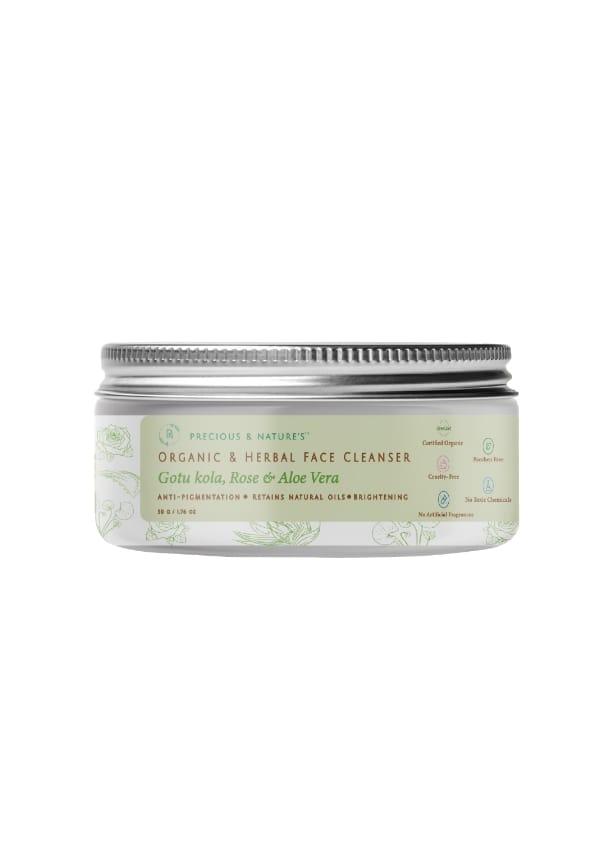
Organic and Herbal Face Cleanser
Standing in the skincare aisle, you've probably noticed labels screaming "natural" and "organic" everywhere. But what do these terms actually mean for your skin? With Indian beauty brands embracing everything from turmeric to neem, understanding the difference between natural and organic skincare isn't just helpful—it's essential for making informed choices. Let's clear up the confusion and help you navigate the world of clean beauty with confidence.
The terms "natural" and "organic" might seem interchangeable, but they represent fundamentally different approaches to skincare formulation. Natural skincare refers to products made with ingredients derived from nature—think plant extracts, minerals, and botanicals that haven't been heavily processed. However, natural doesn't guarantee how these ingredients were grown or processed.
Organic skincare, on the other hand, takes things a step further. These products contain ingredients that were grown without synthetic pesticides, herbicides, or fertilisers, and processed without harsh chemicals. In India, truly organic products must meet specific certification standards and contain at least 95% organic ingredients.
Here's where it gets interesting for Indian consumers: many traditional Ayurvedic ingredients like turmeric, neem, and aloe vera can be either natural or organic, depending on how they're sourced and processed. A natural turmeric face mask might use conventionally grown turmeric, whilst an organic version would use turmeric grown without synthetic chemicals.
The processing methods also differ significantly. Natural products can include synthetic preservatives to extend shelf life, whilst organic products must use naturally-derived preservation systems. This explains why organic skincare often has shorter expiry dates and requires more careful storage.
In India, the National Programme for Organic Production (NPOP) sets the gold standard for organic certification. When you see this certification on skincare products, you know the ingredients meet strict organic farming and processing standards. The certification process involves regular inspections of farms, processing facilities, and supply chains.
International certifications like USDA Organic and ECOCERT are also recognised in India and often appear on imported or internationally-formulated products. These certifications require that at least 95% of the product's ingredients are organically produced, with the remaining 5% coming from an approved list of non-organic substances.
Here's what to watch for: genuine organic products will display their certification logo prominently on packaging, along with the certifying body's name. Be wary of products that simply claim to be "organic" without showing proper certification—this is unfortunately common in the Indian market.
The certification also covers packaging materials and manufacturing processes. Truly organic skincare brands must demonstrate that their entire production chain meets organic standards, from ingredient sourcing to final packaging.
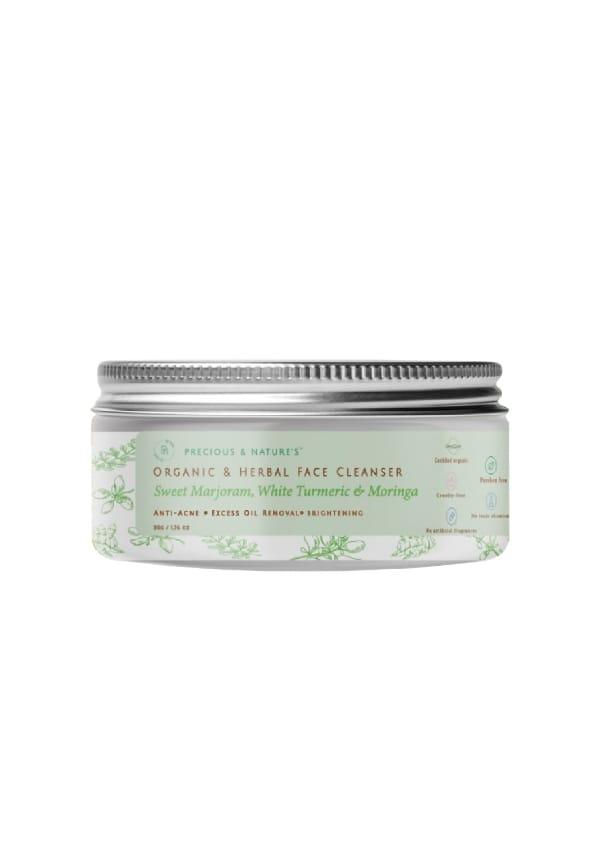
Organic and Herbal Face Cleanser
Natural beauty products in India often showcase incredible indigenous ingredients. Turmeric offers anti-inflammatory benefits, neem provides antibacterial properties, and rose water delivers gentle hydration. These ingredients have been trusted for centuries in traditional Indian beauty practices.
However, natural doesn't automatically mean chemical-free skincare. Many natural products contain synthetic preservatives like parabens or phenoxyethanol to prevent bacterial growth and extend shelf life. This isn't necessarily problematic—these preservatives ensure product safety and stability.
The processing methods matter enormously. Steam-distilled rose water maintains its natural status, but if synthetic fragrances are added to enhance the scent, the product becomes less "natural." Similarly, naturally-derived ingredients can undergo chemical processing that changes their molecular structure.
Ayurvedic skincare represents a unique category within natural products. Traditional formulations like kumkumadi oil or chandanadi powder follow ancient recipes but may not meet modern organic standards if the ingredients aren't organically sourced.
The benefits of organic skincare extend beyond just your skin. When you choose organic products, you're reducing your exposure to synthetic pesticides and chemicals that can accumulate in your system over time. For those with sensitive skin or conditions like eczema, this reduction in chemical exposure often translates to fewer irritations and reactions.
Environmental impact plays a huge role too. Eco-friendly skincare supports sustainable farming practices that protect soil health and biodiversity. In India, where agriculture forms the backbone of rural economies, choosing organic skincare can support farmers transitioning to sustainable practices.
From a skin health perspective, organic ingredients often retain more of their beneficial compounds because they're processed more gently. Organic aloe vera, for instance, typically contains higher levels of active polysaccharides compared to conventionally processed versions.
The long-term benefits are compelling. Many users report that their skin becomes more balanced and resilient over time with consistent organic skincare use, though individual results vary based on skin type and concerns.
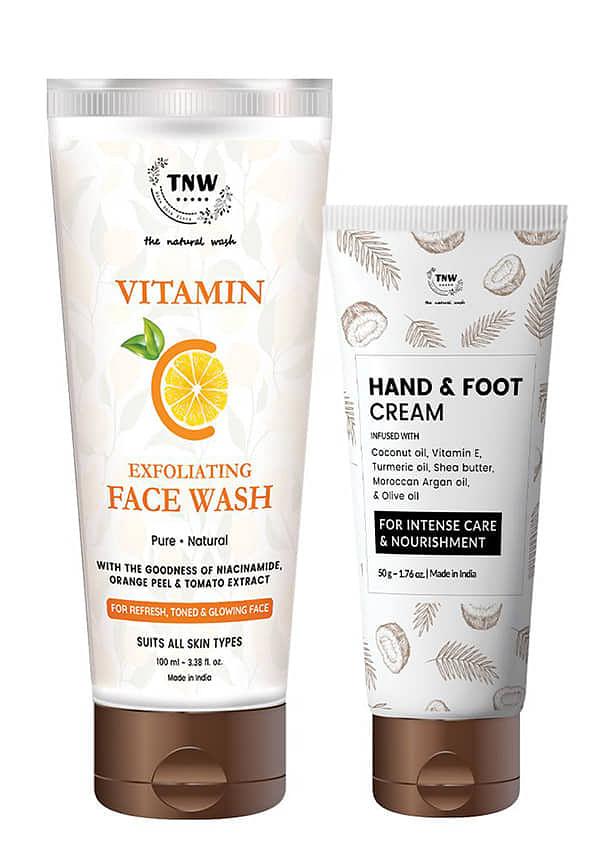
Hand And Foot Cream & Vitamin C Exfoliating Face Wash | Skin friendly Ingredients| Natural | Plantbased
Let's be honest about the challenges. Organic skincare typically costs more than conventional or natural alternatives. The organic certification process, sustainable farming methods, and smaller production scales all contribute to higher prices. For budget-conscious Indian consumers, this can be a significant barrier.
Shelf life presents another challenge. Without synthetic preservatives, organic products often expire faster and may require refrigeration. This can be particularly problematic in India's hot, humid climate where products can spoil quickly.
Availability remains limited, especially in smaller cities. Whilst metro areas have good access to organic skincare brands, tier 2 and 3 cities often have limited options, forcing consumers to rely on online shopping.
Natural allergens can also cause reactions. Just because an ingredient is natural doesn't mean it's suitable for everyone. Essential oils, plant extracts, and even organic ingredients can trigger allergies or sensitivities in some individuals.
Your skin type should guide your choice between organic and natural products. Oily, acne-prone skin often benefits from natural ingredients like tea tree oil or salicylic acid (derived from willow bark), regardless of whether they're organic. The key is finding products that address your specific concerns effectively.
For sensitive skin, organic products might offer an advantage due to their reduced chemical load. However, patch testing remains crucial—even organic ingredients can cause reactions. Start with simple formulations containing fewer ingredients to identify any potential triggers.
India's diverse climate zones require different approaches. In humid coastal areas, lighter natural formulations might work better than rich organic creams that could feel heavy. In drier regions, the extra nourishment from organic oils and butters could be beneficial.
Budget considerations matter too. If organic products stretch your budget too thin, high-quality natural products can still deliver excellent results. Focus on products with minimal, recognisable ingredients and avoid those with long lists of synthetic additives.
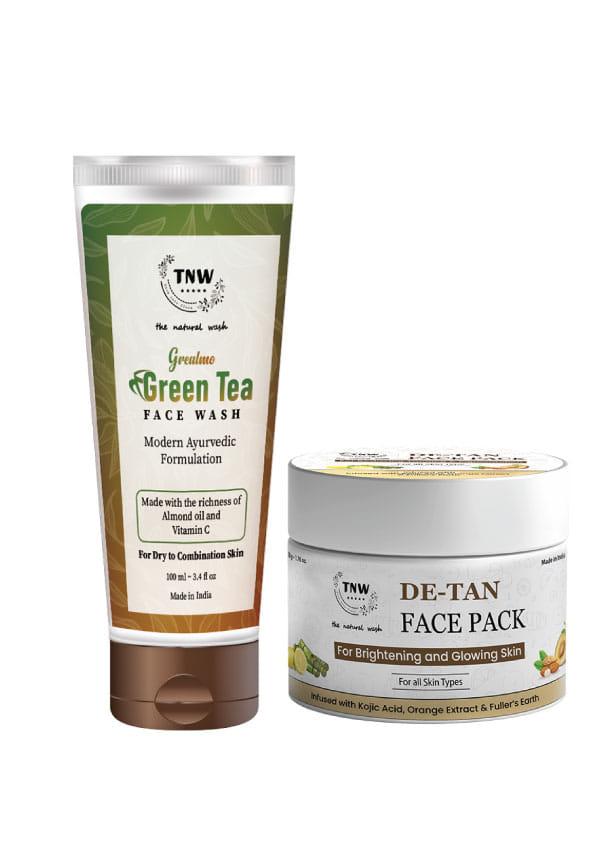
DeTan Face Pack & Green Tea Face Wash for Dry Skin | Removes Tanning & Dryness | Skincare Combo with Natural Ingredients
No, natural and organic are not the same. Natural products contain ingredients derived from nature but don't require specific farming or processing standards. Organic products must meet strict certification requirements, including being grown without synthetic pesticides and containing at least 95% organic ingredients. Think of organic as a subset of natural with additional quality standards.
Organic skincare can be effective for acne-prone skin, particularly products containing tea tree oil, green tea extract, or willow bark extract. These organic ingredients offer antibacterial and anti-inflammatory properties that may help manage breakouts. However, the organic status doesn't guarantee acne-fighting effectiveness—the specific ingredients and formulation matter more than the organic certification.
For sensitive skin, organic products often have an edge because they contain fewer synthetic chemicals that could trigger reactions. However, natural products with simple, minimal ingredient lists can also work well. The key is avoiding common irritants like synthetic fragrances, harsh preservatives, and essential oils (which can be present in both organic and natural products). Always patch test new products regardless of their organic or natural status.
Natural ingredients are derived from plants, minerals, or other natural sources, whilst synthetic ingredients are created in laboratories. However, synthetic doesn't automatically mean harmful—many synthetic ingredients like hyaluronic acid or niacinamide are identical to their natural counterparts and often more stable and effective. Some synthetic ingredients are actually safer than natural alternatives because they're purified and standardised.
The value depends on your priorities and skin needs. If you have sensitive skin, environmental concerns, or prefer supporting sustainable farming, organic products can justify their higher cost. However, if budget is a primary concern, well-formulated natural products can deliver excellent results. Consider starting with one or two organic products in your routine rather than switching everything at once.
Understanding the difference between organic and natural skincare empowers you to make choices that align with your skin needs, values, and budget. Neither option is inherently superior—the best choice depends on your individual circumstances and skin concerns.
Whether you choose organic or natural products, focus on ingredients that address your specific skin concerns. A well-formulated natural product with effective actives might serve your skin better than an organic product that doesn't target your needs.
For those curious about exploring different brands and formulations, platforms like Smytten offer an excellent way to discover what works for your skin. With access to over 2,400 trusted brands and the ability to try products before committing to full sizes, you can experiment with both organic and natural options without the financial risk. After all, the best skincare routine is one that you'll actually stick to—and that starts with finding products you genuinely love using.
