Oily Skin Concerns FAQ: Everything You Need to Know
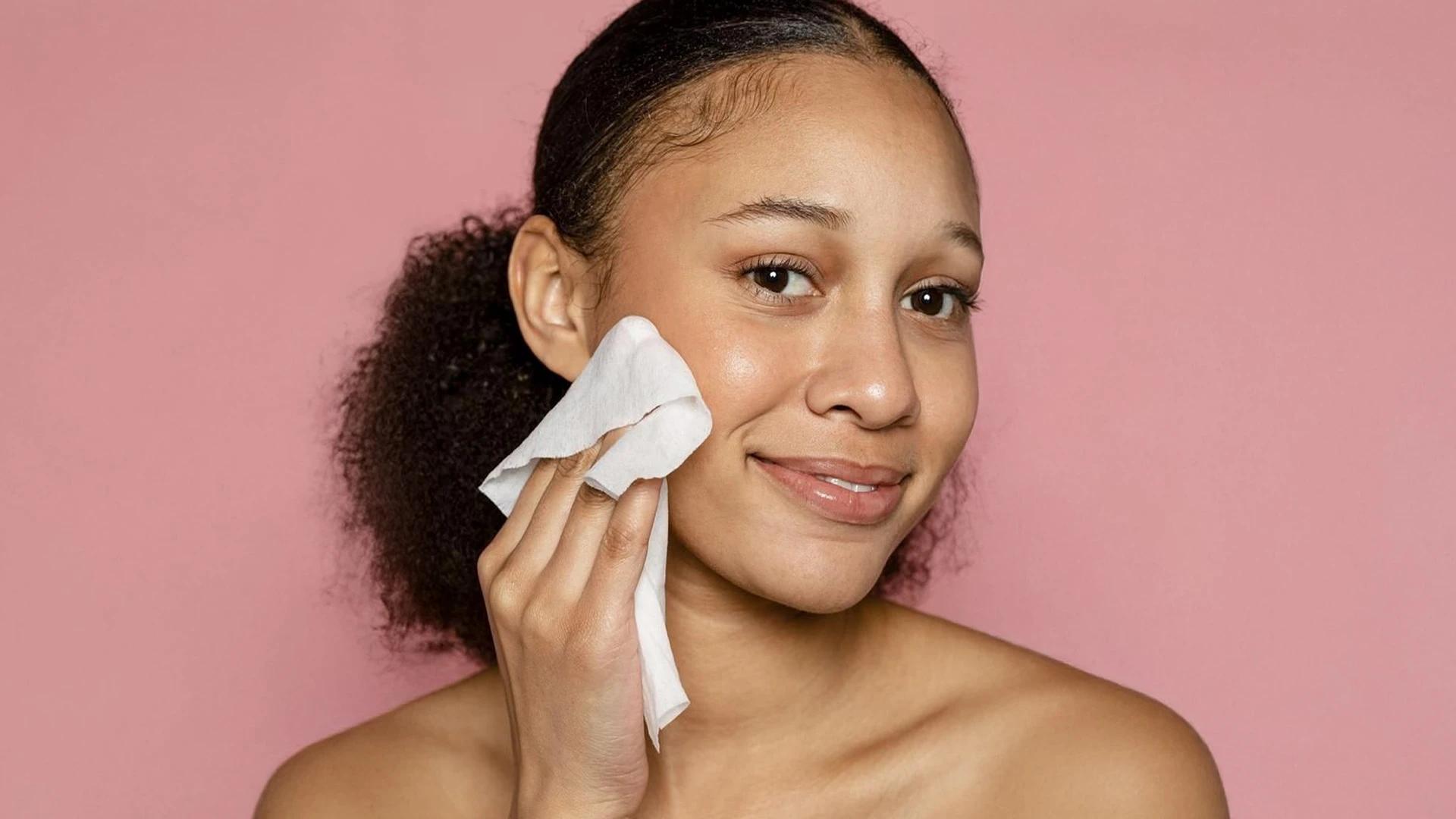

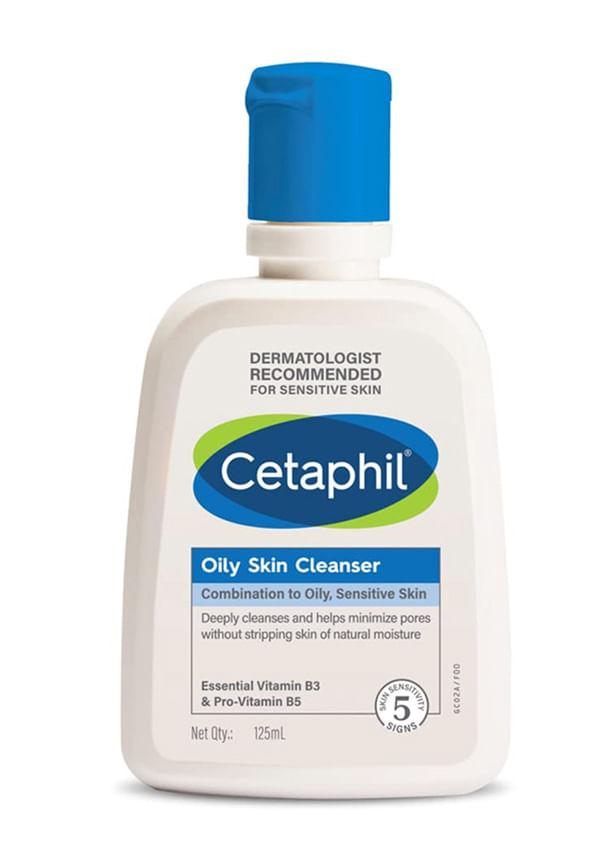
Oily Skin Cleanser
You wake up, look in the mirror, and there it is again — that telltale shine across your T-zone, even though you washed your face just hours ago. If you're constantly reaching for blotting papers or wondering why your makeup slides off by midday, you're not alone. Understanding oily skin concerns is the first step toward managing them effectively, and the good news is that with the right approach, you can work with your skin rather than against it.
Oily skin isn't just about having a shiny face — it's a specific skin type characterised by excessive sebum production from your sebaceous glands. Real talk: if you're constantly wondering whether that glow is healthy radiance or unwanted shine, you're probably dealing with oily skin. The key is learning to distinguish between normal oil production and the overactive sebaceous glands that define this skin type.
Recognising oily skin goes beyond the obvious shine. Your skin might feel greasy within hours of cleansing, and you'll notice that makeup tends to slip and slide throughout the day. Enlarged pores are another telltale sign, particularly around your nose and forehead. Many people with oily skin also experience frequent breakouts, blackheads, and that frustrating cycle where your skin feels tight after cleansing but oily again within hours.
Your sebaceous glands produce sebum — a natural oil that's actually meant to protect and moisturise your skin. When these glands go into overdrive, often due to hormonal influences or genetics, they produce more oil than your skin needs. This excess sebum can mix with dead skin cells and bacteria, leading to clogged pores and the various concerns associated with oily skin.
Understanding why your skin behaves this way is crucial for effective oily skin care. The causes aren't always straightforward, and they often involve a combination of factors that you can and can't control. Let's break down what's really happening beneath the surface.
Hormones are often the primary culprit behind oily skin, particularly androgens like testosterone and its derivative, DHT (dihydrotestosterone). These hormones stimulate sebaceous glands to produce more oil, which explains why oily skin often worsens during puberty, menstrual cycles, or times of hormonal fluctuation. Women may notice their skin becomes oilier during certain phases of their cycle, whilst men typically experience more consistent oil production due to steady androgen levels.
If your parents had oily skin, chances are you've inherited this trait. Genetics play a significant role in determining your skin type and how your sebaceous glands function. Environmental factors also contribute — humid climates can increase oil production, whilst harsh weather conditions might trigger your skin to produce more oil as a protective response. Stress is another major factor, as it increases cortisol levels, which can stimulate oil production.
Ironically, many oily skin problems are worsened by well-intentioned skincare mistakes. Over-cleansing strips your skin of natural oils, prompting it to produce even more sebum to compensate. Using harsh, alcohol-based products or skipping moisturiser because you think your skin doesn't need it can create a cycle of increased oil production. Your skin needs balance, not warfare.
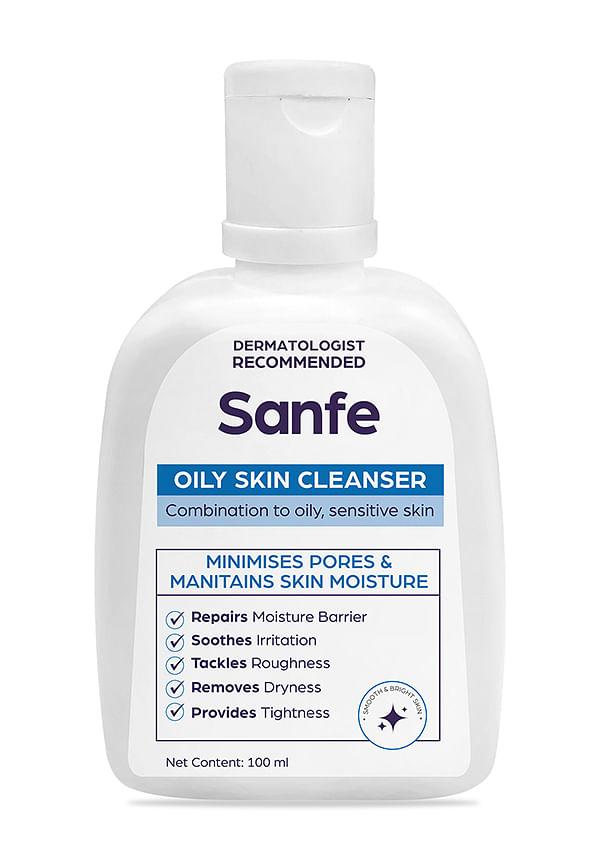
Oily Skin Cleanser
Oily skin comes with its own set of challenges that go beyond cosmetic concerns. These issues can affect your confidence and require targeted approaches to manage effectively. Understanding these problems helps you choose the right skincare for acne prone skin and develop realistic expectations for improvement.
Excess oil creates the perfect environment for acne-causing bacteria to thrive. When sebum mixes with dead skin cells, it can clog pores, leading to blackheads, whiteheads, and inflammatory acne. People with oily skin often experience persistent breakouts, particularly in the T-zone, and may find that their acne is more severe and takes longer to heal than occasional spots on other skin types.
Constant oil production can stretch pores over time, making them appear larger and more noticeable. This creates a rough skin texture that can be difficult to smooth with makeup. Enlarged pores also tend to collect more dirt and oil, perpetuating the cycle of congestion and breakouts. The good news is that with proper care, you can minimise their appearance and prevent further enlargement.
The key to successful managing oily skin lies in understanding that you're working to regulate oil production, not eliminate it entirely. Your skin needs some oil to function properly, so the goal is balance. There are several approaches you can take, from professional treatments to carefully chosen skincare ingredients.
For severe oily skin concerns, dermatological treatments can provide significant improvement. Chemical peels containing salicylic acid or glycolic acid can help regulate oil production and improve skin texture. Professional treatments like laser therapy or light-based treatments may also help reduce sebaceous gland activity. However, these should always be considered after establishing a solid at-home routine.
Salicylic acid is a game-changer for oily skin, as it can penetrate oil-filled pores and help prevent congestion. Niacinamide is another powerhouse ingredient that helps regulate sebum production whilst reducing inflammation. Retinoids work by normalising skin cell turnover and can help prevent clogged pores, though they should be introduced gradually to avoid irritation.
Whilst professional treatments and proven ingredients are most effective, some natural approaches can complement your routine. Clay masks can help absorb excess oil temporarily, whilst gentle exfoliation with natural acids can improve skin texture. However, be cautious with DIY treatments — what works for one person might irritate another's skin.
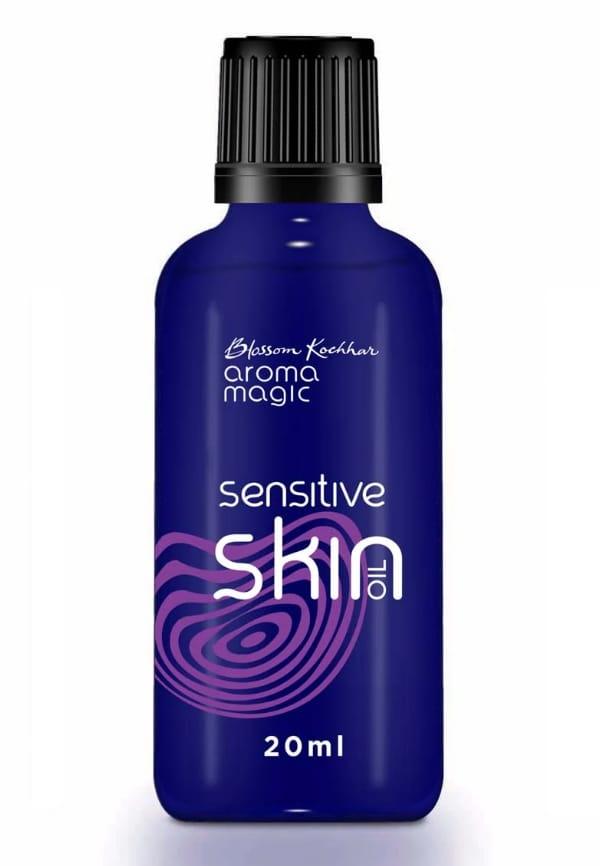
Sensitive Skin Oil
Creating an effective oily skin routine requires patience and consistency. The best approach involves gentle but effective products that address oil production without stripping your skin. Remember, your routine should evolve with your skin's needs and the seasons.
Start your day with a gentle cleanser that removes overnight oil buildup without over-drying. Follow with a lightweight, oil-free moisturiser — yes, even oily skin needs hydration. Finish with a broad-spectrum SPF that won't clog pores. Look for gel-based or mineral sunscreens that provide protection without adding extra shine.
Evening is when you can incorporate more active ingredients. Double cleansing can be beneficial if you wear makeup or sunscreen, starting with an oil-based cleanser followed by your regular cleanser. This is also when you might use treatment products containing salicylic acid, niacinamide, or retinoids, depending on your skin's tolerance and needs.
Look for products labelled non-comedogenic, which means they're formulated not to clog pores. Avoid heavy creams, coconut oil, and products with high concentrations of alcohol. Instead, opt for gel-based or lightweight lotion formulations. Water-based products are often better choices than oil-based ones for oily skin types.
Even with the perfect routine, you might still experience midday shine. Learning how to manage oil production throughout the day without disrupting your skincare or makeup is essential for maintaining confidence and comfort.
Blotting papers are your best friend for quick touch-ups — they absorb excess oil without disturbing your makeup. Avoid over-powdering, which can create a cakey appearance. If you need to refresh your makeup, gently blot first, then apply a light dusting of translucent powder only where needed.
Your diet, sleep patterns, and stress levels all impact oil production. Whilst the relationship between diet and acne isn't entirely clear, some people find that reducing dairy or high-glycaemic foods helps their skin. Adequate sleep and stress management are crucial, as both affect hormone levels that influence sebum production.
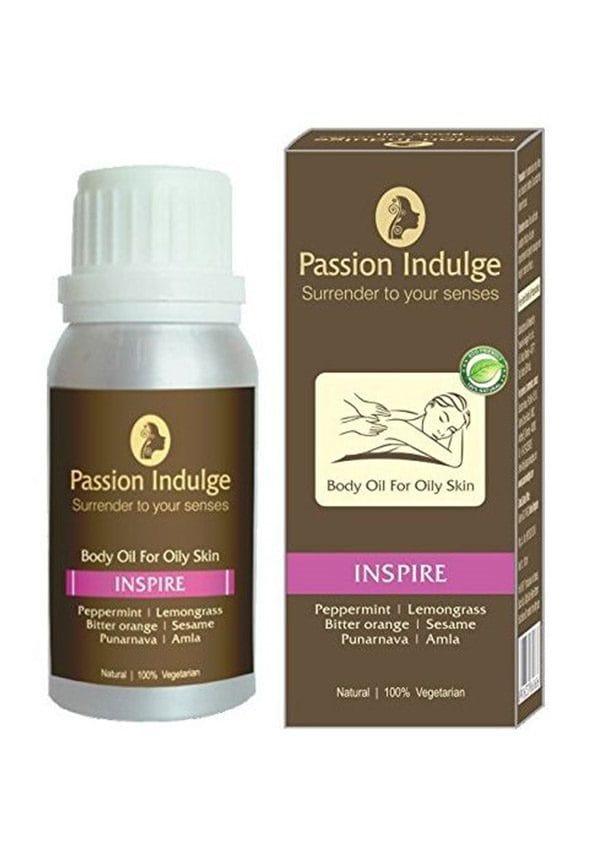
Inspire Body Oil For Oily Skin
Oily skin typically feels greasy within a few hours of cleansing, has visible shine across the T-zone, and often features enlarged pores and frequent breakouts. You might also notice that makeup doesn't stay put and that blotting papers come away visibly oily when pressed to your skin.
Yes, DHT (dihydrotestosterone) is one of the primary hormones responsible for increased sebum production. This hormone binds to receptors in sebaceous glands, stimulating them to produce more oil. This is why hormonal fluctuations often correlate with changes in skin oiliness.
Males typically have consistently higher androgen levels, leading to more persistent oil production. Females experience fluctuating hormone levels throughout their menstrual cycle, pregnancy, or menopause, which can cause varying degrees of oiliness. Both genders can inherit the tendency for oily skin genetically.
Use blotting papers to absorb excess oil, avoid over-washing (which can trigger more oil production), and ensure you're using appropriate skincare products. A lightweight, oil-free moisturiser and proper hydration can help regulate oil production throughout the day.
The biggest mistakes include over-cleansing, skipping moisturiser, using harsh alcohol-based products, and assuming that oily skin doesn't need hydration. These practices often worsen oil production by disrupting your skin's natural balance.
Oily skin is largely determined by genetics and hormones, so it can't be permanently "cured." However, it can be effectively managed with the right skincare routine, lifestyle choices, and sometimes professional treatments. Many people find their skin becomes less oily with age as hormone levels change.
Understanding oily skin concerns is about more than just managing shine — it's about working with your skin type to achieve healthy, balanced skin. Remember that oily skin has its advantages too, including natural moisture retention that can help prevent premature ageing. The key is finding the right balance of products and techniques that work for your specific needs.
Building an effective routine takes time and patience. What works for your friend might not work for you, and that's perfectly normal. Focus on gentle, consistent care rather than harsh treatments that promise overnight results. Your skin will respond better to steady, thoughtful care than to aggressive interventions.
If you're curious about trying new products but hesitant to commit to full sizes, Smytten offers an excellent way to explore different brands and formulations. With over 2,400 trusted brands and the ability to try products before investing in full sizes, you can discover what works for your skin without the guesswork. It's a smart approach to building your perfect oily skin routine.
