Niacinamide vs Azelaic Acid: Which is Best for Redness?

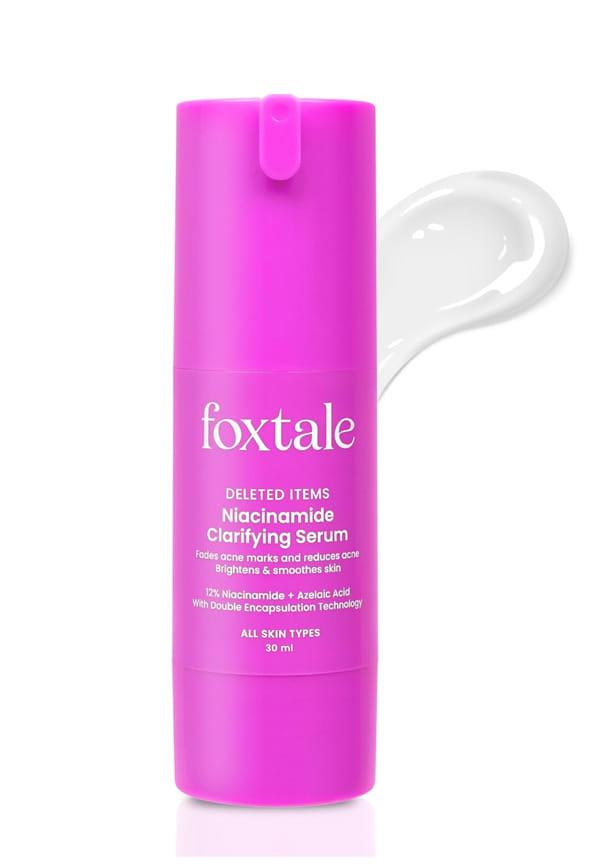
12% Niacinamide Serum with Azelaic Acid for Oil Control & Brightening
Dealing with facial redness can feel like a never-ending battle, especially when you're not sure which skincare ingredient will actually work for your specific concerns. Two powerhouse ingredients keep popping up in every dermatologist's recommendation list: niacinamide and azelaic acid. Both promise to tackle redness, but they work in completely different ways. Whether you're dealing with rosacea flare-ups, post-acne marks, or just general skin sensitivity, understanding the science behind these ingredients can help you make the right choice for your skin.
Before diving into the niacinamide vs azelaic acid for redness reduction debate, let's get real about what's actually causing your skin to look angry. Not all redness is created equal, and different types respond better to different treatments.
Rosacea and chronic facial redness typically show up as persistent red patches across your cheeks, nose, and sometimes forehead. This isn't just a cosmetic concern—it's a chronic inflammatory condition that affects your blood vessels. The redness often comes with visible capillaries and can worsen with triggers like spicy food, alcohol, or stress.
Post-inflammatory erythema from acne is those stubborn red marks left behind after a breakout heals. Unlike dark spots, these marks are actually dilated capillaries under the skin, which is why they can take months to fade naturally.
General skin sensitivity and irritation can cause temporary redness from environmental factors, harsh products, or even weather changes. This type of skin inflammation tends to be more reactive and unpredictable.
The best calming skincare ingredients target redness by interrupting inflammation pathways in your skin. They work by reducing the production of inflammatory molecules, strengthening your skin barrier, and helping to normalise blood vessel function.
Niacinamide for redness has become a skincare favourite for good reason. This form of vitamin B3 is like that reliable friend who's always got your back—gentle, consistent, and surprisingly effective. Clinical studies show that niacinamide can reduce skin inflammation by up to 68% when used consistently over 12 weeks.
What makes niacinamide special is its multi-target approach. Unlike harsher treatments that focus on one specific issue, niacinamide tackles redness from multiple angles. It strengthens your skin barrier, regulates oil production, and reduces inflammatory responses—all while being gentle enough for daily use.
The niacinamide benefits extend beyond just redness reduction. Research shows that concentrations between 5-10% are most effective for anti-inflammatory effects. At these levels, niacinamide can help reduce the appearance of enlarged pores, improve skin texture, and even out skin tone—making it a brilliant multi-tasker for your skincare routine.
Niacinamide works by strengthening your skin's natural barrier function, which helps prevent irritants from triggering inflammation in the first place. It also regulates sebum production, reducing the likelihood of clogged pores that can lead to inflammatory breakouts and subsequent redness.
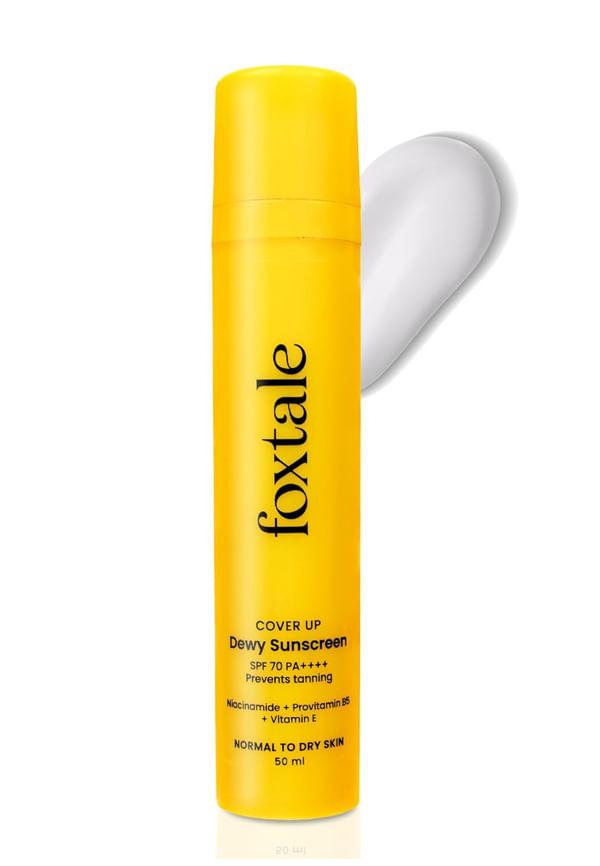
Niacinamide Dewy Sunscreen For All Skin Type Spf 70 Pa++++
When it comes to azelaic acid for redness, we're talking about a more targeted, intensive approach. This naturally occurring acid (found in grains like wheat and barley) has both anti-inflammatory and antimicrobial properties, making it particularly effective for rosacea treatment.
What sets azelaic acid apart is its ability to target the root causes of inflammatory redness. It's particularly brilliant at reducing the Demodex mites that can trigger rosacea flare-ups, whilst also normalising skin cell turnover and reducing inflammation.
The azelaic acid benefits are backed by solid clinical evidence. Studies show that 15-20% azelaic acid formulations can reduce rosacea-related redness by up to 73% over 15 weeks. It's also one of the few ingredients that's safe to use during pregnancy, making it a go-to choice for expecting mothers dealing with hormonal skin changes.
Azelaic acid's antimicrobial action makes it particularly effective for inflammatory conditions like rosacea. It targets the bacteria and mites that can worsen redness whilst also reducing the inflammatory response that causes visible blood vessels and persistent flushing.
When choosing between these best ingredients for redness, your specific skin concerns should guide your decision. Both ingredients excel in different areas, and understanding these differences can help you pick your perfect match.
For rosacea treatment, azelaic acid typically takes the lead. Its antimicrobial properties specifically target the underlying causes of rosacea-related inflammation. However, niacinamide works brilliantly for maintenance and prevention, especially if you have sensitive skin that reacts poorly to stronger treatments.
General redness from sensitivity or environmental factors responds well to both ingredients, but niacinamide's gentler approach makes it ideal for daily use. Azelaic acid is better reserved for targeted treatment of specific flare-ups.
In terms of skin tolerance, niacinamide wins hands down. It's suitable for all skin types, including the most sensitive. Azelaic acid can cause initial tingling, burning, or dryness, especially when you first start using it.
For speed of results, azelaic acid often shows improvements in active inflammation within 2-4 weeks, whilst niacinamide takes a gentler 4-6 week approach to show noticeable changes.
Post-inflammatory erythema responds well to both ingredients, but for different reasons. Niacinamide helps strengthen the skin barrier and reduce ongoing inflammation, whilst azelaic acid can help speed up skin cell turnover to fade marks more quickly.
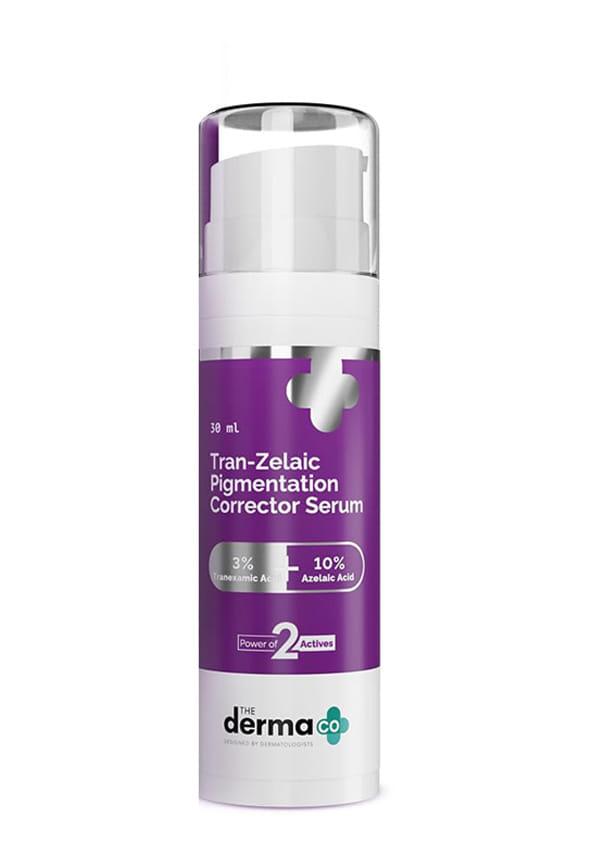
Tran-Zelaic Pigmentation Corrector Serum with Tranexamic Acid & Azelaic Acid
Here's where things get interesting—you don't actually have to choose between these powerhouse ingredients. When used correctly, niacinamide and azelaic acid can work together to provide comprehensive redness reduction skincare benefits.
The key is proper layering and timing. Start with niacinamide in the morning (it plays well with sunscreen and other products), and introduce azelaic acid in the evening. This approach gives you the gentle, barrier-strengthening benefits of niacinamide during the day, whilst letting azelaic acid do its targeted work overnight.
A morning routine might include a gentle cleanser, niacinamide serum, moisturiser, and broad-spectrum SPF. Evening routines can incorporate azelaic acid after cleansing, followed by a nourishing moisturiser to prevent dryness.
For sensitive, reactive skin, niacinamide is usually your safest bet. Its gentle nature means you're less likely to experience irritation, and it provides steady, consistent results over time. It's particularly brilliant if you're dealing with general redness from environmental factors or mild sensitivity.
For persistent rosacea or inflammatory conditions, azelaic acid often proves superior. Its targeted antimicrobial action addresses the root causes of inflammatory redness, making it more effective for active flare-ups and chronic conditions.
If you're dealing with combination concerns—perhaps some areas of sensitivity mixed with stubborn rosacea patches—using both ingredients strategically can give you the best of both worlds.
When exploring these ingredients, platforms like Smytten make it easier to try different formulations without committing to full-size products. With trial packs from trusted brands, you can discover which anti-redness serum works best for your skin before investing in the full-size version.
If you experience sudden onset severe redness, persistent burning or stinging, or no improvement after 8-12 weeks of consistent use, it's time to consult a dermatologist for professional guidance.
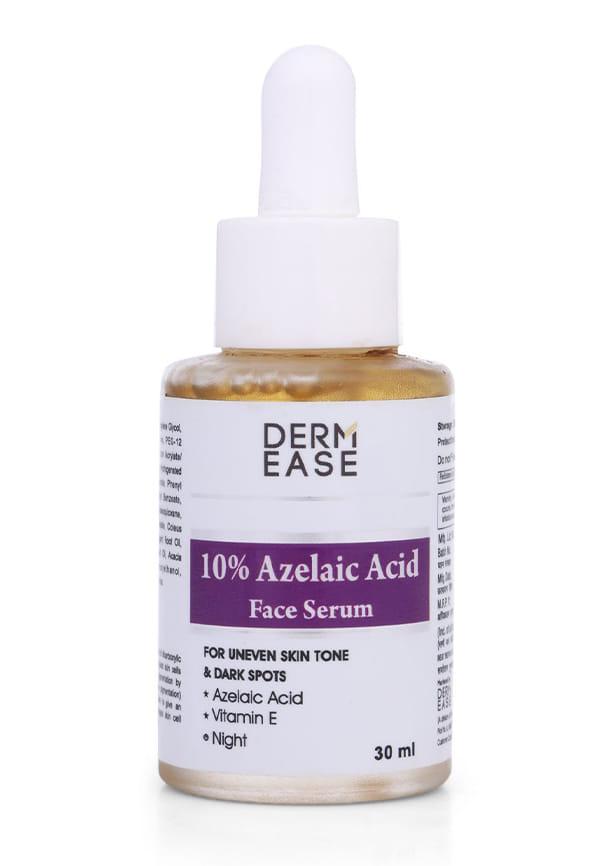
10% AZELAIC ACID FACE SERUM
Both have valuable roles in treating redness. Niacinamide excels for gentle daily prevention and general sensitivity, whilst azelaic acid is superior for active inflammatory conditions like rosacea. Your choice depends on your specific skin concerns and tolerance level.
Yes, azelaic acid is highly effective for reducing facial redness, particularly rosacea-related inflammation. Clinical studies show up to 73% reduction in redness over 15 weeks with consistent use of 15-20% formulations.
Niacinamide typically shows gentle improvement within 2-4 weeks of consistent use, with optimal results appearing at 8-12 weeks. The gradual approach makes it ideal for sensitive skin types.
Both ingredients support long-term rosacea management. Azelaic acid shows stronger clinical evidence for active treatment, whilst niacinamide excels at maintenance and prevention of flare-ups.
Niacinamide is generally well-tolerated by all skin types. Azelaic acid may cause initial tingling, burning, or dryness, especially when first introduced. These effects typically subside as your skin adjusts.
Both are effective for post-acne redness. Niacinamide helps prevent future inflammation and strengthens the skin barrier, whilst azelaic acid can help speed up the fading process through gentle exfoliation and anti-inflammatory action.
The niacinamide vs azelaic acid for redness reduction debate doesn't have to end with choosing just one. Understanding how each ingredient works helps you make informed decisions about what's right for your skin. Niacinamide offers gentle, consistent results perfect for daily use and sensitive skin, whilst azelaic acid provides targeted treatment for inflammatory conditions.
The beauty of modern skincare is that you have options. Whether you choose one ingredient or combine both strategically, consistency is key to seeing results. With Smytten's trial platform, you can explore different formulations from trusted brands like Cetaphil and Dot & Key, discovering what works best for your unique skin needs. After all, why settle for 'maybe' when you can try different approaches and find what truly works for your skin?
