Niacinamide Moisturizers for Skin Barrier Repair: FAQ


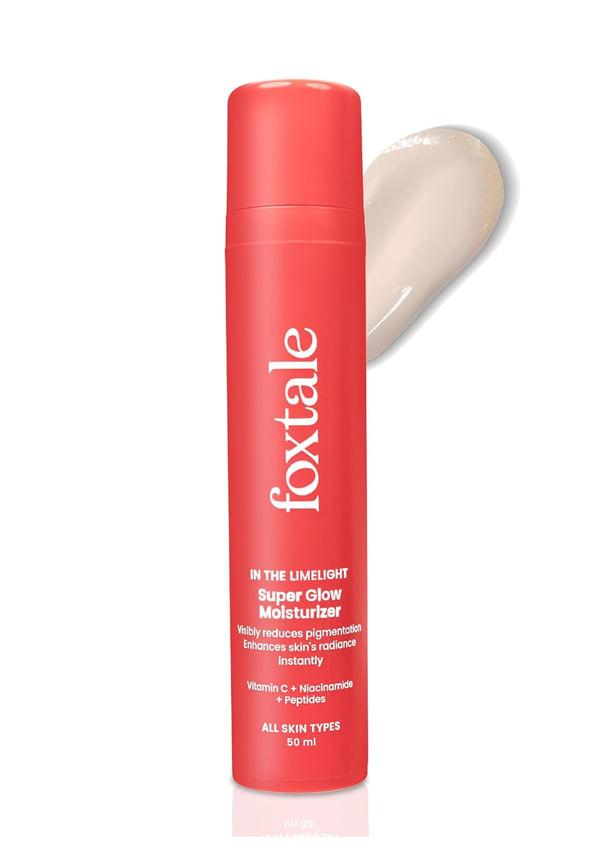
Vitamin C Super Glow Moisturizer with Niacinamide
Your skin feels tight after cleansing, makeup sits patchy, and that expensive serum seems to disappear without a trace. Sound familiar? You might be dealing with a compromised skin barrier – the protective layer that keeps moisture in and irritants out. When this barrier is damaged, even the gentlest products can sting, and your skin never quite feels comfortable. The good news? Niacinamide moisturisers offer a science-backed solution that works with your skin's natural repair processes, not against them.
Think of your skin barrier function as your skin's natural security system. This outermost layer, called the stratum corneum, consists of skin cells held together by lipids – primarily ceramides, cholesterol, and fatty acids. When healthy, this barrier keeps water in and harmful substances out, maintaining that plump, comfortable feeling we all want.
A compromised barrier shows up in ways you'll recognise: persistent dryness despite moisturising, increased sensitivity to products that never bothered you before, and that uncomfortable tight feeling that lingers throughout the day. Environmental factors like harsh weather, over-exfoliation, and even stress can weaken this protective layer, leaving your skin vulnerable and reactive.
The lipid bilayer structure is particularly crucial here. When ceramides and other barrier lipids are depleted, gaps form between skin cells, allowing moisture to escape and irritants to penetrate. This creates a cycle where damaged skin becomes increasingly sensitive and dry, making it harder for products to work effectively.
Niacinamide, also known as vitamin B3, works at a cellular level to rebuild your skin's protective barrier. Research shows that niacinamide benefits for skin include boosting ceramide synthesis – essentially helping your skin produce more of the lipids it needs to stay healthy and hydrated.
The mechanism is fascinating: niacinamide stimulates the production of ceramides, cholesterol, and fatty acids that form the lipid bilayer. This isn't just surface-level hydration – it's actual structural repair. Studies indicate that consistent use can improve barrier function within six days, with continued improvement over weeks of regular application.
Beyond lipid production, niacinamide skin hydration works through improved moisture retention. By strengthening the barrier, less water escapes through transepidermal water loss, meaning your skin stays hydrated longer. The anti-inflammatory properties also help calm irritation that often accompanies barrier damage, creating an environment where healing can occur more effectively.
The Garnier Fresh & Plump Niacinamide Sorbet Moisturizer Cream exemplifies this approach beautifully, combining niacinamide with hydrating ingredients in a lightweight formula that absorbs quickly while delivering intensive barrier support. The sorbet texture feels refreshing on compromised skin without overwhelming it, making it particularly suitable for those dealing with sensitivity alongside barrier damage.
While niacinamide is powerful on its own, certain ingredients for skin barrier repair work synergistically to accelerate healing. Understanding these combinations helps you choose the most effective moisturiser for damaged skin barrier needs.

Ceramides and niacinamide create a perfect partnership for barrier restoration. While niacinamide stimulates your skin's natural ceramide production, topical ceramides provide immediate structural support. This combination addresses both immediate comfort and long-term barrier health, making it ideal for severely compromised skin.
Hyaluronic acid's moisture-binding properties complement niacinamide's barrier-strengthening effects. This pairing is particularly effective for dehydrated skin that's also dealing with barrier damage, providing both immediate plumping and sustained hydration improvement.
For complete lipid barrier restoration, look for formulations that include cholesterol and essential fatty acids alongside niacinamide. This trio mimics your skin's natural lipid composition, supporting comprehensive barrier repair rather than addressing just one component.
Concentration matters significantly with niacinamide. Research suggests 5-10% provides optimal benefits for barrier repair without irritation. Higher concentrations aren't necessarily better and may cause sensitivity, particularly in already compromised skin.
Not all best niacinamide moisturisers are created equal, and your skin type influences which formulation will work best for barrier repair. Understanding these differences helps you select products that support healing rather than hindering it.
For oily skin dealing with barrier damage, lightweight, non-comedogenic formulations prevent pore congestion while delivering barrier support. Gel-creams or sorbet textures often work well, providing hydration without the heavy feeling that can trigger excess oil production.
Dry skin requires richer formulations with occlusive ingredients that prevent moisture loss while niacinamide works on barrier repair. Look for creams containing ingredients like shea butter or squalane alongside niacinamide for comprehensive support.
Niacinamide for sensitive skin requires particular attention to formulation. Fragrance-free options with minimal ingredient lists reduce the risk of additional irritation while your barrier heals. pH-balanced formulations also support the skin's natural acid mantle during the repair process.
Clinical studies reveal impressive data about niacinamide skin hydration benefits. Research published in dermatology journals shows significant improvements in transepidermal water loss – the measurement of how much moisture escapes through your skin – within just one week of consistent niacinamide use.
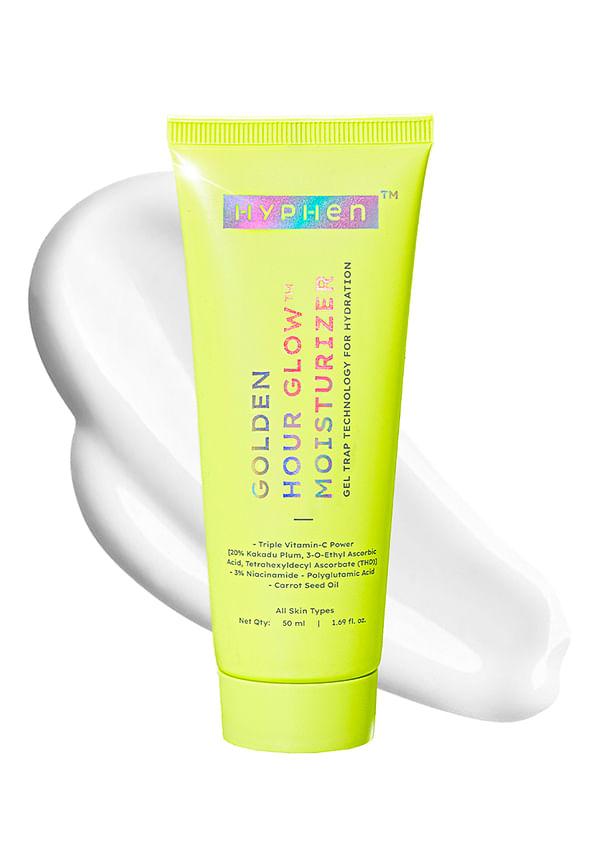
Golden Hour Glow Face Moisturizer | Brighter Skin with Triple Vitamin C & 3% Niacinamide
What makes niacinamide particularly effective is its ability to provide long-term hydration improvement rather than temporary plumping. While ingredients like hyaluronic acid provide immediate moisture, niacinamide's barrier-strengthening effects create lasting hydration by reducing water loss at the source.
The natural repair skin barrier naturally process typically takes 28 days – one complete skin cell turnover cycle. However, niacinamide can accelerate this timeline by supporting the skin's own repair mechanisms rather than simply masking symptoms with temporary hydration.
Yes, niacinamide is one of the most effective ingredients for barrier repair. It works by stimulating ceramide production and reducing inflammation, both crucial for healing compromised skin. Apply a niacinamide moisturiser twice daily to clean skin, and expect to see improvements within 6-14 days of consistent use. The key is patience and consistency – barrier repair is a gradual process.
For pure barrier repair, niacinamide has the edge due to its proven ability to boost ceramide synthesis. Azelaic acid is excellent for addressing acne and pigmentation while being gentle, but niacinamide specifically targets the lipid barrier structure. If you're dealing with both barrier damage and breakouts, you can use both ingredients – just introduce them gradually and monitor your skin's response.
While several ingredients support barrier repair, niacinamide consistently ranks among the top choices due to its multi-faceted approach. Ceramides provide immediate structural support, while niacinamide stimulates long-term barrier improvement. For comprehensive repair, look for products combining niacinamide with ceramides, cholesterol, and fatty acids – this quartet addresses all aspects of barrier function.
The best barrier repair cream contains 5-10% niacinamide alongside barrier-supporting lipids like ceramides and cholesterol. Look for fragrance-free formulations with a pH between 5.5-6.5 to support your skin's natural acid mantle. The texture should suit your skin type – lightweight for oily skin, richer for dry skin – while delivering intensive barrier support without overwhelming compromised skin.
Absolutely. Clinical research demonstrates niacinamide's effectiveness for barrier repair, with studies showing improved barrier function within days of starting use. Users often report reduced sensitivity, better moisture retention, and improved product tolerance. The key is using the right concentration (5-10%) consistently and pairing it with gentle skincare practices while your barrier heals.
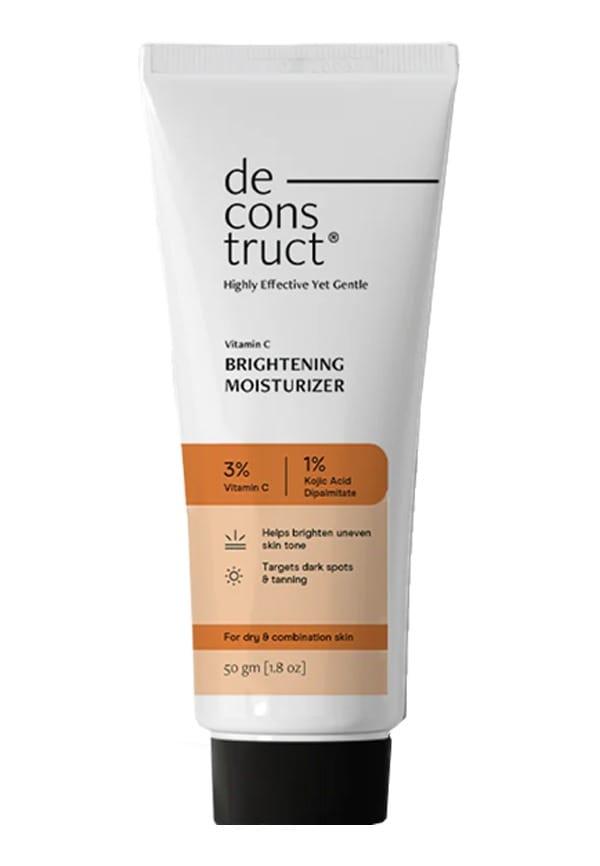
Niacinamide Brightening Moisturizer- 5% Niacinamide + 1% Kojic Acid + 5% Vitamin C + Vitamin E
Proper application technique significantly impacts how effectively niacinamide moisturisers support barrier repair. Your morning routine should focus on protection – apply niacinamide moisturiser to clean skin, followed by SPF to prevent further barrier damage from UV exposure.
Evening routines can be more intensive for barrier repair. After gentle cleansing, apply your niacinamide moisturiser while skin is still slightly damp to enhance absorption. This technique, called "wet skin application," helps lock in additional moisture while the niacinamide works on barrier strengthening overnight.
Layering order matters when using multiple products. Apply niacinamide moisturiser after serums but before heavier creams or facial oils. If you're using other active ingredients, introduce them gradually – compromised barriers are more sensitive to change.
For different skin types, frequency recommendations vary. Sensitive skin may benefit from once-daily application initially, building up to twice daily as tolerance improves. Oily skin can typically handle twice-daily use from the start, while dry skin often benefits from morning and evening application plus an additional layer during particularly dry periods.
Even with the right products, certain habits can sabotage your barrier repair efforts. Over-exfoliation is the biggest culprit – using acids, scrubs, or harsh cleansers while your barrier is compromised only creates more damage. Stick to gentle, non-foaming cleansers during the repair phase.
Mixing incompatible ingredients can also hinder progress. While niacinamide is generally well-tolerated, combining it with high concentrations of vitamin C or retinoids too quickly can overwhelm healing skin. Introduce new products one at a time, allowing your barrier to strengthen before adding complexity.
Inconsistent application undermines niacinamide's cumulative benefits. Barrier repair requires sustained support – using your niacinamide moisturiser sporadically won't provide the consistent ceramide stimulation needed for meaningful improvement.
Expecting immediate results often leads to product-switching before ingredients have time to work. Barrier repair is measured in weeks, not days. Give your niacinamide moisturiser at least four weeks of consistent use before evaluating its effectiveness.
Understanding how niacinamide moisturisers support skin barrier repair empowers you to make informed choices about your skincare routine. The science is clear: niacinamide's ability to boost ceramide production and reduce inflammation makes it one of the most effective ingredients for barrier restoration.
Remember that barrier repair is a process, not an overnight transformation. Consistent use of a well-formulated niacinamide moisturiser, combined with gentle skincare practices, creates the optimal environment for your skin's natural healing processes to work effectively.
The key is finding the right formulation for your skin type and sticking with it long enough to see results. Whether you're dealing with sensitivity, dryness, or general barrier compromise, niacinamide offers a gentle yet effective path to healthier, more resilient skin.
For those exploring new products, Smytten's curated selection includes various niacinamide moisturisers from trusted brands, allowing you to discover what works best for your skin. With over 28 million users finding their perfect products through trials and samples, it's a smart way to test formulations before committing to full-size purchases – particularly important when your skin barrier is in recovery mode.
