Niacinamide for Oily Skin FAQ: Your Questions Answered


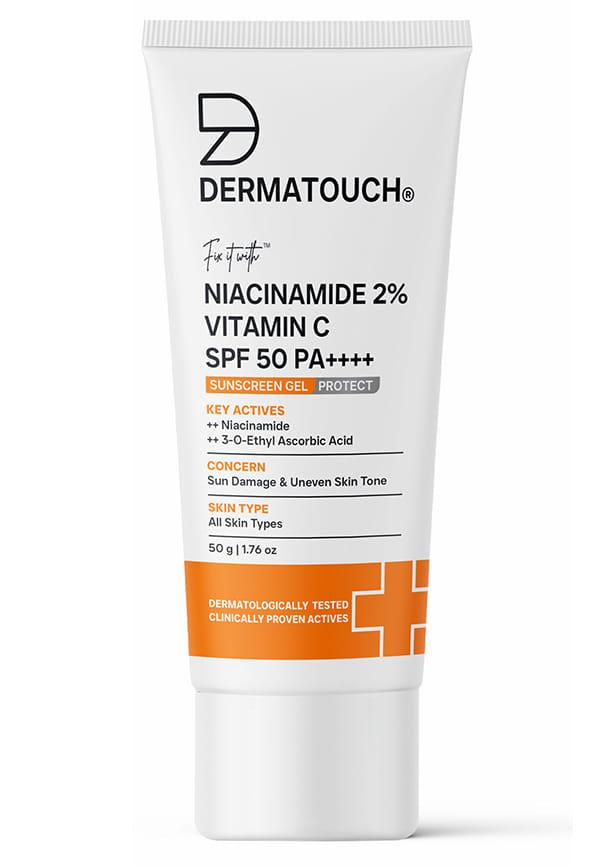
Niacinamide 2% Vitamin C Sunscreen for glowing skin, SPF 50+ PA ++++
If you've ever stared at your reflection by midday wondering how your face became an oil slick despite your morning skincare routine, you're not alone. Oily skin affects nearly 40% of adults, and the constant battle against shine, enlarged pores, and breakouts can feel exhausting. Enter niacinamide — a gentle yet powerful ingredient that's been quietly revolutionising skincare for oily skin. This vitamin B3 derivative doesn't just temporarily mattify your complexion; it actually works at the cellular level to regulate oil production and improve your skin's overall health. Whether you're dealing with persistent shine, clogged pores, or that frustrating cycle of over-cleansing that only makes oiliness worse, understanding how niacinamide helps with oily skin could be the game-changer your routine needs.
Before diving into the specifics of oil control, let's understand what makes niacinamide such a standout ingredient. Also known as vitamin B3 for skin, niacinamide is a water-soluble vitamin that plays a crucial role in cellular energy production and DNA repair. Unlike its cousin niacin (nicotinic acid), which can cause flushing and irritation, niacinamide is remarkably gentle and well-tolerated by most skin types.
What sets niacinamide apart from other skincare ingredients is its ability to work on multiple skin concerns simultaneously. It's a precursor to NAD+ (nicotinamide adenine dinucleotide), a coenzyme essential for cellular metabolism. This means it literally helps your skin cells function more efficiently, leading to improved barrier function, better moisture retention, and enhanced repair processes.
Here's where things get interesting for those with oily skin. How niacinamide helps with oily skin comes down to its ability to regulate sebaceous gland activity. Clinical studies have shown that niacinamide can reduce sebum production by up to 20% when used consistently over 8-12 weeks. It works by inhibiting the transfer of lipids within sebaceous glands and reducing the size of sebocytes (the cells that produce oil). Additionally, niacinamide helps normalise the skin's natural exfoliation process, preventing dead skin cells from mixing with excess oil and clogging pores. Most people begin to notice improvements in skin oil control within 2-4 weeks of consistent use, with optimal results typically appearing after 8-12 weeks.
The beauty of niacinamide lies in its multifaceted approach to skin health. Rather than simply absorbing oil or stripping the skin, it addresses the root causes of oily skin concerns whilst supporting overall skin function.
The most significant niacinamide benefits for skin include its proven ability to regulate sebum production without causing the rebound oiliness that often occurs with harsh, drying treatments. Research published in the Journal of Cosmetic and Laser Therapy found that 2% niacinamide significantly reduced sebum excretion rates after just 2-4 weeks of use. Beyond oil control, niacinamide helps minimise the appearance of enlarged pores — a common concern for those with oily skin. It does this by improving skin elasticity and reducing the buildup of debris within pores.
What makes niacinamide particularly valuable for oily skin is its anti-inflammatory properties. Many people with oily skin also struggle with acne, redness, and irritation, and niacinamide addresses these concerns simultaneously. It helps calm inflammation, reduce post-acne marks, and strengthen the skin barrier — preventing the cycle of over-cleansing and irritation that can actually worsen oil production. The Garnier Fresh & Plump Niacinamide Sorbet Moisturiser Cream exemplifies how niacinamide can be formulated into lightweight, hydrating products that provide oil control whilst maintaining essential moisture levels, proving that oily skin still needs proper hydration to function optimally.
Multiple peer-reviewed studies support niacinamide's efficacy for oily skin. A 2006 study in the International Journal of Dermatology demonstrated that 4% niacinamide gel significantly reduced sebum production and improved skin texture over 8 weeks. Another study found that niacinamide was as effective as clindamycin (a prescription antibiotic) for treating acne, but with fewer side effects. These findings position niacinamide as both an effective and gentle option for long-term oil production skincare management.

The short answer is yes — niacinamide is suitable for virtually all skin types, including sensitive and oily skin. However, understanding whether it's right for your specific skin concerns can help you set realistic expectations and achieve better results.
Niacinamide for oily skin works particularly well for those who experience persistent shine, enlarged pores, and frequent breakouts. It's especially beneficial if you've found that traditional oil-control products leave your skin feeling tight, dry, or irritated. People with combination skin often see excellent results, as niacinamide can help balance oil production in the T-zone whilst supporting the drier areas of the face. If you're dealing with post-acne marks or uneven skin tone alongside oiliness, niacinamide's brightening properties make it an excellent choice.
Whilst niacinamide is generally well-tolerated, some people may experience initial flushing or mild irritation, particularly when starting with higher concentrations. If you have extremely sensitive skin or conditions like rosacea, it's worth patch-testing first and starting with lower concentrations. Pregnant and breastfeeding women can safely use niacinamide, as it's not absorbed systemically in significant amounts. However, if you're using prescription retinoids or other active treatments, consult with a dermatologist about the best way to incorporate niacinamide into your routine.
One of the most common questions about niacinamide is which concentration to choose. The answer depends on your skin's tolerance, experience with active ingredients, and specific concerns.
Research shows that niacinamide's benefits plateau at around 5%, meaning higher concentrations don't necessarily provide better results. A 2% concentration can be effective for mild oil control and general skin health, whilst 5% is considered the sweet spot for addressing moderate oily skin concerns. Concentrations of 10% or higher may provide additional anti-inflammatory benefits but can also increase the risk of irritation without significantly improving oil control. For most people wondering whether niacinamide 10 or 5 better for oily skin, the 5% concentration offers the best balance of efficacy and tolerability.
If you're new to niacinamide, starting with 2-5% allows your skin to adjust gradually. Those with sensitive skin should begin with 2%, whilst people with resilient, oily skin can often start with 5%. Signs that you've found your optimal concentration include reduced oiliness without irritation, improved skin texture, and a healthy glow rather than excessive dryness or redness.
Foxtale Niacinamide Clarifying Serum is a solid starting point for this journey — lightweight, fast-absorbing, and formulated to clarify blemishes, minimise pores, and even skin tone without any heaviness or residue. It integrates cleanly into any routine, which makes it particularly useful while you're still figuring out what works for your skin.
Getting the most from niacinamide requires understanding not just when to apply it, but how to layer it with other products for optimal results.
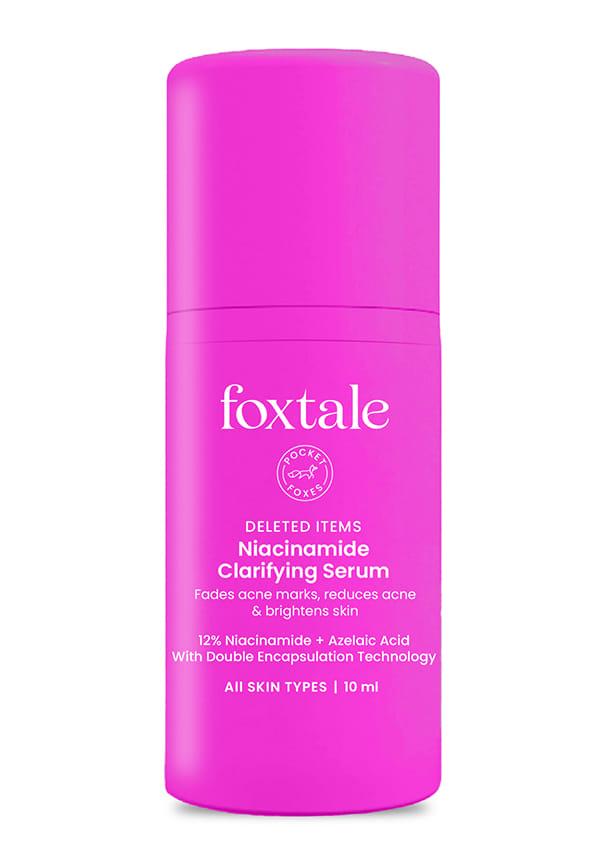
Niacinamide Clarifying Serum
The best serum for oily skin application involves applying niacinamide to clean, slightly damp skin. This enhances absorption and helps the ingredient penetrate more effectively. You can use niacinamide both morning and evening — it's photostable and won't increase sun sensitivity. In the morning, apply it after cleansing but before SPF. In the evening, use it after cleansing and before heavier treatments like retinol or moisturiser.
Understanding how to control oily skin with niacinamide means creating a balanced routine that supports rather than strips your skin. Start with a gentle, non-foaming cleanser to avoid over-drying. Follow with niacinamide serum, then a lightweight, oil-free moisturiser. Niacinamide pairs beautifully with hyaluronic acid for hydration, salicylic acid for additional pore-clearing benefits, and vitamin C for antioxidant protection. Avoid mixing niacinamide with very acidic products (pH below 3.5) as this can convert it to niacin and cause flushing.
Consistency is key with niacinamide — sporadic use won't deliver the oil-regulating benefits you're seeking. Use it daily for at least 8-12 weeks to see optimal results. Support your oil production skincare routine with adequate hydration, a balanced diet rich in omega-3 fatty acids, and stress management, as hormonal fluctuations can impact oil production regardless of your skincare routine.
Knowing what to look for can help you stay motivated during the initial weeks when changes might be subtle.
Week 1-2: You might notice your skin feels calmer and less reactive. Any initial flushing should subside as your skin adjusts. Week 3-4: Oil production begins to normalise, and you may notice your makeup staying put longer or needing fewer blotting papers throughout the day. Month 2-3: Pores appear smaller, skin texture improves, and the overall balance of your complexion becomes more stable.
Look for reduced midday shine, particularly in your T-zone. Your skin should feel balanced rather than tight or greasy. Breakouts may become less frequent and heal faster. The overall appearance of your pores should improve, and your skin tone may become more even as niacinamide's brightening effects take hold.
Absolutely. Niacinamide is particularly beneficial for very oily skin as it helps regulate sebum production at the source rather than just temporarily absorbing excess oil. Start with a 5% concentration and use it consistently for best results.

5% Niacinamide & VIT C water-light Sunscreen gel SPF 50 Pa++++For Oily Skin,2X Glow
Unlike exfoliating acids or retinoids, niacinamide doesn't typically cause purging. If you experience breakouts when starting niacinamide, it's more likely due to a sensitivity or reaction to other ingredients in the product formula.
Yes, niacinamide is one of the most compatible active ingredients. It works well with vitamin C, hyaluronic acid, salicylic acid, and even retinol. However, avoid mixing it with very acidic products (pH below 3.5) in the same application.
Most people notice initial improvements in skin texture and reduced reactivity within 2-3 weeks. Significant oil control typically becomes apparent after 4-6 weeks of consistent use, with optimal results at 8-12 weeks.
For most people, 10% niacinamide can be used daily if tolerated well. However, concentrations above 5% don't provide significantly better oil control and may increase the risk of irritation. Start with 5% and only increase if needed.
Yes, niacinamide serums typically absorb quickly and create an excellent base for makeup. Many people find their makeup lasts longer when using niacinamide regularly due to improved oil control.
You can use niacinamide both morning and evening. It's photostable and won't increase sun sensitivity. Many people prefer morning application for all-day oil control, but twice-daily use can provide enhanced benefits.
Yes, niacinamide can help minimise the appearance of enlarged pores by improving skin elasticity and reducing the buildup of oil and debris within pores. Results typically become noticeable after 6-8 weeks of consistent use.
Understanding how niacinamide helps with oily skin opens up a gentler, more sustainable approach to oil control. Unlike harsh treatments that can disrupt your skin barrier and trigger rebound oiliness, niacinamide works with your skin's natural processes to create lasting balance. The key niacinamide benefits for skin extend far beyond oil control — from reducing inflammation and minimising pores to improving overall skin texture and tone.
Remember that skincare is deeply personal, and what works for others might need adjusting for your unique skin. Start slowly, be consistent, and give your skin time to adapt. With patience and the right approach, niacinamide can become a cornerstone of effective skincare for oily skin that actually supports rather than fights your skin's natural functions.
If you're curious about trying niacinamide but want to test how your skin responds before committing to a full-size product, Smytten offers trial-sized versions from various trusted brands. This approach lets you discover which formulation works best for your skin whilst earning cashback for future purchases — a smart way to build your ideal routine without the guesswork.
