Niacinamide FAQ: Your Skincare Routine Questions Answered


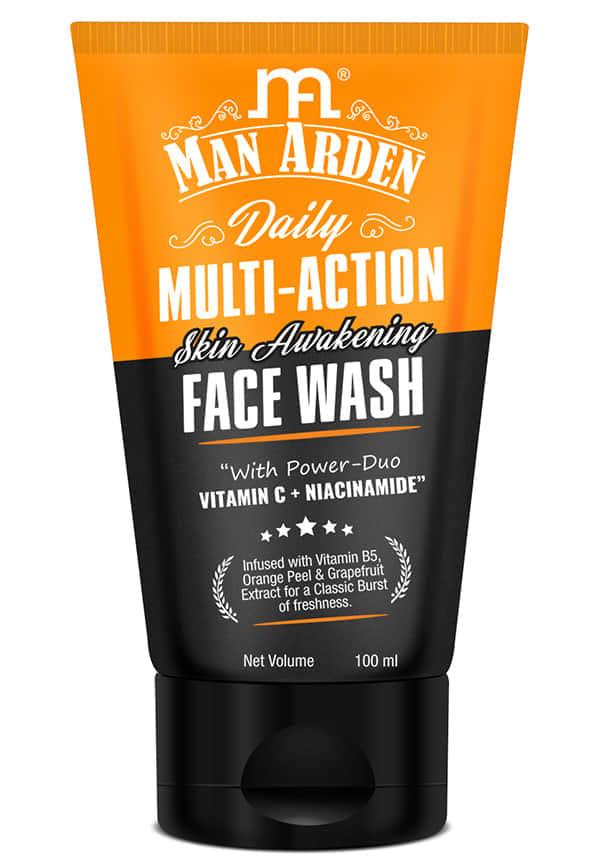
Vitamin C Daily Multi-Action Skin Awakening & Brightening Face Wash Vitamin C + Niacinamide
You've heard about niacinamide everywhere—from skincare influencers to dermatologists—but figuring out exactly how to use niacinamide in your skincare routine can feel overwhelming. Is it a morning ingredient or evening one? Can you really mix it with vitamin C? And what about all those different concentrations? If you're staring at a niacinamide serum wondering where it fits into your routine, you're not alone. Let's sort through the most common questions about this powerhouse ingredient so you can use it with confidence.
Niacinamide, also known as nicotinamide or vitamin B3, is one of those rare skincare ingredients that works well for almost everyone. Unlike some actives that can be temperamental, niacinamide is remarkably gentle whilst delivering real results. It's a water-soluble vitamin that your skin can easily absorb and put to work immediately.
The niacinamide benefits for skin are impressive and well-researched. It helps regulate sebum production, which is why it's particularly brilliant for niacinamide for oily skin. It also strengthens your skin barrier, reduces the appearance of pores, and helps fade post-inflammatory hyperpigmentation—those stubborn marks left behind after breakouts. Plus, it has anti-inflammatory properties that can calm irritated skin and reduce redness.
What makes niacinamide special is how it works at the cellular level. It boosts the production of ceramides and other lipids that keep your skin barrier healthy, whilst also inhibiting the transfer of melanin to skin cells, which helps with brightening. Dermatologists love recommending it because it's suitable for sensitive skin, doesn't cause photosensitivity, and plays well with other ingredients.
Understanding the proper skincare routine order is crucial for getting the most out of your niacinamide. The golden rule is to apply products from thinnest to thickest consistency, and niacinamide serums typically fall right after your cleanser and toner but before heavier treatments and moisturiser.
Here's exactly how to layer niacinamide in your routine: Start with a clean face, apply your toner if you use one, then apply 2-3 drops of your niacinamide serum to your entire face and neck. Gently pat it in and wait about 30 seconds before applying your next product. Follow with any other serums (remembering the thin-to-thick rule), then your moisturiser and SPF if it's morning.
You can use niacinamide both morning and evening, making it incredibly versatile. Many people prefer using it in the morning because it works beautifully under SPF and makeup, helping to control oil throughout the day. However, using it at night allows it to work alongside your skin's natural repair processes.
If you're new to niacinamide, start with every other day for the first week, then gradually increase to daily use. Most people can tolerate it immediately, but it's always wise to introduce new ingredients slowly. Look for concentrations between 2-5% when starting out—higher isn't always better with niacinamide.
The question "can I use niacinamide and vitamin C together?" has caused so much confusion in the skincare world. The short answer is yes, absolutely. The old myth about these ingredients cancelling each other out has been thoroughly debunked by dermatologists and cosmetic chemists.
In fact, niacinamide and vitamin C work beautifully together. Vitamin C is a powerful antioxidant that brightens skin and stimulates collagen production, whilst niacinamide strengthens your skin barrier and reduces inflammation. Together, they create a comprehensive approach to skin health that addresses multiple concerns simultaneously.
For layering, apply vitamin C first (it's typically more acidic and benefits from direct contact with clean skin), wait a few minutes, then apply your niacinamide serum. If you're using them in the same routine, morning application works well since vitamin C provides antioxidant protection throughout the day.

Organic Niacin (Vitamin B3)
Some people prefer alternating these ingredients—vitamin C in the morning and niacinamide at night—especially if they're using higher concentrations or have sensitive skin. There's no wrong way to do it, so experiment and see what your skin prefers.
One of the best things about niacinamide is how well it plays with other ingredients. Hyaluronic acid and niacinamide are a match made in skincare heaven—the hyaluronic acid provides intense hydration whilst niacinamide strengthens your skin barrier to help lock that moisture in.
Peptides and ceramides also work wonderfully with niacinamide. These ingredients all support skin barrier function and can be layered together without any concerns. The same goes for gentle ingredients like squalane and glycerin.
When it comes to actives like retinol or AHA/BHA acids, niacinamide can actually be helpful. Its anti-inflammatory properties can buffer some of the irritation these stronger actives might cause. However, if you're new to actives, introduce them one at a time and consider using them on alternating nights initially.
The only real "don't" with niacinamide is mixing it with very high pH products immediately, though this rarely comes up in typical skincare routines. Most modern formulations are pH-balanced to work well together.
Niacinamide for acne is particularly effective because it addresses multiple factors that contribute to breakouts. It regulates sebum production, reducing the oiliness that can clog pores, whilst its anti-inflammatory properties help calm existing breakouts and prevent new ones from forming.
For those dealing with oily skin, niacinamide is like a gentle oil-control system that works from within. Unlike harsh mattifying products that can strip your skin and trigger more oil production, niacinamide helps normalise your skin's oil production over time. You'll notice your T-zone staying less greasy throughout the day, and your makeup lasting longer.
The anti-ageing benefits of niacinamide are often overlooked, but they're significant. It stimulates collagen production, which helps with fine lines and skin texture. It also improves skin elasticity and can help with the appearance of enlarged pores—something that becomes more noticeable as we age.
For hyperpigmentation and dark spots, niacinamide works by inhibiting the transfer of melanin to skin cells. This means it can help fade existing dark spots whilst preventing new ones from forming. It's gentler than some other brightening ingredients, making it suitable for sensitive skin.
When shopping for niacinamide products, concentration is key. Most dermatologists recommend starting with 2-5% niacinamide, which is effective without being overwhelming. Higher concentrations (10% and above) aren't necessarily better and can sometimes cause irritation, especially for sensitive skin.
Serums are the most popular format because they're concentrated and easy to layer, but you'll also find niacinamide in moisturisers, toners, and even cleansers. The Garnier Fresh & Plump Niacinamide Sorbet Moisturiser Cream is a brilliant example of how niacinamide can be incorporated into your moisturising step, combining the pore-refining benefits of niacinamide with intense hydration in a lightweight, gel-cream texture that's perfect for daily use.

Look for products that list niacinamide (or nicotinamide) high up in the ingredients list, and avoid formulations with lots of potential irritants if you have sensitive skin. Simple, well-formulated products often work better than complex ones with dozens of ingredients.
Budget-friendly options can be just as effective as premium ones—niacinamide is a relatively inexpensive ingredient to formulate with. Focus on the concentration and the overall formulation rather than the price tag.
Niacinamide side effects are rare, but they can happen. The most common issue is mild irritation, which usually presents as redness, stinging, or slight breakouts when you first start using it. This often resolves within a week or two as your skin adjusts.
True allergic reactions to niacinamide are uncommon but possible. Signs include persistent redness, swelling, or a rash that doesn't improve after stopping use. If you experience these symptoms, discontinue use and consider patch testing future products.
Some people experience what they think is "purging" with niacinamide, but this ingredient doesn't typically cause purging since it doesn't increase cell turnover. If you're breaking out after starting niacinamide, it's more likely a reaction to the product or another ingredient in the formulation.
If you're experiencing irritation, try reducing the frequency of use or switching to a lower concentration. Sometimes the issue isn't the niacinamide itself but other ingredients in the product or using too many actives at once.
Apply niacinamide after cleansing and toning but before heavier serums and moisturiser. Use 2-3 drops on clean skin, pat gently, and wait 30 seconds before applying your next product. It works well both morning and evening.
Niacinamide can be used morning, evening, or both. Many people prefer morning use because it helps control oil under makeup and SPF. Evening use allows it to work with your skin's natural repair processes overnight.
Yes, most people can use niacinamide daily once their skin has adjusted. Start with every other day for the first week, then gradually increase to daily use. It's gentle enough for twice-daily application if your skin tolerates it well.
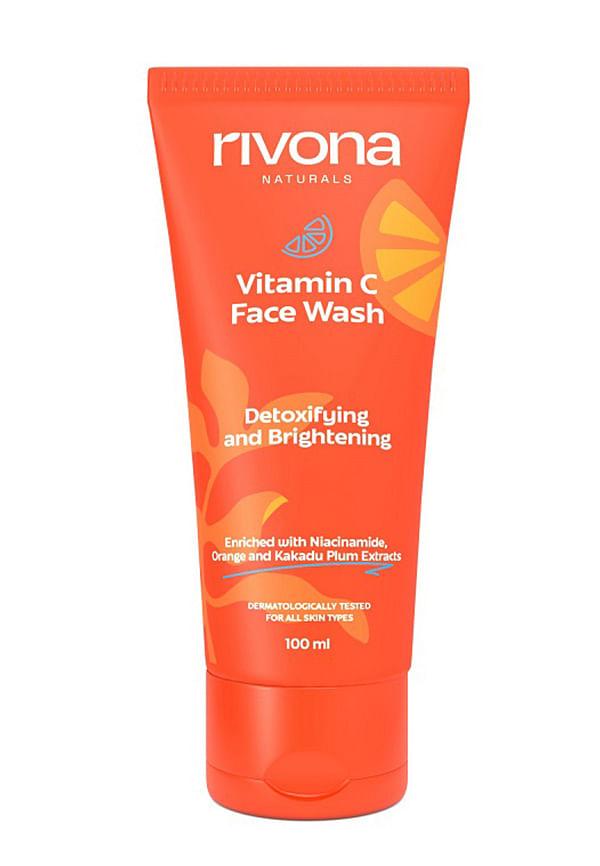
Vitamin-C Facewash with Niacinamide for Deep Cleanse
You might notice oil control improvements within a few days, but significant changes in pore appearance and skin texture typically take 4-8 weeks of consistent use. For hyperpigmentation, allow 8-12 weeks to see noticeable fading.
Both work well, but morning use is popular because niacinamide helps control oil throughout the day and works beautifully under SPF and makeup. Choose based on your routine preferences and skin needs.
Absolutely. Niacinamide is one of the most beginner-friendly active ingredients. It's gentle, doesn't cause photosensitivity, and works well with other products. Start with a 2-5% concentration and introduce it gradually.
Begin with 2-5% niacinamide. This concentration is effective for most skin concerns without being overwhelming. You can always increase the concentration later if needed, but many people find 5% perfectly adequate.
Yes, niacinamide can help minimise the appearance of enlarged pores by regulating oil production and improving skin texture. Consistent use over 6-8 weeks typically shows the best results for pore appearance.
Niacinamide truly is one of those rare skincare ingredients that delivers on its promises whilst being gentle enough for almost everyone. Whether you're dealing with oily skin, acne, enlarged pores, or just want to strengthen your skin barrier, incorporating niacinamide into your routine is a smart choice.
Remember, consistency is key with any skincare ingredient. Give niacinamide at least 6-8 weeks of regular use to see its full benefits, and don't be afraid to experiment with different concentrations and formulations to find what works best for your skin.
The beauty of shopping on platforms like Smytten is that you can explore different niacinamide products from trusted brands without committing to full sizes immediately. With over 2,400 brands available and the option to try minis before investing in full-size products, you can find your perfect niacinamide match whilst earning cashback for future purchases. It's a smart way to build your ideal routine without the guesswork.
