Niacinamide FAQ: What It Is & What It Does for Skin



10% Niacinamide & Green Tea Serum
Ever wondered why niacinamide keeps popping up in every skincare conversation? Whether you're dealing with stubborn breakouts, uneven skin tone, or that post-summer dullness, this gentle yet powerful ingredient might just be the answer you've been searching for. Unlike some actives that demand careful introduction, vitamin B3 works beautifully with most skin types, making it a brilliant starting point for anyone curious about ingredient-led skincare. Real talk: understanding what niacinamide actually does for your skin can transform how you approach your routine.
Niacinamide is a form of vitamin B3 that your skin absolutely adores. Also known as nicotinamide, it's a water-soluble vitamin that works at the cellular level to support your skin's natural functions. Think of it as a multitasker that doesn't overwhelm—it quietly gets on with strengthening your skin barrier, regulating oil production, and calming inflammation all at once.
When applied topically, niacinamide converts into NAD+ (nicotinamide adenine dinucleotide), a coenzyme that's essential for cellular energy production and repair. This process helps your skin cells function more efficiently, leading to improved barrier function and better overall skin health.
Vitamin B3 comes in several forms, but niacinamide is the gentlest for topical use. Unlike niacin (nicotinic acid), which can cause flushing and irritation, niacinamide delivers all the benefits without the drama. This makes it suitable for sensitive skin types who might struggle with other actives.
Dermatologists love recommending niacinamide because it's incredibly well-tolerated and works across different skin concerns. Whether you're 18 and dealing with hormonal acne or 35 and noticing the first signs of ageing, this ingredient adapts to what your skin needs most.
The beauty of niacinamide lies in its versatility. Here's what this powerhouse ingredient can do for your skin, backed by solid research and countless success stories.
Niacinamide increases ceramide production, which helps strengthen your skin barrier. A stronger barrier means less water loss and better protection against environmental stressors. Perfect for those dealing with AC-induced dryness or post-winter skin recovery.
If you're tired of that midday shine, niacinamide can help regulate sebum production without over-drying your skin. Studies show it can reduce oil production by up to 30%, leading to visibly smaller-looking pores over time.
One of the most celebrated niacinamide benefits is its ability to fade hyperpigmentation. It works by inhibiting melanin transfer to skin cells, helping to even out those stubborn dark spots from old breakouts or sun exposure.

Niacinamide has anti-inflammatory properties that make it brilliant for calming redness and irritation. Whether it's post-gym congestion or sensitivity from trying new products, this ingredient helps restore balance.
Research shows that niacinamide can stimulate collagen production, helping to smooth fine lines and improve skin elasticity. It's a gentler alternative to retinol for those just starting their anti-ageing journey.
As an antioxidant, niacinamide helps protect your skin from free radical damage caused by pollution and UV exposure. Think of it as an extra layer of defence for city-dwelling skin.
Regular use of niacinamide leads to smoother, more radiant skin. It helps with cell turnover and can give you that healthy glow that makes people ask about your skincare routine.
Understanding how niacinamide works for different skin types and concerns can help you decide if it's worth adding to your routine. Here's how it tackles specific issues that many of us face.
Niacinamide for acne works by reducing inflammation and regulating oil production—two key factors in breakout formation. It's particularly effective for hormonal acne, helping to calm those deep, painful spots that seem to appear overnight.
If you're constantly blotting away excess oil, niacinamide can help rebalance your skin's oil production. It doesn't strip your skin like harsh cleansers might, instead working to normalise sebum levels naturally.
For dry skin types, niacinamide works by strengthening the skin barrier and improving moisture retention. The Garnier Fresh & Plump Niacinamide Sorbet Moisturiser Cream combines this powerhouse ingredient with hydrating sorbet technology, delivering both immediate moisture and long-term barrier support. This type of formulation is perfect for those who want the benefits of niacinamide without any potential dryness, as the moisturiser base ensures your skin stays plump and comfortable throughout the day.
When it comes to fading dark spots, niacinamide is remarkably effective yet gentle. It works gradually to even out skin tone without the irritation that stronger actives might cause, making it perfect for consistent daily use.
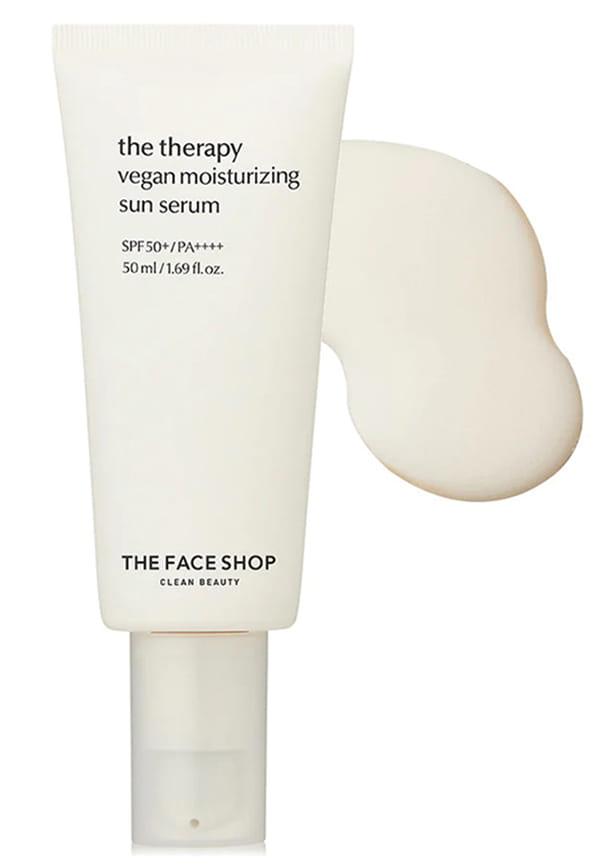
Niacinamide, UVA/B Protection Serum Sunscreen SPF 50+ PA++++
Great Sunscreen
 5
5“the sunscreen is good and it is also non sticky”
Excellent Sunscreen Serum
5“the best serum sunscreen ever.”
Unlike many actives, niacinamide is well-tolerated by sensitive skin types. Its anti-inflammatory properties actually help calm sensitivity rather than exacerbate it, making it an excellent choice for reactive skin.
Getting the most from niacinamide is all about understanding the right concentration and application method for your skin. Here's how to incorporate it effectively into your routine.
The ideal niacinamide dosage varies by skin type and concern. Beginners should start with 2-5% concentrations, whilst experienced users might benefit from 10%. Higher isn't always better—many people see excellent results with 5% formulations.
A niacinamide serum should be applied to clean skin before heavier creams. Use 2-3 drops and gently pat into skin, allowing it to absorb before applying your next product. The lightweight texture makes it perfect for layering.
Niacinamide plays well with most ingredients. It can be safely combined with hyaluronic acid, peptides, and even vitamin C (despite old myths suggesting otherwise). The key is introducing products gradually.
You can use niacinamide both morning and night, but many people prefer morning application for its oil-controlling benefits throughout the day. If you're using other actives at night, morning niacinamide can provide balance.
Whilst niacinamide is generally well-tolerated, understanding potential side effects helps you use it safely and effectively.
The most common niacinamide side effects include mild irritation or flushing, usually from using too high a concentration too quickly. Starting with lower percentages and gradually increasing helps minimise these issues.
Very few people need to avoid niacinamide entirely, but those with known sensitivities to vitamin B3 should patch test first. If you experience persistent irritation, discontinue use and consult a dermatologist.
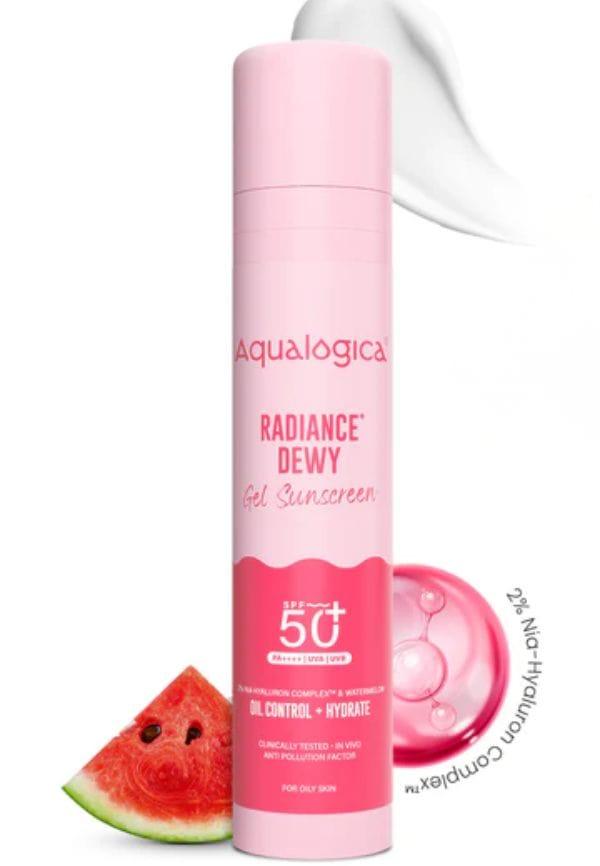
Radiance+ Dewy Sunscreen SPF 50 PA+++ | With Watermelon & Niacinamide
Good Sunscreen, Gives Protection
5“very good sunscreen gives protection”
Great Sunscreen
5“I love this sunscreen this is very good”
Good & Effective Sunscreen
5“very good sunscreen and effective product”
Always patch test new niacinamide products on your inner arm before applying to your face. Start with every other day application, gradually increasing to daily use as your skin adjusts.
Watch for persistent redness, stinging, or increased breakouts. These might indicate sensitivity or that you're using too high a concentration for your current skin condition.
Daily niacinamide use is generally safe and beneficial for most skin types. You'll likely see improvements in skin texture, oil control, and overall radiance with consistent use. Start gradually and increase frequency as your skin adapts.
Niacinamide is excellent for regulating oil production, strengthening the skin barrier, fading dark spots, reducing inflammation, and improving overall skin texture. It's particularly beneficial for acne-prone, oily, or sensitive skin types.
Most people notice initial improvements in skin texture and oil control within 2-4 weeks of consistent use. For significant changes in hyperpigmentation or fine lines, expect 8-12 weeks of regular application.
Niacinamide doesn't typically cause purging since it doesn't increase cell turnover like AHAs or retinoids. If you experience breakouts, it's more likely due to sensitivity or other ingredients in the formulation.
Niacinamide is considered safe during pregnancy and breastfeeding. It's actually a gentler alternative to retinoids for expectant mothers who want to maintain their skincare routine safely.
The best product type depends on your routine and preferences. Niacinamide serums offer higher concentrations and targeted treatment, whilst moisturisers provide hydration alongside the benefits. Toners offer gentle, daily introduction to the ingredient.
Niacinamide truly deserves its reputation as one of skincare's most reliable ingredients. Whether you're dealing with oily skin, acne, signs of ageing, or simply want to strengthen your skin barrier, this gentle yet effective vitamin B3 derivative offers real results without the drama of harsher actives.
The beauty of niacinamide lies in its versatility and tolerance across different skin types. From regulating oil production to fading dark spots and calming inflammation, it addresses multiple concerns simultaneously. Your skin will notice the difference with consistent use, and the best part is that it works beautifully alongside other ingredients in your routine.
If you're curious about incorporating niacinamide into your routine but want to test how your skin responds first, platforms like Smytten offer an excellent way to explore different formulations from trusted brands. With over 28 million users discovering their perfect products through trial sizes, you can find the right niacinamide product for your skin without committing to full sizes immediately. After all, why settle for guessing when you can discover what truly works for your unique skin?
