Niacinamide and Vitamin C in Face Cream: Your FAQ Answered


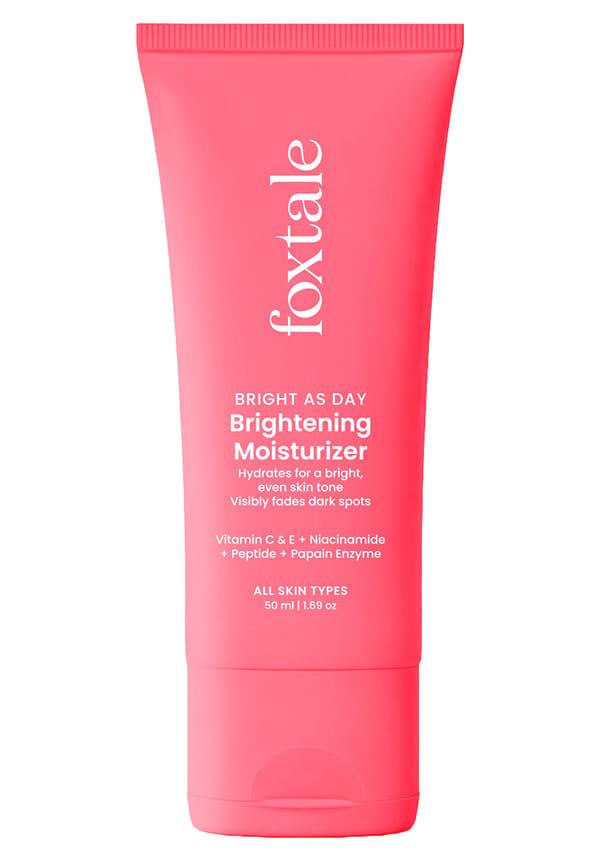
Brightening Moisturiser with Vitamin C & Niacinamide
You've probably heard conflicting advice about mixing niacinamide and vitamin C in your skincare routine. One influencer swears they're incompatible, whilst another claims they're the perfect power couple. If you're standing in front of your bathroom mirror, holding two different products and wondering whether you can actually use them together, you're not alone. The good news? Modern skincare science has some reassuring answers that might surprise you.
Let's address the elephant in the room: can niacinamide and vitamin C be combined in a face cream? The short answer is yes, absolutely. The longer answer involves understanding why this myth persisted for so long and what changed in recent years.
The original concern about niacinamide vitamin C interaction stemmed from older research suggesting that these ingredients could neutralise each other when combined. Early studies indicated that vitamin C (particularly ascorbic acid) might convert niacinamide into nicotinic acid, potentially causing flushing and irritation. However, this reaction was observed under very specific laboratory conditions that don't reflect real-world skincare use.
Recent dermatological research from 2020 onwards has thoroughly debunked this myth. Studies published in the Journal of Cosmetic Dermatology demonstrate that when formulated properly, these ingredients work synergistically rather than against each other. The key lies in modern formulation techniques that stabilise both ingredients and maintain optimal pH levels.
Dr. Patricia Wexler, a renowned dermatologist, explains that the original studies used concentrations and conditions far removed from typical skincare products. In properly formulated face creams, the pH is carefully balanced, and stabilised forms of vitamin C are used to prevent any unwanted interactions.
Before diving into how these ingredients work together, it's worth understanding what each brings to your skincare routine. Both niacinamide benefits for skin and vitamin C benefits for skin are well-documented, making their combination particularly appealing for addressing multiple skin concerns simultaneously.
Niacinamide is often called the multitasker of skincare ingredients, and for good reason. This water-soluble vitamin works on multiple levels to improve skin health and appearance.
For those dealing with enlarged pores and excess oil production, niacinamide helps regulate sebum production without over-drying the skin. It's particularly effective for combination skin types where you might experience oiliness in the T-zone but dryness elsewhere. The ingredient also has impressive anti-inflammatory properties, making it suitable for sensitive skin and those prone to redness or irritation.
One of niacinamide's standout benefits is its ability to strengthen the skin barrier. A compromised barrier often leads to increased sensitivity, dehydration, and premature ageing. By supporting barrier function, niacinamide helps your skin retain moisture more effectively and defend against environmental stressors.
Vitamin C is perhaps best known for its brightening properties, but its benefits extend far beyond achieving a glowing complexion. As a potent antioxidant, vitamin C neutralises free radicals that contribute to premature ageing and environmental damage.
The ingredient stimulates collagen synthesis, which is crucial for maintaining skin firmness and elasticity. This makes it particularly valuable for those concerned about fine lines, wrinkles, or loss of skin bounce. Regular use can help maintain a more youthful appearance over time.
For hyperpigmentation concerns, vitamin C works by inhibiting melanin production, helping to fade dark spots and even out skin tone. Whether you're dealing with post-inflammatory hyperpigmentation from breakouts or sun damage, vitamin C can be a valuable ally in achieving more uniform skin.
Understanding skincare ingredient compatibility goes beyond knowing which ingredients can be mixed—it's about optimising their application for maximum benefit. The order and timing of application can significantly impact how well these ingredients perform.
For morning routines, the general rule is to apply products from thinnest to thickest consistency. If you're using separate vitamin C serum with niacinamide moisturiser, start with your vitamin C serum on clean skin. Vitamin C works exceptionally well in the morning because it provides antioxidant protection against environmental stressors you'll encounter throughout the day.
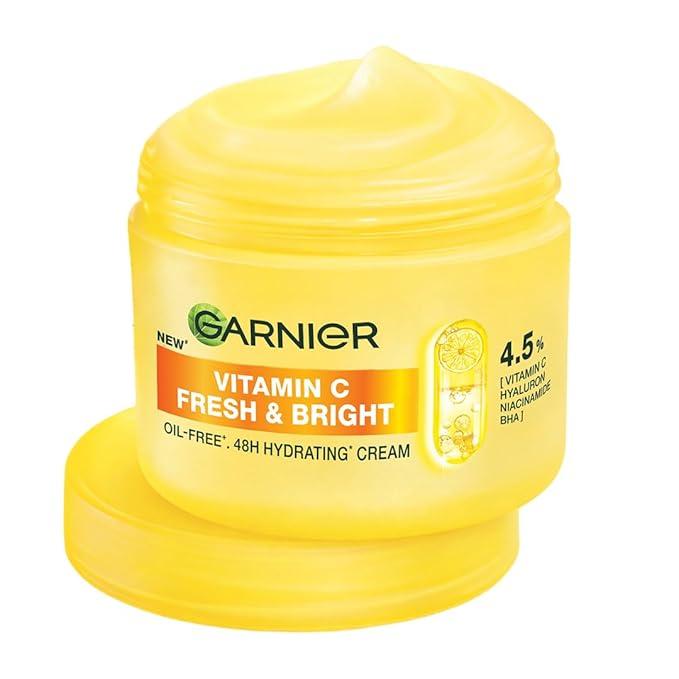
After allowing your vitamin C serum to absorb for about 10-15 minutes, follow with your niacinamide-containing moisturiser. This layering approach ensures each ingredient can penetrate effectively without interference. The Garnier Fresh & Bright Vitamin C Sorbet Moisturiser is an excellent example of how vitamin C can be beautifully incorporated into a lightweight, daily moisturiser that works well over serums whilst providing its own brightening benefits.
Always finish your morning routine with broad-spectrum SPF. This step is non-negotiable when using vitamin C, as the ingredient can increase photosensitivity in some individuals.
Evening routines offer more flexibility for niacinamide and vitamin C routine combinations. Some people prefer to use both ingredients at night, particularly if they have sensitive skin that might react to vitamin C during sun exposure.
If you're using both in the evening, maintain the same thin-to-thick application order. However, you might want to alternate nights if you're introducing these ingredients for the first time or if you're using higher concentrations.
When shopping for products that combine these powerhouse ingredients, understanding face cream ingredients and their optimal concentrations can help you make informed choices. Not all formulations are created equal, and knowing what to look for ensures you get the most benefit from your investment.
Look for niacinamide concentrations between 5-10% and vitamin C concentrations between 10-20%. These ranges provide therapeutic benefits without unnecessary irritation. Higher isn't always better in skincare—optimal concentrations depend on your skin's tolerance and the specific formulation.
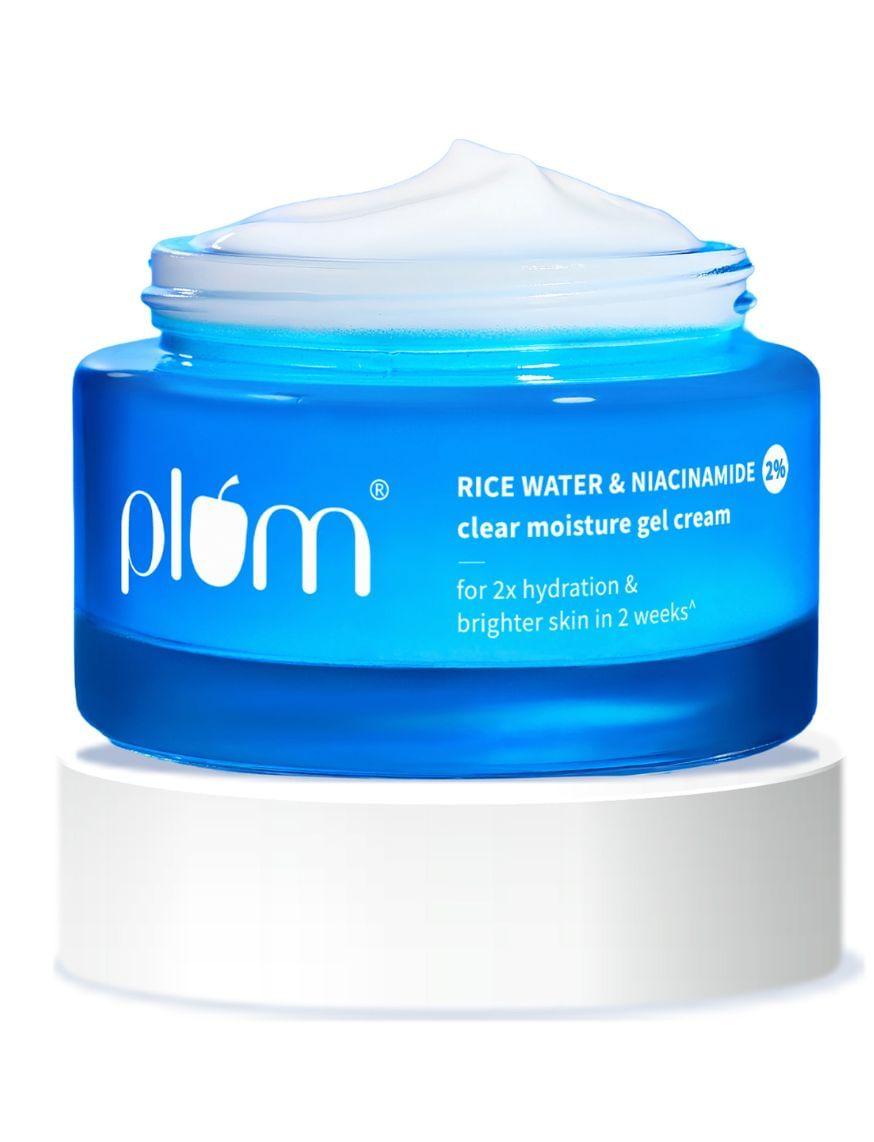
2% Niacinamide & Rice Water Brightening Gel Moisturizer
Pay attention to the form of vitamin C used in the product. Ascorbic acid is the most potent form but also the most unstable. Stabilised forms like magnesium ascorbyl phosphate or sodium ascorbyl phosphate are gentler and more stable, making them ideal for combination products.
Supporting ingredients can enhance the compatibility and effectiveness of niacinamide and vitamin C combinations. Look for formulations that include hyaluronic acid for hydration, ceramides for barrier support, or vitamin E to stabilise vitamin C.
Once you're comfortable with basic niacinamide and vitamin C combinations, you might wonder about incorporating additional ingredients. The beauty of modern skincare is that many best skincare combinations can work together when properly formulated and applied.
Adding hyaluronic acid to your niacinamide and vitamin C routine creates a powerful trio that addresses multiple skin concerns simultaneously. Hyaluronic acid provides intense hydration, niacinamide regulates oil production and strengthens the barrier, whilst vitamin C brightens and protects.
This combination is particularly effective for those dealing with dehydrated skin that's also prone to congestion or dullness. The hydrating properties of hyaluronic acid can help counteract any potential drying effects from vitamin C, whilst niacinamide ensures your skin barrier remains strong and healthy.
Whilst niacinamide and vitamin C play well together, some ingredients require more careful consideration. Strong acids like glycolic acid or salicylic acid might be too much when combined with vitamin C, particularly for sensitive skin types.
Retinol is another ingredient that requires thoughtful integration. Rather than using retinol with vitamin C and niacinamide simultaneously, consider alternating nights or using retinol in your evening routine whilst keeping vitamin C and niacinamide for morning application.
Yes, this is actually one of the most beneficial skincare combinations you can use. These three ingredients complement each other beautifully—vitamin C provides antioxidant protection and brightening, niacinamide regulates oil production and strengthens the skin barrier, whilst hyaluronic acid delivers deep hydration. Apply them in order of consistency, from thinnest to thickest, allowing each to absorb before applying the next.
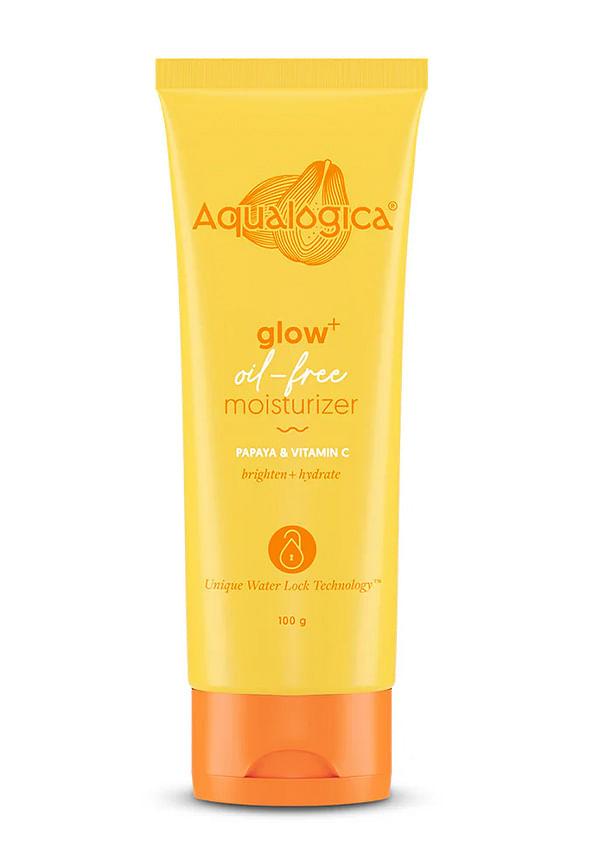
Glow+ Oil free Moisturiser, with Papaya and Vitamin C
Generally, apply vitamin C first, especially if you're using a vitamin C serum followed by a niacinamide moisturiser. Serums have a thinner consistency and should be applied before creams or moisturisers. If both products have similar consistencies, vitamin C typically goes first as it benefits from direct contact with clean skin for optimal absorption.
Both ingredients offer brightening benefits, but they work differently. Vitamin C directly inhibits melanin production and provides immediate radiance, making it excellent for overall brightness and glow. Niacinamide works more gradually to even skin tone and reduce the appearance of dark spots. For maximum brightening benefits, using both together is more effective than choosing one over the other.
Absolutely. Many people prefer using both niacinamide and vitamin C in their evening routine, particularly if they have sensitive skin or are concerned about vitamin C's potential photosensitising effects. Evening application allows these ingredients to work whilst your skin undergoes its natural repair process during sleep.
Niacinamide is generally well-tolerated with most ingredients. However, be cautious when combining it with strong acids like glycolic acid or high concentrations of vitamin C (above 20%) if you have sensitive skin. Some people may experience irritation when using niacinamide with certain essential oils or fragranced products. Always patch test new combinations.
Successfully incorporating combining skincare ingredients into your routine requires patience and attention to how your skin responds. Start slowly, especially if you're new to active ingredients or have sensitive skin.
Begin with lower concentrations and gradually increase as your skin builds tolerance. A 5% niacinamide serum and 10% vitamin C product are excellent starting points. You can always move to higher concentrations once your skin adapts.
Pay attention to your skin's signals. Mild tingling with vitamin C is normal initially, but persistent irritation, redness, or breakouts suggest you need to adjust your routine. This might mean reducing frequency, lowering concentrations, or ensuring you're not over-exfoliating with other products.
Consistency matters more than perfection. It's better to use these ingredients regularly at lower concentrations than sporadically at higher ones. Most people see noticeable improvements after 6-8 weeks of consistent use.
The myth that niacinamide and vitamin C can't be used together has been thoroughly debunked by modern skincare science. These ingredients not only coexist peacefully but actually enhance each other's benefits when properly formulated and applied.
Whether you choose separate products or opt for formulations that combine both ingredients, the key is understanding your skin's needs and responding accordingly. Start slowly, be consistent, and don't be afraid to adjust your routine based on how your skin responds.
For those curious about trying new formulations before committing to full-size products, platforms like Smytten offer an excellent way to test different combinations and brands. With access to trial sizes from over 2,400 trusted brands and the ability to earn cashback on purchases, you can explore various niacinamide and vitamin C products to find what works best for your unique skin needs. After all, the best skincare routine is the one you'll actually stick to—and finding products you love makes that commitment much easier.
