Niacinamide and Vitamin C FAQ: Combining Skincare Powerhouses


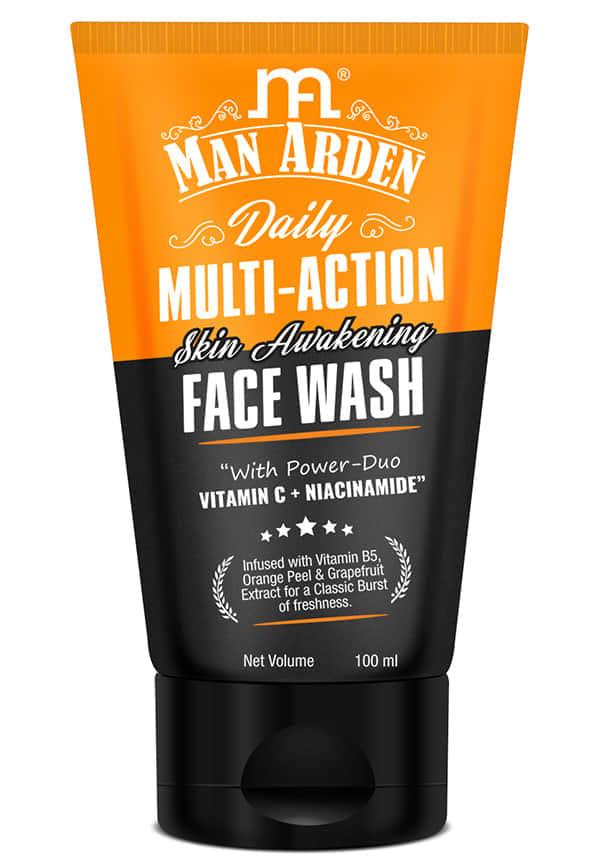
Vitamin C Daily Multi-Action Skin Awakening & Brightening Face Wash Vitamin C + Niacinamide
You've probably heard conflicting advice about mixing niacinamide and vitamin C in your skincare routine. One influencer swears by layering them together, whilst another warns they'll cancel each other out. If you're staring at your bathroom shelf wondering whether can niacinamide be used with vitamin C safely, you're not alone. This confusion stems from outdated research that's been thoroughly debunked, yet the myth persists. The truth? These two powerhouse ingredients actually work beautifully together when you know how to use them properly. Let's clear up the confusion once and for all.
For years, skincare enthusiasts avoided combining niacinamide and vitamin C based on a single 1960s study that suggested they might react poorly together. This research claimed that niacinamide could convert vitamin C into a compound that caused skin flushing. However, modern dermatological research has completely overturned this outdated theory.
The original concern centred around pH levels and potential chemical reactions between the two ingredients. Scientists worried that niacinamide's neutral pH might interfere with vitamin C's acidic environment, rendering both ingredients less effective. The "flushing" theory suggested that combining them would create niacin, which could cause temporary redness and irritation. However, contemporary studies have shown that this reaction simply doesn't occur in properly formulated skincare products.
Recent dermatological research confirms that niacinamide and vitamin C are not only compatible but can actually enhance each other's benefits. A 2023 study published in the Journal of Cosmetic Dermatology found that participants using both ingredients together showed significantly improved skin brightness and texture compared to those using either ingredient alone. Dermatologists now routinely recommend this combination for addressing multiple skin concerns simultaneously.
Understanding how each ingredient functions helps explain why they make such an effective partnership. Both target different aspects of skin health, creating a comprehensive approach to common concerns like dullness, uneven tone, and signs of ageing.
Niacinamide, also known as vitamin B3, is a multitasking ingredient that addresses several skin concerns simultaneously. It regulates sebum production, making it particularly effective for oily and combination skin types. The ingredient strengthens your skin's natural barrier, helping to lock in moisture whilst keeping irritants out. Niacinamide for acne works by reducing inflammation and minimising the appearance of pores. Additionally, it helps fade post-inflammatory hyperpigmentation, those stubborn dark spots that linger after breakouts heal.
Vitamin C functions primarily as an antioxidant, protecting your skin from environmental damage caused by pollution, UV rays, and free radicals. It's particularly renowned for its brightening properties, as it inhibits melanin production and helps fade existing dark spots. Vitamin C for hyperpigmentation works by interfering with the enzyme tyrosinase, which is responsible for melanin synthesis. The ingredient also stimulates collagen production, helping to maintain skin firmness and reduce fine lines over time.
When used together, these skincare ingredients for glowing skin create a powerful synergy. Vitamin C provides immediate antioxidant protection and brightening effects, whilst niacinamide works to strengthen the skin barrier and reduce inflammation. This combination is particularly effective for those dealing with both acne and hyperpigmentation, as it addresses active breakouts whilst preventing and fading dark spots simultaneously.

Proper application technique makes all the difference when combining niacinamide and vitamin C. There are several effective methods, and the best approach depends on your skin type, sensitivity level, and the specific products you're using.
The most straightforward approach involves applying vitamin C first, followed by niacinamide after a brief waiting period. Start with freshly cleansed skin and apply your vitamin C serum evenly across your face and neck. Wait 10-15 minutes to allow complete absorption before applying your niacinamide serum. This timing ensures each ingredient can penetrate effectively without interference. For sensitive skin, you might extend the waiting period to 20 minutes or start with lower concentrations of both ingredients.
If you prefer to keep things simple or have particularly reactive skin, consider using these ingredients at different times of day. Create a vitamin C skincare routine by applying it in the morning for antioxidant protection against daily environmental stressors. Reserve niacinamide for evening application when your skin is in repair mode. This approach eliminates any concerns about ingredient interaction whilst still providing the benefits of both.
Many brands now offer formulations that include both ingredients in a single product. A vitamin C serum with niacinamide eliminates guesswork about layering and timing. When choosing combination products, look for stable vitamin C forms like magnesium ascorbyl phosphate or sodium ascorbyl phosphate, which are less likely to degrade when combined with other ingredients. For those looking to explore different formulations, the Garnier Vitamin C + Serum Face Wash offers a gentle way to incorporate vitamin C into your routine whilst cleansing. This innovative cleanser combines the brightening benefits of vitamin C with the convenience of your daily cleansing step, making it easier to maintain consistency in your skincare routine.
Once you've mastered the basic combination, you might wonder about incorporating additional active ingredients. The key is understanding how different ingredients interact and building your routine gradually to avoid overwhelming your skin.
Hyaluronic acid pairs beautifully with both vitamin C and niacinamide, as it's primarily a hydrating ingredient rather than an active treatment. Apply vitamin C first, followed by niacinamide, then finish with hyaluronic acid to lock in moisture. This combination is particularly effective for those with dehydrated skin who also want to address pigmentation and texture concerns.
Retinol requires more careful consideration when building a routine with vitamin C and niacinamide. The safest approach is alternating nights: use vitamin C and niacinamide together on some evenings, and retinol on others. Niacinamide actually helps buffer retinol's potential irritation, making it an excellent companion for those building tolerance to vitamin A derivatives.
Whilst vitamin C and niacinamide play well together, some ingredients should be used separately. Avoid combining vitamin C with benzoyl peroxide, as this can reduce vitamin C's effectiveness. Similarly, direct acids like glycolic acid or salicylic acid are best used at different times from vitamin C to prevent potential irritation.
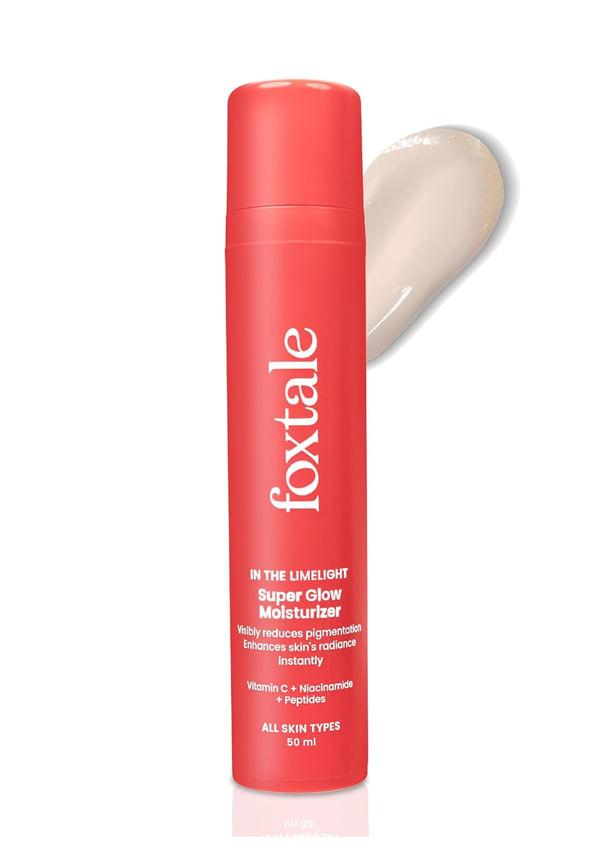
Vitamin C Super Glow Moisturizer with Niacinamide
Building an effective routine requires considering your skin type, concerns, and lifestyle. The goal is creating a sustainable routine that you'll actually follow consistently, as regularity matters more than perfection.
Start with a gentle cleanser, then apply vitamin C serum to clean, dry skin. Wait 10-15 minutes before applying niacinamide. Follow with a lightweight moisturiser and broad-spectrum SPF. This morning routine provides antioxidant protection whilst addressing pigmentation and pore concerns throughout the day.
Evening routines can be more elaborate since you're not rushing to apply sunscreen. After cleansing, you might use a gentle exfoliant 2-3 times weekly, followed by your vitamin C and niacinamide combination. Finish with a more nourishing night moisturiser to support overnight skin repair.
If you're new to either ingredient, start slowly to gauge your skin's tolerance. Begin with lower concentrations (5-10% vitamin C, 2-5% niacinamide) and use them every other day initially. Gradually increase frequency as your skin adapts, watching for any signs of irritation like redness, stinging, or increased sensitivity.
Whilst these ingredients work beautifully together, understanding their individual strengths helps you prioritise based on your primary skin concerns. Sometimes one ingredient might be more suitable than the other for specific issues.
Both ingredients address pigmentation, but through different mechanisms. Vitamin C prevents new melanin formation whilst helping to fade existing spots through its antioxidant action. Niacinamide works particularly well on post-inflammatory hyperpigmentation from acne. For comprehensive pigmentation treatment, using both provides the most effective approach.
Niacinamide serum benefits shine particularly bright for oily and acne-prone skin types. It regulates oil production, reduces inflammation, and minimises pore appearance. Vitamin C provides additional antibacterial benefits whilst protecting against environmental stressors that can worsen acne. This combination is particularly effective for those dealing with hormonal breakouts and subsequent dark spots.
For those focused on preventing and addressing signs of ageing, vitamin C's collagen-boosting properties make it essential. Niacinamide supports this by strengthening the skin barrier and improving overall skin texture. Together, they create a comprehensive anti-ageing approach that addresses both prevention and repair.
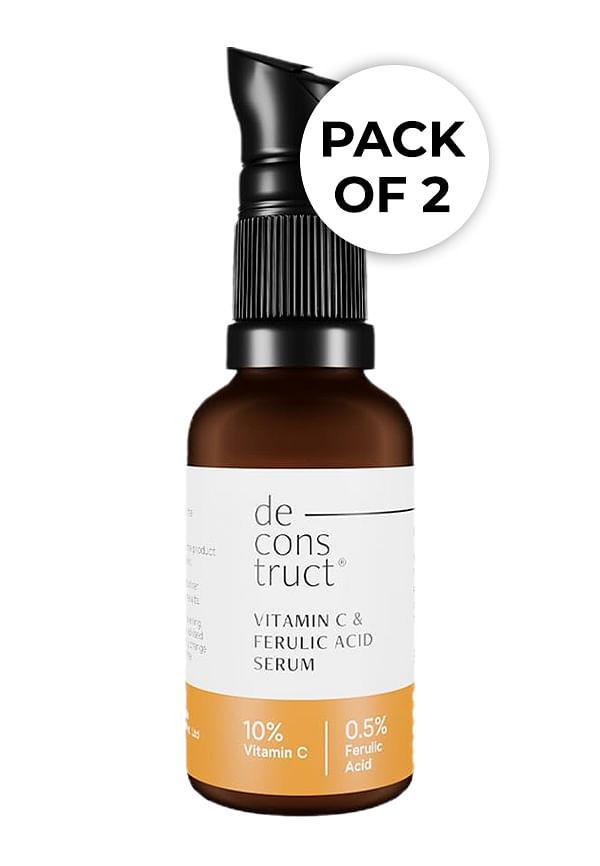
Vitamin C & Ferulic Acid Serum (Pack Of 2)
Yes, modern research confirms that niacinamide and vitamin C are completely safe to use together. The old concerns about ingredient incompatibility have been thoroughly debunked by contemporary dermatological studies. When properly formulated and applied correctly, these ingredients actually enhance each other's benefits.
Apply vitamin C first, as it typically has a lower pH and benefits from direct contact with clean skin. Wait 10-15 minutes for complete absorption before applying niacinamide. This layering order ensures optimal penetration and effectiveness of both ingredients.
Absolutely. Whilst vitamin C is often recommended for morning use due to its antioxidant protection, it's equally effective in evening routines. Night application allows for longer contact time without sun exposure concerns, making it ideal for those with sensitive skin.
Wait 10-15 minutes between applications to allow each ingredient to absorb fully. This timing prevents dilution and ensures each ingredient can work effectively. If you have sensitive skin, extending this to 20 minutes can help minimise any potential irritation.
Avoid using benzoyl peroxide directly with vitamin C, as it can reduce effectiveness. Strong acids like glycolic acid are best used at different times to prevent over-exfoliation. Retinol can be used with niacinamide but consider alternating nights when first introducing these ingredients together.
Yes, this is an excellent combination. Hyaluronic acid is a hydrating ingredient that doesn't interfere with active ingredients. Apply vitamin C first, followed by niacinamide, then finish with hyaluronic acid to lock in moisture and enhance the benefits of both actives.
Both ingredients brighten skin through different mechanisms. Vitamin C provides more dramatic brightening effects by inhibiting melanin production and providing antioxidant protection. Niacinamide offers gentler brightening whilst improving overall skin texture and barrier function. Using both together provides comprehensive brightening benefits.
The combination of niacinamide and vitamin C represents one of skincare's most effective partnerships. These ingredients complement each other beautifully, addressing multiple skin concerns from acne and hyperpigmentation to signs of ageing and environmental damage. The key to success lies in proper application technique, starting slowly, and choosing quality formulations from trusted brands. Smytten's curated selection includes premium vitamin C and niacinamide products from leading skincare brands, with over 28 million users trusting the platform for their skincare discoveries. Whether you're looking for individual serums or combination formulations, you'll find options suited to every skin type and concern. The platform's cashback system makes it easier to experiment with different brands and formulations until you find your perfect match. Remember, skincare is highly individual, and what works for others might need adjustment for your unique skin needs. Start with lower concentrations, introduce ingredients gradually, and always listen to your skin's response. With patience and consistency, this powerful duo can help you achieve the healthy, glowing complexion you're working towards. Your skin will notice the difference, and you'll wonder why you waited so long to try this winning combination.
