Niacinamide and Vitamin C FAQ: Combining Skincare Ingredients


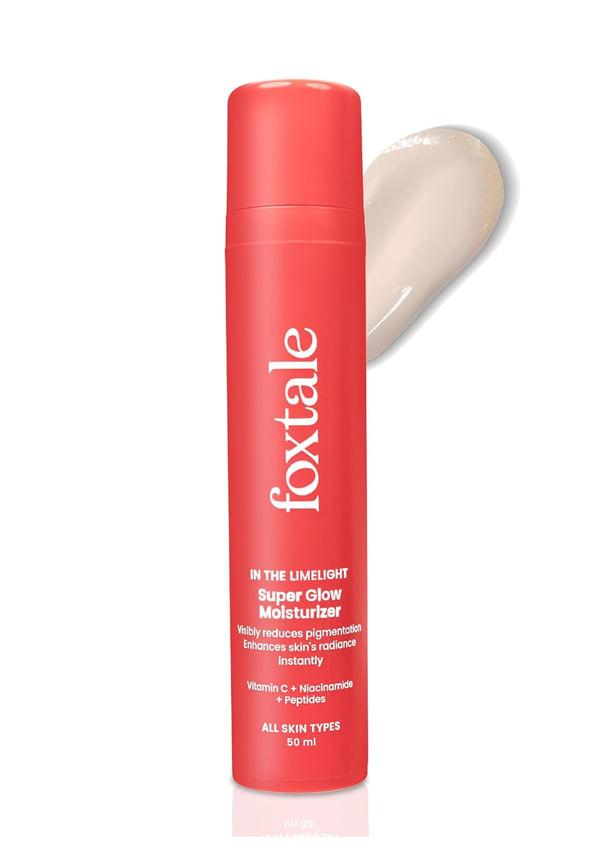
Vitamin C Super Glow Moisturizer with Niacinamide
Product is super fast
 5
5“i love the product. it is super fast”
Awesome Super Glow with Smooth Texture
5“Awesome and super glow with smooth texture”
Awesome Super Glow with Smooth Texture
5“Awesome and super glow with smooth texture”
You've probably scrolled past countless skincare posts claiming that niacinamide and vitamin C can't be used together. Maybe you've even avoided combining them, worried about irritation or reduced effectiveness. Here's the thing: that old advice is outdated. Modern skincare science has moved well beyond the pH panic of the early 2000s, and dermatologists now understand that these two powerhouse ingredients can actually work beautifully together. If you're curious about why people combine niacinamide and vitamin C, you're about to discover one of skincare's most effective partnerships.
The myth that kept niacinamide and vitamin C apart for years stemmed from early research suggesting that niacinamide could convert vitamin C into niacin, potentially causing flushing. However, recent studies have debunked this concern entirely. The conversion only occurs under very specific laboratory conditions that simply don't exist on your skin.
Modern formulations have solved the stability issues that once plagued these ingredients. Today's vitamin C serums often use stabilised forms like magnesium ascorbyl phosphate or sodium ascorbyl phosphate, which play much more nicely with niacinamide. The pH levels in well-formulated products are carefully balanced to ensure both ingredients remain active and effective.
What's particularly exciting is that research now shows these ingredients can actually enhance each other's benefits. Vitamin C works as a potent antioxidant whilst niacinamide strengthens your skin barrier, creating a comprehensive approach to skin health that neither ingredient could achieve alone.
The shift in professional opinion has been remarkable. Dermatologists who once recommended keeping these ingredients separate now actively encourage their combined use. Clinical studies published in 2024 and 2025 have consistently shown that people using both ingredients together see faster improvements in hyperpigmentation, skin texture, and overall radiance compared to using either ingredient alone.
Social media has also played a role in spreading awareness, but thankfully, the science backs up the hype. When skincare enthusiasts share their glowing results from combining these ingredients, they're not just following a trend—they're experiencing real, measurable benefits.
When you use niacinamide and vitamin C together, you're essentially giving your skin a comprehensive treatment that addresses multiple concerns simultaneously. Think of it as having two specialists working on your skin rather than just one.
Vitamin C is renowned for its role in collagen synthesis, helping to maintain skin firmness and reduce the appearance of fine lines. Meanwhile, niacinamide works to improve skin elasticity and smooth texture. Together, they create a more comprehensive anti-aging approach than either ingredient could provide individually.
The Garnier Fresh & Plump Niacinamide Sorbet Moisturizer Cream exemplifies how modern formulations can successfully combine multiple beneficial ingredients. This lightweight moisturiser delivers niacinamide's pore-refining benefits whilst providing the hydration boost that helps vitamin C work more effectively, making it an excellent addition to routines that feature both ingredients.
This is where the combination truly shines. Vitamin C inhibits melanin production, helping to prevent new dark spots from forming. Niacinamide reduces inflammation that can trigger hyperpigmentation whilst also helping to fade existing dark spots. The result? Faster, more even skin tone improvement than you'd see with either ingredient alone.
Many users report seeing noticeable brightening within 4-6 weeks of consistent use, compared to the 8-12 weeks typically needed when using these ingredients separately.
Vitamin C provides powerful antioxidant protection against environmental damage, whilst niacinamide strengthens your skin's natural barrier function. This dual approach means your skin is both protected from future damage and better equipped to repair existing concerns.
The barrier-strengthening effects of niacinamide also help your skin retain the vitamin C more effectively, creating a positive feedback loop that maximises both ingredients' benefits.

Getting the layering right is crucial for maximising the benefits of both ingredients. The good news is that once you understand the basic principles, it becomes second nature.
Most dermatologists recommend using vitamin C in the morning for its antioxidant protection, followed by niacinamide. This timing allows vitamin C to shield your skin from environmental stressors throughout the day whilst niacinamide helps control oil production and minimise pores.
If you prefer evening application, that works too. Some people find their skin more receptive to active ingredients at night, and you'll still get excellent results. The key is consistency rather than perfect timing.
Apply vitamin C first, then niacinamide. This order follows the general skincare rule of applying products from thinnest to thickest consistency. Most vitamin C serums have a slightly lower pH, so applying them first ensures optimal absorption.
Wait about 10-15 minutes between applications. This gives the vitamin C time to absorb properly and prevents any potential interaction between the products' different pH levels.
Start with lower concentrations if you're new to either ingredient. A 10-15% vitamin C serum paired with 5% niacinamide is perfect for beginners. You can gradually increase concentrations as your skin builds tolerance.
Look for vitamin C products that use stabilised forms like ascorbyl glucoside or magnesium ascorbyl phosphate. These are less likely to cause irritation and work more harmoniously with niacinamide.
Understanding how to combine niacinamide and vitamin C with other ingredients can help you build a more comprehensive routine without overwhelming your skin.
Hyaluronic acid pairs beautifully with both ingredients, providing the hydration boost that helps them work more effectively. Apply it after your niacinamide for maximum moisture retention.
Peptides also work well in combination routines. They complement the anti-aging benefits of vitamin C whilst supporting the barrier-strengthening effects of niacinamide.
Always finish with SPF during the day. Vitamin C can make your skin slightly more photosensitive, so sun protection is non-negotiable.
Be cautious with AHAs and BHAs in the same routine. While not impossible to combine, these acids can increase sensitivity when used with vitamin C. If you want to use them, alternate days or use acids in the evening and your vitamin C/niacinamide combination in the morning.
Retinol requires similar caution. Many people successfully use retinol at night and their vitamin C/niacinamide combination in the morning, but introducing all these ingredients at once can overwhelm sensitive skin.
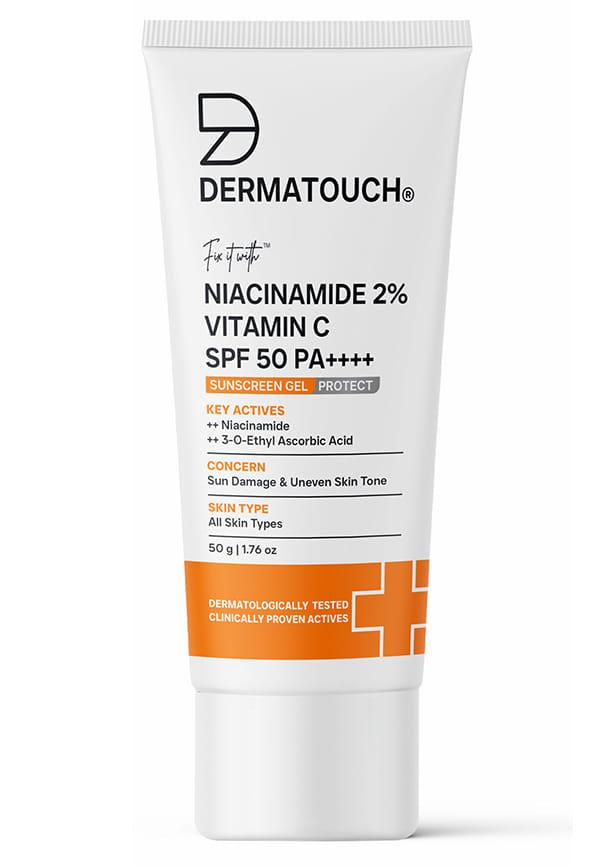
Niacinamide 2% Vitamin C Sunscreen for glowing skin, SPF 50+ PA ++++
Getting the most from your niacinamide and vitamin C combination requires more than just proper layering. These expert tips can help you avoid common pitfalls and maximise results.
Always patch test new products, especially when combining active ingredients. Apply a small amount to your inner arm and wait 24-48 hours to check for any reaction.
Introduce one ingredient at a time. Start with niacinamide for a week, then add vitamin C. This approach helps you identify which product might be causing any irritation and allows your skin to adjust gradually.
Build up slowly. Begin with every other day application, then increase to daily use as your skin adapts. Some people need several weeks to build full tolerance.
Oily skin often tolerates higher concentrations and more frequent application. If you have naturally oily skin, you might be able to use both ingredients twice daily from the start.
Dry or sensitive skin benefits from lower concentrations and more hydrating formulations. Look for vitamin C in cream form rather than pure serum, and choose niacinamide products that include moisturising ingredients.
During summer, you might want to reduce concentration slightly as increased sun exposure can make skin more reactive. In winter, the combination can help combat dullness and dehydration from heating systems.
Even with the best intentions, it's easy to make mistakes when combining active ingredients. Understanding common pitfalls can help you avoid them.
If you're not seeing results after 6-8 weeks, check your product storage. Vitamin C is notoriously unstable and loses potency when exposed to light, heat, or air. Store products in a cool, dark place and replace them if they've changed colour.
Inconsistent application is another common issue. These ingredients work best with regular use. Sporadic application won't give you the cumulative benefits that make this combination so effective.
Using products that are too old can also reduce effectiveness. Vitamin C products typically have a shorter shelf life once opened, so check expiration dates regularly.
While at-home combinations are highly effective, some people benefit from professional treatments that use higher concentrations. Dermatologists can provide vitamin C treatments that aren't available for home use.
However, for most people, a well-formulated at-home routine provides excellent results at a fraction of the cost. The key is choosing quality products and using them consistently.
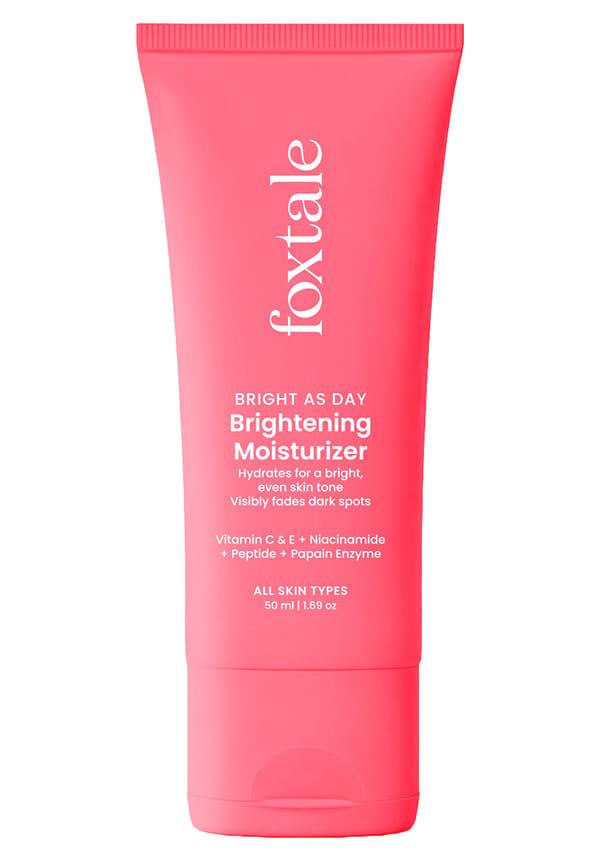
Brightening Moisturiser with Vitamin C & Niacinamide
Good and Soft, Must Buy
5“it feels good n soft...must buy”
Smooth, gentle, no white cast
4“smooth texture no white cast gentle”
Amazing Product
5“Amazing product i like it very much”
Yes, once your skin has adjusted to both ingredients, daily use is generally safe and effective. Start with every other day and gradually increase frequency as your skin builds tolerance. Most people can use this combination twice daily without issues.
Apply vitamin C first, followed by niacinamide. This follows the general rule of applying products from lowest to highest pH. Wait 10-15 minutes between applications to ensure proper absorption and prevent any potential pH conflicts.
Start with 5% niacinamide and 10-15% vitamin C. These concentrations provide effective results whilst minimising the risk of irritation. You can gradually increase concentrations as your skin adapts, but many people find these percentages perfectly adequate for their needs.
Neither niacinamide nor vitamin C typically cause purging, as they don't increase cell turnover like retinoids or acids do. If you experience breakouts when starting this combination, it's more likely irritation or a reaction to other ingredients in the products.
Most people notice improved skin texture and radiance within 2-4 weeks. Significant improvements in hyperpigmentation and fine lines typically become visible after 6-8 weeks of consistent use. Remember that skincare results are cumulative, so patience and consistency are key.
While it's possible to mix them, it's generally better to apply them separately. This ensures each ingredient maintains its optimal pH and concentration. Mixing can potentially reduce the effectiveness of both ingredients.
Yes, but introduce them gradually and consider using them at different times. Many people use retinol at night and the niacinamide/vitamin C combination in the morning. This approach minimises potential irritation whilst maximising benefits.
Reduce frequency to every other day or every third day. You can also try using one ingredient in the morning and the other at night. If irritation persists, discontinue use and consult a dermatologist. Sometimes switching to gentler formulations or lower concentrations resolves the issue.
The combination of niacinamide and vitamin C represents one of skincare's most scientifically-backed partnerships. What once seemed impossible due to outdated research has become a cornerstone of effective skincare routines worldwide. The key to success lies in proper application, patience, and choosing quality formulations that work well together.
Remember that skincare is highly individual. What works brilliantly for your friend might need adjustment for your skin type and concerns. Start slowly, listen to your skin, and don't be afraid to modify your routine as needed. The goal is healthy, radiant skin—not perfect adherence to someone else's routine.
If you're curious about trying different formulations before committing to full-size products, Smytten's extensive collection of skincare minis from trusted brands offers an excellent way to test what works for your skin. With over 28 million users discovering their perfect products through trials, you can explore various niacinamide and vitamin C combinations to find your ideal match. After all, why settle for guesswork when you can discover exactly what your skin loves?
