Natural Remedies for Acne Scars at Home FAQ: Your Questions Answered


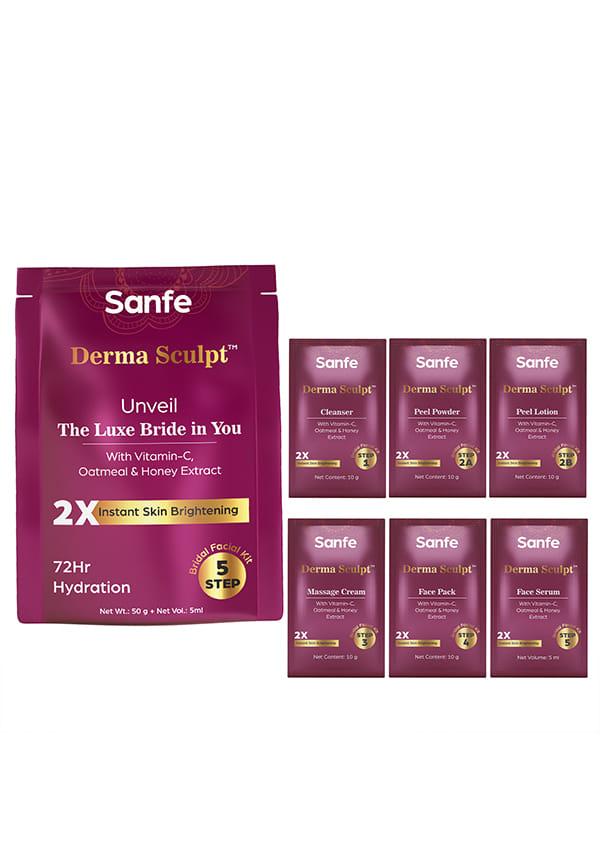
Derma Sculpt 5 Step Bridal Facial Kit
Superb Bridal Facial Kit
 5
5“This bridal facial kit is superb and does wonders to skin”
Superb Bridal Facial Kit
5“This bridal facial kit is superb and does wonders to skin”
Amazing Facial Kit
5“Derma sculpt 5 step bridal facial kit is amazing ”
Acne scars can feel like unwelcome reminders of past breakouts, lingering long after your skin has cleared. Whether you're dealing with shallow marks from teenage acne or deeper indentations from recent hormonal flare-ups, the quest for smoother skin often leads to one burning question: can natural remedies actually help fade these stubborn marks at home?
The truth is, whilst professional treatments like laser therapy and chemical peels offer dramatic results, many effective acne scar treatments can be found right in your kitchen cupboard or local health store. From honey and turmeric masks to rosehip oil applications, natural ingredients have been helping people achieve clearer, more even-toned skin for centuries. The key lies in understanding which remedies work for different types of scars and setting realistic expectations for your healing journey.
This comprehensive guide addresses the most frequently asked questions about natural acne scar treatments, helping you navigate everything from DIY remedies to realistic timelines. Whether you're exploring options to find gentle, effective products or looking to create your own natural remedies for acne scars at home, we'll cover the science-backed approaches that can genuinely make a difference to your skin's texture and appearance.
Natural remedies can help fade shallow acne scars and dark spots, but deeper scars may need professional treatment
Honey, turmeric, rosehip oil, and aloe vera are amongst the most effective natural ingredients for scar healing
Realistic timelines range from 4-12 weeks for visible improvements with consistent daily application
Always patch test new ingredients and use SPF religiously to prevent further pigmentation
Combining multiple gentle treatments often works better than relying on one "miracle" remedy
Before diving into remedies, it's crucial to understand what you're actually treating. Not all acne marks are created equal, and this distinction determines which natural approaches will be most effective for your specific concerns.
Atrophic scars are the most common type, appearing as depressions or indentations in the skin. These include ice pick scars (narrow, deep holes), boxcar scars (wider depressions with defined edges), and rolling scars (wave-like undulations). Hypertrophic and keloid scars, on the other hand, are raised above the skin's surface due to excess collagen production during healing.
Some paragraphs exceed optimal length for web reading. Break longer paragraphs into 2-3 sentences maximum for better scanability.
Many people confuse dark spots left behind by acne with actual scars. Post-inflammatory hyperpigmentation (PIH) appears as flat, discoloured patches and responds brilliantly to natural brightening treatments. True textural scars require more intensive approaches, though natural remedies can still help improve their appearance over time.
Natural remedies excel at fading PIH and improving the appearance of shallow scars. They work by promoting cell turnover, reducing inflammation, and supporting the skin's natural healing processes. However, deep atrophic scars typically require professional intervention like microneedling or laser treatments for significant improvement.
These time-tested natural ingredients have shown genuine promise in improving acne scars and marks. Each works through different mechanisms, from promoting collagen production to gently exfoliating damaged skin cells. Integrating DIY acne scar removal into your routine can yield great results.
Raw honey's antimicrobial properties combined with cinnamon's circulation-boosting effects create a powerful healing duo. Mix 2 tablespoons of raw honey with 1 teaspoon of ground cinnamon, apply to clean skin for 15-20 minutes, then rinse with warm water. Use 2-3 times weekly for best results.
This potent essential oil naturally kills acne-causing bacteria whilst reducing inflammation. Always dilute tea tree oil with a carrier oil (1:10 ratio) before applying directly to scars. Its antimicrobial action helps prevent new breakouts whilst existing marks heal.
Turmeric's curcumin content reduces inflammation and promotes healing, whilst sandalwood powder provides gentle exfoliation. Mix equal parts turmeric and sandalwood powder with rose water to form a paste. Apply for 20 minutes before rinsing thoroughly.
Fresh aloe vera gel soothes inflammation whilst lemon's vitamin C content helps brighten dark spots. Mix 2 tablespoons of pure aloe gel with 1 teaspoon of fresh lemon juice. Apply nightly, but always use SPF the following day as lemon increases photosensitivity. Add stronger warning about photosensitivity and potential irritation, recommend patch testing.
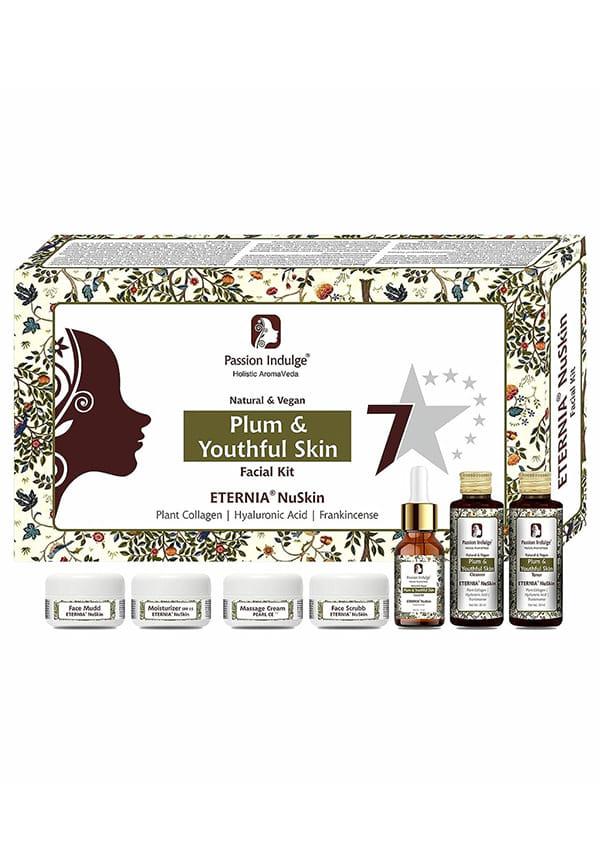
Eternia Nuskin 7 Star Pro Facial Kit For Plum & Youthful Skin | 7 steps
Diluted apple cider vinegar (1:3 ratio with water) provides gentle chemical exfoliation, helping to fade surface-level scarring and improve skin texture. Start with once-weekly applications to assess tolerance.
Rich in vitamin C, vitamin A, and essential fatty acids, rosehip oil promotes collagen production and skin regeneration. Apply 3-4 drops to clean skin nightly, focusing on scarred areas. This oil absorbs beautifully without clogging pores.
Virgin coconut oil's moisturising properties help soften scar tissue whilst its antimicrobial action prevents new breakouts. Gently massage a small amount into scars for 5-10 minutes before bedtime.
This lesser-known oil contains thymoquinone, a compound with powerful anti-inflammatory and healing properties. Apply 2-3 drops to scarred areas nightly, allowing full absorption before applying other products.
Neem's antibacterial properties combined with honey's healing benefits create an effective treatment for acne-prone skin with scarring. Blend fresh neem leaves with honey to form a paste, apply for 15 minutes, then rinse.
Cooled green tea contains antioxidants that reduce inflammation and promote healing. Soak cotton pads in strong, cooled green tea and apply to scarred areas for 10-15 minutes daily.
Post-inflammatory hyperpigmentation responds particularly well to natural brightening treatments. These gentle yet effective approaches help fade dark spots without the irritation often associated with harsh chemical treatments. These home remedies for dark spots can be very effective.
Vitamin C-rich ingredients like lemon juice, orange peel powder, and kakadu plum extract work by inhibiting melanin production whilst promoting cell turnover. However, citrus-based treatments must always be followed by diligent sun protection to prevent further pigmentation.
Mix fresh lemon juice with raw honey in a 1:2 ratio for a gentler approach to brightening. The honey buffers lemon's acidity whilst adding healing properties. Apply for 15 minutes, rinse thoroughly, and always follow with SPF during the day.
Raw potato contains vitamin C and mild enzymes that help lighten dark spots. Simply rub a fresh potato slice over affected areas for 10-15 minutes daily. This gentle method works well for sensitive skin that can't tolerate acidic treatments.
Plain yogurt's lactic acid provides gentle exfoliation whilst oatmeal soothes inflammation. Blend 2 tablespoons of yogurt with 1 tablespoon of finely ground oatmeal. Apply for 20 minutes before rinsing with lukewarm water.
Fresh tomato pulp contains lycopene and natural acids that help brighten skin and reduce pigmentation. Mash a ripe tomato and apply the pulp to dark spots for 20 minutes before rinsing. Use 3-4 times weekly for gradual lightening.
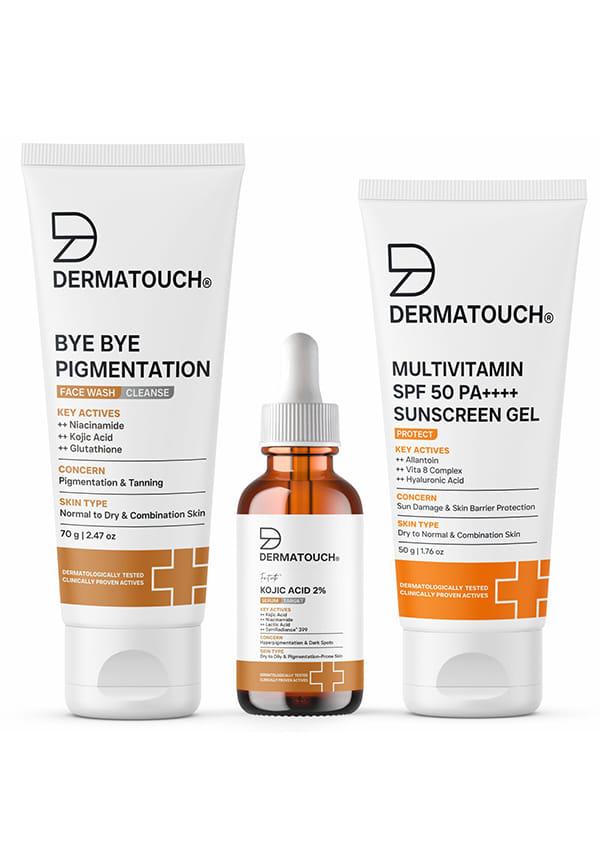
Pigmentation Control Trio | Face Wash + Kojic Acid 2% Serum + Sunscreen PA++++
The effectiveness of natural remedies depends heavily on proper application techniques and consistent routines. Understanding how to layer treatments and create effective schedules maximises your results whilst minimising irritation.
Proper preparation is essential for any natural treatment. Always start with clean, dry skin and patch test new ingredients on your inner wrist 24 hours before facial application. This simple step prevents adverse reactions and helps you gauge your skin's tolerance.
Gentle circular massage whilst applying oils or serums improves blood circulation to scarred areas, promoting healing. Use your fingertips to massage in small circles for 2-3 minutes, applying light pressure to avoid irritating the skin.
When using multiple treatments, apply them in order of consistency: thinnest to સૌથી thickest. Start with toners or essences, follow with serums or oils, and finish with heavier creams or masks. Allow each layer to absorb for 5-10 minutes before applying the next.
Consistency trumps intensity when it comes to natural scar treatments. Rather than overwhelming your skin with daily intensive treatments, create a sustainable routine that you can maintain long-term. Alternate between different remedies to prevent tolerance and irritation.
Always introduce new ingredients gradually, starting with once or twice weekly applications. Monitor your skin's response and increase frequency only if no irritation occurs. Discontinue use immediately if you experience persistent redness, burning, or increased breakouts.
Whilst the internet is filled with promises of "overnight" scar removal, it's important to understand what natural remedies can realistically achieve in short timeframes. Setting proper expectations prevents disappointment and helps you appreciate the gradual improvements that do occur. How to remove acne scars naturally overnight? While complete overnight removal isn't realistic, some inflammation reduction can be achieved.
Realistic short-term results from natural treatments include reduced inflammation, improved skin texture, and slight lightening of fresh dark spots. However, significant scar reduction typically requires weeks to months of consistent treatment, not days.
Honey masks, aloe vera gel, and green tea compresses can genuinely reduce redness and inflammation overnight. These treatments calm irritated skin and may make scars appear less prominent by reducing surrounding inflammation.
For special events, a gentle three-day routine combining morning vitamin C treatments with evening honey masks can improve skin radiance and slightly reduce the appearance of surface-level marks. However, avoid harsh treatments that might cause irritation before important occasions.
If you have deep, pitted scars or extensive scarring that affects your confidence, professional treatments may be more appropriate. Natural remedies work best as maintenance treatments or for mild scarring and pigmentation issues.
While natural remedies form an excellent foundation for scar treatment, combining them with well-formulated skincare products can accelerate results. Here's a comparison of effective products available for different skin types and concerns:
Product | Best For Skin Type | Primary Concern | Key Ingredients | Price Range |
|---|---|---|---|---|
Dot & Key Vitamin C + E Super Bright Moisturizer | All types, dull skin | Dark spots, hyperpigmentation | Triple Vitamin C, Kakadu Plum | Mid-range |
The Derma Co. 2% Kojic Acid Advanced Face Cream | All types, hyperpigmented skin | Deep dark spots, melasma | Kojic Acid 2%, Alpha Arbutin | Budget-friendly |
Minimalist Marula Oil 5% Face Moisturizer | Dry, very dry skin | Scar healing, barrier repair | Marula Oil 5%, Hyaluronic Acid | Mid-range |
Plum 3% Vitamin C Moisturizer | All types, sensitive skin | Brightening, gentle scar fading | Ethyl Ascorbic Acid 3% | Premium |
Foxtale Oil Balancing Moisturizer | Oily, acne-prone skin | Acne marks, oil control | Niacinamide, Azelaic Acid, Cica | Mid-range |
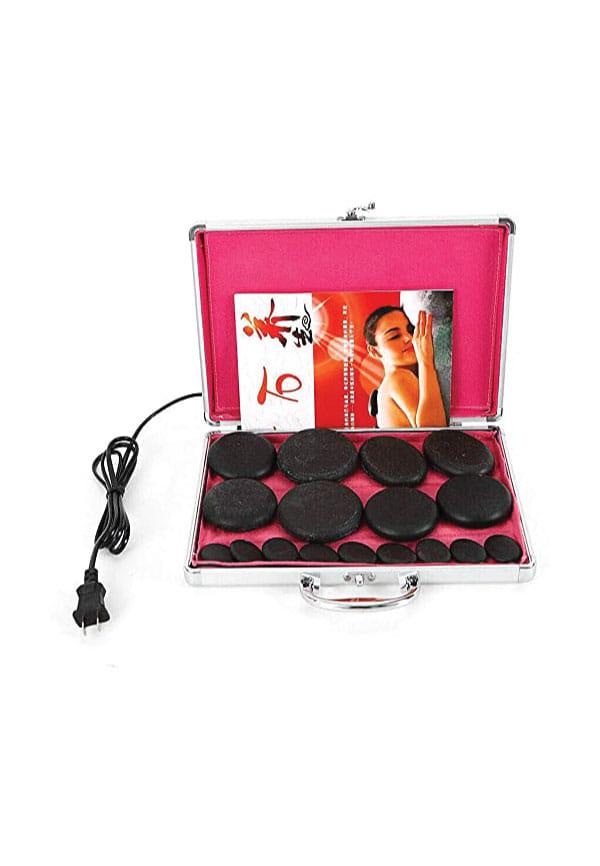
Hot Massage Stones, 16 Pcs Electric Hot Stones Massage Set with Warmer
Natural remedies can significantly improve the appearance of shallow scars and completely fade dark spots, but deep atrophic scars typically require professional treatment for complete removal. However, consistent use of natural treatments can make even deeper scars less noticeable over time.
You may notice improvements in skin texture and reduced inflammation within 2-4 weeks, but significant scar fading typically takes 8-12 weeks of consistent treatment. Dark spots often respond faster than textural scars, with noticeable lightening possible within 4-6 weeks.
Most natural ingredients are gentler than synthetic alternatives, but individual sensitivities vary. Always patch test new treatments and start with lower concentrations. Those with very sensitive skin should avoid acidic ingredients like lemon juice and opt for soothing options like aloe vera and honey.
Yes, but introduce them gradually to avoid overwhelming your skin. A good approach is using gentle treatments like honey masks in the morning and slightly more active ingredients like diluted tea tree oil in the evening. Always allow your skin to adjust to one treatment before adding another.
Dark spots (post-inflammatory hyperpigmentation) are flat discolourations that respond well to brightening ingredients like vitamin C and gentle acids. True scars involve textural changes and require treatments that promote collagen production and skin regeneration, such as rosehip oil and massage techniques.
Several natural ingredients possess antimicrobial properties that can help combat acne-causing bacteria. Tea tree oil, for instance, is well-known for its potent antibacterial effects. Other ingredients like honey and neem also have natural antibacterial and anti-inflammatory properties that can help reduce breakouts and support skin healing.
Platforms like Smytten offer trial-sized versions of skincare products, allowing you to test formulations before committing to full sizes. This approach is particularly valuable when dealing with scarred skin that may react unpredictably to new ingredients.
Natural remedies can complement professional treatments beautifully, but always consult your dermatologist first. Gentle, healing ingredients like aloe vera and honey often support recovery from procedures like chemical peels or microneedling.
Natural remedies offer a gentle, accessible approach to improving acne scars and dark spots at home. Whilst they may not completely eliminate deep scars, consistent use of ingredients like honey, turmeric, rosehip oil, and aloe vera can significantly improve skin texture and fade pigmentation over time.
The key to success lies in realistic expectations, consistent application, and patience. Most natural treatments require 8-12 weeks to show significant results, but the gradual improvement is often more sustainable and less irritating than aggressive treatments. Remember that prevention is equally important – always use SPF to prevent further pigmentation and avoid picking at active breakouts.
For best results, combine natural remedies with a gentle skincare routine that includes products specifically formulated for scar-prone skin. This integrated approach maximises healing whilst maintaining your skin's natural barrier function.
Your journey to clearer, more even-toned skin doesn't have to involve expensive procedures or harsh chemicals. Natural remedies, when used consistently and correctly, can make a genuine difference to acne scars and marks. However, finding the right combination of treatments for your unique skin often involves some trial and experimentation.
This is where Smytten's approach to product discovery becomes invaluable. As India's largest product discovery and trial platform, Smytten connects you with over 2,400 trusted beauty and skincare brands through curated trial packs. Instead of investing in full-sized products that might not suit your scarred skin, you can explore mini-sized versions from brands like Cetaphil, Dot & Key, and The Derma Co. for just ₹279 for up to 10 Trial Points. With 100% cashback on trial purchases redeemable for future orders, you can affordably discover which products work best alongside your natural scar treatment routine. After all, why settle for 'maybe' when you can #TryItAll and find the perfect combination for your skin's healing journey?
