Natural Ingredients Always Safe for Skin FAQ: Your Questions Answered


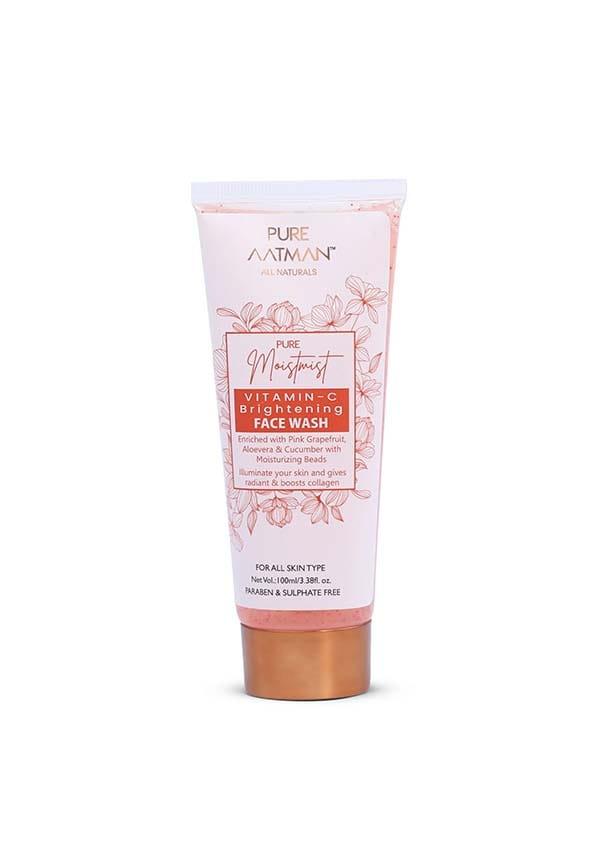
vitamin -C for women girls men bright glowing skin with Natural Vitamin- C
The skincare world loves throwing around the word 'natural' like it's a magic spell for perfect skin. Walk down any beauty aisle, and you'll see products proudly declaring themselves 'chemical-free,' 'pure,' and 'naturally derived.' But here's the real talk: just because something comes from nature doesn't automatically make it gentle on your skin. In fact, some of the most potent allergens and irritants are completely natural. Think poison ivy, anyone? This myth that natural ingredients are always safe for skin has led many of us down a frustrating path of trial and error, often ending in breakouts, redness, or worse. Whether you're exploring gentle skincare ingredients on platforms like Smytten or building your first plant-based routine, understanding the science behind natural skincare safety is crucial for making informed choices that actually work for your skin.
TL;DR
Natural doesn't automatically mean safe - many natural ingredients can cause allergic reactions or irritation
Plant-based skincare offers real benefits, but patch testing is essential for sensitive skin
Expert-approved natural ingredients like aloe vera, niacinamide, and ceramides are generally well-tolerated
Building a safe natural routine requires gradual introduction and understanding ingredient interactions
Red flags include immediate burning, persistent redness, or worsening skin conditions
Let's start with some eye-opening facts that might surprise you. According to dermatological research, approximately 90% of natural skincare products contain at least one ingredient that can potentially cause contact dermatitis in sensitive individuals. This doesn't mean natural ingredients are inherently bad - it simply means the 'natural equals safe' assumption needs a serious reality check.
The confusion often stems from clever marketing that positions 'chemical-free' as the gold standard. But here's the thing: everything is made of chemicals, including water (H2O) and the oxygen you breathe. When brands claim their products are chemical-free, they're really saying they avoid synthetic compounds in favour of naturally derived ones. This distinction matters because natural compounds can be just as potent - and sometimes more unpredictable - than their synthetic counterparts.
Research published in the Journal of the American Academy of Dermatology shows that essential oils, despite being completely natural, are among the top 10 allergens causing contact dermatitis. Lavender oil, tea tree oil, and citrus extracts - all beloved natural ingredients - can trigger reactions ranging from mild irritation to severe allergic responses. The key isn't avoiding these ingredients entirely, but understanding how to use them safely and recognising when they might not be right for your skin.
Plant-based skincare isn't just a trend - it's backed by centuries of traditional use and modern scientific validation. Botanical skincare benefits are real and measurable, from the anti-inflammatory properties of chamomile to the antioxidant power of green tea. However, the concentration and formulation of these ingredients make all the difference between therapeutic benefits and potential irritation.
Take vitamin C, for instance. When derived from natural sources like kakadu plum or acerola cherry, it offers the same skin-brightening benefits as synthetic L-ascorbic acid. The difference lies in stability and concentration. Natural vitamin C sources often come with additional compounds that can enhance absorption but may also increase the risk of sensitivity in some skin types.
Understanding which natural ingredients commonly cause reactions helps you make informed choices:
Essential oils: Particularly citrus oils, which can cause photosensitivity
Fragrances: Even naturally derived ones can trigger contact dermatitis
Preservatives: Natural options like formaldehyde-releasing compounds
Plant extracts: Ragweed, chamomile (for those allergic to daisies), and certain tree nuts
For sensitive skin natural solutions, patch testing isn't optional - it's essential. Apply a small amount of any new product to your inner forearm and wait 24-48 hours. If you notice redness, itching, or irritation, that ingredient isn't suitable for your skin, regardless of how 'natural' it is.
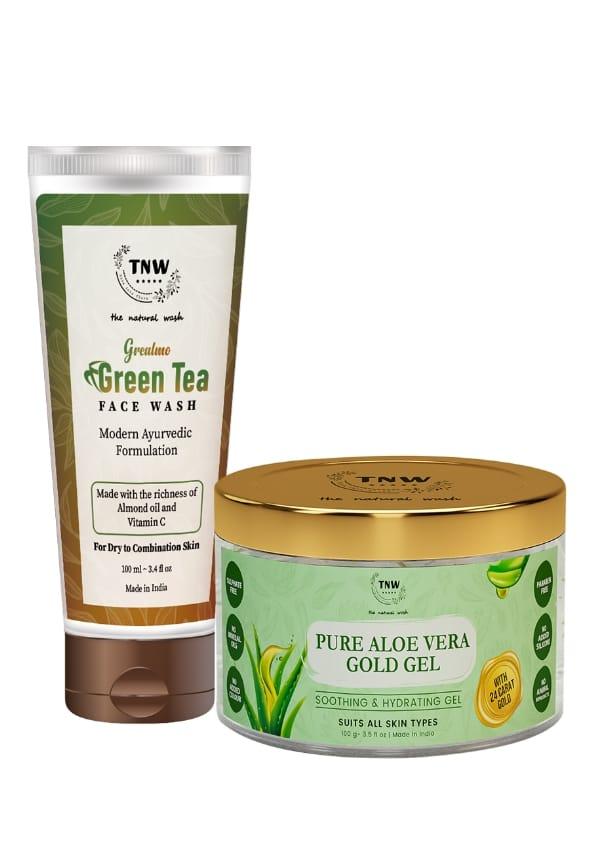
Pure 24k Gold Aloe Vera Gel for Face Skin, Scars & Sunburn with Detox Green Tea Face Wash - Dirt Removal-Vitamin C-Green Tea Helps Prevent Acne and P
Not all natural ingredients are created equal. Dermatologists consistently recommend certain skin-friendly natural extracts based on extensive research and clinical experience. These hypoallergenic skincare ingredients have proven track records of safety and efficacy across different skin types.
If you have reactive skin, these gentle options are your best friends:
Aloe vera: Anti-inflammatory and deeply hydrating
Oatmeal: Contains avenanthramides that calm irritation
Chamomile: Natural anti-inflammatory properties
Centella asiatica: Promotes healing and reduces redness
Natural doesn't mean weak when it comes to fighting breakouts:
Tea tree oil: Antimicrobial properties (use in low concentrations)
Green tea extract: Antioxidant and anti-inflammatory
Honey: Natural antimicrobial and healing properties
Willow bark: Natural source of salicylic acid
Nature offers powerful alternatives to synthetic anti-ageing ingredients:
Bakuchiol: Plant-based retinol alternative
Vitamin C from natural sources: Brightening and collagen-supporting
Peptides from plant sources: Support skin structure
Rosehip oil: Rich in vitamins A and C
Creating a natural skin care routine for glowing skin requires strategy, not just good intentions. The key is gradual introduction and understanding how different non-toxic beauty products work together. Start with basic, well-tolerated ingredients before adding more complex formulations.
Your morning routine should focus on protection and hydration. Begin with a gentle cleanser containing natural ingredients like coconut-derived surfactants or oat-based cleansing agents. Follow with a vitamin C serum from natural sources, then a moisturiser with ingredients like hyaluronic acid (which can be naturally derived) and finish with broad-spectrum SPF.
Cleanser: Gentle, plant-based surfactants
Toner: Rose water or green tea-based
Serum: Natural vitamin C or niacinamide
Moisturiser: Ceramides and natural oils
SPF: Mineral sunscreen with zinc oxide
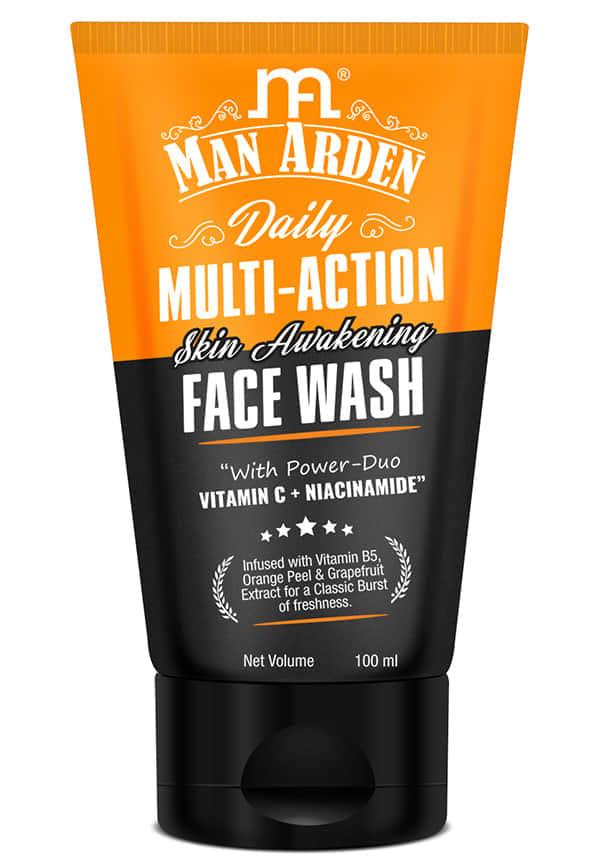
Vitamin C Daily Multi-Action Skin Awakening & Brightening Face Wash Vitamin C + Niacinamide
Double cleanse: Oil cleanser followed by gentle foam cleanser
Treatment: Bakuchiol or natural AHAs (lactic acid from milk)
Hydration: Hyaluronic acid serum
Moisturiser: Rich, plant-based oils and butters
Face oil: Rosehip or marula oil (optional)
Even natural ingredients can clash. Avoid combining vitamin C with natural AHAs in the same routine, as this can increase irritation. Similarly, don't layer multiple essential oils, as this increases the risk of sensitivity reactions.
Recognising when organic skincare components aren't working for your skin is crucial for maintaining healthy skin barriers. Unlike synthetic ingredients with predictable reactions, natural ingredients can sometimes cause delayed or unexpected responses due to their complex molecular structures.
Immediate burning, stinging, or intense redness upon application are clear warning signs that an ingredient isn't suitable for your skin. However, some reactions develop over time. If you notice increased breakouts, persistent dryness, or worsening of existing skin conditions after introducing a new natural product, it's time to reassess.
Many natural ingredients can increase your skin's sensitivity to sunlight. Citrus essential oils, certain plant extracts, and even some natural AHAs can make your skin more prone to burning and hyperpigmentation. Always research new ingredients and increase your SPF protection when using photosensitising natural compounds.
Some botanical extracts can have mild hormonal effects. Ingredients like soy, lavender, and certain plant phytoestrogens might not be suitable for individuals with hormone-sensitive conditions. While these effects are generally mild in topical applications, it's worth discussing with a healthcare provider if you have concerns.
India's diverse climate zones present unique challenges for natural skincare. High humidity and heat can affect the stability of natural formulations, potentially leading to faster degradation or increased bacterial growth. Traditional Indian ingredients like turmeric, neem, and sandalwood have proven safety records but require proper formulation and storage to maintain their benefits.
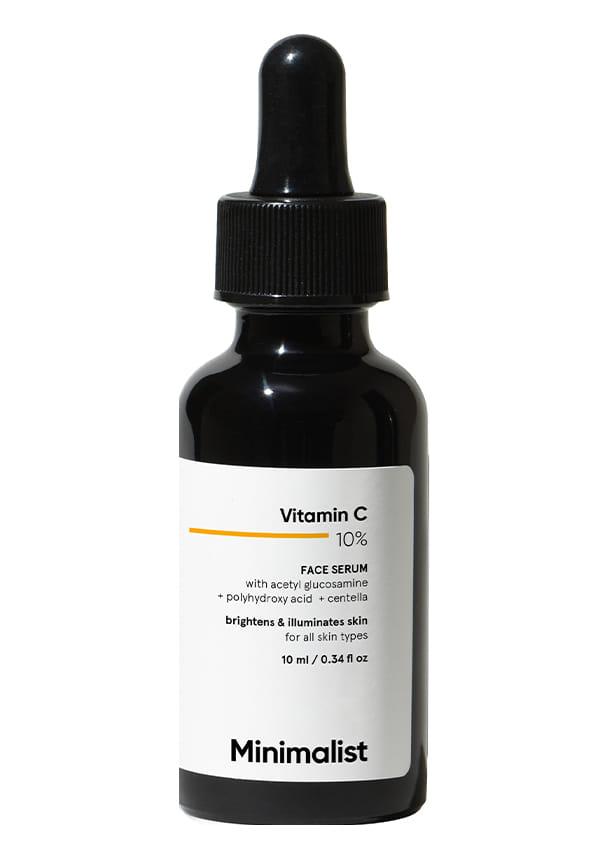
10% Vitamin C Face Serum For Skin Brightening & Reduce Sun Damage
There's no single 'best' natural ingredient, as effectiveness depends on your specific skin type and concerns. However, aloe vera consistently ranks among the safest and most universally beneficial natural ingredients. It's anti-inflammatory, hydrating, and suitable for most skin types. Other top contenders include niacinamide (vitamin B3), which can be naturally derived, and ceramides, which support the skin barrier. When exploring natural options, platforms like Smytten offer trial sizes that let you test ingredients before committing to full-size products.
While 100% clear skin isn't realistic for most people, natural approaches can significantly improve skin clarity. Focus on gentle, consistent routines using proven natural ingredients like tea tree oil for antimicrobial benefits, green tea extract for antioxidant protection, and natural AHAs like lactic acid for gentle exfoliation. Remember, clear skin is a journey that typically takes 6-12 weeks of consistent care, not an overnight transformation.
Most skincare ingredients, whether natural or synthetic, don't significantly impact estrogen levels when used topically. However, some plant-based ingredients contain phytoestrogens - plant compounds that can mimic estrogen weakly. Soy extracts and lavender oil have been studied for potential hormonal effects, but the impact from topical skincare use is generally minimal compared to dietary sources.
The 4-2-4 rule is a cleansing method, not specifically related to natural ingredients. It involves massaging cleansing oil for 4 minutes, adding water and massaging for 2 minutes, then rinsing for 4 minutes. While this can work with natural oil cleansers, it's quite intensive and may not be suitable for sensitive skin or daily use.
Natural preservatives like vitamin E, rosemary extract, and certain essential oils can help extend product shelf life, but they're generally less effective than synthetic preservatives. This means natural products often have shorter shelf lives and may require refrigeration. Always check expiration dates and store natural skincare products properly to maintain their safety and efficacy.
While DIY natural skincare can be fun and cost-effective, it comes with risks. Homemade products lack preservatives, making them prone to bacterial contamination. They also lack the precise formulation and pH balancing that commercial products undergo. If you choose to make natural skincare at home, use them immediately, store them in the refrigerator, and never keep them longer than a week.
Natural ingredients offer genuine benefits for skincare, but they're not automatically safer than synthetic alternatives. The key to successful natural skincare lies in understanding that 'natural' doesn't equal 'risk-free.' Patch testing, gradual introduction, and paying attention to your skin's responses are essential practices regardless of whether you choose natural or synthetic products.
Focus on evidence-based natural ingredients with proven safety profiles rather than falling for marketing claims about 'chemical-free' formulations. Remember that concentration, formulation, and your individual skin type all play crucial roles in how well natural ingredients work for you. When building your routine, start simple with well-tolerated ingredients like aloe vera, niacinamide, and gentle plant-based cleansers before introducing more complex botanical extracts.
Most importantly, listen to your skin. If a natural ingredient causes irritation, redness, or worsening of existing skin conditions, discontinue use regardless of how 'natural' or well-reviewed it might be. Your skin's health is more important than adhering to any particular skincare philosophy.
Navigating the world of natural skincare doesn't have to be overwhelming when you have the right approach and resources. Smytten is India's largest product discovery and trial platform, connecting consumers with top lifestyle, beauty, wellness, and grooming brands through curated trial packs from over 2,400 trusted brands such as Cetaphil, Dot & Key, WishCare, and Bella Vita. This try-before-you-buy approach is particularly valuable for natural skincare, where individual reactions can vary significantly. With up to 10 Trial Points for just ₹279 and 100% cashback on trial purchases, you can safely explore natural ingredients without the commitment of full-size products. When you find a natural product that works perfectly for your skin, purchasing the full-size version is just a click away in Smytten's shop, making your journey to effective natural skincare both affordable and rewarding across 90% pin code coverage in India.
