Monsoon Skincare Routine FAQ: Your Questions Answered
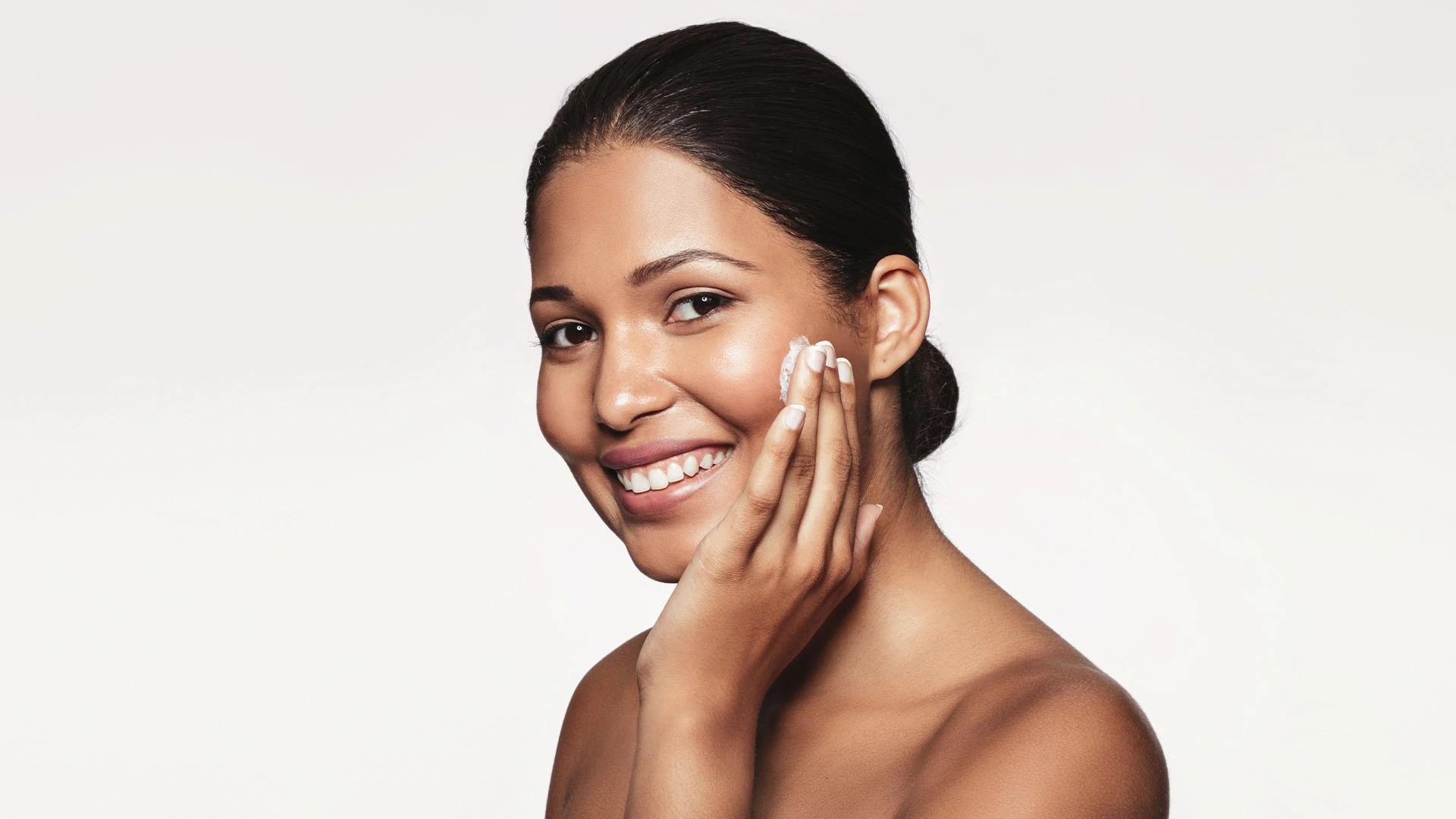

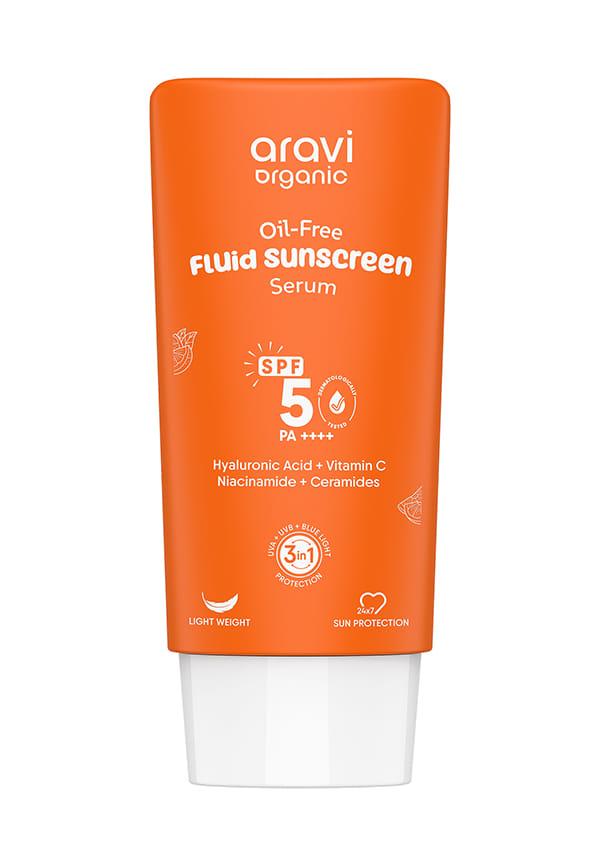
Oil-Free Fluid Sunscreen Serum SPF 50++++ with Hyaluronic Acid, Vitamin C, Niacinamide
The monsoon season brings a welcome respite from scorching summer heat, but it also presents unique challenges for your skin. As humidity levels soar and rain becomes a daily companion, your trusty summer skincare routine might suddenly feel inadequate. You're not imagining it—the combination of increased moisture in the air, frequent temperature fluctuations, and reduced sunlight genuinely affects how your skin behaves. From unexpected breakouts to that persistent sticky feeling, monsoon weather can leave even the most seasoned skincare enthusiasts feeling puzzled about what their skin actually needs.
Whether you're dealing with oily skin that seems to produce even more sebum in humid conditions, or you've noticed your complexion looking duller despite the cooler weather, adjusting your routine for rainy season demands is essential. The good news? With the right knowledge and a few strategic tweaks, you can maintain healthy, glowing skin throughout the monsoon months. Platforms like Smytten make it easier than ever to discover and trial new products specifically suited for humid weather conditions, helping you find what works without the commitment of full-sized purchases.
TL;DR
Monsoon weather increases humidity and oil production, requiring lighter, non-comedogenic skincare products
Morning routines should focus on gentle cleansing, vitamin C serums, lightweight moisturisers, and broad-spectrum SPF
Evening care emphasises deep cleansing, strategic exfoliation 2-3 times weekly, and overnight hydration
Oily skin needs oil control without over-drying, whilst acne-prone skin requires gentle, bacteria-fighting ingredients
Natural remedies and proper product storage become crucial during humid monsoon months
Your morning routine during monsoon season sets the foundation for how your skin will cope with humidity throughout the day. The key lies in creating a barrier that protects without overwhelming your skin with heavy products that might feel suffocating in the increased moisture.
Start your day with a soap-free, non-stripping cleanser that removes overnight sweat and excess sebum without disrupting your skin's natural barrier. Gel-based or foam cleansers work particularly well for managing oily skin in monsoon conditions. If you wear makeup regularly, consider double cleansing—begin with a gentle cleansing oil or micellar water, followed by your regular cleanser to ensure thorough removal of impurities that can clog pores in humid weather.
Vitamin C serums become your best friend during rainy season, offering brightening benefits whilst providing antioxidant protection against environmental stressors. Apply a few drops to clean skin, allowing it to absorb completely before moving to the next step. Niacinamide is another excellent choice for monsoon skincare, helping control oil production and refining pores that tend to appear larger in humid conditions.
Switch to water-based, non-comedogenic moisturisers that provide hydration without adding heaviness. On particularly humid days, you might even skip moisturiser if your skin feels adequately hydrated from serums. The goal is balancing moisture levels without creating a breeding ground for bacteria or clogged pores.
Never skip SPF, even on cloudy monsoon days. UV rays penetrate clouds, and the reflection from wet surfaces can actually increase exposure. Choose a broad-spectrum SPF 30 or higher that applies smoothly over your lightweight morning products without feeling heavy or greasy.
Evening routines during monsoon focus on deep cleansing and overnight repair, helping your skin recover from the day's humidity exposure whilst preparing it for the next day's challenges.
Your evening cleanse should be more thorough than your morning routine, removing deep-seated impurities that accumulate in humid conditions. Take your time with this step, using gentle circular motions to ensure you're properly preparing your skin for overnight treatments.
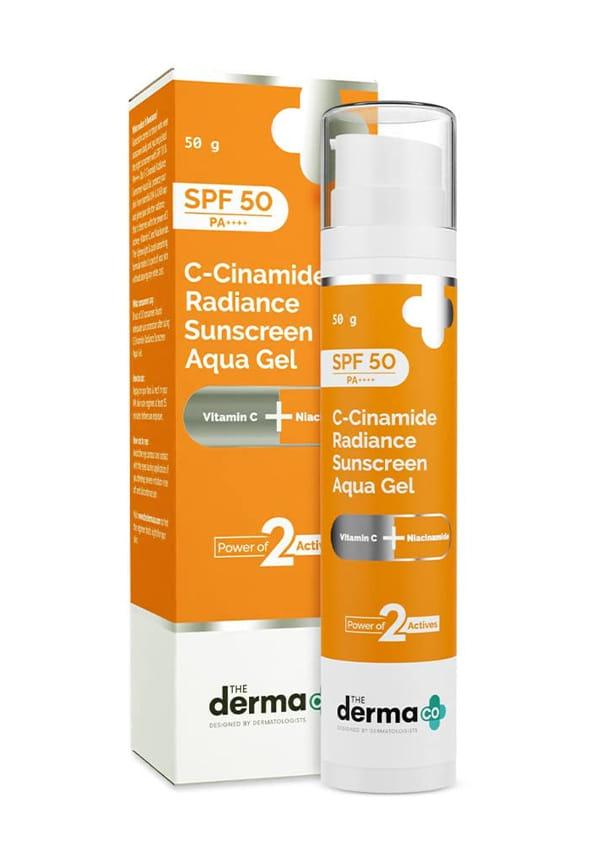
C-Cinamide Sunscreen Aqua Gel SPF 50 PA++++ | Vitamin C & Niacinamide
Good Protection, No White Cast
 5
5“this sunscreen really protect and leave no white cast really goodbthumbs up from my side”
Good Protection, No White Cast
5“this sunscreen really protect and leave no white cast really goodbthumbs up from my side”
Good Protection, No White Cast
5“this sunscreen really protect and leave no white cast really goodbthumbs up from my side”
Incorporate gentle exfoliation 2-3 times weekly using AHAs or BHAs to prevent clogged pores. Salicylic acid at 2% concentration works particularly well for preventing monsoon breakouts. However, avoid exfoliation if you have active breakouts, as this can worsen inflammation.
Apply hyaluronic acid serums to support your moisture barrier, followed by calming peptide treatments if you have sensitive skin. Choose between light night creams or soothing aloe gel based on your skin's needs and the humidity level in your environment.
Oily skin faces particular challenges during monsoon season, as increased humidity can trigger even more sebum production. The trick lies in controlling oil without over-drying, which can actually lead to increased oil production as your skin tries to compensate.
Focus on products containing niacinamide, zinc, or tea tree oil that help regulate sebum production naturally. Clay masks once or twice weekly can help absorb excess oil, but avoid daily use as this can strip your skin. Blotting papers become essential during the day—they remove excess oil without disturbing your skincare or makeup underneath.
For skincare for humid weather, choose gel-based products over cream formulations. These absorb quickly and don't leave a heavy residue that can feel uncomfortable in high humidity. Remember, the goal isn't to eliminate all oil—your skin needs some natural oils to function properly.
Humidity-triggered breakouts are incredibly common during monsoon season. The combination of increased moisture, temperature fluctuations, and potential bacterial growth creates perfect conditions for acne development.
Take a gentle approach to treating active breakouts. Harsh treatments can worsen inflammation and lead to post-inflammatory hyperpigmentation. Instead, focus on ingredients like salicylic acid, benzoyl peroxide (in low concentrations), or tea tree oil that fight bacteria without over-drying.
Prevent bacterial growth by keeping your skin clean and dry whenever possible. Change pillowcases frequently, avoid touching your face throughout the day, and ensure any tools you use (like cleansing brushes or jade rollers) are properly sanitised.
Beyond basic skincare, monsoon season presents unique challenges that require specific preventive measures to maintain healthy skin throughout the rainy months.
The warm, moist conditions during monsoon create ideal environments for fungal growth. Use antifungal body washes if you're frequently exposed to rain, and ensure you dry your skin thoroughly, especially between toes and in skin folds. Watch for early signs of fungal issues like unusual itching, redness, or scaling, and address them promptly.
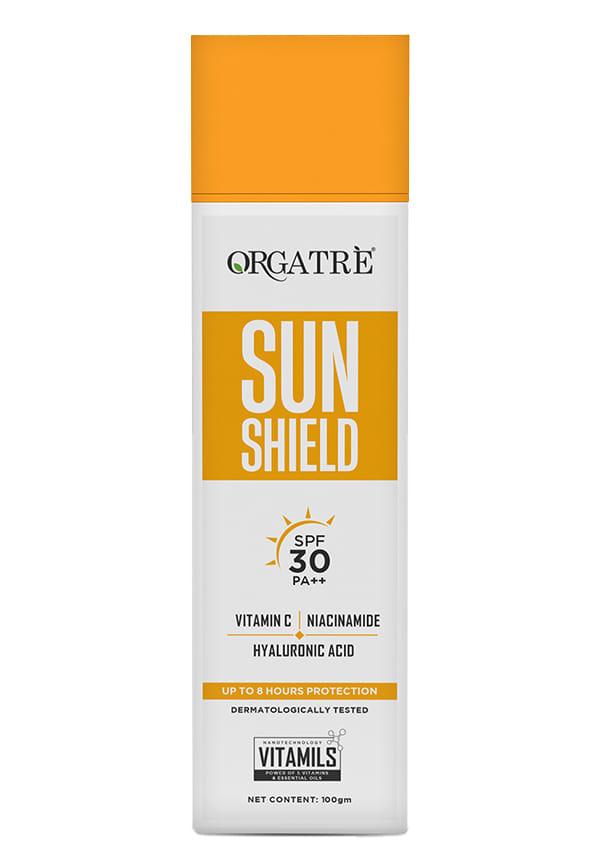
Sunscreen SPF 30 PA++ | Sun Shield | Lightweight, No White Cast | Vitamin C, Niacinamide & Hyaluronic Acid
Heavy makeup can feel suffocating in humid weather and may contribute to clogged pores. Consider switching to breathable alternatives like tinted moisturisers or BB creams. Ensure your makeup products are compatible with your monsoon skincare routine—some combinations can cause pilling or reduce the effectiveness of your sun protection.
Don't forget that scalp health affects your facial skin. Humidity can trigger dandruff or scalp irritation, which may lead to breakouts along your hairline. Use clarifying shampoos as needed to remove product buildup, but don't over-wash as this can increase oil production.
Home remedies can complement your monsoon skincare routine effectively, offering budget-friendly alternatives whilst utilising ingredients you likely have in your kitchen.
Turmeric and honey masks work wonderfully for their antibacterial properties—mix a pinch of turmeric with raw honey for a gentle, clarifying treatment. Green tea can be used as a toner after cooling, providing antioxidants and mild astringent properties perfect for oily skin management.
Aloe vera gel straight from the plant offers cooling, anti-inflammatory benefits ideal for irritated or inflamed skin. However, always patch-test homemade treatments first, and remember that natural doesn't automatically mean safe for all skin types.
Water-based, non-comedogenic moisturisers work best during monsoon season. Look for gel formulations or lightweight lotions that absorb quickly without leaving a heavy residue. Ingredients like hyaluronic acid provide hydration without greasiness.
Natural monsoon skincare includes using gentle cleansers, staying hydrated, eating antioxidant-rich foods, and incorporating natural ingredients like aloe vera, green tea, and turmeric into your routine. Ensure proper hygiene and keep skin dry to prevent fungal issues.
You can skip moisturiser on extremely humid days if your skin feels adequately hydrated from serums or if you have very oily skin. However, most skin types benefit from lightweight hydration even in humid conditions.
Cleanse twice daily—once in the morning to remove overnight buildup and once in the evening for thorough removal of the day's impurities. Avoid over-cleansing as this can disrupt your skin barrier.
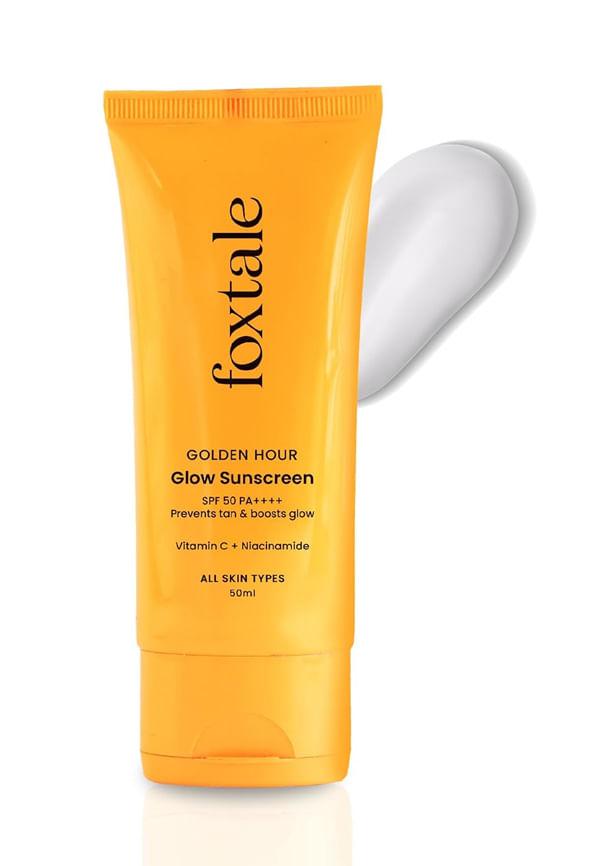
Glow Sunscreen SPF 50 PA++++ Lightweight with Vitamin C and Niacinamide
Lightweight, Glowing Skin
5“Light weght must try just give glowing skin”
Amazing Sunscreen, Loved It
4“I ever used this type of such an amazing product that too sunscreen. loved it”
Lightweight & Good on Face
5“light weight super good on face”
Key ingredients include niacinamide for oil control, salicylic acid for preventing breakouts, vitamin C for brightening, hyaluronic acid for lightweight hydration, and broad-spectrum SPF for protection. These work well in humid conditions without feeling heavy.
Absolutely. UV rays penetrate clouds, and you can still experience sun damage on overcast days. Wet surfaces during monsoon can also reflect UV rays, potentially increasing exposure. Always use broad-spectrum SPF 30 or higher.
Prevent breakouts by maintaining consistent cleansing, using non-comedogenic products, avoiding touching your face, changing pillowcases regularly, and incorporating gentle exfoliation 2-3 times weekly. Products available on Smytten allow you to trial different formulations to find what works best for your skin during humid weather.
You don't need to overhaul everything, but adjustments are beneficial. Switch to lighter formulations, add oil-controlling ingredients if needed, and ensure your products work well in humid conditions. Trial packs from platforms like Smytten help you test new products without committing to full sizes.
Building an effective monsoon skincare routine requires understanding which ingredients and formulations work best in humid conditions. Focus on products that are non-comedogenic, lightweight, and specifically designed to handle increased moisture and oil production.
Create a checklist when shopping: gel or water-based formulations, ingredients like niacinamide or salicylic acid for oil control, broad-spectrum sun protection, and packaging that protects products from humidity. Budget-friendly options can be just as effective as premium products—the key lies in choosing the right formulation for your skin type and the specific challenges of monsoon weather.
Store your products properly during humid months. Keep them in cool, dry places away from bathroom humidity when possible, and ensure lids are tightly closed to prevent contamination or texture changes.
Successful monsoon skincare revolves around adapting your routine to handle increased humidity, oil production, and the potential for bacterial growth. The foundation lies in gentle yet thorough cleansing, lightweight hydration, and consistent sun protection regardless of cloud cover.
Remember that your skin's needs may fluctuate based on weather intensity—extremely humid days might require different products than lighter, breezy monsoon weather. Pay attention to how your skin responds and adjust accordingly rather than rigidly following the same routine regardless of conditions.
Most importantly, consistency matters more than perfection. A simple routine followed regularly will yield better results than a complex regimen used sporadically. Focus on the basics: cleanse, treat specific concerns, moisturise appropriately, and protect with SPF.
Navigating monsoon skincare doesn't have to feel overwhelming when you understand your skin's changing needs during humid weather. The key lies in finding the right balance of products that work harmoniously with increased moisture levels rather than fighting against them. Smytten makes this journey easier by offering trial packs from over 2,400 trusted brands, allowing you to discover what works best for your skin during monsoon season without the commitment of full-sized purchases. With up to 10 Trial Points for just ₹279 and 100% cashback on trial purchases, you can experiment with different formulations and ingredients until you find your perfect monsoon routine. Whether you're looking for lightweight moisturisers, oil-controlling serums, or gentle cleansers suitable for humid weather, Smytten's extensive collection ensures you'll find authentic, brand-verified minis that help you make confident skincare choices. After all, why settle for products that might work when you can try before you buy and discover exactly what your skin needs to thrive during the rainy season?
