Moisturiser with SPF vs. Sunscreen FAQ: Your Questions Answered

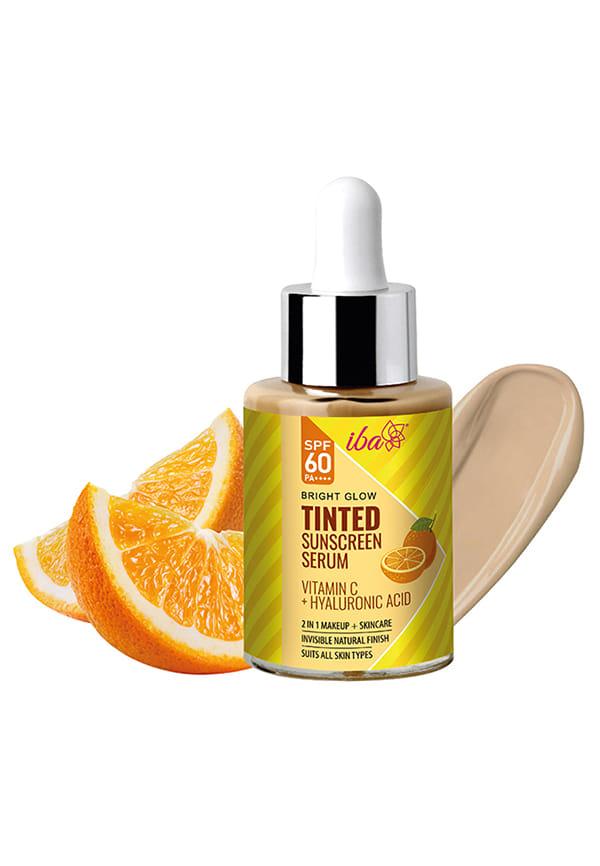
Bright Glow Tinted Sunscreen Serum for All Skin Types SPF 60 PA++++
You've probably stood in the skincare aisle, holding a moisturiser with SPF 30 in one hand and a separate sunscreen in the other, wondering which one actually protects your skin better. It's one of those skincare dilemmas that feels simple on the surface but gets more complex the deeper you dig. The truth is, both have their place in a well-rounded routine, but understanding when to use which can make all the difference for your skin's long-term health. Let's break down the science, the application differences, and the real-world scenarios where each option shines.
When it comes to sun protection factor, the fundamental difference lies in how these products are formulated and tested. Dedicated sunscreen is designed with one primary job: blocking harmful UV rays. The active ingredients, whether chemical filters like avobenzone and octinoxate or physical blockers like zinc oxide and titanium dioxide, are present in higher concentrations and optimised specifically for protection.
SPF in moisturiser formulations, on the other hand, must balance multiple functions. The product needs to hydrate, absorb well, feel pleasant on the skin, and provide sun protection. This multi-tasking approach often means compromises in the concentration or distribution of UV filters. Research has shown that people tend to apply about 50% less product when using moisturisers compared to dedicated sunscreens, which significantly reduces the actual protection level.
The concentration of active ingredients in broad spectrum sunscreen products is typically higher and more stable than in moisturisers with SPF. Chemical sunscreens in dedicated formulations can include multiple UV filters working together, whilst moisturisers often rely on fewer active ingredients to maintain the product's primary moisturising properties.
Here's where things get interesting. The way we apply moisturiser versus sunscreen differs dramatically, and this affects protection levels more than most people realise. When applying moisturiser, we tend to use gentle, spreading motions, focusing on hydration and absorption. With daily sunscreen, the goal is thorough, even coverage of every exposed area.
The "3-finger rule" for proper sunscreen application calls for using three fingers' worth of product for your face and neck. Most people don't apply this amount when using a moisturiser with SPF, which means they're getting significantly less protection than the label promises.
Your skin type plays a crucial role in determining which approach works best for your skincare routine. Different formulations suit different skin needs, and understanding these nuances can help you make the right choice for your daily protection.
If you have oily skin, you might lean towards moisturiser with SPF to avoid layering multiple products. Look for lightweight, gel-based formulations that won't clog pores or add excess shine. Many dedicated sunscreens now offer mattifying properties that can actually help control oil better than some moisturisers with SPF.
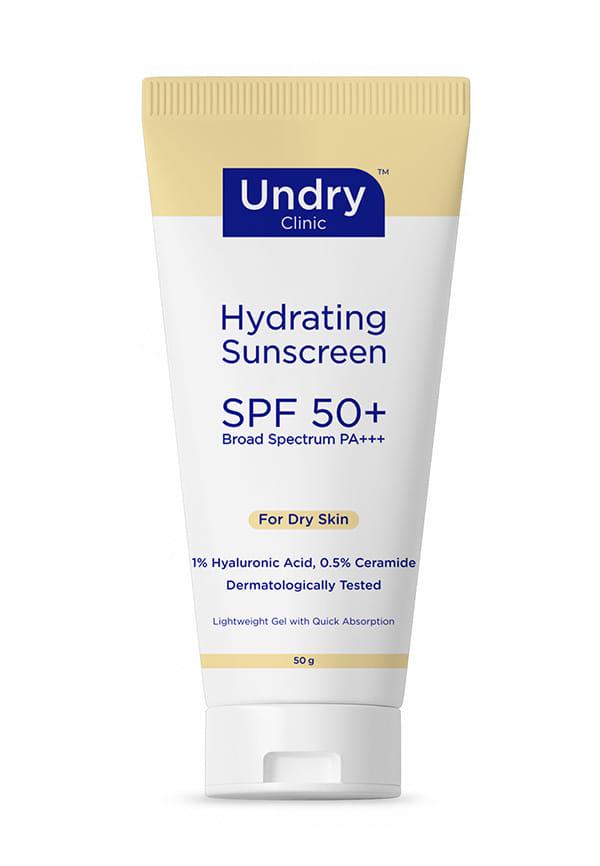
Hydrating Sunscreen for Dry Skin SPF 50
Dry skin benefits from the extra hydration that comes with using both a moisturiser and separate sunscreen. However, high-quality moisturisers with SPF can provide adequate hydration and protection for mild to moderate dryness. Look for formulations with hyaluronic acid, ceramides, or glycerin alongside the SPF.
Sensitive skin often responds better to mineral sunscreens with zinc oxide or titanium dioxide, whether in a dedicated sunscreen or moisturiser format. These physical blockers are less likely to cause irritation compared to chemical filters, making them ideal for reactive skin types.
The question of whether a moisturiser with SPF 50 provides adequate protection depends largely on your lifestyle and sun exposure patterns. For office workers who spend most of their day indoors with minimal sun exposure, a well-formulated moisturiser with SPF can provide sufficient sun damage prevention.
However, there are scenarios where dedicated sunscreen becomes essential. If you're spending extended time outdoors, exercising, swimming, or live in a high UV index environment, the superior coverage and reapplication ease of dedicated sunscreen makes it the better choice. The water resistance and staying power of purpose-built sunscreens typically outperform moisturisers with SPF in these demanding conditions.
If you're using tretinoin, retinol, or AHAs in your routine, your skin becomes more photosensitive, making robust sun protection crucial. In these cases, dedicated broad spectrum sunscreen with SPF 30 or higher is typically recommended over moisturisers with SPF, as the protection needs to be more reliable and reapplication more frequent.
When shopping for effective moisturisers with SPF, certain features indicate a product that can truly deliver on both hydration and protection. Look for formulations that list their UV filters prominently and include moisturising ingredients like niacinamide, peptides, or vitamin E.
The texture should feel substantial enough that you'll naturally apply an adequate amount, but not so heavy that you'll skimp on application. Water resistance, whilst not essential for daily wear, indicates a more robust formulation that's likely to maintain its protective properties throughout the day.
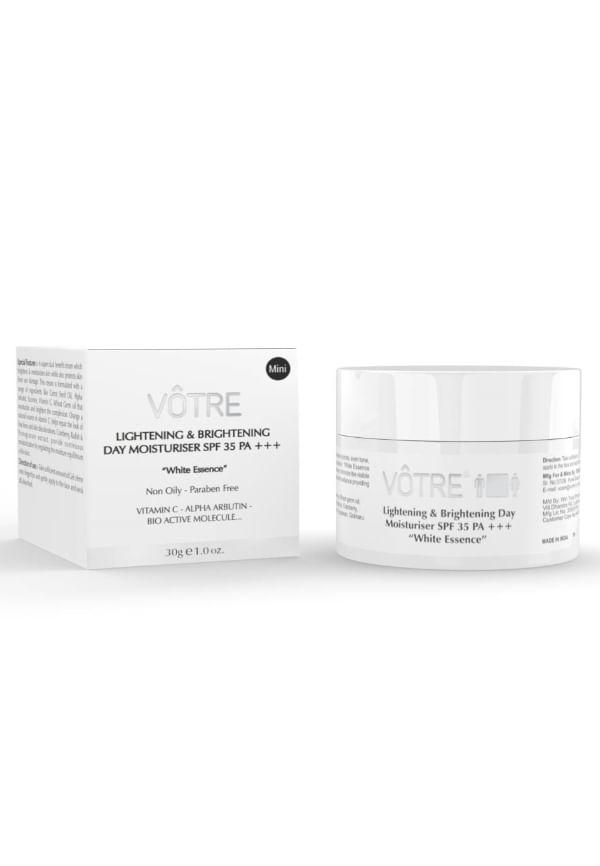
Lightening & Brightening Day Moisturiser Spf 35 Pa +++
The most effective 2-in-1 products combine stable UV filters with proven moisturising ingredients. Zinc oxide pairs beautifully with hyaluronic acid, whilst chemical filters work well alongside ceramides and glycerin. These combinations ensure you're getting meaningful benefits from both aspects of the product.
If you choose to use separate moisturiser and sunscreen, timing becomes important for optimal effectiveness. Allow your moisturiser to fully absorb before applying sunscreen – typically 2-3 minutes is sufficient. This prevents the products from mixing and potentially reducing the sunscreen's effectiveness.
The order matters too: moisturiser first, then sunscreen. This ensures your skin gets the hydration it needs whilst maintaining the protective barrier that sunscreen provides. Some people worry that moisturiser will dilute their sunscreen, but when applied correctly with proper timing, both products can work effectively together.
For busy mornings, apply your moisturiser first thing, then continue with other routine steps like brushing teeth or getting dressed before applying sunscreen. This natural timing gap allows for proper absorption without adding extra waiting time to your routine.
Dermatologists generally agree that the best sun protection is the one you'll actually use consistently. This means considering your lifestyle, skin type, and personal preferences when making the choice between moisturiser with SPF and dedicated sunscreen.
For minimal sun exposure days, quick morning routines, or when you're primarily indoors, a good moisturiser with SPF can provide adequate protection whilst streamlining your routine. This approach works particularly well for people who find multi-step routines overwhelming or those with time constraints in the morning.
Extended outdoor activities, high UV environments, beach days, or any situation requiring reapplication throughout the day calls for dedicated sunscreen. The superior protection, water resistance, and ease of reapplication make it the clear choice for these scenarios. Additionally, if you're using active ingredients that increase photosensitivity, dedicated sunscreen provides the reliable protection your skin needs.
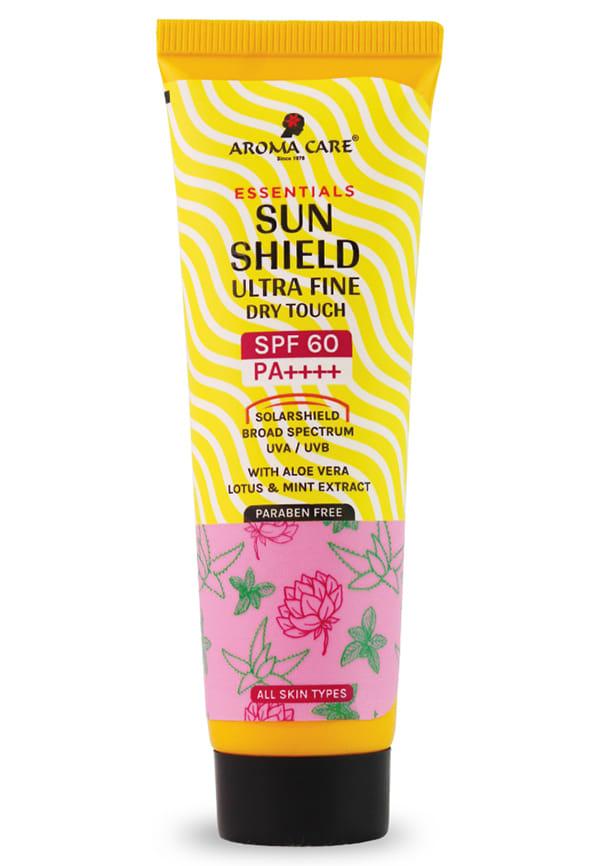
Sun Shield Ultra Fine Dry Touch SPF 60 PA++++
Moisturiser with SPF provides sun protection, but typically not to the same degree as dedicated sunscreen. The key difference lies in application amount and coverage. Most people apply less moisturiser than the amount needed for optimal SPF protection, reducing the actual protection level. Additionally, moisturisers with SPF often have lower concentrations of UV filters compared to dedicated sunscreens.
For minimal sun exposure and indoor days, a moisturiser with SPF 50 can provide adequate protection. However, for extended outdoor time, high UV environments, or when using photosensitising skincare ingredients, dedicated sunscreen is recommended. The application amount and reapplication ease of dedicated sunscreen typically provide more reliable protection in demanding conditions.
Whether using moisturiser with SPF or dedicated sunscreen, you need approximately 1/4 teaspoon (about 1.25ml) for your face and neck. This is roughly equivalent to three fingers' worth of product. Most people apply significantly less when using moisturiser, which reduces the actual SPF protection they receive.
Reapplication guidelines are the same regardless of product type: every 2 hours during sun exposure, or immediately after swimming, sweating, or towelling off. However, reapplying moisturiser with SPF can feel heavy and may interfere with makeup, making dedicated sunscreen more practical for reapplication throughout the day.
When using photosensitising ingredients like tretinoin or retinol, SPF 30 is the minimum recommended protection, but SPF 50 is often preferred. More importantly, the sunscreen should be broad spectrum and applied generously. Many dermatologists recommend dedicated sunscreen over moisturiser with SPF for patients using these active ingredients due to the increased protection needs.
Mixing moisturiser and sunscreen is not recommended as it can dilute the UV filters and reduce protection effectiveness. The products are formulated to work independently, and combining them may compromise the sunscreen's ability to form an even protective barrier on your skin.
The choice between moisturiser with SPF and dedicated sunscreen ultimately comes down to your lifestyle, skin needs, and sun exposure patterns. Both options have their place in a comprehensive approach to sun damage prevention, and many people find success using different approaches for different situations – moisturiser with SPF for low-exposure days and dedicated sunscreen for outdoor activities.
What matters most is consistency. The best sun protection is the one you'll use every single day, applied in adequate amounts. Whether that's a streamlined moisturiser with SPF or a dedicated two-step routine depends on what works for your skin and schedule.
If you're curious about trying different formulations to find what works best for your skin, Smytten's curated selection includes moisturisers with SPF and dedicated sunscreens from trusted brands. The platform's trial options let you test different approaches before committing to full-size products, making it easier to discover your ideal sun protection routine without the guesswork.
