Mineral Sunscreen Meaning: Your FAQ Answered


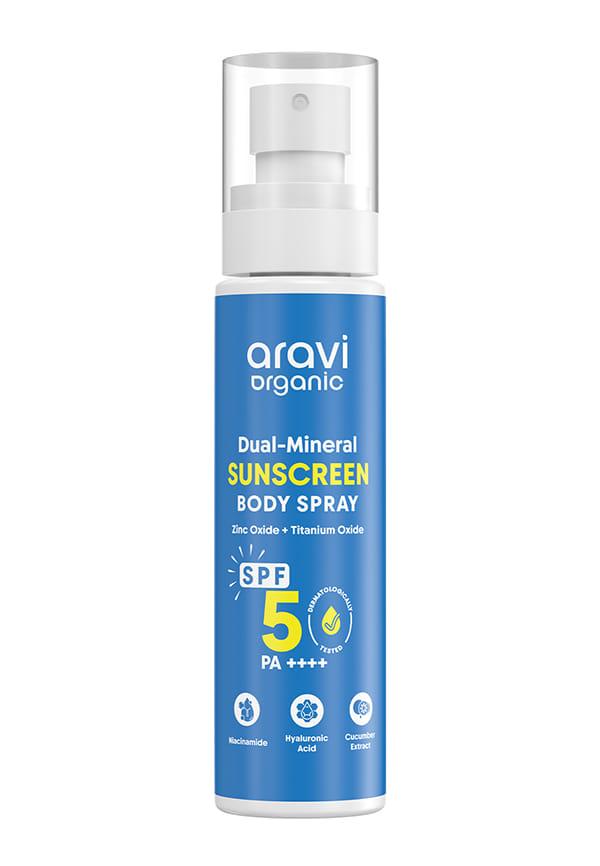
Dual Mineral Sunscreen Body Spray with SPF 50 PA++++, Zinc Oxide & Titanium Dioxide
You've probably stood in the sunscreen aisle, squinting at labels and wondering what makes one bottle different from another. With terms like "mineral," "chemical," and "physical" thrown around, choosing the right sun protection can feel overwhelming. If you've ever wondered about mineral sunscreen meaning or whether it's worth the switch from your usual formula, you're not alone. Let's break down everything you need to know about mineral sunscreen, from how it works to why dermatologists often recommend it for sensitive skin.
Mineral sunscreen, also called physical sunscreen, is a type of sun protection that uses natural mineral compounds to shield your skin from harmful UV rays. Unlike chemical sunscreens that absorb into your skin, mineral formulas sit on top of your skin's surface, creating a protective barrier. The star ingredients in any mineral sunscreen are zinc oxide and titanium dioxide. These naturally occurring minerals have been used for sun protection for decades, and they're the only two ingredients that provide true broad spectrum sunscreen protection on their own. When you apply mineral sunscreen, these minerals form a physical shield that reflects and scatters both UVA and UVB rays away from your skin. One of the biggest advantages of mineral sunscreen is that it provides immediate protection. The moment you apply it, you're protected – no waiting around for 15-30 minutes like you would with chemical formulas. This makes it particularly convenient for those quick morning routines or last-minute beach trips.
Think of mineral sunscreen as a tiny mirror system for your skin. When UV rays hit the zinc oxide or titanium dioxide particles, they're reflected and scattered in different directions, preventing them from penetrating your skin and causing damage. This reflection mechanism is fundamentally different from how chemical sunscreens work. Chemical formulas absorb UV rays, convert them to heat, and then release that heat from your skin. Mineral sunscreens, on the other hand, act like a physical shield – the UV rays never actually enter your skin in the first place. The particles in modern mineral sunscreen formulations are often micronised, meaning they're broken down into incredibly small sizes. This helps reduce the white cast that older mineral sunscreens were notorious for, whilst still maintaining their protective properties. The broad spectrum protection comes naturally with these ingredients – zinc oxide protects against both UVA and UVB rays, whilst titanium dioxide primarily shields against UVB rays.
The choice between mineral and chemical sunscreen often comes down to your skin type and personal preferences. Mineral sunscreen tends to be thicker and may leave a slight white cast, especially on deeper skin tones. However, modern formulations have come a long way in addressing these concerns. For sensitive skin, mineral sunscreens are often the clear winner. They're less likely to cause irritation because the active ingredients don't penetrate your skin. If you have conditions like rosacea, eczema, or acne-prone skin, dermatologists frequently recommend mineral formulas because they're gentler and less likely to trigger flare-ups. Chemical sunscreens, whilst often more cosmetically elegant, can sometimes cause stinging around the eyes or irritation for those with reactive skin. They also require that 15-30 minute activation time, which many people forget about or find inconvenient.
Mineral sunscreens typically have a thicker, creamier texture that requires a bit more effort to blend in properly. However, this substantial feel can actually be reassuring – you know you've got a proper layer of protection on your skin. Chemical sunscreens often feel lighter and more like a moisturiser, which some people prefer for daily wear under makeup.
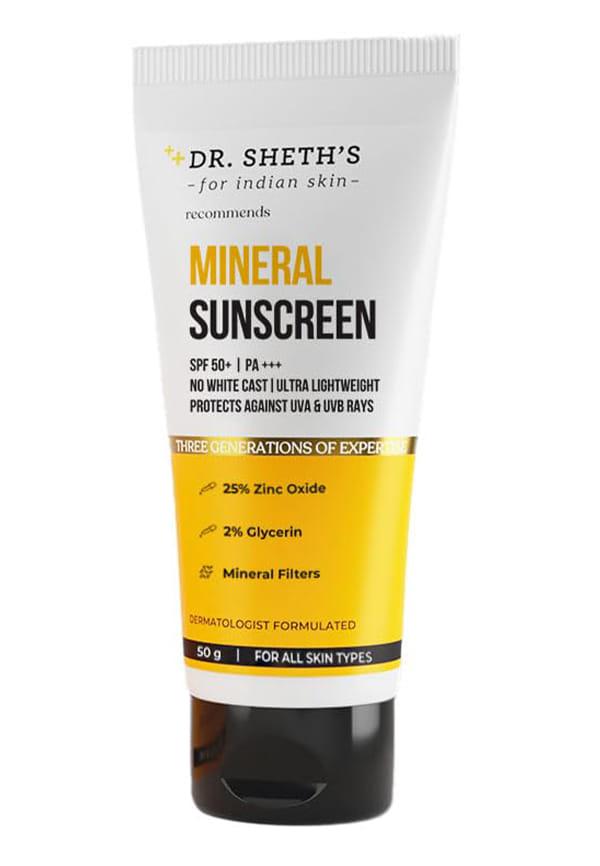
Mineral Sunscreen
Zinc oxide sunscreen offers some unique benefits beyond just sun protection. Zinc oxide has natural anti-inflammatory properties, which is why it's often used in nappy rash creams and treatments for irritated skin. This makes mineral sunscreens particularly beneficial for anyone dealing with inflammatory skin conditions. One of the most compelling reasons to choose mineral sunscreen is its environmental impact. Many chemical sunscreen ingredients, particularly oxybenzone and octinoxate, have been shown to contribute to coral reef bleaching. Reef safe sunscreen formulations use only mineral ingredients, making them a more environmentally conscious choice for beach holidays and water activities. Mineral sunscreens are also excellent for children and babies over six months old. Paediatricians often recommend them because they're less likely to cause reactions and won't sting if they accidentally get in little eyes during application.
For everyday use, mineral sunscreens work beautifully under makeup. They create a smooth base that can actually help your foundation last longer. Many people find that their makeup looks better over mineral sunscreen because it provides a slightly mattifying effect.
When shopping for mineral sunscreen, the active ingredients list is your best friend. Look for products that list only zinc oxide and/or titanium dioxide as active ingredients. If you see names like oxybenzone, avobenzone, octinoxate, or octisalate, you're looking at a chemical sunscreen. Some products combine both mineral and chemical ingredients, which can be confusing. These hybrid formulas might offer some benefits of both types, but they won't give you the pure mineral experience if that's what you're after. Pay attention to the concentration of active ingredients as well. For effective protection, look for at least 10% zinc oxide or 5% titanium dioxide. Many dermatologists prefer zinc oxide concentrations of 15-20% for optimal protection.
Brands often use terms like "physical," "natural," or "mineral" interchangeably when describing these sunscreen ingredients. All of these terms generally refer to the same type of product, but always check the active ingredients to be sure.
Face-specific mineral sunscreens are formulated to be less heavy and work well under makeup. These often include additional skincare benefits like antioxidants or moisturising ingredients. Look for products specifically labelled for facial use, as they're typically more refined in texture. For body protection, you can often get away with slightly thicker formulations that might not work as well on your face. Body mineral sunscreens are usually more affordable per ounce and provide excellent protection for larger surface areas. Tinted mineral sunscreens have become increasingly popular as they help counteract any white cast whilst providing coverage similar to a light foundation. These work particularly well for medium to deeper skin tones that might struggle with traditional white mineral formulas.
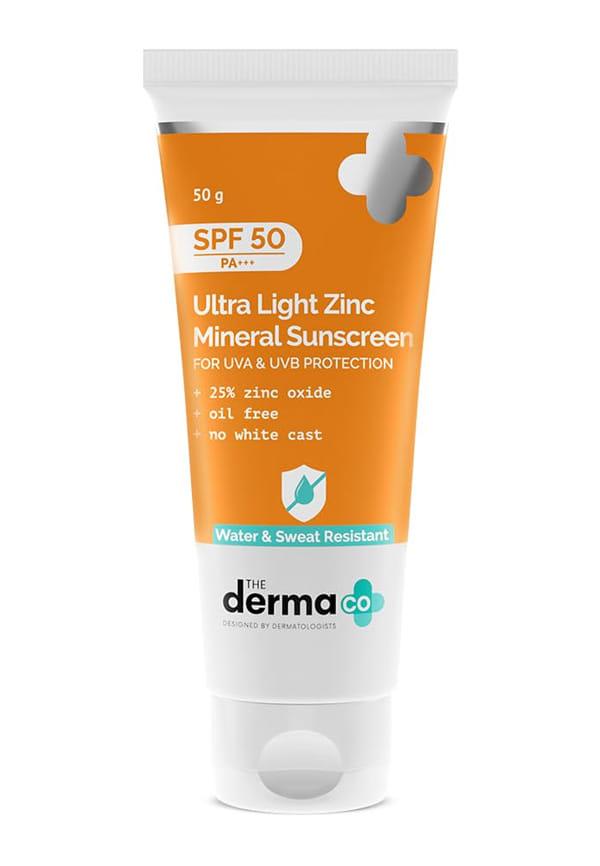
Ultra Light Zinc Mineral Sunscreen with SPF 50 PA+++
If you're planning water activities or intense workouts, look for water-resistant mineral sunscreens. These formulations are designed to maintain their protective properties even when you're sweating or swimming, though you'll still need to reapply regularly.
The white cast issue is probably the most common complaint about mineral sunscreens. Modern formulations have largely addressed this, but proper application technique makes a huge difference. Apply in thin layers, blending thoroughly, rather than trying to spread a thick layer all at once. If you're still experiencing white cast, try warming the product between your hands before application, or look for tinted versions that match your skin tone. Some brands now offer multiple tint shades to suit different complexions. Reapplication can be trickier with mineral sunscreens, especially over makeup. Powder mineral sunscreens or setting sprays with mineral ingredients can help with touch-ups throughout the day.
Mineral sunscreens often cost more than chemical alternatives, but consider the long-term benefits for your skin health. The gentle, non-irritating nature of mineral formulas can actually save money on treating sun damage or sensitivity reactions down the line.
Mineral sunscreen offers immediate protection and is gentler for sensitive skin, whilst chemical sunscreen may provide more cosmetically elegant formulations. The choice depends on your individual skin needs, sensitivity levels, and personal preferences for texture and application.
Dermatologists typically recommend mineral sunscreens for people with sensitive skin, skin conditions like rosacea or eczema, or those seeking reef-safe options. The gentle, non-irritating formulation makes mineral sunscreen a safer choice for reactive skin types.
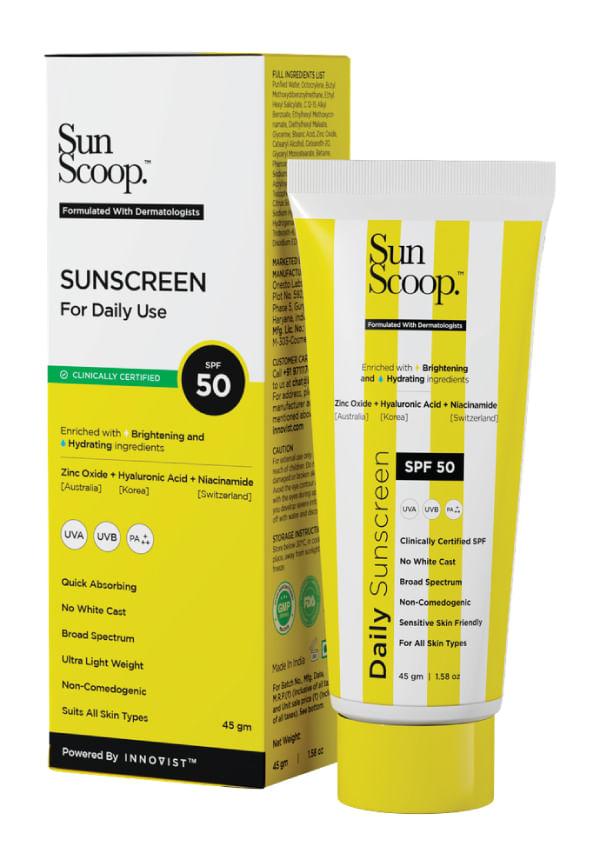
Daily SPF 50 Sunscreen Cream | UV Filter Zinc Oxide
Main drawbacks include potential white cast on deeper skin tones, thicker texture that requires more blending, and typically higher cost. However, modern formulations have significantly improved these concerns with better textures and tinted options.
Check the active ingredients list on the product label. Mineral sunscreens contain only zinc oxide and/or titanium dioxide, whilst chemical sunscreens list ingredients like oxybenzone, avobenzone, octinoxate, or other chemical UV filters.
Yes, mineral sunscreen is excellent for daily use. Its gentle formulation makes it suitable for everyday application, and it works well under makeup. The immediate protection and non-irritating properties make it ideal for consistent daily sun protection.
Yes, mineral sunscreen does expire, typically after 2-3 years. Check the expiration date on the packaging, and replace any sunscreen that has changed colour, consistency, or smell, as this indicates the protective ingredients may have degraded.
Understanding mineral sunscreen meaning empowers you to make informed decisions about your sun protection routine. Whether you're dealing with sensitive skin, looking for reef-safe options, or simply want immediate protection without the wait time, mineral sunscreens offer compelling benefits that make them worth considering. The key is finding the right formulation for your skin type and lifestyle. Don't be discouraged if the first mineral sunscreen you try isn't perfect – there are numerous options available, from lightweight daily formulas to water-resistant sport versions. Smytten's curated selection includes mineral sunscreens from trusted brands, making it easier to find the right match for your skin. With over 28 million users discovering their perfect products through the platform, you're in good company when exploring new sun protection options. If you're curious about trying a mineral sunscreen but not ready to commit to a full-size product, Smytten also offers minis from many of these brands, letting you test different formulations before making your final choice.
