Microneedling FAQ: Your Guide to Indian Skin Concerns

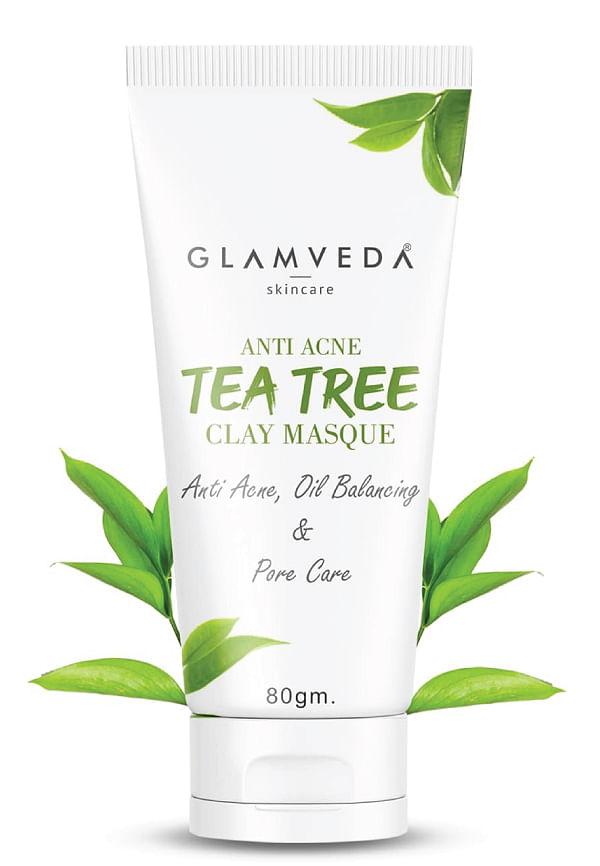
Tea tree Anti Acne Mud Pack
You've probably heard the buzz around microneedling and wondered if it's the answer to your skin concerns. Maybe you're dealing with stubborn acne scars that won't budge, or perhaps those dark spots from last summer's breakouts are still lingering. The good news? Microneedling, also known as collagen induction therapy, has shown remarkable results for Indian skin types. But before you book that appointment, let's address all your questions about this increasingly popular skin needling treatment.
What is microneedling and how does it help Indian skin concerns? At its core, microneedling is a minimally invasive procedure that uses fine needles to create controlled micro-injuries in the skin. These tiny punctures trigger your body's natural healing response, stimulating collagen and elastin production. Think of it as giving your skin a gentle wake-up call to start repairing itself.
The process works particularly well for Indian skin because it addresses common concerns like hyperpigmentation, acne scarring, and uneven texture without the harsh side effects that some chemical treatments might cause on melanin-rich skin. The controlled nature of the treatment means your dermatologist can customise the needle depth and intensity based on your specific skin type and concerns.
Professional treatments typically use needles ranging from 0.5mm to 2.5mm in depth, whilst microneedling at home devices usually feature shorter needles (0.2mm to 0.5mm). The deeper penetration in professional settings allows for more dramatic results, particularly for acne scars and significant texture issues. Home devices are better suited for maintenance and mild skin improvement.
Indian skin faces unique challenges due to our climate, genetics, and lifestyle factors. The combination of humidity, pollution, and strong UV exposure often leads to specific skin issues that microneedling can effectively address.
Microneedling for acne scars works by breaking down old scar tissue and encouraging new, healthy skin cell formation. The treatment is particularly effective for rolling and boxcar scars, which are common in Indian skin types. Most people see noticeable improvement after 3-6 sessions, with scars becoming less deep and more blended with surrounding skin.
Post-inflammatory hyperpigmentation (PIH) is incredibly common in Indian skin, often appearing after acne, cuts, or even minor irritation. Microneedling for hyperpigmentation helps by promoting cellular turnover and allowing better penetration of brightening serums like vitamin C and niacinamide. The treatment gradually fades dark spots whilst improving overall skin tone.
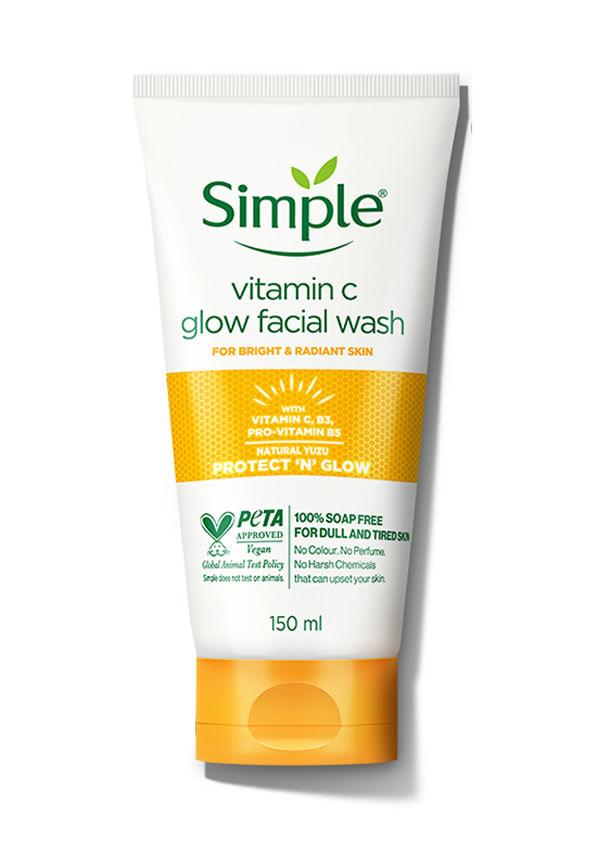
Protect N Glow Vitamin C Glow Facial Wash
Microneedling for wrinkles stimulates collagen production, which naturally decreases as we age. Fine lines around the eyes, mouth, and forehead respond particularly well to treatment. The beauty of this approach is that it works with your skin's natural processes rather than against them.
One of the biggest advantages of microneedling is its safety profile for darker skin tones. Unlike some laser treatments or chemical peels that can cause hyperpigmentation in melanin-rich skin, microneedling carries a much lower risk of post-treatment darkening when performed correctly.
However, choosing the right practitioner is crucial. Look for dermatologists or trained aestheticians who have specific experience with Indian skin types. They'll understand how to adjust needle depth, treatment intensity, and aftercare protocols to minimise any risk of complications.
Certain conditions make microneedling unsuitable. These include active acne (though post-acne scarring can be treated), eczema, psoriasis, or any open wounds in the treatment area. Pregnant women should also avoid the procedure, and those with a history of keloid scarring need careful evaluation before proceeding.
Understanding microneedling side effects helps you prepare properly and know what's normal versus concerning. Immediately after treatment, your skin will look red and feel slightly tender, similar to a mild sunburn. This is completely normal and typically subsides within 24-48 hours.
Many people ask, "How will I look 2 days after microneedling?" By day two, the initial redness should be fading, though your skin might still appear slightly pink. Some people experience light peeling or flaking as the skin begins its renewal process. This 'bronzing' effect is actually a good sign that the treatment is working.
Plan your treatment timing carefully. Avoid important social events for at least 3-5 days post-treatment. Most people can return to work after 2-3 days with minimal makeup to cover any residual pinkness. The key is patience – your skin is doing important repair work beneath the surface.
Proper microneedling aftercare is crucial for achieving the best results and preventing complications. Your skin will be more sensitive and permeable after treatment, making it both more vulnerable and more receptive to skincare products.
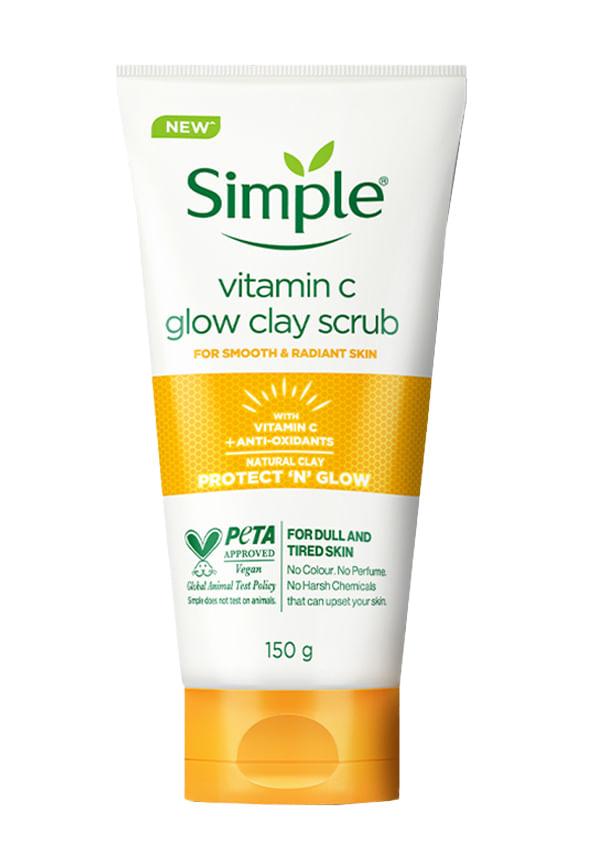
Protect N Glow Vitamin C Glow Clay Scrub
For the first 24-48 hours, stick to gentle, fragrance-free cleansers and moisturisers. Avoid active ingredients like retinol, AHAs, or BHAs for at least a week. Sun protection is absolutely essential – your newly treated skin will be more susceptible to UV damage and hyperpigmentation.
Week 1: Focus on gentle hydration and sun protection. Use a mild cleanser, hydrating serum with hyaluronic acid, and a broad-spectrum SPF 30 or higher. Avoid makeup for the first 24 hours if possible.
Week 2-4: Gradually reintroduce your regular skincare routine. This is when you'll start seeing the glow and texture improvements that make microneedling so popular.
Microneedling cost varies significantly across India, typically ranging from ₹3,000 to ₹8,000 per session in major cities like Mumbai, Delhi, and Bangalore. Smaller cities often offer more affordable options, with prices starting around ₹2,000 per session. Most dermatologists recommend 3-6 sessions spaced 4-6 weeks apart for optimal results.
When considering microneedling at home, devices range from ₹1,500 to ₹15,000. Whilst more affordable in the long run, home treatments require careful research and technique. The results are typically more subtle and take longer to achieve compared to professional treatments.
Consider the total investment rather than per-session cost. A complete professional treatment course might cost ₹15,000-₹40,000, but the results can last 6-12 months with proper maintenance. Compare this to ongoing skincare products or other treatments you might otherwise use.
Most people describe the sensation as mild to moderate discomfort, similar to light sandpaper being moved across the skin. Professional treatments often include topical numbing cream, making the procedure quite tolerable. Pain levels vary based on needle depth and individual sensitivity.
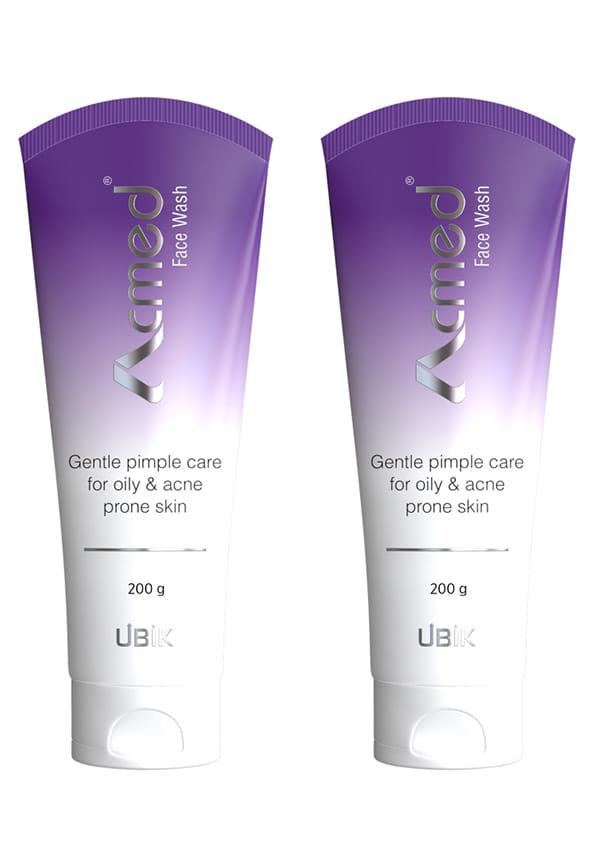
Pimple Care Face Wash for Acne Prone Skin 200 ML
This depends on your specific concerns. Mild texture issues might improve after 2-3 sessions, whilst deeper acne scars typically require 4-6 treatments. Your dermatologist will create a personalised treatment plan based on your skin assessment.
Initial glow and texture improvements appear within 1-2 weeks. Significant changes in scarring or hyperpigmentation become visible after 4-6 weeks, with continued improvement over 3-6 months as collagen remodelling continues.
Yes, microneedling pairs well with chemical peels, PRP therapy, and certain serums. However, timing is crucial. Most combination treatments are spaced 2-4 weeks apart to allow proper healing.
Absolutely not! Microneedling can be beneficial at any age. For those over 40, it's particularly effective for addressing fine lines, age spots, and improving overall skin texture. The treatment can be customised to address mature skin concerns whilst remaining gentle enough for regular maintenance.
Derma rolling is a form of at-home microneedling using a roller device with needles. Professional microneedling uses more precise devices with adjustable needle depths and often includes additional therapies like serum infusion.
Yes, microneedling can improve the appearance of stretch marks by stimulating collagen production in the affected areas. However, results vary based on the age and severity of the stretch marks.
Microneedling offers a promising solution for many common Indian skin concerns, from acne scarring to hyperpigmentation and signs of ageing. The treatment's safety profile for darker skin tones, combined with its ability to stimulate natural healing processes, makes it an attractive option for those seeking skin improvement without harsh chemicals or invasive procedures.
The key to success lies in choosing the right practitioner, following proper aftercare protocols, and maintaining realistic expectations about results and timelines. Remember that skincare is a journey, not a destination – microneedling can be an excellent tool in your arsenal, but it works best as part of a comprehensive approach to skin health.
If you're exploring skincare options and want to try products that complement your microneedling journey, Smytten's curated selection includes gentle, effective formulations from trusted brands. With over 28 million users discovering their perfect skincare matches, the platform makes it easy to find products that work specifically for your skin type and concerns.
