Micellar Water vs Face Wash: Which is Best for Your Skincare Routine in India?

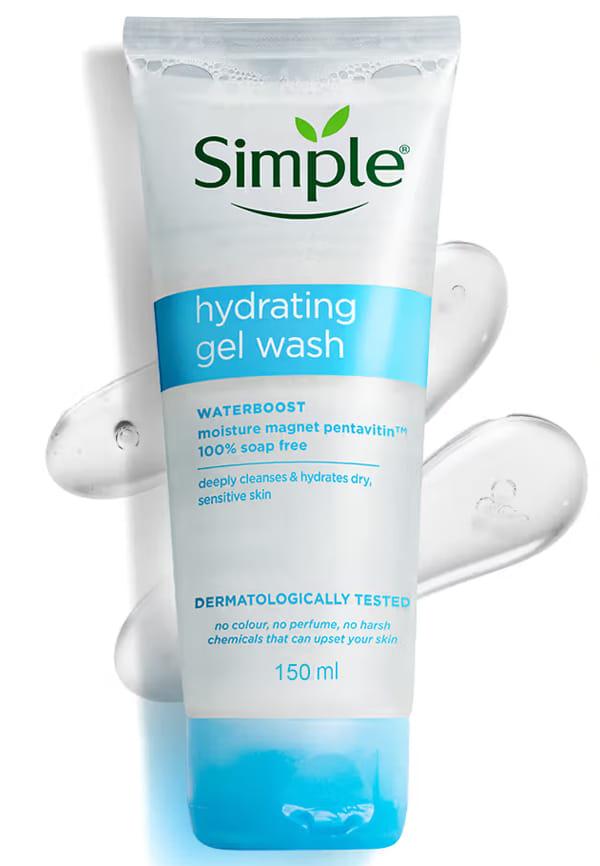
Hydrating Gel Face Wash, Gentle Hydrating Cleanser With Pentavitin
Let's be real—choosing between micellar water and face wash can feel like picking a favourite child. Both promise to cleanse your skin, but they work in completely different ways. With India's unique climate challenges—from Mumbai's humidity to Delhi's pollution—finding the right cleanser isn't just about preference, it's about what actually works for your skin. Whether you're team quick-cleanse or deep-clean devotee, understanding the micellar water vs face wash debate will help you build a skincare routine that actually makes sense for your lifestyle and skin type.
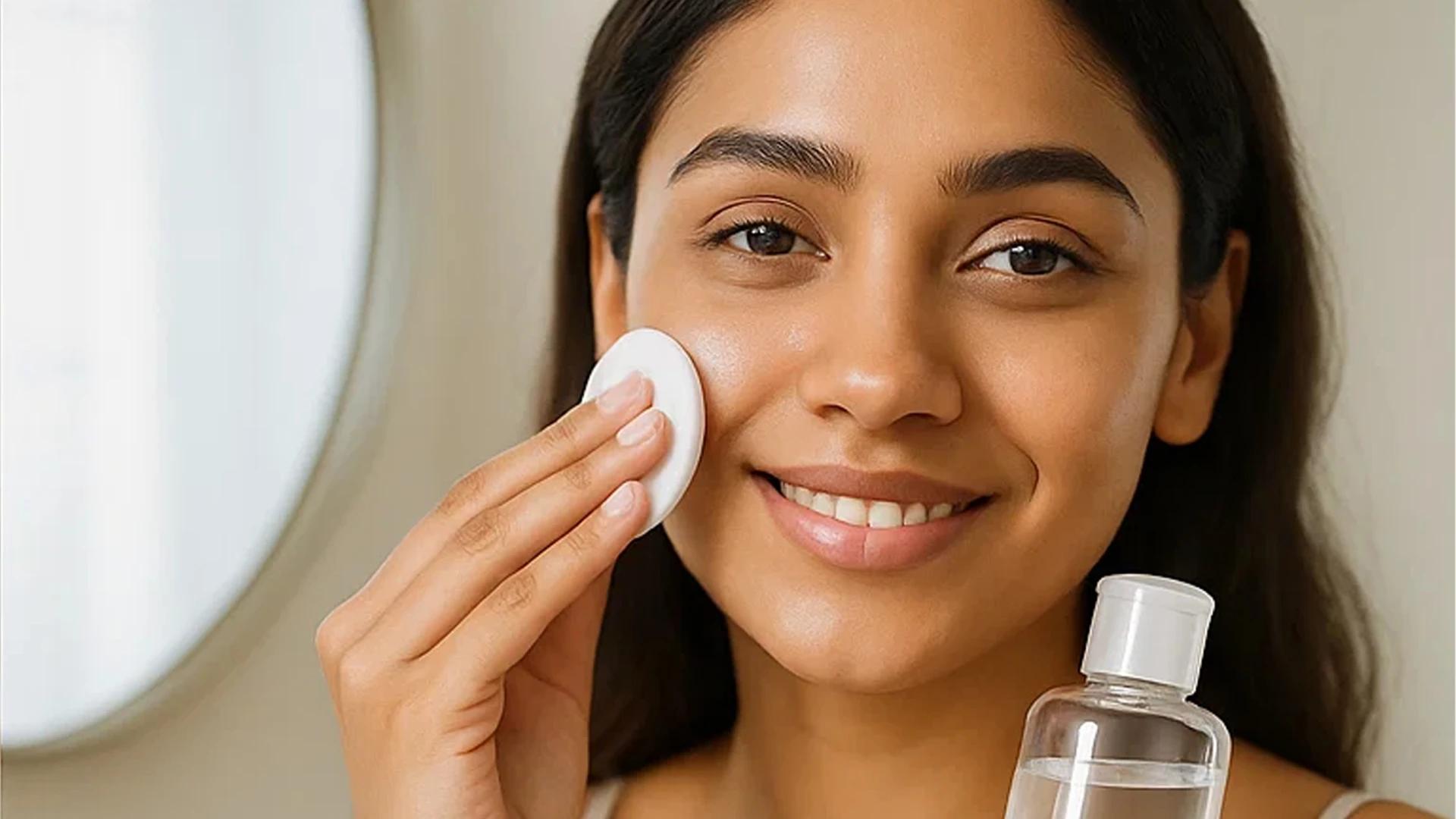
Micellar water might sound fancy, but it's actually quite simple science. Think of it as tiny magnets floating in water—these microscopic cleansing molecules called micelles grab onto dirt, oil, and makeup without needing to scrub or rinse. It's like having a gentle cleanser that does all the work while you just swipe a cotton pad across your face.
The magic happens at a molecular level. Micelles are spherical structures with a water-loving outside and oil-loving inside. When you apply this cleansing water to your skin, these micelles surround and lift away impurities without disrupting your skin's natural barrier. No harsh rubbing, no tight feeling afterwards—just clean skin that feels comfortable.
Here's where micellar water benefits really shine for Indian skincare routines. First off, it's a godsend if you live in areas with hard water—you know, that chalky feeling your regular cleanser leaves behind? Micellar water sidesteps that entirely since you don't need to rinse.
The hydrating properties are another win. Unlike traditional cleansers that can strip your skin, micellar water maintains moisture levels while cleansing. Perfect for those early morning rushes when you need clean skin but don't want to deal with the full wash-and-dry routine.
Now, let's talk about the heavyweight champion of cleansing—face wash. While micellar water works gently on the surface, face wash dives deep into your pores, tackling everything from stubborn sunscreen to the day's pollution buildup. It's the difference between a gentle pat-down and a thorough security check.
The face wash benefits vary wildly depending on what type you choose. Foaming cleansers create that satisfying lather and work brilliantly for oily skin, while cream cleansers offer gentle hydration for dry skin types. Gel cleansers sit somewhere in the middle, offering effective cleansing without overdrying.
Active ingredients make the real difference here. Salicylic acid tackles acne and blackheads, glycolic acid provides gentle exfoliation, and niacinamide helps control oil production. Your best face wash choice depends entirely on what your skin needs most.
India's environmental challenges make face wash particularly valuable. Between pollution particles, dust, sweat, and heavy-duty sunscreens, your skin faces a lot each day. Face wash provides the deep cleansing power needed to remove these stubborn impurities that surface-level cleansing might miss.
The exfoliation benefits are worth mentioning too. Many face washes contain gentle exfoliating ingredients that help prevent clogged pores—crucial in humid climates where your skin produces more oil.
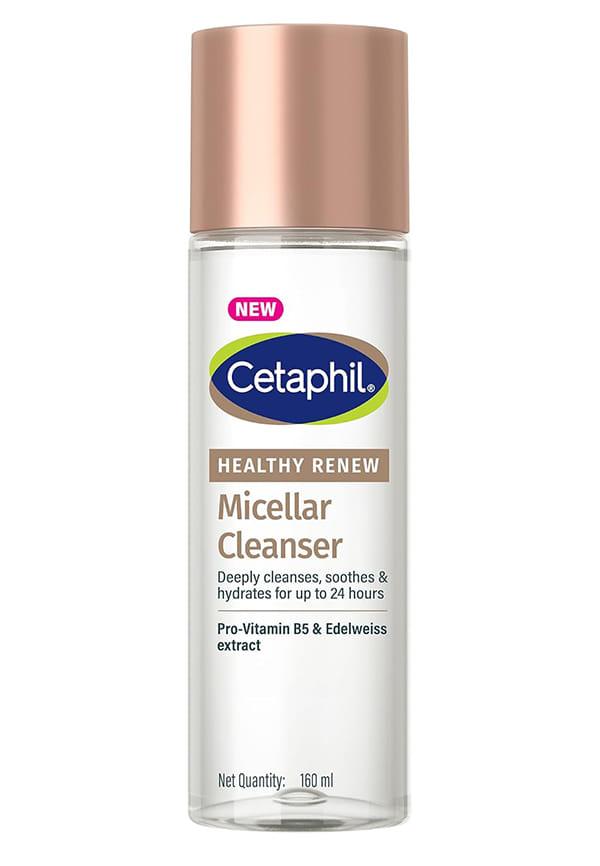
Optimal Healthy Renew Micellar Cleanser
Right, let's get into the nitty-gritty of micellar water vs face wash india and see how these two stack up in real-world scenarios. Both have their strengths, but understanding when to use which makes all the difference in your skincare routine.
For makeup removal, micellar water takes the crown—especially for eye makeup and light foundation. It dissolves makeup without tugging at delicate skin. However, when it comes to removing heavy-duty Indian sunscreens (and let's face it, we need them), face wash often does a more thorough job.
The micellar water vs face wash india debate gets interesting with pollution removal. While micellar water can handle surface dirt, face wash's deeper cleansing action is better equipped to tackle the fine pollution particles that settle into pores throughout the day.
For oily skin, this comparison gets tricky. Micellar water won't strip your skin, but it might not provide the oil control you need during monsoon season. Face wash with salicylic acid or tea tree oil might be your better bet for managing excess sebum.
Sensitive skin folks, however, might find micellar water more forgiving. It's less likely to cause irritation or that tight, uncomfortable feeling some cleansers leave behind. Dry skin types can benefit from both—micellar water for gentle daily cleansing and a hydrating face wash when deeper cleansing is needed.
Let's talk practicality. Micellar water wins hands-down for convenience—no water needed, quick application, perfect for travel or those 6 AM gym sessions. Face wash requires more time and access to clean water, but provides that deep-clean satisfaction many people crave.
Cost-wise, micellar water might seem pricier per bottle, but you use less product per application. Face wash typically offers more uses per rupee, making it budget-friendly for daily deep cleansing.
The real magic happens when you understand timing. Rather than choosing sides in the micellar water vs face wash debate, smart skincare means using each when it serves you best. Think of them as different tools for different jobs, not competitors fighting for the same spot.
Morning cleansing with micellar water makes perfect sense if you cleansed properly the night before. Your skin isn't dealing with makeup or pollution buildup—just overnight oil production and maybe some skincare residue. A gentle cleanser like micellar water removes these without stripping your skin's protective barrier.
However, if you wake up with particularly oily skin or live in a very humid area, a light face wash might serve you better. The key is reading your skin's needs rather than following rigid rules.
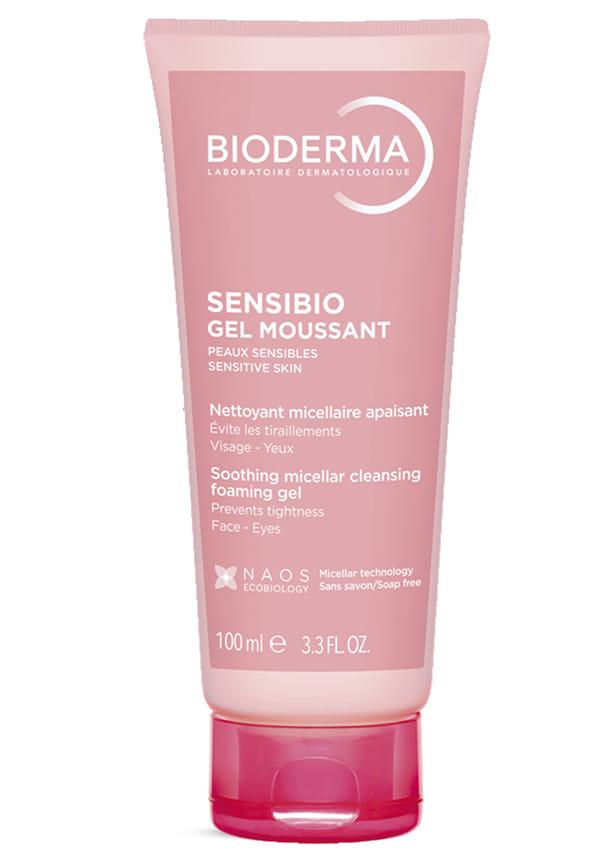
Sensibio Gentle Soothing Micellar Cleansing Foaming Gel For Sensitive Skin
Here's where the magic really happens—using both as part of a double cleansing routine. Start with micellar water to remove makeup and surface impurities, then follow with face wash to deep clean your pores. This skin cleanser layering approach gives you the best of both worlds.
The double cleansing method is particularly brilliant for Indian skincare routines because it addresses both gentle makeup removal and thorough pollution cleansing. Your skin gets completely clean without being over-stripped.
Dermatologists generally agree that both micellar water and face wash have their place in skincare routines. The key insight from skin experts is that effective cleansing depends more on consistency and proper technique than on choosing the "perfect" product.
Most skin experts recommend micellar water for sensitive skin types or as a first step in double cleansing. They appreciate its gentle nature and ability to remove makeup without irritation. For face wash, dermatologists emphasise choosing formulations appropriate for your skin type and avoiding over-cleansing.
The professional consensus leans towards using both products strategically rather than relying on just one. This approach to cleansing products selection ensures your skin gets appropriate care for different situations and needs.
Over-cleansing ranks as the top mistake people make. Using harsh face wash twice daily or thinking more cleansing equals better skin can damage your skin barrier. Similarly, relying solely on micellar water when your skin needs deeper cleansing can lead to clogged pores.
Another common error is not matching products to skin type. Using a foaming cleanser designed for oily skin when you have dry skin, or expecting micellar water to remove heavy makeup and sunscreen effectively, sets you up for skincare frustration.
Your perfect cleansing choice depends on several factors specific to Indian skincare needs. Climate, lifestyle, skin type, and personal preferences all play crucial roles in determining whether micellar water, face wash, or both work best for your skincare routine.
Start by honestly assessing your skin type and daily challenges. Do you wear heavy makeup? Live in a polluted city? Have sensitive skin that reacts to most products? Work long hours with limited time for elaborate routines? These factors guide your cleansing choices more than any generic recommendation.
Consider your environment too. Mumbai's humidity calls for different cleansing strategies than Bangalore's milder climate. Hard water areas might make micellar water more appealing, while soft water regions can accommodate various face wash types.
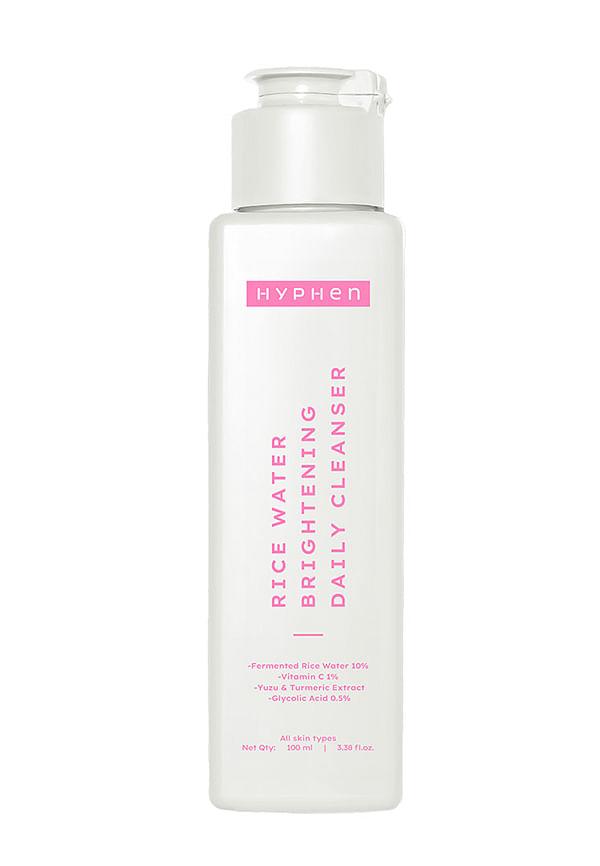
Rice Water Brightening Daily Cleanser | Brightens Skin, Reduces Dark Spots
For budget-conscious choices, look for micellar waters from trusted pharmacy brands or gentle, fragrance-free face washes. These provide effective cleansing without breaking the bank. Premium options often include additional skincare benefits like anti-ageing ingredients or specialised formulations for specific concerns.
Sensitive skin formulations focus on minimal ingredients and gentle cleansing action. Oily skin solutions typically include oil-controlling ingredients and deeper cleansing capabilities. The key is matching the product's strengths to your skin's specific needs.
Neither is universally "better"—it depends on your skin type, lifestyle, and cleansing needs. Micellar water excels at gentle, convenient cleansing and makeup removal, while face wash provides deeper pore cleansing and oil control. Many people find using both strategically gives the best results.
Yes, dermatologists often recommend micellar water, especially for sensitive skin or as part of a double cleansing routine. They appreciate its gentle formulation and effectiveness at removing makeup without irritation. However, they also emphasise that it might not be sufficient as a sole cleanser for everyone.
Micellar water's main limitations include insufficient cleansing power for heavy makeup or sunscreen, potential residue if not properly removed, and higher cost per use compared to traditional cleansers. It also might not provide the deep pore cleansing that acne-prone or very oily skin types need.
For some people with dry or sensitive skin who don't wear heavy makeup, micellar water can work as a standalone cleanser. However, most people benefit from occasionally using face wash for deeper cleansing, especially if they wear sunscreen daily or live in polluted environments.
For oily skin in India's humid climate, face wash typically provides better oil control and pore cleansing. However, micellar water can work well for morning cleansing or makeup removal, followed by face wash for thorough evening cleansing. The key is avoiding over-cleansing, which can trigger more oil production.
The micellar water vs face wash india debate doesn't need a definitive winner because both serve different purposes in effective skincare routines. Your skin's needs, lifestyle demands, and personal preferences should guide your choice—not arbitrary rules about which is "better."
Smart skincare means understanding when to use each product strategically. Whether you choose one or both, consistency matters more than perfection. With platforms like Smytten offering trial-sized versions of various cleansing products from trusted brands, you can experiment with different options without committing to full-size purchases. This approach helps you discover what actually works for your unique skin needs, making your skincare routine both effective and enjoyable. After all, why settle for maybe when you can try different cleansers and find your perfect match?
