Men's Skin vs Women's Skin Differences FAQ: What You Need to Know



Age Revival Face Wash For Aging Skin
Good Winter Product
 4
4“it is a good product for winter shop”
Ever wondered why your skincare routine might not work the same way for your partner? The truth is, men's skin vs women's skin differences go far beyond what meets the eye. Research shows that male skin is approximately 25% thicker than female skin, with significantly higher collagen density and different oil production patterns. These aren't just minor variations—they're fundamental biological differences that affect everything from how quickly we age to which skincare ingredients work best for us. Understanding these distinctions isn't about creating unnecessary divisions; it's about recognising that effective skincare starts with knowing your skin's unique characteristics. Whether you're dealing with hormonal breakouts, wondering why certain products don't deliver results, or simply curious about the science behind skincare, this guide breaks down the key differences between male and female skin. At Smytten, we've seen firsthand how understanding these nuances helps people make better product choices through our trial packs, allowing you to discover what truly works for your skin type before committing to full-size purchases.
TL;DR
Men's skin is 25% thicker with higher collagen density, leading to different aging patterns and product absorption rates
Hormonal differences create distinct oil production levels, with testosterone increasing sebum whilst estrogen affects hydration and elasticity
Acne causes and patterns vary significantly between genders due to hormonal fluctuations and lifestyle factors
Skincare routines should be tailored to these biological differences for optimal results
Both genders benefit from understanding their unique skin characteristics to make informed product choices
The most striking difference between male and female skin lies in its very structure. Scientific research consistently shows that men's skin is approximately 25% thicker than women's, a difference that becomes apparent from puberty onwards when hormonal changes begin to reshape our skin's architecture.
This thickness difference isn't just about surface appearance—it fundamentally changes how skin behaves. Male skin contains significantly higher collagen density, which explains why men often develop visible signs of aging later than women, though when they do appear, wrinkles tend to be deeper and more pronounced. The increased collagen also means male skin has greater resilience to environmental damage and maintains its structural integrity longer.
Women's skin appears softer and smoother partly due to its thinner structure and different cellular organisation. The epidermis in female skin has a more refined texture, whilst male skin's thicker dermis creates a coarser appearance. Additionally, the presence of facial hair and regular shaving in men creates unique textural characteristics that affect product absorption and skin sensitivity.
Skin pH levels also vary between genders, with male skin typically being slightly more acidic. This affects how skincare products interact with the skin barrier and influences which formulations work most effectively. Understanding these pH variations helps explain why some products that work brilliantly for one gender might feel irritating or ineffective for the other.
Hormones are perhaps the most significant factor creating skin differences between men and women. These chemical messengers don't just influence our mood and metabolism—they actively reshape our skin throughout our lives.
Testosterone stimulates increased skin thickness and dramatically affects oil production. Men typically produce twice as much sebum as women, leading to larger pores and a naturally oilier complexion. This hormone also influences hair growth patterns, creating the need for regular shaving, which can sensitise the skin and create unique care requirements.
Estrogen works differently, promoting skin hydration and maintaining elasticity. It helps preserve the skin's moisture barrier and supports collagen production, though at lower baseline levels than male skin. However, estrogen fluctuations during menstrual cycles, pregnancy, and menopause create varying skin conditions that require adaptive skincare approaches.
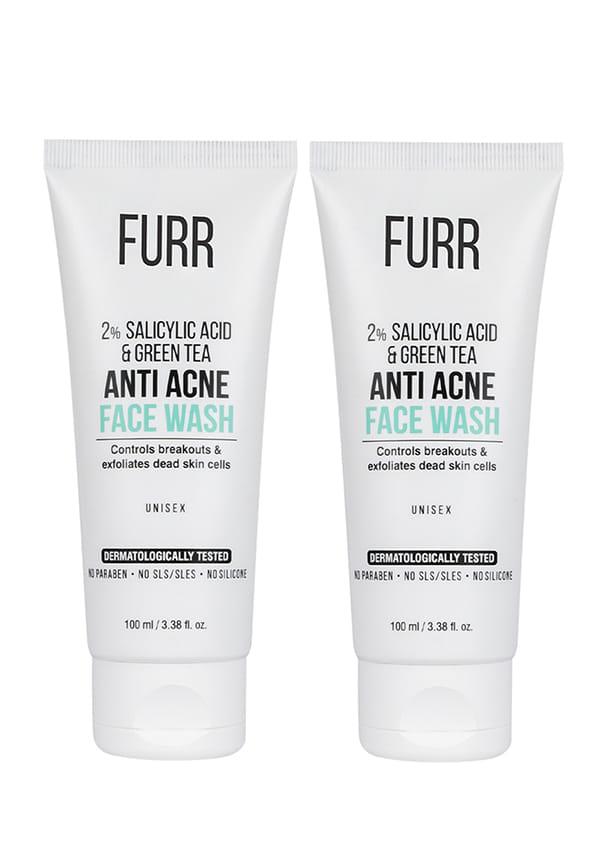
Anti Acne Face Wash For Men & Women
Both genders experience significant hormonal changes during puberty, but the patterns differ markedly. Male hormonal changes tend to stabilise in early adulthood, whilst women continue experiencing cyclical hormonal variations throughout their reproductive years. These ongoing fluctuations mean female skin often requires more flexible skincare routines that can adapt to changing needs.
The relationship between gender and acne isn't straightforward, despite common assumptions. Whilst men typically have oilier skin, acne causes and patterns vary significantly between genders due to complex interactions between hormones, lifestyle, and skin structure.
Male skin's higher oil production means enlarged pores and a naturally shinier complexion, particularly in the T-zone. However, this increased sebum also provides better natural moisturisation, which is why men often get away with simpler skincare routines. Women's lower baseline oil production means they're more prone to dehydration but less likely to experience the enlarged pores common in male skin.
Teenage acne affects both genders, but adult acne shows distinct patterns. Women are more likely to experience hormonal acne around the jawline and chin, particularly related to menstrual cycles. Men's acne often concentrates in the T-zone and can be exacerbated by shaving irritation. The deeper skin structure in men can also lead to more severe cystic acne when breakouts do occur.
These different acne patterns require tailored approaches. Women might benefit from cycle-syncing their skincare routine, using gentler products during sensitive times. Men often need stronger oil-control measures but should balance this with proper post-shave care to prevent irritation-induced breakouts.
Perhaps nowhere are skin differences more apparent than in how aging manifests. The interplay between skin thickness, collagen levels, and hormonal changes creates distinctly different aging patterns between men and women.
Men's higher baseline collagen means they often maintain a youthful appearance longer, but when aging becomes visible, it tends to happen more dramatically. Women experience gradual collagen loss starting in their twenties, accelerating significantly during menopause when estrogen levels drop. This creates different timelines for when anti-aging interventions become most beneficial.
Men typically develop deeper forehead lines and crow's feet, partly due to less frequent use of sun protection and eye creams. Women often see earlier signs around the eyes and mouth, areas where their thinner skin shows movement-related aging first. The regular facial expressions associated with makeup application can also influence where women develop expression lines.
Daily shaving can actually provide a mild exfoliating effect that helps male skin maintain smoothness, but it can also cause chronic irritation if not done properly. Women's regular use of makeup and skincare products can provide protection but may also lead to sensitivity if products aren't chosen carefully. Sun protection habits also vary significantly between genders, affecting long-term aging patterns.
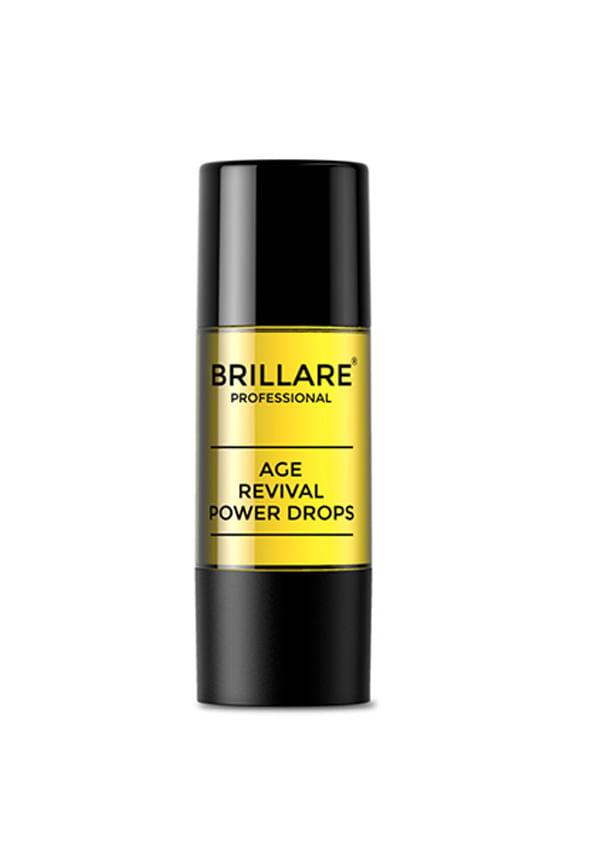
Age Revival Power Drops For Ageing Skin
Hydrating Age Revival Drops
5“I have always wanted to get my hands on age revival drops. my face feels hydrated in the morning after night application”
Beyond the fundamental structural differences, each gender faces unique skin challenges that require specific attention and care strategies.
Razor burn and ingrown hairs top the list of male-specific concerns, often leading to chronic inflammation if not properly managed. The combination of thicker skin and higher oil production can also result in enlarged pores that are more noticeable. Many men also delay starting proper skincare routines, leading to accumulated damage that becomes apparent in later years.
Hormonal breakouts remain a significant concern for women well into adulthood, often requiring different treatment approaches than teenage acne. Sensitivity to cosmetic ingredients is also more common in women, partly due to thinner skin and frequent product use. Pregnancy brings its own set of skin changes, from melasma to increased sensitivity, requiring careful product selection.
Conditions like rosacea affect both genders but often present differently. Men might experience more persistent redness, whilst women often see flare-ups related to hormonal cycles. Understanding these variations helps in choosing appropriate treatments and avoiding triggers specific to each gender's skin characteristics.
Understanding these differences is only valuable if it translates into better skincare choices. The key is adapting your routine to work with your skin's natural characteristics rather than against them.
Men benefit from simplified but effective routines that address their skin's higher oil production and shaving-related concerns. A gentle cleanser that manages oil without over-drying, followed by a lightweight moisturiser with SPF, forms the foundation. Post-shave care is crucial—using products with soothing ingredients like aloe or niacinamide can prevent irritation and ingrown hairs.
Women's skincare routines can be more complex, addressing hormonal fluctuations and the thinner, more reactive nature of female skin. Gentle cleansing, targeted treatments for specific concerns, and consistent moisturising help maintain the skin barrier. Many women benefit from adjusting their routine based on their menstrual cycle, using gentler products during sensitive times.
Regardless of gender, sun protection remains the most important anti-aging step. Both men and women need adequate hydration, though the delivery method might differ—men often prefer lightweight gels whilst women might choose richer creams. Regular dermatological check-ups benefit everyone, particularly for monitoring changes that might indicate skin health concerns.

Walnut Acne Control and Pimple Care Foaming Face Wash (Women)
Yes, female skin is structurally different from male skin in several key ways. Women's skin is approximately 25% thinner than men's, has lower collagen density, and produces less oil. These differences are primarily due to hormonal variations, particularly the effects of estrogen versus testosterone on skin development and maintenance.
Men typically have stronger, more resilient skin due to higher collagen density and increased thickness. This structural advantage means male skin can withstand environmental damage better and often shows signs of aging later than female skin, though when aging does occur, it tends to be more dramatic.
Yes, scientific research consistently shows that men's skin is approximately 25% thicker than women's skin. This difference becomes apparent during puberty when testosterone begins influencing skin development, leading to increased dermal thickness and higher collagen production throughout life.
Women typically have softer-feeling skin due to its thinner structure, finer texture, and different cellular organisation. The absence of facial hair and regular shaving also contributes to the smoother appearance and feel of female skin compared to male skin.
"Better" is subjective, but men's skin does have certain structural advantages, including higher collagen levels and increased thickness that provide natural resilience. However, women often maintain better skincare habits and sun protection practices, which can lead to healthier skin outcomes over time.
Women's skin feels softer due to several factors: thinner epidermal structure, finer cellular organisation, absence of coarse facial hair, and different hormonal influences that affect skin texture. Estrogen also promotes skin hydration, contributing to the softer feel.
Yes, men have significantly higher collagen density in their skin compared to women. This is primarily due to testosterone's stimulating effect on collagen production. Men also lose collagen more slowly than women, particularly compared to the accelerated collagen loss women experience during menopause.
Smytten's trial packs allow both men and women to test products suited to their specific skin characteristics before committing to full sizes. With over 2,400 brands available, you can explore different formulations to find what works best for your skin type, whether you need oil control for male skin or gentle hydration for female skin.
Understanding the fundamental differences between men's and women's skin empowers you to make better skincare choices. Men's thicker, more collagen-rich skin requires different care than women's thinner, more hormonally-influenced skin. These aren't just cosmetic differences—they're biological realities that affect everything from product absorption to aging patterns. The key is working with your skin's natural characteristics rather than against them. Men benefit from oil-control measures and proper post-shave care, whilst women often need gentler formulations that can adapt to hormonal fluctuations. Both genders require sun protection and adequate hydration, though the delivery methods might differ. Most importantly, there's no one-size-fits-all approach to skincare—what works depends on your individual skin characteristics, lifestyle, and concerns.
Navigating the world of skincare becomes much simpler when you understand your skin's unique characteristics. Whether you're dealing with the oil-control challenges of male skin or the hormonal fluctuations affecting female skin, the right products can make all the difference. Smytten is India's largest product discovery and trial platform, connecting consumers with top lifestyle, beauty, wellness, and grooming brands. At its core, Smytten offers curated trial packs - mini-sized products from over 2,400 trusted brands such as Cetaphil, Dot & Key, True Elements, Oziva, Renee, Swiss Beauty, Love Beauty & Planet, WishCare, Carlton London and Bella Vita. This lets users explore and experience products before committing to full-size purchases. Each mini is linked with Trial Points, and users can get up to 10 Trial Points for just ₹279. Plus, Smytten offers 100% cashback on the purchase of these minis, redeemable in the shop section for future orders, making product discovery both affordable and rewarding. With over 28 million users and 100 million trial minis delivered across 90% pin code coverage, Smytten helps consumers make smarter, more confident choices. After all, why settle for 'maybe' when you can #TryItAll!
