Men Skincare Myths Debunked: Your Questions Answered

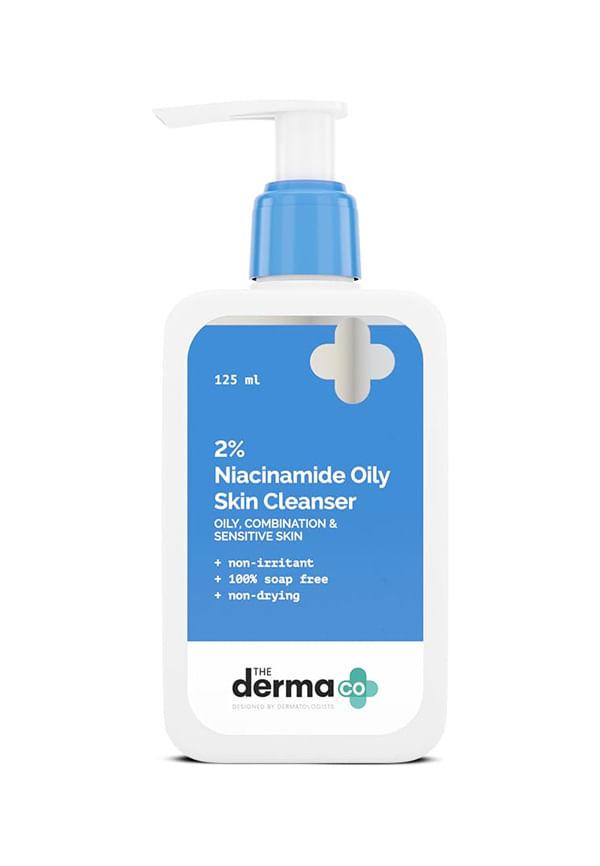
2% Niacinamide Oily Skin Cleanser
Let's be honest—men's skincare has been wrapped in more myths than a mummy. From the idea that "real men" don't moisturise to the belief that bar soap is perfectly fine for your face, these misconceptions have kept countless blokes from achieving healthier skin. The truth is, male skin has unique needs that deserve proper attention, not outdated stereotypes. With the men's grooming market growing rapidly and more research emerging about male skin physiology, it's time to separate fact from fiction. Whether you're dealing with post-shave irritation, oily T-zones, or simply want to age gracefully, understanding what actually works—versus what marketing tells you—makes all the difference. This guide tackles the most persistent men skincare myths with science-backed facts, helping you build an effective routine without the confusion. Ready to discover what your skin actually needs? Let's dive into the real talk about men's skincare, and yes, Smytten's extensive collection of trial-sized products makes it easier than ever to test what works for your specific skin type without committing to full-size purchases.
TL;DR
Men's skin is 25% thicker and produces more oil than women's, requiring specific care approaches
Common myths like "bar soap is enough" and "moisturiser makes skin soft" are scientifically debunked
Effective men's skincare focuses on cleansing, moisturising, and sun protection—not complicated routines
Price doesn't determine effectiveness; key ingredients like niacinamide and SPF matter more than fancy packaging
Starting with basics and building gradually leads to better results than overwhelming your skin with multiple products
Before we tackle the myths, let's establish what makes men's skin unique. Understanding these differences helps explain why generic advice often falls short and why targeted approaches work better.
Male skin isn't just "tougher"—it's structurally different. Men's skin is approximately 25% thicker due to higher collagen density, which sounds like an advantage until you realise it also means deeper pores and more oil production. Testosterone drives sebaceous glands to work overtime, producing up to twice as much sebum as women's skin. This explains why many men struggle with shine and congestion well into their thirties and beyond.
The combination of thicker skin, increased oil production, and daily shaving creates a unique set of challenges. Razor burn, ingrown hairs, and post-shave sensitivity are obvious concerns, but men also face higher rates of sun damage due to less consistent SPF use. Additionally, workplace environments—from air-conditioned offices to outdoor labour—can significantly impact skin health in ways that aren't always addressed in general skincare advice.
This myth tops our list because it's the foundation for all other misconceptions. The idea that skincare is somehow feminine has prevented generations of men from addressing legitimate skin concerns, leading to premature ageing, skin damage, and unnecessary discomfort.
Traditional masculinity equated rough, weathered skin with toughness and hard work. While there's nothing wrong with honest labour, deliberately neglecting skin health isn't a badge of honour—it's just poor self-care. Modern research shows that healthy skin actually indicates good overall health and self-respect.
Men face higher rates of skin cancer, particularly melanoma, partly due to inconsistent sun protection habits. Environmental factors like pollution, UV exposure, and workplace chemicals affect male skin just as much as female skin. The difference? Men are less likely to use protective measures or seek treatment for skin issues. Daily shaving alone creates micro-trauma that requires proper aftercare to prevent irritation and infection.
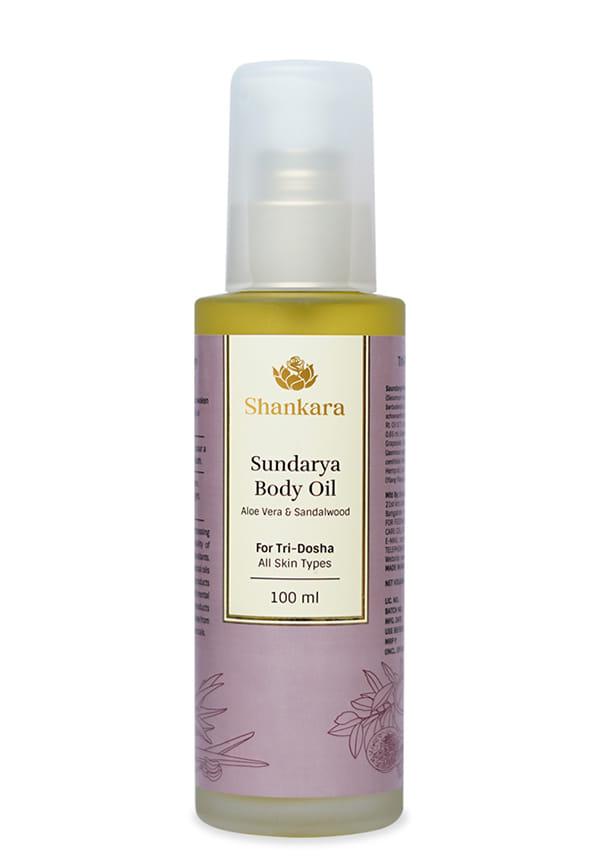
Sundarya Body Oil
This might be the most damaging myth on our list. Bar soap, designed for body cleansing, has a pH level around 9-10, while healthy facial skin sits at 4.5-5.5. Using alkaline soap on your face disrupts the acid mantle—your skin's natural protective barrier.
When you strip away natural oils with harsh soap, your skin compensates by producing even more oil, creating a cycle of over-cleansing and increased greasiness. The tight, "squeaky clean" feeling isn't cleanliness—it's your skin crying for help. This disruption can lead to increased sensitivity, breakouts, and premature ageing.
A gentle, pH-balanced facial cleanser removes dirt, oil, and pollutants without destroying your skin barrier. Look for ingredients like salicylic acid for oily skin or ceramides for dry skin. The goal is clean skin that feels comfortable, not stripped and tight.
This double myth has caused more skin damage than any other misconception. The belief that moisturiser makes skin "soft" (apparently a bad thing?) and that sunscreen is optional has led to countless cases of premature ageing and skin cancer in men.
Moisturiser doesn't make your skin weak—it maintains the barrier function that keeps irritants out and hydration in. Even oily skin needs moisture; when skin is dehydrated, it produces more oil to compensate. A good moisturiser actually helps regulate oil production while preventing the flaking and irritation that comes with barrier damage.
UV damage is cumulative and irreversible. Men develop skin cancer at higher rates than women, partly due to occupational sun exposure and partly due to poor sun protection habits. Daily SPF use prevents not just cancer but also wrinkles, age spots, and that leathery texture associated with sun damage. Modern sunscreens absorb quickly and don't leave the heavy, white residue of older formulations.
Price often reflects packaging, marketing, and brand positioning rather than ingredient quality or effectiveness. Some of the most effective skincare ingredients—like niacinamide, salicylic acid, and retinol—are available in affordable formulations that work just as well as luxury versions.
Effective skincare depends on active ingredients, proper formulation, and consistent use—not price tags. A ₹500 cleanser with the right pH and gentle surfactants will outperform a ₹5000 cleanser with harsh detergents and fancy packaging. Focus on ingredient lists, not marketing claims.
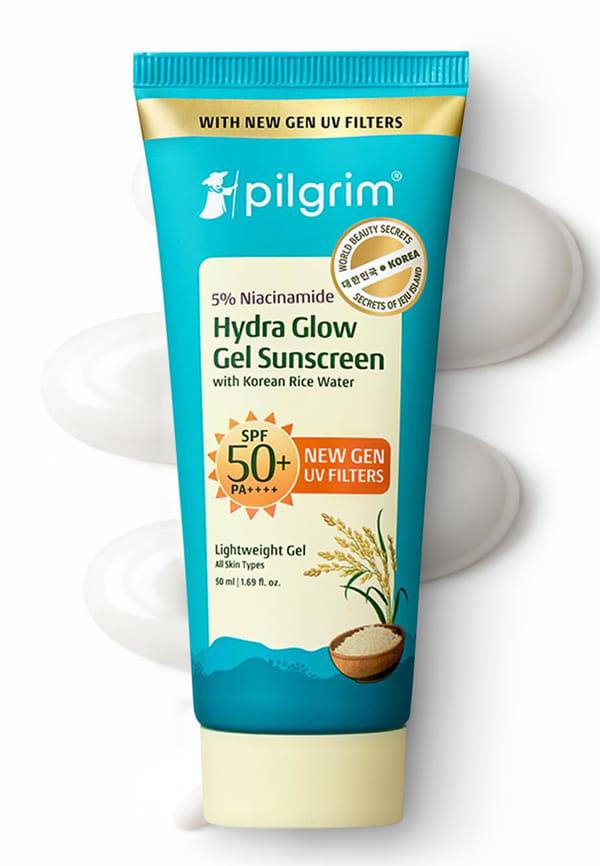
5% Niacinamide Oil-Free Super Light Gel Sunscreen SPF 50+ PA++++
Niacinamide reduces oil production and improves skin texture. Salicylic acid unclogs pores and prevents breakouts. Retinol stimulates cell turnover and collagen production. Hyaluronic acid provides hydration without heaviness. These ingredients work regardless of whether they're in budget-friendly or premium products.
The skincare industry loves to sell complex routines with multiple steps and products, but more isn't always better. Over-treating your skin can lead to irritation, sensitivity, and barrier damage that makes existing problems worse.
Effective men's skincare can be accomplished with three to four products: a gentle cleanser, a moisturiser with SPF for daytime, a separate moisturiser for evening, and perhaps one targeted treatment for specific concerns. This approach is sustainable, cost-effective, and less likely to cause irritation from ingredient interactions.
Essential: cleanse, moisturise, protect with SPF. Optional but beneficial: targeted treatments like retinol for ageing concerns or salicylic acid for breakouts, weekly exfoliation, and occasional masks for specific issues. Start with essentials and add treatments gradually based on your skin's response.
Now that we've cleared up the myths, let's build a practical routine based on what actually works. The key is consistency and patience—skin changes take time, typically 4-6 weeks to see noticeable improvements.
Start with a gentle cleanser to remove overnight oil buildup and any residual products. Follow with a lightweight moisturiser that includes SPF 30 or higher. If you have specific concerns like dark spots or fine lines, apply a targeted serum before moisturiser. The entire routine should take less than five minutes.
Evening is when your skin repairs itself, so this routine focuses on supporting that process. Cleanse thoroughly to remove sunscreen, pollution, and daily buildup. If using active ingredients like retinol or AHAs, apply them to clean skin before moisturiser. Finish with a slightly richer moisturiser than your morning one to support overnight repair.
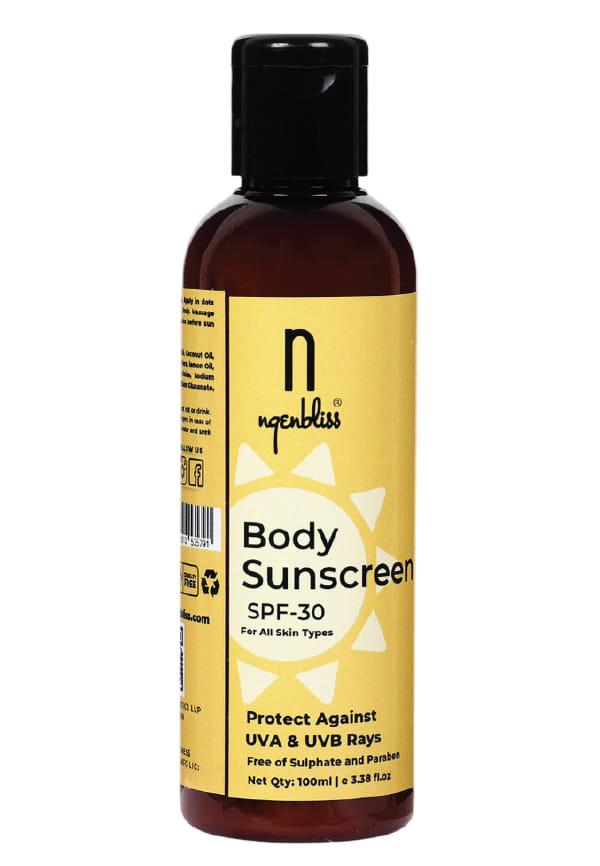
Sunscreen Lotion, Spf 30 No White Patch, No Greasy Feel
Gentle exfoliation once or twice weekly helps remove dead skin cells and prevents clogged pores. Chemical exfoliants like salicylic acid or glycolic acid are generally more effective and less irritating than physical scrubs. Clay masks can help manage oil production, while hydrating masks benefit dry or irritated skin.
Absolutely. Male skin responds to proper skincare just like female skin does. The key is using products formulated for your specific skin type and concerns. Clinical studies show that men see significant improvements in skin texture, oil control, and signs of ageing when using appropriate skincare products consistently. Results typically become noticeable after 4-6 weeks of regular use.
Over-cleansing with harsh products tops the list. Many men think aggressive scrubbing and strong soaps equal better cleansing, but this approach damages the skin barrier and often makes problems worse. The second biggest mistake is inconsistency—using products sporadically won't deliver results. Gentle, consistent care works better than aggressive, occasional treatments.
While the basic principles are the same, men's products often address higher oil production, thicker skin, and shaving-related issues. However, many differences are marketing-driven rather than scientifically necessary. A gentle cleanser works for everyone, regardless of gender. The key is choosing products based on your skin type and concerns, not your gender. Smytten's trial packs let you test different formulations to find what works best for your individual skin needs.
Prevention is always easier than correction, so starting in your teens or early twenties is ideal. However, it's never too late to begin. Men in their thirties and beyond can still see significant improvements in skin health and appearance. The earlier you start protecting your skin from sun damage and maintaining its barrier function, the better your skin will age.
In most cases, yes. Skin is skin, and effective ingredients work regardless of who's using them. Some men prefer products with different textures or fragrances, but the active ingredients that address skin concerns are universal. Focus on what your skin needs rather than what the packaging suggests about who should use it.
Men's skincare doesn't need to be complicated or expensive to be effective. The most important step is abandoning outdated myths and focusing on what science tells us actually works. Your skin needs gentle cleansing, adequate moisture, and sun protection—everything else is optional enhancement. Start with these basics, be consistent, and give your skin time to respond. Remember that healthy skin isn't about vanity; it's about health, comfort, and taking care of the body you live in every day. Whether you're dealing with oily skin, sensitivity, or signs of ageing, the right approach based on facts rather than myths will serve you well.
Breaking free from skincare myths is the first step towards healthier skin, but finding the right products for your specific needs is equally important. This is where Smytten's approach to product discovery becomes invaluable. As India's largest trial platform, Smytten connects you with over 2,400 trusted brands including Cetaphil, WishCare, and Bella Vita, allowing you to test products before committing to full sizes. With trial packs available for just ₹279 and 100% cashback on minis redeemable for future purchases, you can explore different cleansers, moisturisers, and treatments without the risk of wasting money on products that don't suit your skin. The platform's extensive reach across 90% pin code coverage means quality skincare is accessible whether you're in a metro city or smaller town. When you find products that work—and with over 100 million trial minis delivered, many users do—purchasing full sizes is just a click away. After all, why settle for maybe when you can try it all and make informed decisions about your skincare routine?
