Melasma on Indian Skin: Your Sunscreen Questions Answered

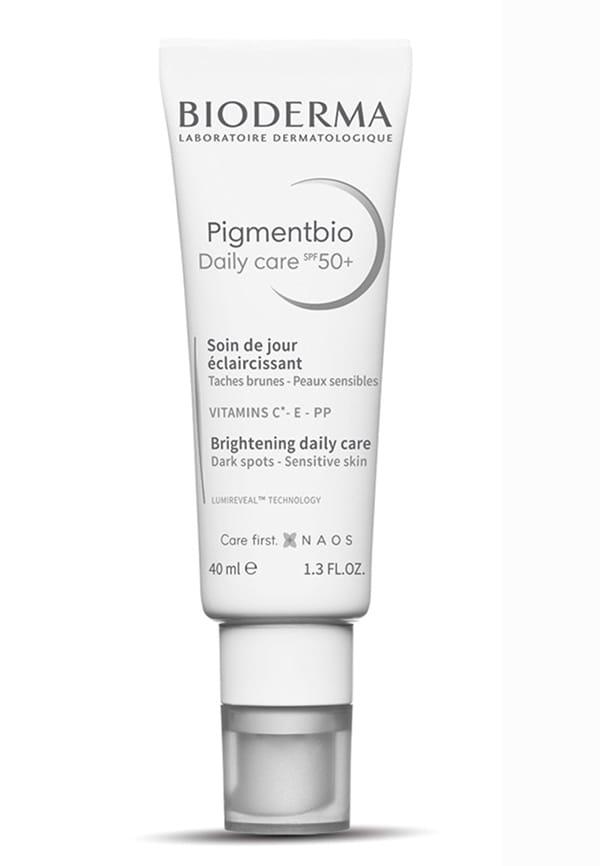
Pigmentbio Daily Care SPF 50+ Brightening Cream for Dark Spots & Senstive Skin
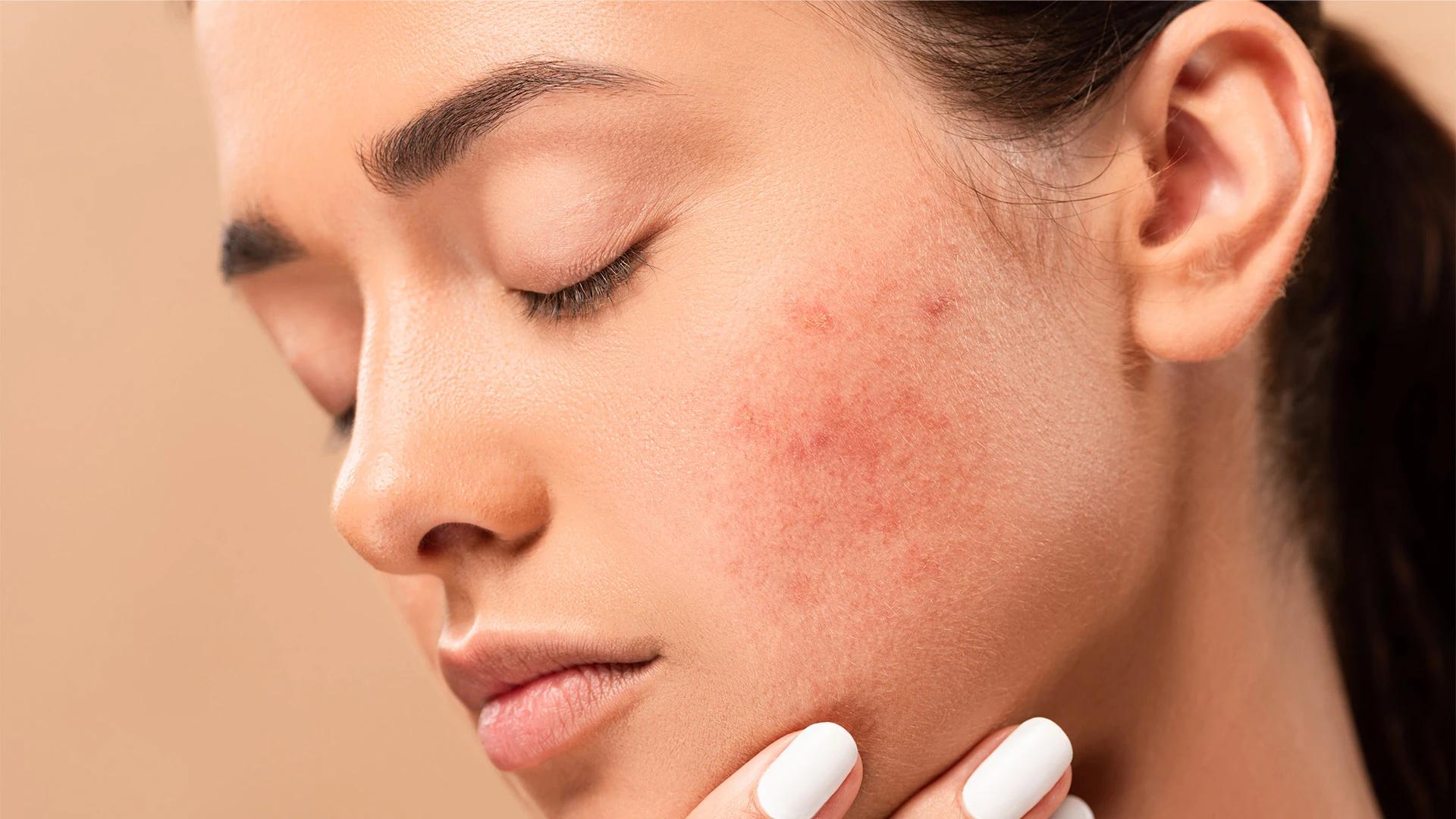
You've noticed those stubborn brown patches on your cheeks that seem to darken every time you step outside. If you're dealing with melasma on Indian skin, you're not alone. This common pigmentation concern affects millions, particularly those with our naturally higher melanin levels. The good news? The right sunscreen can be your strongest ally in managing melasma, though it's not quite the miracle cure some claim it to be. Let's dive into exactly how sun protection fits into your melasma journey.
Indian skin typically falls into Fitzpatrick types III and IV, which means we have more active melanocytes - the cells that produce pigment. This is actually protective against sun damage in many ways, but it also makes us more prone to hyperpigmentation when those melanocytes go into overdrive.
Melasma causes Indian skin faces are multifaceted. Our higher melanin production means that when triggered by hormones, heat, or UV radiation, our skin responds more dramatically. Pregnancy, birth control pills, and even stress can flip that melanin switch, creating those characteristic butterfly-shaped patches across the face. The genetic component is significant too - if your mum or grandmother dealt with melasma, you're more likely to develop it.
Living in India's intense tropical climate doesn't help. The combination of strong UV radiation, high heat, and humidity creates the perfect storm for Indian skin pigmentation issues. Even visible light from our phones and indoor lighting can trigger melanin production in melasma-prone skin. It's not just about the sun - it's about managing light exposure throughout your day.
Here's where things get interesting. Sunscreen doesn't actually treat existing melasma - it prevents it from getting worse. Think of it as pressing pause on the darkening process whilst other treatments work to lighten what's already there.
UVA rays penetrate deep into the dermis, stimulating melanocytes even on cloudy days. UVB rays cause surface damage and inflammation, which can worsen existing pigmentation. But here's what many don't realise - visible light, particularly blue light, can also trigger melasma in Indian skin. This is why regular SPF 30 might not be enough if you're serious about melasma prevention.
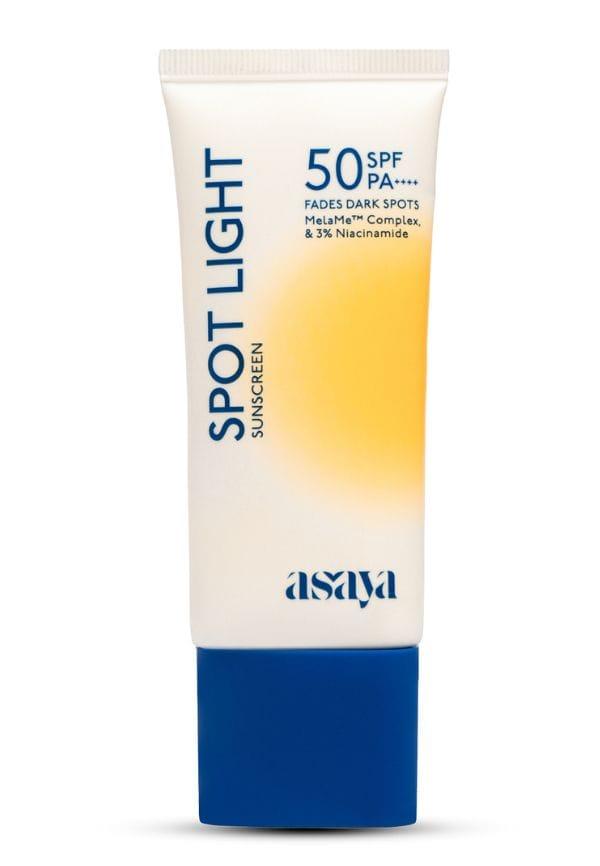
Spot Light Sunscreen SPF 50 PA++++
Consistent sun protection melasma management offers several benefits. It prevents existing patches from darkening further, reduces inflammation that can worsen pigmentation, and creates a stable environment for other treatments to work effectively. Clinical studies on Indian skin have shown that proper sunscreen use can prevent melasma recurrence in up to 80% of cases when combined with appropriate treatment.
Not all sunscreens are created equal when it comes to melasma management. You need specific features that go beyond basic sun protection.
For melasma treatment Indian skin requires, SPF 50 is your minimum. Broad-spectrum protection is non-negotiable - you need coverage against UVA, UVB, and ideally visible light too. Water-resistant formulations are crucial in our climate, where sweating and humidity can wash away your protection within hours.
Mineral sunscreens containing zinc oxide and titanium dioxide work best for melasma-prone skin. They sit on the surface and reflect light rather than absorbing it, which means less heat generation and inflammation. Chemical sunscreens can sometimes cause irritation that worsens pigmentation, though newer formulations are gentler than before.
This is where the magic happens. Tinted sunscreens containing iron oxide provide protection against visible light - something regular sunscreens miss entirely. For Indian skin tones, finding the right tint can be challenging, but it's worth the effort. The iron oxide acts like a physical barrier against blue light from screens and indoor lighting.
Sunscreen application isn't just about slapping on some cream and hoping for the best. There's a technique to maximising protection, especially for melasma-prone areas.
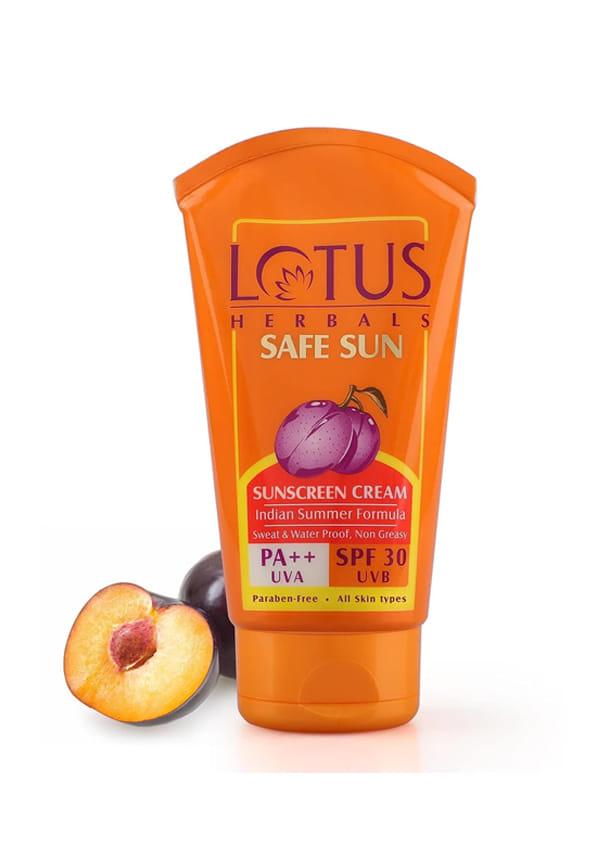
Safe Sun Sunscreen Cream SPF 30 PA++
Use a full quarter teaspoon for your face and neck - most people use half this amount and wonder why their SPF 50 feels more like SPF 15. Apply 15-20 minutes before sun exposure, and reapply every two hours without fail. If you're using other skincare for melasma like vitamin C or retinoids, sunscreen becomes even more critical as these ingredients can increase photosensitivity.
Monsoon season calls for waterproof formulations that won't slide off in humidity. Summer requires higher SPF and more frequent reapplication. Even in winter, UV levels in India remain significant enough to trigger melasma, so year-round protection is essential.
Sunscreen works best as part of a comprehensive approach to melasma management. It's the foundation that allows other treatments to be effective.
When using hydroquinone, tretinoin, or kojic acid for melasma, sunscreen becomes absolutely critical. These ingredients make your skin more photosensitive, meaning UV exposure can actually worsen pigmentation. Niacinamide and vitamin C work beautifully under sunscreen, providing additional antioxidant protection throughout the day.
Real talk - you won't see dramatic changes overnight. Consistent sunscreen use typically shows results in 8-12 weeks, with optimal improvement after 3-6 months. The key is preventing new damage whilst other treatments address existing pigmentation. Many people give up too early, not realising that sunscreen's job is maintenance and prevention, not active lightening.
Sunscreen doesn't remove existing melasma but prevents it from worsening and supports other treatments by blocking UV triggers that darken pigmentation. Think of it as essential maintenance rather than active treatment.
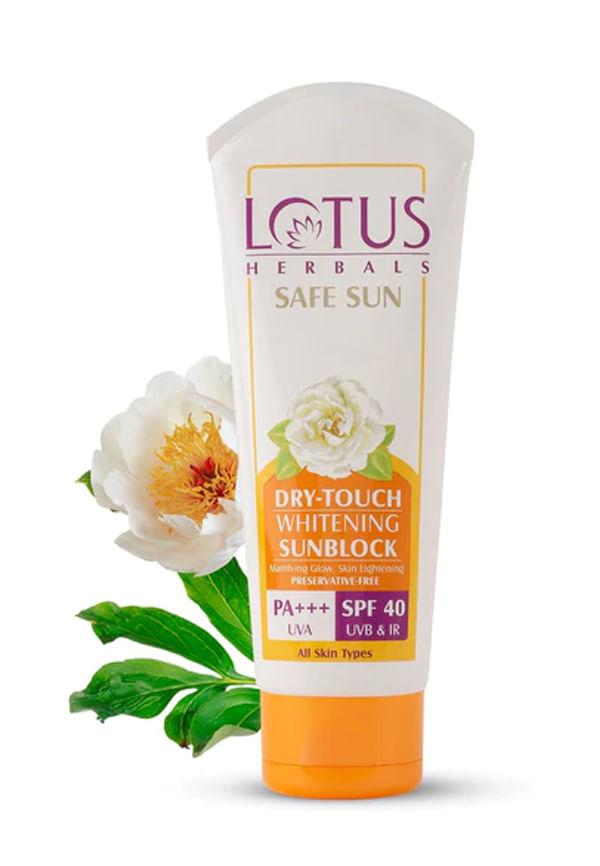
Safe Sun Dry-Touch Whitening Sunscreen SPF 40 PA+++
Broad-spectrum mineral sunscreens with SPF 50, containing zinc oxide and iron oxide, work best for Indian skin with melasma. The iron oxide provides crucial protection against visible light that regular sunscreens miss.
Choose broad-spectrum SPF 50 with zinc oxide or titanium dioxide, preferably tinted with iron oxide for visible light protection. Reapply every 2 hours and ensure water-resistant formulation for Indian climate conditions.
While sunscreen is essential for melasma management, it works best combined with dermatologist-prescribed treatments like hydroquinone, tretinoin, or professional procedures. Sunscreen prevents worsening whilst other treatments actively lighten pigmentation.
Consistent sunscreen use shows melasma stabilisation in 8-12 weeks, with optimal results after 3-6 months of daily application. The key is preventing further darkening whilst other treatments work on existing pigmentation.
Yes, visible light from screens, LED bulbs, and windows can trigger melasma in Indian skin. Tinted sunscreens with iron oxide provide indoor protection that regular SPF cannot offer.
Sunscreens for melasma need higher SPF (50+), mineral filters, and iron oxide for visible light protection. Regular sunscreens often lack these specific requirements for pigmentation management.
Managing melasma on Indian skin requires a strategic approach to sun protection that goes beyond basic SPF. The right sunscreen - with broad-spectrum coverage, mineral filters, and iron oxide - forms the foundation of any successful melasma treatment plan. Remember, consistency trumps perfection. Daily application, proper reapplication, and realistic expectations will serve you better than sporadic use of the most expensive products.
Your skin will notice the difference when you commit to proper sun protection, though patience is key. Melasma management is a marathon, not a sprint, and sunscreen is your most reliable training partner along the way. If you're curious about trying different sunscreen formulations before committing to full-size products, Smytten offers minis from trusted brands that let you test what works best for your skin. It's a smart way to find your perfect match without the guesswork.
