Melasma on Indian Skin FAQ: Causes and Triggers Answered


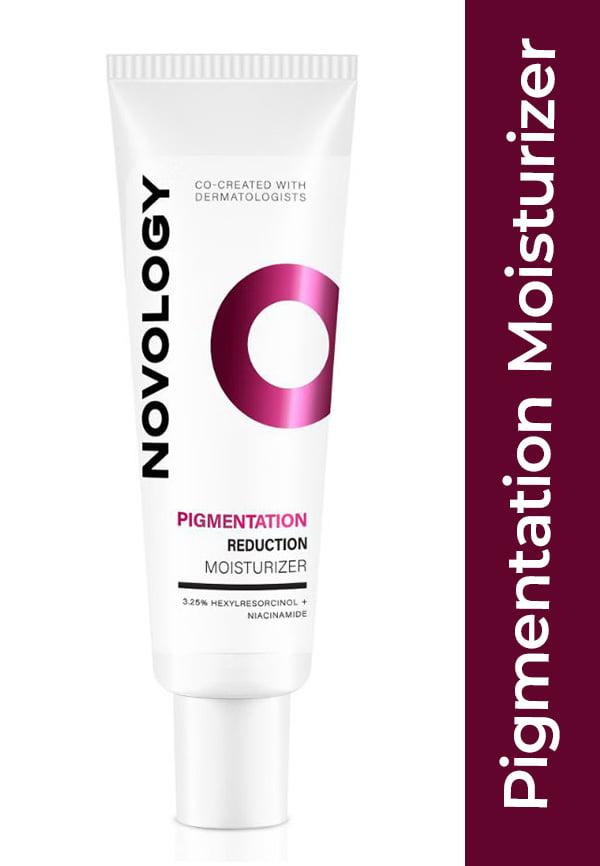
Pigmentation Moisturiser, Face Cream for Hyperpigmentation & Dark Spots
Amazing Product!
 5
5“it really works. i tried it first time and m with love this product best brand I ever used”
Great Product, Will Buy Again
5“nice product richer base repurchase product”
Great for Oily Skin
5“Excellent product for oily skin.”
You notice those stubborn brown patches appearing on your cheeks and forehead, seemingly overnight. They're darker than your usual complexion, symmetrical, and no amount of concealer seems to help. If this sounds familiar, you're likely dealing with melasma – a common skin concern that affects nearly 20-30% of Indian women, particularly those between 40-65 years. Understanding how melasma forms on Indian skin and what triggers it is the first step towards managing this persistent condition effectively.
Melasma appears as brown to greyish-brown patches, typically forming symmetrical patterns across the face. Unlike random dark spots, melasma creates distinct patterns – often called the "mask of pregnancy" when it occurs during pregnancy. The patches commonly appear on the cheeks, forehead, bridge of the nose, and upper lip area.
Indian skin, typically classified as Fitzpatrick skin types IV and V, contains higher levels of melanin compared to lighter skin tones. This natural characteristic, while providing better protection against UV damage, also makes Indian skin more susceptible to hyperpigmentation disorders like melasma. The melanocytes (pigment-producing cells) in Indian skin are more reactive to triggers, leading to increased melanin production when stimulated.
Research shows that melasma affects women disproportionately – about 90% of cases occur in women, largely due to hormonal influences. The condition is so prevalent in Indian women that dermatologists consider it one of the most common pigmentation concerns in their practice. The combination of genetic predisposition, hormonal fluctuations, and environmental factors creates the perfect storm for melasma development.
Understanding melasma formation requires looking at what happens beneath the skin's surface. When triggers activate melanocytes, they begin producing excessive amounts of melanin through a process involving the tyrosinase enzyme. This enzyme acts like a switch, turning on melanin production when stimulated by various factors.
The facial areas most affected by melasma aren't random – they correspond to regions with higher concentrations of melanocytes and areas most exposed to triggers like sunlight and heat. The cheeks, forehead, and upper lip area contain more melanocyte clusters, making them prime locations for melasma development.
Melasma exists in three distinct types based on the depth of pigmentation. Epidermal melasma affects the skin's surface layer and appears brown with well-defined borders. Dermal melasma penetrates deeper, appearing greyish-blue with less defined edges. Mixed melasma combines both types and is the most common form seen in Indian skin. Understanding which type you have helps determine the most effective treatment approach.
Several factors can trigger melasma formation, but research consistently identifies five primary culprits that particularly affect Indian women. These triggers often work in combination, explaining why melasma can be so persistent and challenging to manage.
Sun exposure remains the most significant trigger, with UV radiation stimulating melanocyte activity even through windows and on cloudy days. Hormonal fluctuations during pregnancy, menstruation, or from birth control pills create internal conditions that make skin more reactive to other triggers. Heat and humidity, common in India's climate, can worsen existing melasma even without direct sun exposure.
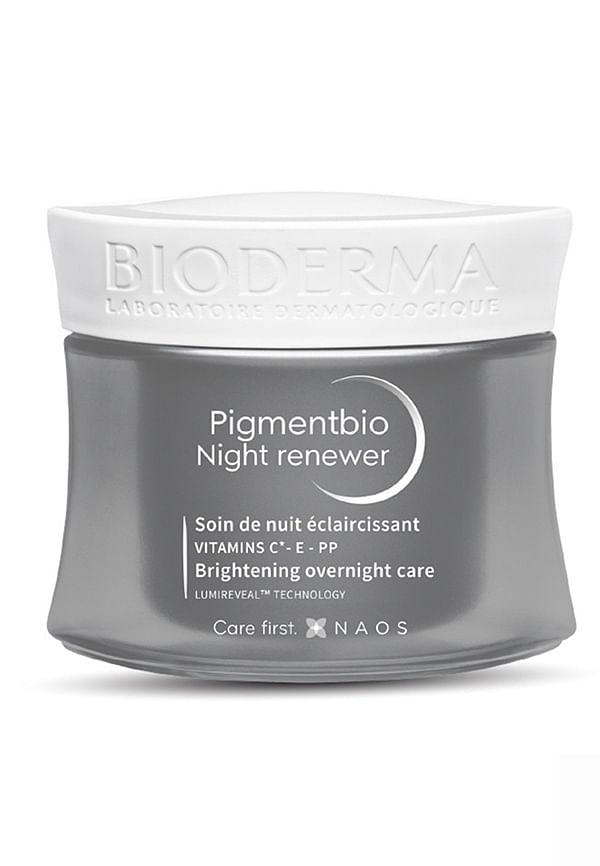
Pigmentbio Night Renewer Brightening Overnight Cream for Dark Spots, Sensitive Skin
UV radiation doesn't just cause immediate tanning – it creates lasting changes in melanocyte behaviour. When UV rays penetrate the skin, they trigger a cascade of reactions that can continue producing excess melanin for weeks after the initial exposure. This explains why melasma often appears or worsens after beach holidays or increased outdoor activities.
India's intense UV index, often reaching extreme levels (11+) during summer months, creates particularly challenging conditions for melasma-prone skin. The combination of direct UV rays and reflected light from concrete surfaces in urban areas means exposure happens even during brief outdoor activities. Heat alone, separate from UV exposure, can also trigger melasma through increased blood flow and inflammatory responses in the skin.
Hormones, particularly oestrogen and progesterone, significantly influence melanocyte activity. During pregnancy, elevated hormone levels make skin hypersensitive to other melasma triggers. This explains why melasma often appears during the second trimester and may worsen with subsequent pregnancies.
Birth control pills containing oestrogen can trigger melasma in susceptible women, sometimes appearing months after starting the medication. Hormone replacement therapy during menopause presents similar risks. The good news is that pregnancy-related melasma often improves naturally after delivery, though it may take 6-12 months for significant fading to occur.
Understanding your hormonal patterns helps predict when your skin might be most vulnerable to melasma triggers. Many women notice their melasma darkens during certain phases of their menstrual cycle or during times of hormonal stress.
India's climate presents unique challenges for melasma management. High humidity levels can increase skin temperature and blood flow, potentially worsening existing pigmentation. Excessive sweating, common in hot, humid conditions, can also irritate melasma-affected areas and trigger inflammatory responses.
Air pollution in major Indian cities adds another layer of complexity. Pollutants can generate free radicals that damage skin cells and potentially worsen hyperpigmentation. Traditional beauty practices, while culturally significant, sometimes involve ingredients or techniques that can irritate melasma-prone skin.
Occupational factors also play a role. Women who work outdoors or near heat sources (like cooking) may experience more severe melasma due to consistent exposure to triggers. Even indoor work near large windows can contribute to melasma development if proper sun protection isn't maintained.
Prevention remains the most effective approach to melasma management. Since melasma is easier to prevent than treat, implementing protective strategies before symptoms appear offers the best long-term outcomes.
Sun protection forms the foundation of melasma prevention. This means broad-spectrum SPF 30 or higher, applied every two hours, even on cloudy days. Physical sunscreens containing zinc oxide or titanium dioxide often work better for melasma-prone skin than chemical formulations. Don't forget often-missed areas like the hairline, ears, and neck.
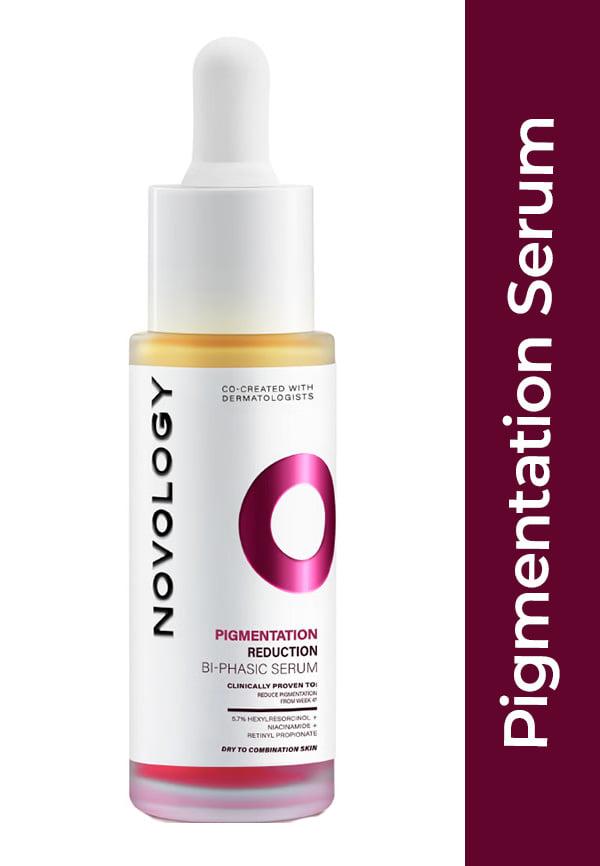
Pigmentation Serum, Bi-Phasic Face Serum for Hyperpigmentation & Dark Spots
Nice Product, Love It
5“nice product i love it.........”
Effective Product
5“can see the result soon... very effective”
Positive Product Feedback
5“I like this product this is good 😊”
Hormonal management requires working with healthcare providers to understand your individual risk factors. If you're planning pregnancy or considering hormonal contraception, discuss melasma prevention strategies with your doctor. Sometimes, timing outdoor activities around hormonal fluctuations can reduce trigger exposure during vulnerable periods.
Gentle skincare routines help maintain skin barrier function without triggering inflammatory responses. Avoid harsh scrubbing, excessive heat during cleansing, and products containing potential irritants. Choose skincare products specifically formulated for Indian skin concerns and pigmentation-prone skin types.
Treating existing melasma requires patience and realistic expectations. Most effective treatments work gradually over 3-6 months, and maintenance therapy is usually necessary to prevent recurrence. The key is finding the right combination of treatments for your specific melasma type and skin sensitivity.
Topical treatments form the first line of melasma therapy. Hydroquinone, tretinoin, and kojic acid are commonly prescribed ingredients that work by different mechanisms to reduce melanin production and increase cell turnover. These ingredients are often combined in prescription formulations for enhanced effectiveness.
Professional treatments like chemical peels and certain laser therapies can be effective for Indian skin, but require experienced practitioners familiar with treating darker skin tones. Improper treatment can worsen pigmentation, making professional expertise crucial. Many dermatologists recommend starting with topical treatments before considering more aggressive interventions.
Sun exposure, particularly UV radiation, is the most significant melasma trigger. UV rays stimulate melanocyte activity, leading to increased melanin production in susceptible individuals. Even brief sun exposure without proper protection can worsen existing melasma or trigger new patches to form.
Yes, melasma is very common in India, affecting 20-30% of women aged 40-65. The combination of intense UV exposure, genetic predisposition in Indian skin types, and hormonal factors makes melasma one of the most frequently seen pigmentation disorders in dermatology practices across India.
Currently, there's no permanent cure for melasma. However, various treatments can significantly improve its appearance and prevent worsening. With proper management including sun protection, topical treatments, and lifestyle modifications, many people achieve substantial improvement in their melasma.
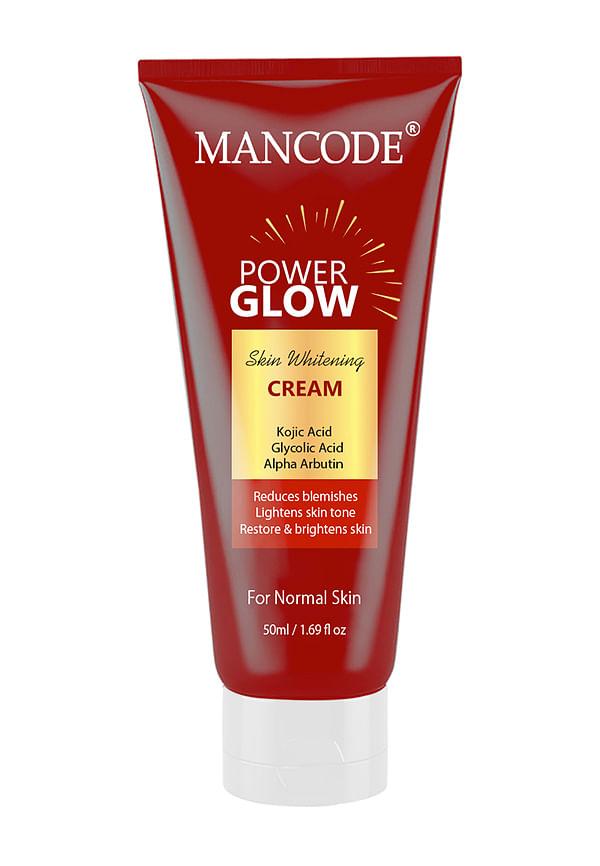
Power Glow Skin Whitening Cream Reduces Dark Spots
While melasma can't be "cured" from the inside, supporting overall skin health through proper nutrition, hydration, and managing underlying health conditions can help. Focus on antioxidant-rich foods, maintain hormonal balance, and ensure adequate vitamin D levels while protecting skin from sun exposure.
Permanent melasma removal isn't guaranteed, but consistent treatment combining strict sun protection, appropriate topical therapies, and professional treatments can achieve significant long-term improvement. The key is viewing melasma as a chronic condition requiring ongoing management rather than a problem with a one-time solution.
Natural melasma prevention focuses on strict sun protection using physical barriers and sunscreen, maintaining hormonal balance through healthy lifestyle choices, following gentle skincare routines, and avoiding known triggers like excessive heat exposure and harsh skincare products.
While melasma seems to appear suddenly, it actually develops gradually over weeks or months. Triggers like hormonal changes or increased sun exposure can accelerate the process, making patches more noticeable seemingly overnight, but the underlying melanocyte changes occur over time.
Melasma can worsen with age due to cumulative sun damage and hormonal changes, particularly during menopause. However, with proper prevention and treatment strategies, many women successfully manage melasma throughout their lives without significant worsening.
Understanding melasma formation and triggers empowers you to take control of this common skin concern. Remember that melasma affects millions of Indian women – you're not alone in this journey. The combination of genetic predisposition, hormonal influences, and environmental factors creates the perfect conditions for melasma development, but knowledge of these triggers allows for effective prevention and management strategies.
The most important takeaway is that prevention trumps treatment every time. Consistent sun protection, gentle skincare routines, and awareness of your personal triggers can prevent melasma from developing or worsening. For those already dealing with melasma, patience and realistic expectations are crucial – effective treatment takes time, but improvement is possible with the right approach.
If you're exploring skincare options for melasma prevention or management, Smytten's curated selection includes trusted brands with formulations specifically designed for Indian skin concerns. From gentle cleansers to targeted treatments, you can discover products that work for your unique skin needs. The platform's trial options let you test products before committing to full sizes, which is particularly valuable when dealing with sensitive, melasma-prone skin that may react unpredictably to new formulations.
