Layering Skincare Actives FAQ: Vitamin C, Niacinamide, Retinol


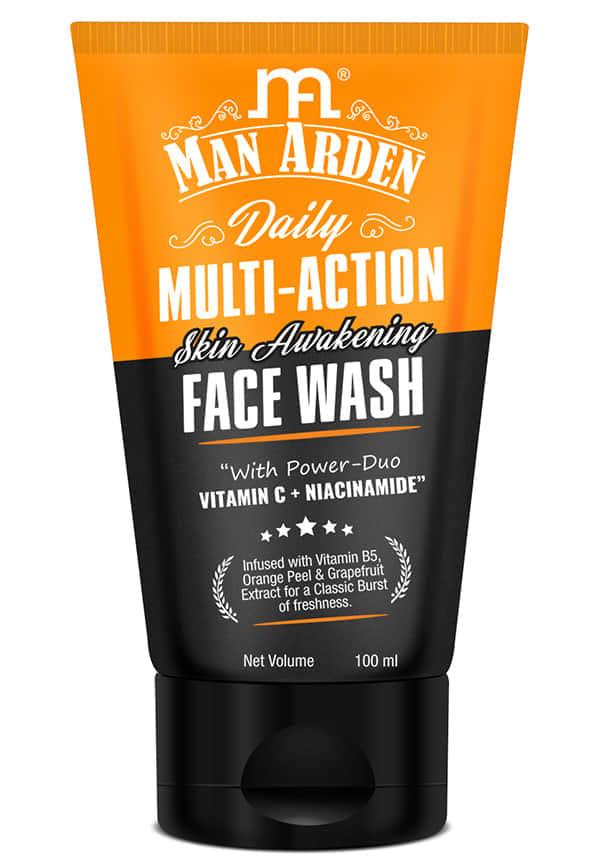
Vitamin C Daily Multi-Action Skin Awakening & Brightening Face Wash Vitamin C + Niacinamide
You've finally decided to level up your skincare routine with the holy trinity of actives: vitamin C, niacinamide, and retinol. But now you're staring at three serums wondering if mixing them will turn your face into a red, irritated mess. Real talk - you're not alone in this confusion. The internet is full of conflicting advice about whether these powerhouse ingredients play well together, and honestly, it's enough to make anyone want to stick to just cleanser and moisturiser.
Before we dive into the nitty-gritty of layering skincare actives, let's get clear on what we're actually working with. Active ingredients are the hardworking components in your skincare that create visible changes in your skin - think of them as the difference between a basic moisturiser and a serum that actually tackles your concerns.
Skincare actives are ingredients with proven benefits backed by research. Unlike inactive ingredients that provide texture or preservation, actives like vitamin C, niacinamide, and retinol actually change how your skin behaves. The reason people layer them isn't just to use more products - it's because different actives target different concerns, and when used correctly, they can complement each other beautifully. The key word here is 'correctly.' Many people assume that more actives equals better results, but that's like thinking you can learn three languages simultaneously just because you're clever. Your skin needs time to adjust, and the order matters more than you might think.
Let's break down what each of these superstars actually does for your skin. Niacinamide benefits for skin include regulating oil production, minimising the appearance of pores, and strengthening your skin barrier. It's basically the peacekeeper of skincare - gentle, effective, and plays well with almost everything. Vitamin C is your antioxidant powerhouse, protecting against environmental damage whilst brightening your complexion and supporting collagen production. Think of it as your skin's daily armour against pollution and UV damage. Retinol is the gold standard for cell turnover and anti-ageing. It encourages your skin to shed old cells faster and produce new ones, which means smoother texture, fewer fine lines, and a more even tone over time.
Here's where things get interesting - and where most people get confused. The vitamin C niacinamide retinol order isn't just about personal preference; it's about pH levels, molecular weights, and how these ingredients actually work on your skin.
Mornings are for protection, which makes them perfect for vitamin C serum and niacinamide combinations. Start with your vitamin C serum on clean skin - it has a lower pH and smaller molecular weight, so it needs to go first to penetrate effectively. Wait about 10-15 minutes (perfect time for brushing your teeth), then apply your niacinamide serum. The beauty of niacinamide and vitamin C serum together is that niacinamide actually helps stabilise vitamin C, making this combination more effective than using either alone. Finish with moisturiser and SPF - and yes, SPF is non-negotiable when you're using vitamin C. The ingredient makes your skin more photosensitive, so skipping sun protection is like wearing a beautiful white shirt to eat spaghetti bolognese.
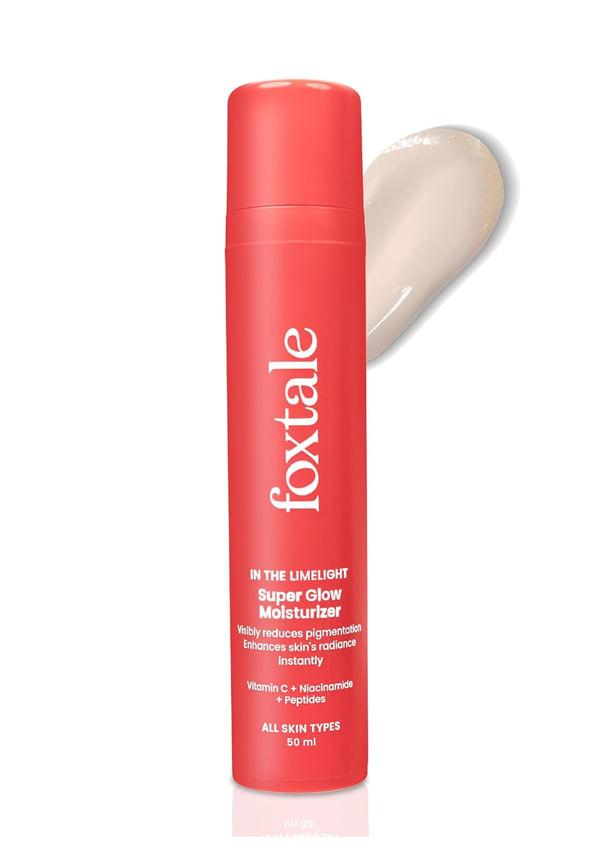
Vitamin C Super Glow Moisturizer with Niacinamide
Evenings belong to retinol, and the good news is that retinol and niacinamide together is actually a brilliant combination. Niacinamide helps buffer retinol's potential irritation whilst maintaining its effectiveness. Start with niacinamide on clean skin, wait 10-15 minutes, then apply your retinol. This method, often called the 'buffer method,' is particularly helpful if you're new to retinol or have sensitive skin. The niacinamide creates a protective layer that reduces irritation without compromising retinol's benefits.
If your skin is particularly reactive, consider splitting your actives between morning and evening, or even alternating days. Skincare actives for sensitive skin often work better when introduced slowly and used less frequently initially. Try using vitamin C and niacinamide in the morning on Monday, Wednesday, and Friday, then retinol and niacinamide in the evening on Tuesday, Thursday, and Saturday. Sunday can be your recovery day with just gentle cleansing and moisturising.
The golden rule of active ingredients skincare routine application is simple: thinnest to thickest consistency, lowest to highest pH. This ensures each product can penetrate properly without being blocked by heavier formulations.
Start with your thinnest, most water-like products and work your way up to creams and oils. This isn't just about texture - it's about molecular size and how products penetrate your skin. Smaller molecules need to go first, or they'll never make it through the barrier created by larger ones. PH levels matter too. Vitamin C typically has a pH of 3-4, niacinamide sits around 5-7, and retinol is usually formulated at 5.5-6. This natural progression from acidic to neutral actually works in your favour when layering.
Your complete routine should look like this: cleanse thoroughly, apply vitamin C serum (morning only), wait 10-15 minutes, apply niacinamide, wait another 10-15 minutes, apply retinol (evening only), then finish with moisturiser. Remember, vitamin C serum and retinol should never be used in the same application. The combination can cause irritation and may reduce the effectiveness of both ingredients.
When learning how to use retinol without irritation, patience is your best friend. Start with once weekly for the first week, twice weekly for the second week, then three times weekly for the third week. Only increase frequency if your skin is tolerating it well. Some people can eventually use retinol nightly, whilst others find their sweet spot at every other night. Listen to your skin - it's smarter than any skincare routine you'll find online.
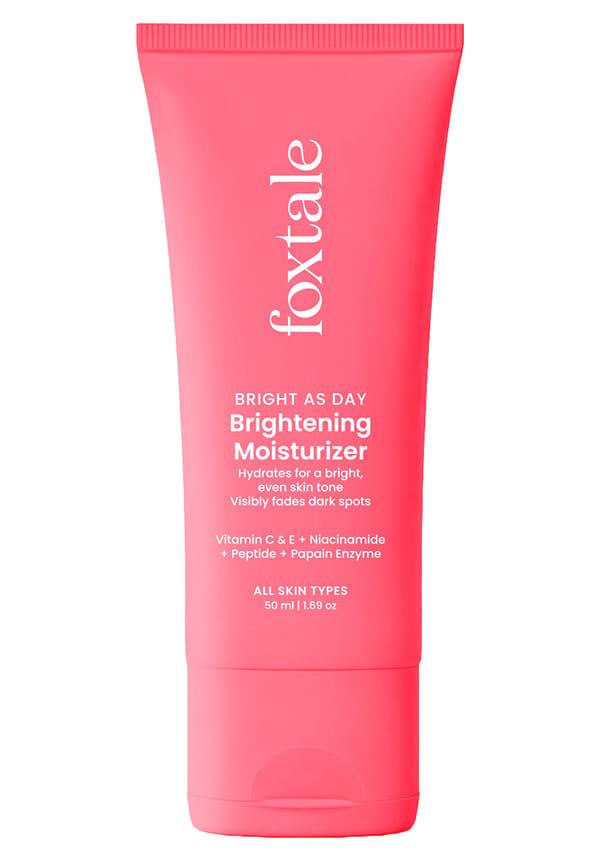
Brightening Moisturiser with Vitamin C & Niacinamide
Once you've mastered the basics, you might want to add other actives like hyaluronic acid or peptides to your routine. The key is understanding how each ingredient fits into your existing system.
Hyaluronic acid is the ultimate team player - it works beautifully with both vitamin C and niacinamide. Apply it after your actives but before your moisturiser to lock in hydration. This combination is particularly brilliant for anyone dealing with dehydration alongside their other skin concerns.
Whilst vitamin C and niacinamide play well together, and retinol and niacinamide make a great team, never use vitamin C and retinol in the same application. The combination can cause irritation and potentially neutralise both ingredients. Also avoid mixing retinol with AHAs or BHAs in the same routine - that's a recipe for over-exfoliation and irritation.
Even with the best intentions, sometimes our skin rebels against our carefully planned routines. Recognising the signs of irritation early can save you weeks of recovery time.
If your skin feels tight, looks red, or starts peeling excessively, you've likely overdone it. Other warning signs include increased sensitivity, breakouts in unusual places, or a burning sensation when applying products that normally feel fine. When this happens, strip back to basics: gentle cleanser, simple moisturiser, and SPF during the day. Give your skin at least a week to recover before slowly reintroducing actives.
Oily skin can typically handle actives more frequently and at higher concentrations, whilst dry or sensitive skin needs a gentler approach. If you have sensitive skin, consider starting with lower concentrations and always use the buffer method with niacinamide.
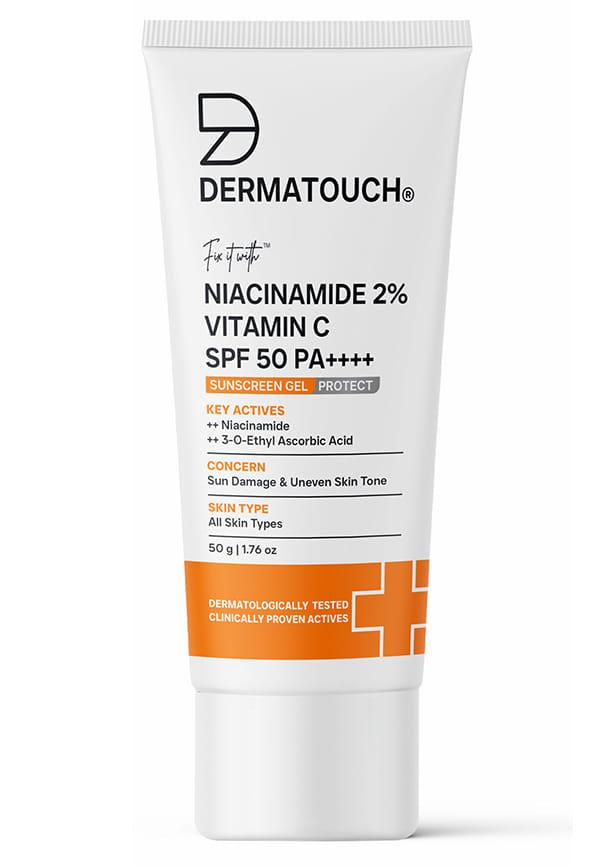
Niacinamide 2% Vitamin C Sunscreen for glowing skin, SPF 50+ PA ++++
Yes, but not at the same time. Use vitamin C in your morning routine and retinol in your evening routine. This gives you the benefits of both without the risk of irritation from combining them directly.
Wait 10-15 minutes between applying different actives. This gives each product time to absorb properly and reduces the risk of interactions between ingredients.
Absolutely. Despite old myths about niacinamide and vitamin C not working together, research shows they're actually a brilliant combination. Niacinamide can help stabilise vitamin C and reduce any potential irritation.
Yes, but start slowly. Begin with niacinamide (the gentlest), then add vitamin C after a few weeks, and finally introduce retinol. Use lower concentrations and consider alternating days rather than daily use.
Niacinamide results can appear within 2-4 weeks, vitamin C brightening effects typically show after 4-6 weeks, and retinol results usually become visible after 8-12 weeks of consistent use.
Stop using all actives immediately and return to a basic routine of gentle cleanser, moisturiser, and SPF. Once irritation subsides (usually 3-7 days), reintroduce actives one at a time, starting with the gentlest.
Layering vitamin C, niacinamide, and retinol doesn't have to be complicated once you understand the basics. Start slowly, listen to your skin, and remember that consistency matters more than perfection. Your skin will notice the difference when you give it the right ingredients in the right order. The beauty of a well-planned skincare layering guide is that it grows with you. What starts as a simple morning vitamin C and evening retinol routine can evolve into a sophisticated system that addresses multiple concerns without overwhelming your skin. If you're curious about trying different formulations before committing to full sizes, Smytten offers minis from trusted skincare brands, letting you test how your skin responds to different active combinations. It's a smart way to build your perfect routine without the guesswork - because your skin deserves ingredients that work as hard as you do.
