Lack of Sleep on Skin FAQ: Reversing Damage in India


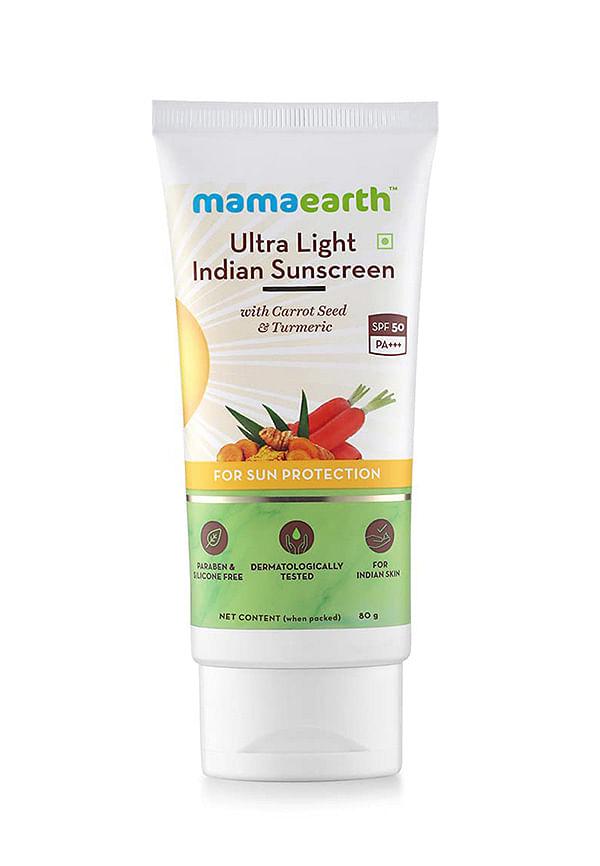
Ultra Light indian Sunscreen
Ever caught yourself staring at your reflection after a particularly rough week of late nights and early mornings? That dull, tired-looking skin staring back isn't just in your head. Sleep deprivation leaves very real marks on our faces, and in India's demanding work culture and bustling city life, poor sleep has become almost inevitable. The good news? Most of this damage is completely reversible with the right approach. Let's dive into exactly how lack of sleep shows up on your skin and the proven methods to bounce back.
Your skin doesn't just rest when you sleep—it goes into full repair mode. Between 10 PM and 2 AM, your body releases growth hormones that trigger cellular regeneration and collagen production. When you skimp on sleep, this crucial repair window shrinks dramatically.
In India's humid climate, sleep-deprived skin faces a double challenge. The combination of high humidity, pollution, and compromised skin barrier function creates the perfect storm for accelerated damage. Your skin loses its ability to retain moisture effectively, making dehydration more pronounced despite the ambient humidity.
During deep sleep phases, your skin's cellular turnover increases by up to 30%. This is when dead skin cells shed naturally, revealing fresh, radiant skin underneath. Sleep debt disrupts this process, leading to a buildup of dull, lifeless cells on the surface.
The repair cycle also depends on adequate blood flow to facial tissues. Poor sleep reduces circulation, starving your skin of essential nutrients and oxygen needed for optimal function.
Sleep deprivation triggers a surge in cortisol, your body's primary stress hormone. Elevated cortisol breaks down collagen faster than your body can produce it, accelerating the formation of fine lines and wrinkles. It also compromises your skin's protective barrier, making it more susceptible to environmental damage—particularly relevant in India's polluted urban environments.
Recognising how sleep deprivation manifests on your skin is the first step towards addressing it. These signs often appear gradually, making them easy to dismiss as 'just stress' or 'getting older.'
Dark circles are perhaps the most obvious sign of poor sleep. In Indian skin tones, which naturally contain more melanin, sleep deprivation can cause uneven pigment distribution around the eyes. The delicate under-eye area becomes more transparent when blood vessels dilate from fatigue, creating that telltale shadowy appearance.
Puffy eyes develop when poor lymphatic drainage allows fluid to accumulate around the eye area. This is often more pronounced in humid climates where the body retains more water overall.
Sleep debt accelerates skin aging in several ways. Reduced collagen production leads to loss of elasticity and firmness, whilst increased cortisol breaks down existing collagen structures. Fine lines around the eyes and mouth become more pronounced, and the skin loses its natural plumpness.
In darker skin tones common in India, sleep-related aging often manifests as uneven pigmentation and loss of natural radiance rather than just wrinkles.
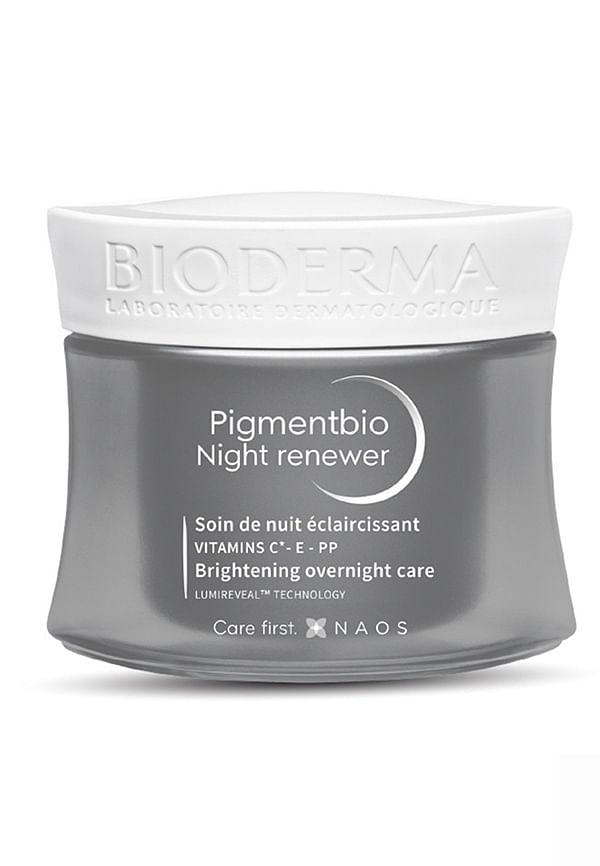
Pigmentbio Night Renewer Brightening Overnight Cream for Dark Spots, Sensitive Skin
Dull skin results from poor circulation and impaired cellular turnover. When you're sleep-deprived, blood flow to facial tissues decreases, reducing the natural flush that gives skin its healthy glow. Dead skin cells accumulate on the surface, creating a lacklustre appearance that no amount of highlighter can fix.
Understanding when and how your skin repairs itself can help you optimise your sleep schedule for maximum benefit. Your skin follows a predictable repair pattern that aligns with your natural circadian rhythm.
The magic happens between 10 PM and 2 AM when growth hormone release peaks. This is when your skin produces new cells most rapidly and repairs damage from the day. Missing this window—common in India's late-night work culture—significantly impacts your skin's ability to regenerate.
Aligning your sleep schedule with these natural repair cycles, regardless of your time zone, ensures optimal skin repair overnight. Even if you can't sleep by 10 PM every night, consistency in your sleep timing helps maintain your skin's repair rhythm.
During deep sleep, your skin's antioxidant production increases, helping neutralise free radical damage from pollution and UV exposure. Your skin also produces more of its natural moisturising factors, helping maintain hydration levels.
This is why you often wake up with plumper, more hydrated skin after a good night's sleep—your skin has literally been repairing and replenishing itself all night.
The encouraging truth is that most sleep-related skin damage is completely reversible. Your skin has remarkable regenerative capacity when given the right conditions and support.
Research shows that reversing skin damage from sleep loss typically begins within 2-4 weeks of improved sleep quality. Initial improvements in hydration and radiance appear first, followed by gradual improvement in fine lines and skin texture over 4-8 weeks.
The key is consistency. Sporadic good nights won't undo chronic sleep debt, but establishing a regular sleep schedule of 7-9 hours nightly creates the foundation for skin recovery.
Your skincare routine should support your skin's natural repair processes. In the morning, focus on protection and hydration with SPF, antioxidants like vitamin C, and lightweight moisturisers suitable for India's humid climate.
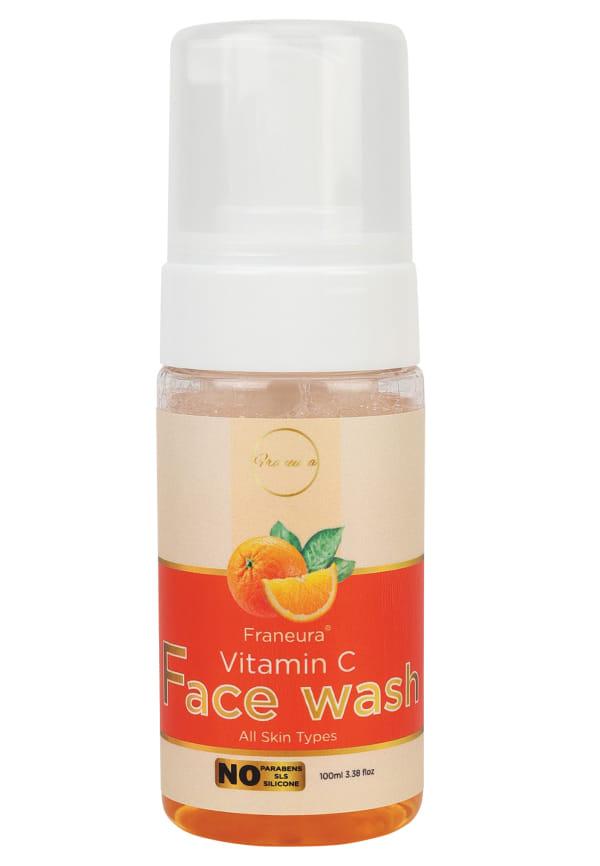
Vitamin C Foaming Face Wash - Brighten & Even Skin Tone
Evening routines should enhance overnight repair with ingredients like retinoids, peptides, and hyaluronic acid. These work synergistically with your skin's natural repair processes to accelerate recovery.
India's unique climate and lifestyle factors require tailored approaches to managing sleep-related skin concerns. Traditional wisdom combined with modern skincare science offers effective solutions.
Ayurveda recognises the deep connection between sleep quality and skin health. Ashwagandha and brahmi can help improve sleep quality naturally, whilst turmeric and neem address inflammation and breakouts common in sleep-deprived skin.
Traditional oil massage before bed improves circulation and helps prepare the body for restorative sleep. Coconut oil or sesame oil work particularly well in India's climate.
India's humidity requires lightweight, non-comedogenic formulations that won't clog pores or feel heavy on sleep-deprived skin. Look for gel-based moisturisers with niacinamide and ceramides that provide hydration without greasiness.
Pollution protection becomes even more critical when your skin barrier is compromised from poor sleep. Antioxidant serums and thorough evening cleansing help remove pollutants that can worsen sleep-related skin issues.
Both professional treatments and simple home remedies can accelerate your skin's recovery from sleep deprivation. The key is choosing approaches that fit your budget and lifestyle.
Professional treatments like chemical peels with AHAs can help accelerate cellular turnover, whilst microneedling stimulates collagen production. These treatments are widely available in Indian cities and can significantly speed up recovery from sleep-related skin damage.
For dark circles and puffy eyes, treatments like under-eye fillers or laser therapy may be considered for severe cases, though these should be approached cautiously and only with experienced practitioners.
Simple home remedies can provide immediate relief whilst your skin recovers. A paste of turmeric and honey helps brighten dull skin and reduce inflammation. Rose water mixed with glycerin provides gentle hydration perfect for sensitive, sleep-deprived skin.
Cold cucumber slices or used green tea bags can help reduce puffiness and provide antioxidants to the delicate under-eye area.

Soorya Kawach Sunscreen with Vitamin C
Yes, most sleep-related skin damage is completely reversible with consistent good sleep habits and proper skincare. You'll typically see initial improvements in skin hydration and radiance within 1-2 weeks, with more significant changes in fine lines and overall skin texture appearing over 4-8 weeks of better sleep quality.
Sleep deprivation can cause uneven melanin distribution and increased pigmentation, which is particularly noticeable in Indian skin types due to naturally higher melanin content. This often manifests as dullness, uneven tone, and more pronounced dark circles rather than overall darkening.
The optimal sleep window for maximum skin repair is 10 PM to 6 AM, allowing your skin to benefit from peak growth hormone release between 10 PM and 2 AM. This timing is universal and doesn't change based on geographic location, though consistency in your sleep schedule is more important than perfect timing.
Initial improvements in skin hydration and natural radiance typically appear within 1-2 weeks of improved sleep quality. More significant changes in fine lines, skin elasticity, and overall texture usually become noticeable after 4-8 weeks of consistent, quality sleep.
Hyaluronic acid for hydration, ceramides for barrier repair, niacinamide for inflammation and pore appearance, and retinoids for cellular turnover work exceptionally well for sleep-deprived skin. In India's humid climate, opt for lightweight formulations that won't feel heavy or clog pores.
Yes, sleep deprivation increases cortisol levels, which stimulates oil production and inflammation, leading to acne breakouts. Poor sleep also compromises your skin's ability to heal existing blemishes and maintain a healthy barrier function, making breakouts more frequent and longer-lasting.
Sleep-deprived skin has a compromised barrier function, making it more vulnerable to pollution damage common in Indian cities. This can accelerate aging, increase inflammation, and worsen existing skin concerns. Double cleansing and antioxidant protection become even more critical for sleep-deprived skin in polluted environments.
Your skin's relationship with sleep is more profound than you might realise. Every night of quality rest is an investment in your skin's health, radiance, and longevity. The visible signs of sleep deprivation—from dark circles to dull skin—are your skin's way of signalling that it needs more time to repair and regenerate.
The encouraging reality is that most sleep-related skin damage is entirely reversible. With consistent sleep habits, targeted skincare, and patience, you can restore your skin's natural radiance and resilience. Remember, improvement is a gradual process—your skin will notice the difference even before you do.
For those looking to experiment with new skincare products to support their skin's recovery, Smytten's curated selection includes trusted brands specifically chosen for Indian skin concerns and climate. With over 28 million users discovering products through trial-sized options, you can explore what works for your unique skin needs without the commitment of full-size purchases. After all, finding the right products for your skin's recovery journey shouldn't involve guesswork—it should be about discovery and confidence in your choices.
