Kojic Acid vs Alpha Arbutin: Which is Best for Hyperpigmentation?


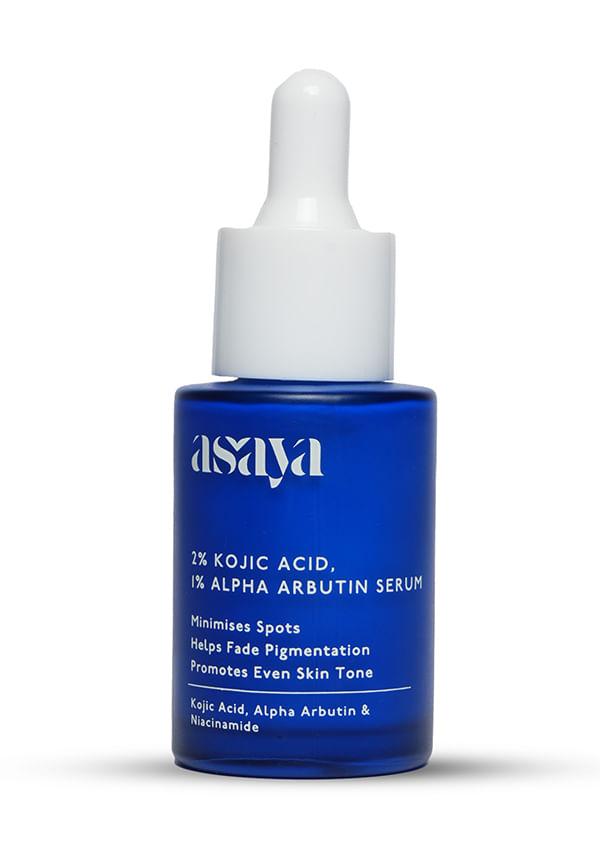
2% Kojic Acid & 1% Alpha Arbutin Face Serum
Dark spots and uneven skin tone got you feeling frustrated? You're definitely not alone. Hyperpigmentation is one of those skincare concerns that seems to pop up everywhere—from post-acne marks to sun damage that decided to make itself at home on your face. The good news? There are some brilliant ingredients out there that can help tackle these stubborn spots. Two of the most talked-about players in the skin brightening game are kojic acid and alpha arbutin. Both promise to fade those pesky dark patches, but which one actually delivers? Let's dive into this kojic acid vs alpha arbutin comparison and figure out which might be your skin's new best friend.
Before we get into the nitty-gritty of these ingredients, let's talk about what's actually happening when you get hyperpigmentation. Basically, your skin produces melanin (the stuff that gives your skin its colour) as a protective response to things like UV damage, inflammation, or hormonal changes. Sometimes, this process goes a bit overboard, and you end up with patches that are darker than the rest of your skin.
The key to effective hyperpigmentation treatment lies in understanding how melanin production works. There's this enzyme called tyrosinase that's basically the boss of melanin production. When skincare ingredients can inhibit or slow down tyrosinase, they can help reduce the formation of new dark spots and gradually fade existing ones. This is where our star ingredients come in—both kojic acid and alpha arbutin work by targeting this very process, just in slightly different ways.
Kojic acid is actually derived from fungi, particularly the kind used in making sake, soy sauce, and rice wine. Sounds a bit random, but this natural origin is part of what makes it so interesting. This ingredient has been around in skincare for decades and has built quite a reputation for its skin lightening abilities.
Here's how kojic acid benefits your skin: it works as a tyrosinase inhibitor, essentially putting the brakes on melanin production. It's pretty direct in its approach—think of it as the no-nonsense friend who gets straight to the point. Clinical studies have shown that kojic acid can be effective at concentrations between 1-4%, with many people seeing results within 4-12 weeks of consistent use.
The kojic acid benefits don't stop at dark spot removal either. It also has some antioxidant properties, which means it can help protect your skin from environmental damage. However, it's worth noting that kojic acid can be a bit temperamental—it's not the most stable ingredient and can oxidise when exposed to light and air, which is why you'll often find it in dark or opaque packaging.
Alpha arbutin is the more refined cousin in this comparison. It's a synthetic version of arbutin, which naturally occurs in plants like bearberry, cranberry, and pear. The synthetic version is more stable and potent than its natural counterpart, making it a favourite among formulators and skincare enthusiasts alike.
The arbutin benefits are pretty impressive when it comes to skin brightening. Like kojic acid, alpha arbutin works by inhibiting tyrosinase, but it does so in a gentler, more controlled way. Think of it as the diplomatic friend who gets things done without causing drama. It's particularly loved for being effective yet gentle enough for sensitive skin types.
What makes alpha arbutin special is its stability and consistent performance. It doesn't break down as easily as kojic acid, and it's less likely to cause irritation. Dermatologists often recommend it as a first-line treatment for hyperpigmentation, especially for those who are new to active ingredients or have reactive skin.
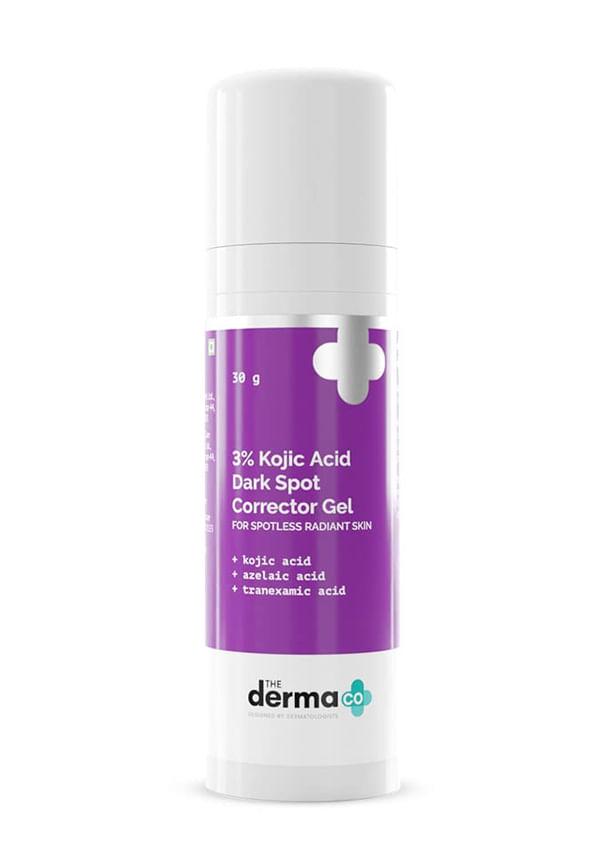
3% Kojic Acid Dark Spot Corrector Gel
Now for the main event—let's see how these two stack up against each other. This kojic acid vs alpha arbutin comparison isn't about declaring a winner, but rather understanding which might work better for your specific needs and skin type.
When it comes to pure potency, kojic acid often takes the lead. It's generally considered more aggressive in its approach to dark spot removal, which can translate to faster visible results. Many users report seeing improvements in 4-6 weeks with kojic acid, while alpha arbutin might take 8-12 weeks to show similar results.
However, faster doesn't always mean better. Alpha arbutin's gentler approach means you're less likely to experience irritation or setbacks, which can actually make your journey to clearer skin smoother in the long run.
This is where alpha arbutin really shines. It's known for being well-tolerated by most skin types, including sensitive skin. The risk of irritation, redness, or peeling is significantly lower compared to kojic acid.
Kojic acid, while effective, can be a bit more challenging. Some people experience irritation, especially when first starting out or when using higher concentrations. It can also make your skin more photosensitive, meaning you absolutely must be diligent about sun protection.
Alpha arbutin wins hands down in the stability department. It's much more stable in formulations and doesn't require special storage conditions. Kojic acid, on the other hand, can be finicky—it may turn brown when exposed to air and light, which doesn't necessarily mean it's gone bad, but it's not ideal.
In terms of cost-effectiveness, both ingredients are generally affordable, but alpha arbutin's stability means you're less likely to waste product due to degradation.
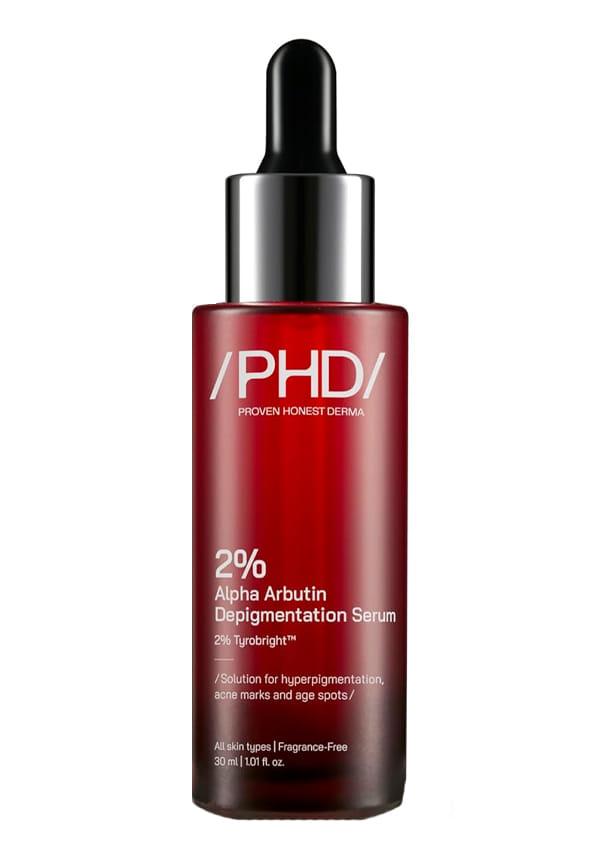
2% Alpha Arbutin Depigmentation Serum
Here's a question that pops up a lot: can you use both ingredients together for maximum effect? The short answer is yes, but with some important caveats. These skincare ingredients can work synergistically, potentially giving you better results than using either alone.
If you're considering this approach, start slowly. You might use alpha arbutin in the morning and kojic acid at night, or alternate days. Always introduce one ingredient at a time and give your skin at least 2-4 weeks to adjust before adding the second one. And remember—more isn't always better. Sometimes using gentler concentrations of both can be more effective than going full throttle with one.
The key is listening to your skin. If you notice any irritation, redness, or increased sensitivity, scale back. Your skin will thank you for taking a patient approach rather than rushing the process.
Choosing between these two isn't just about which is "better"—it's about which is better for you. Your skin type, concerns, and lifestyle all play a role in this decision.
If you have sensitive or reactive skin, alpha arbutin is probably your best bet. Its gentle nature means you can start seeing benefits without the drama of irritation or peeling. Start with a lower concentration (around 1-2%) and gradually work your way up if needed.
Got some really persistent hyperpigmentation that just won't budge? Kojic acid might be worth considering. Its more aggressive approach can be helpful for stubborn spots that haven't responded to gentler treatments. Just be prepared to take it slow and prioritise sun protection.
If you're new to active ingredients, alpha arbutin is generally the safer starting point. It gives you a chance to see how your skin responds to melanin-inhibiting ingredients without the higher risk of irritation that comes with kojic acid.
When you're exploring these ingredients, platforms like Smytten can be incredibly helpful. With curated trial packs from trusted skincare brands, you can test products containing these ingredients without committing to full-size purchases. This approach lets you discover what works for your skin before investing in larger quantities.
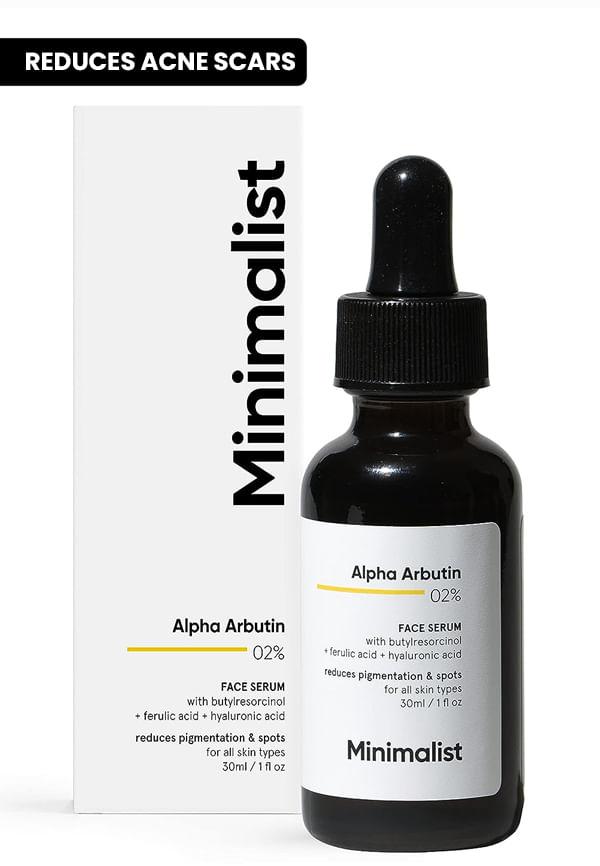
2% Alpha Arbutin Face Serum For Hyperpigmentation
Not exactly. While kojic acid is often considered more potent in terms of immediate effects, "stronger" depends on how you define it. Kojic acid works faster but can be more irritating. Alpha arbutin is gentler but still effective, making it "stronger" in terms of tolerability and consistent results.
Several ingredients can be more effective than kojic acid, including hydroquinone (prescription-strength), tretinoin, and azelaic acid. However, these often come with increased risk of side effects. The "better" option depends on your skin's tolerance and the severity of your hyperpigmentation.
Ingredients like hydroquinone, kojic acid, and vitamin C (in higher concentrations) can be more potent than alpha arbutin. However, stronger doesn't always mean better—alpha arbutin's gentle effectiveness makes it ideal for long-term use and sensitive skin types.
Kojic acid typically shows results in 4-8 weeks, while alpha arbutin may take 8-12 weeks for visible improvements. However, these timelines can vary based on the severity of hyperpigmentation, concentration used, and individual skin response.
The kojic acid vs alpha arbutin comparison isn't really about finding a clear winner—both ingredients have their place in the world of hyperpigmentation treatment. Your choice should depend on your skin type, tolerance for active ingredients, and how quickly you want to see results.
If you're dealing with sensitive skin or you're new to brightening ingredients, alpha arbutin is probably your best starting point. Its gentle yet effective approach makes it suitable for long-term use without the worry of irritation. On the other hand, if you have resilient skin and stubborn dark spots that need some serious attention, kojic acid might be worth exploring—just remember to start slowly and never skip the SPF.
The beauty of modern skincare is that you don't have to guess what works for your skin. Smytten's trial platform connects you with over 1,500 trusted brands, letting you explore different formulations containing these ingredients through mini-sized products. With Trial Points, you can get up to 8 minis for just ₹249, plus enjoy 100% cashback that's redeemable for future orders. This way, you can discover whether kojic acid, alpha arbutin, or perhaps a combination of both works best for your unique skin needs. After all, why settle for 'maybe' when you can try it all and find what truly works for you?
