Kojic Acid Serum FAQ: Your Guide to Brighter Skin


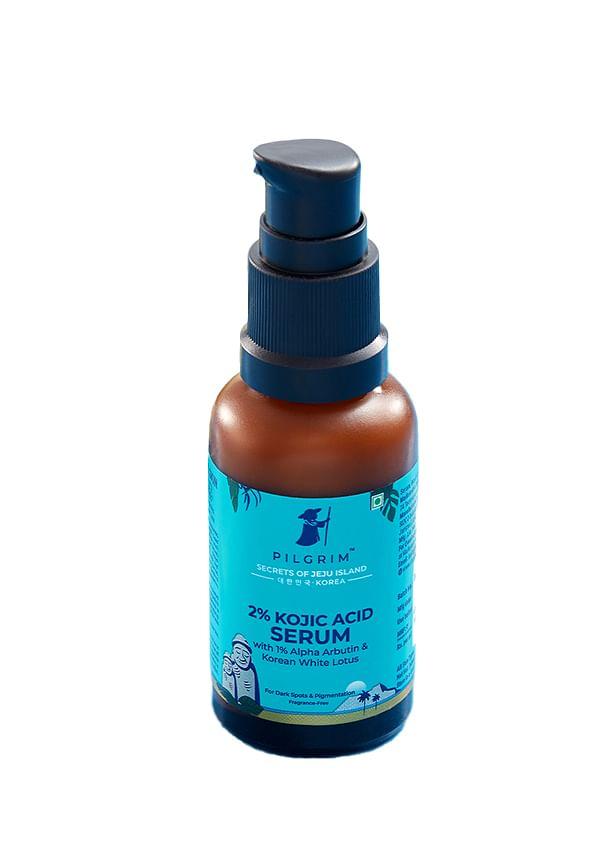
2% Kojic Acid Serum For Dark Spots & Pigmentation
Kojic acid serum has become quite the skincare sensation lately, and honestly, it's not hard to see why. This naturally-derived ingredient has been quietly revolutionising how we tackle stubborn dark spots, uneven skin tone, and hyperpigmentation. If you've been wondering what is kojic acid serum used for and whether it might just become your next skincare fave, you're in the right place. Let's dive into everything you need to know about this skin brightening powerhouse, from its science-backed benefits to realistic timelines for seeing results.
Real talk—kojic acid isn't some lab-created mystery ingredient. It's actually a natural byproduct of fermented rice, which explains why it's been used in Japanese skincare for centuries. The magic happens when kojic acid blocks tyrosinase, the enzyme responsible for melanin production in your skin.
Think of kojic acid as your skin's gentle editor, working behind the scenes to regulate pigment production. Unlike harsh bleaching agents, it doesn't strip your skin but rather helps slow down the overproduction of melanin that causes dark spots and uneven patches. This makes it particularly brilliant for addressing post-inflammatory hyperpigmentation—those annoying marks that linger long after a breakout has healed.
When it comes to skin lightening serum options, kojic acid sits in a sweet spot between effectiveness and gentleness. While hydroquinone might work faster, it comes with more side effects and isn't suitable for long-term use. Vitamin C is gentler but can be unstable and less targeted for pigmentation issues. Kojic acid offers consistent results with a lower risk of irritation, making it worth a try for most skin types.
Now let's get to the good stuff—what kojic acid serum can actually do for your skin. The benefits go beyond basic brightening, though that's definitely its claim to fame.
This is where kojic acid truly shines as a dark spot corrector. Whether you're dealing with acne scars, sun damage, or those stubborn marks that seem to take forever to fade, kojic acid works by gradually lightening these areas. Most people start seeing noticeable improvements in their hyperpigmentation within 4-8 weeks of consistent use. The key word here is consistent—sporadic application won't give you the results you're after.
Melasma treatment can be particularly tricky because it's often triggered by hormonal changes. Kojic acid offers a gentler approach compared to stronger prescription treatments, making it suitable for long-term management. While it might take 8-12 weeks to see significant improvement in melasma patches, the gradual approach means less risk of irritation or rebound pigmentation.
Beyond targeting specific dark spots, kojic acid helps create a more uniform complexion overall. If you've got patchy skin tone or just want that healthy, radiant glow, this ingredient can help smooth out those inconsistencies. Many users notice their skin looking brighter and more even within just 2-4 weeks of regular use.
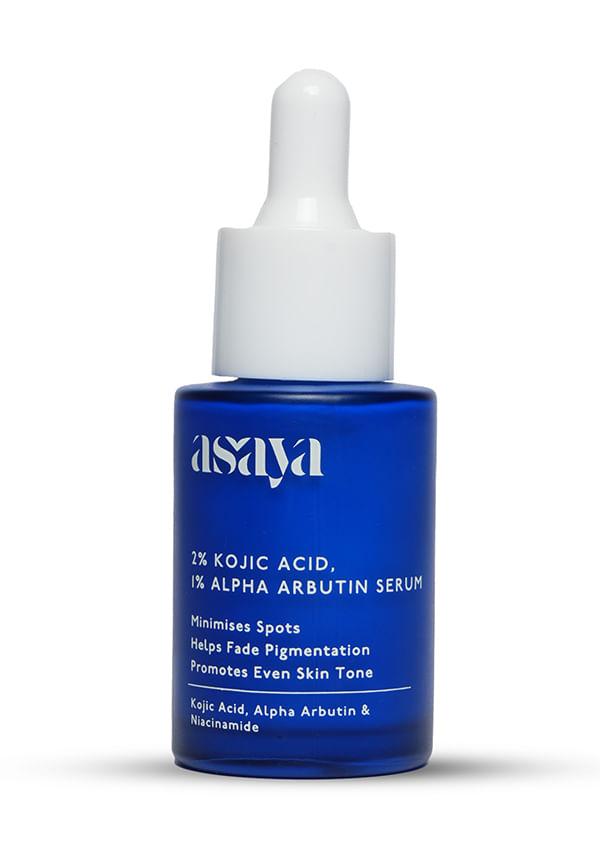
2% Kojic Acid & 1% Alpha Arbutin Face Serum
Here's where things get interesting—kojic acid for skin isn't just about pigmentation. This multitasking ingredient brings several bonus benefits to your skincare routine.
Kojic acid's antioxidant properties help protect your skin from free radical damage, which can contribute to premature ageing. While it's not primarily an anti-ageing ingredient, regular use can help maintain skin texture and support overall skin health. Some users find their skin looks more refined and smooth over time.
Plot twist—kojic acid also has antimicrobial properties that can help reduce acne-causing bacteria. This makes it particularly clever for those dealing with both active breakouts and post-acne marks. It's like getting two treatments in one, helping prevent new spots while fading existing ones.
Getting the most out of your kojic acid serum comes down to using it correctly. Let's break down the dos and don'ts to help you avoid any skincare mishaps.
Start with a concentration of 1% or less—trust me on this one. Higher concentrations don't necessarily mean faster results, but they do increase your risk of irritation. Apply your serum to clean, dry skin, typically in the evening. A few drops are usually enough for your entire face, so a little goes a long way.
Kojic acid plays well with others, particularly vitamin C for enhanced brightening effects. Some people also layer it with gentle exfoliating acids like glycolic acid, though you'll want to introduce these combinations gradually. Always follow up with a good moisturiser to keep your skin barrier happy.
This cannot be stressed enough—SPF is non-negotiable when using kojic acid. The ingredient can make your skin more photosensitive, meaning you're more prone to sun damage. Use a broad-spectrum SPF 30 or higher every single day, even when it's cloudy. Reapply throughout the day if you're spending time outdoors.
Like any active ingredient, kojic acid isn't without its potential downsides. Knowing what to watch for can help you use it safely and effectively.
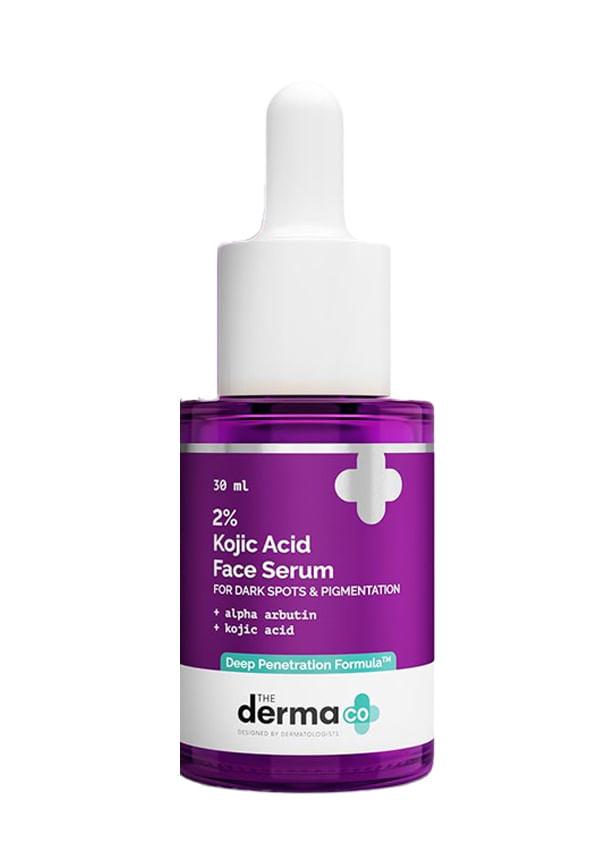
2% Kojic Acid Face Serum with 1% Alpha Arbutin & Niacinamide
The most common side effects include mild irritation, redness, or a slight stinging sensation when you first start using it. These usually subside as your skin adjusts. Always do a patch test before applying it to your entire face—apply a small amount to your inner arm and wait 24 hours to check for any reaction.
If you're pregnant or breastfeeding, it's best to skip kojic acid until after this period. People with very sensitive skin or conditions like eczema should also proceed with caution. When in doubt, chat with a dermatologist before adding any new active ingredient to your routine.
Let's set realistic expectations here—kojic acid can help fade pigmentation and even out your skin tone, but it can't change your natural skin colour. It works on excess pigmentation, not your baseline complexion. If you experience persistent irritation or your skin doesn't seem to be tolerating it well, it's perfectly fine to discontinue use.
Patience is key with kojic acid—it's not an overnight miracle worker, but the results are definitely worth the wait. Here's what you can realistically expect and when.
For general brightening and minor uneven skin tone, you might notice improvements within 2-4 weeks. Dark spots and post-acne marks typically take 4-8 weeks to show significant fading. More stubborn issues like melasma can take 8-12 weeks or longer to see meaningful improvement. Remember, everyone's skin is different, so your timeline might vary.
Several factors affect how quickly you'll see results. Your skin type, the severity of pigmentation, how consistently you apply the product, and whether you're protecting your skin from sun exposure all play a role. The more diligent you are with application and sun protection, the better and faster your results will be.
Yes, most people can use kojic acid serum daily, but it's best to start with every other day to see how your skin responds. If you experience no irritation, you can gradually increase to daily use.
Kojic acid can help fade tan lines and sun-induced pigmentation over time, but it won't instantly remove a tan. It works gradually to lighten areas of hyperpigmentation caused by sun exposure.
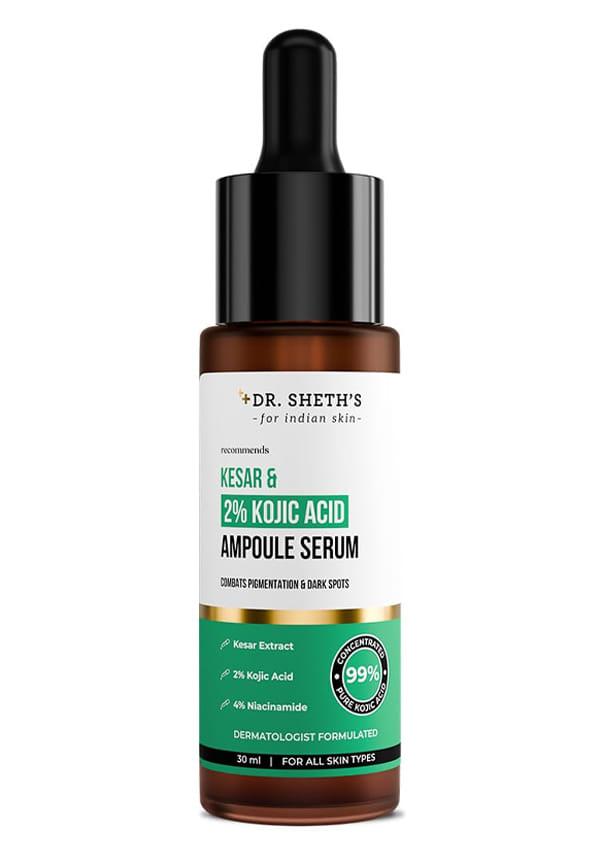
Kesar & Kojic Acid Serum
Evening application is generally recommended since kojic acid can increase photosensitivity. If you do use it during the day, make sure to apply a high-SPF sunscreen afterwards.
Most people see initial brightening within 2-4 weeks, with more significant lightening of dark spots occurring around 6-8 weeks of consistent use.
Kojic acid helps with skin brightening and evening out tone, but it doesn't whiten skin beyond your natural complexion. It targets excess pigmentation rather than changing your baseline skin colour.
Kojic acid can be effective for most skin types, but those with very sensitive skin should use it with caution and start with lower concentrations.
Potential disadvantages include skin irritation, increased sun sensitivity, and the need for consistent long-term use to maintain results. Some people may also experience contact dermatitis.
It's generally best to use these ingredients on alternating nights rather than together, as combining them can increase the risk of irritation. Start slowly and see how your skin responds.
When used properly and with adequate sun protection, kojic acid is generally considered safe for long-term use. However, it's always wise to take breaks occasionally and monitor your skin's response.
Kojic acid serum offers a gentle yet effective approach to tackling hyperpigmentation, dark spots, and uneven skin tone. While it requires patience and consistency, the results can be quite impressive for those dealing with stubborn pigmentation issues. The key to success lies in starting slowly, protecting your skin from sun exposure, and maintaining realistic expectations about timelines.
If you're curious about trying kojic acid but hesitant to commit to a full-size product, platforms like Smytten make it easy to test the waters. With curated trial packs from trusted skincare brands, you can explore different kojic acid formulations without the commitment. After all, finding your perfect skin brightening serum shouldn't involve guesswork—it should be about discovering what works best for your unique skin needs.
