Kojic Acid for Pigmentation: FAQ on Indian Skin Safety


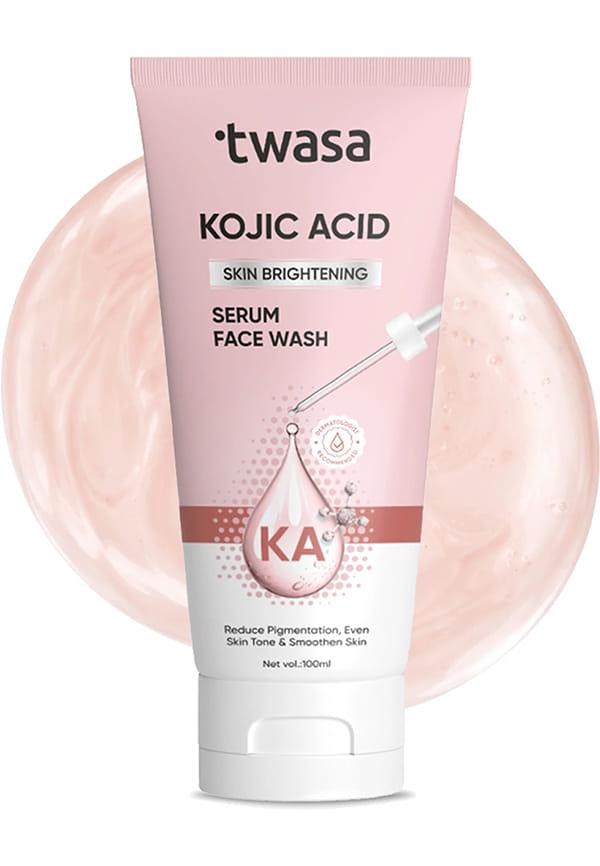
Kojic Acid For Dark Spots, Even Skin Tone & Pigmentation
You've noticed those stubborn dark spots that seem to multiply after every summer, every hormonal shift, every bout of stress-induced breakouts. If you're researching kojic acid for pigmentation, you're likely tired of concealer being your daily armour and ready for a real solution. Indian skin, with its beautiful melanin-rich complexity, deserves ingredients that work with—not against—our natural skin tone. Let's dive into everything you need to know about kojic acid, from how it actually works to whether it's truly safe for our skin.
Understanding how kojic acid works for pigmentation starts with knowing your skin's melanin production process. When your skin experiences trauma—whether from acne, sun exposure, or hormonal changes—it triggers an enzyme called tyrosinase. This enzyme kickstarts melanin production, which eventually shows up as those frustrating dark spots weeks later.
Kojic acid works by blocking this tyrosinase enzyme before it can create excess melanin. Think of it as putting a gentle brake on your skin's pigment factory. Unlike harsh bleaching agents that strip colour indiscriminately, kojic acid specifically targets the overproduction that causes hyperpigmentation.
Real talk: kojic acid benefits don't appear overnight. Most people notice initial brightening around 4-6 weeks, with significant improvement in dark spots taking 8-12 weeks. Your skin needs time to cycle through its natural renewal process whilst the kojic acid does its work.
Indian skin types (typically Fitzpatrick III-V) respond well to kojic acid because it's gentler than alternatives like hydroquinone. Our melanin-rich skin can handle this ingredient's steady, consistent approach to pigmentation treatment without the harsh side effects that stronger lighteners might cause.
The safety question around kojic acid for skin often stems from confusion about regulations in different countries. Yes, Japan restricted kojic acid in cosmetics back in the 1990s due to concerns about high concentrations. However, this doesn't mean the ingredient is unsafe when used properly.
For Indian skin specifically, kojic acid has several advantages as one of the safe skin brighteners available. Clinical studies show that concentrations between 1-4% are both effective and well-tolerated by darker skin tones. Unlike hydroquinone, which is banned in India due to safety concerns, kojic acid offers a regulated, dermatologist-approved option for treating pigmentation.
Kojic acid doesn't thin the skin or cause the rebound hyperpigmentation that some harsh lighteners can trigger. This makes it particularly suitable for Indian skin, which can be prone to post-inflammatory hyperpigmentation when irritated by aggressive treatments.
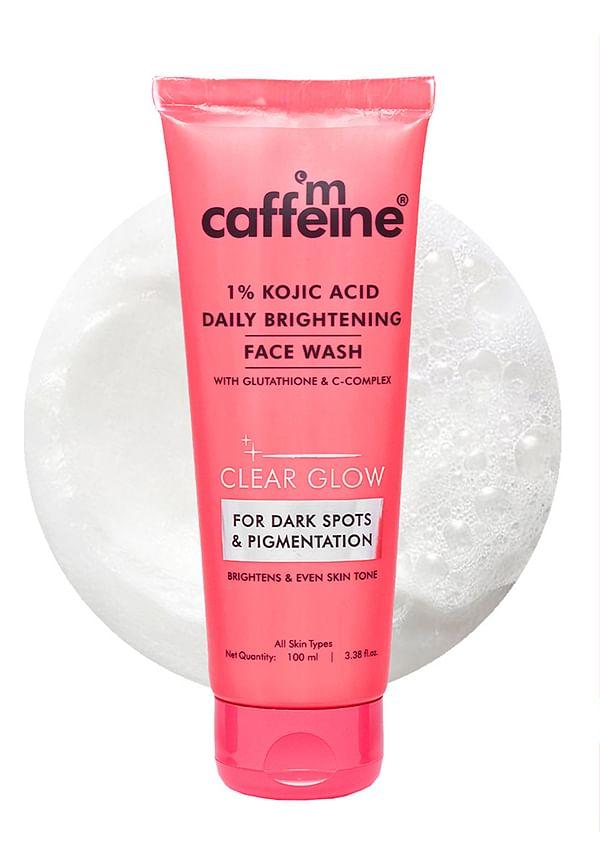
CLEAR GLOW 1% Kojic Acid Daily Brightening Face Wash For Dark Spots & Pigmentation
The kojic acid benefits extend beyond basic spot-fading. This ingredient addresses several pigmentation issues that are particularly common in Indian skin types.
Those symmetrical brown patches that appeared during pregnancy or after starting new contraception? Kojic acid for dark spots works gradually to fade melasma without the irritation that can make hormonal pigmentation worse.
Indian skin's tendency toward post-inflammatory hyperpigmentation means every pimple can leave a lasting mark. Kojic acid helps prevent new dark spots from forming whilst fading existing ones.
Years of Indian summers and pollution exposure create uneven skin tone. Regular use of kojic acid can help restore that natural radiance whilst preventing further damage when combined with proper sun protection.
Choosing the right kojic acid serum or product format depends on your skin's tolerance and your specific concerns. Serums offer targeted treatment, whilst soaps provide gentle daily maintenance.
Start with 2-3 times per week, gradually increasing to daily use as your skin adjusts. Always apply kojic acid products in the evening, as they can increase photosensitivity. Follow with a moisturiser to prevent dryness, and never skip SPF during the day.
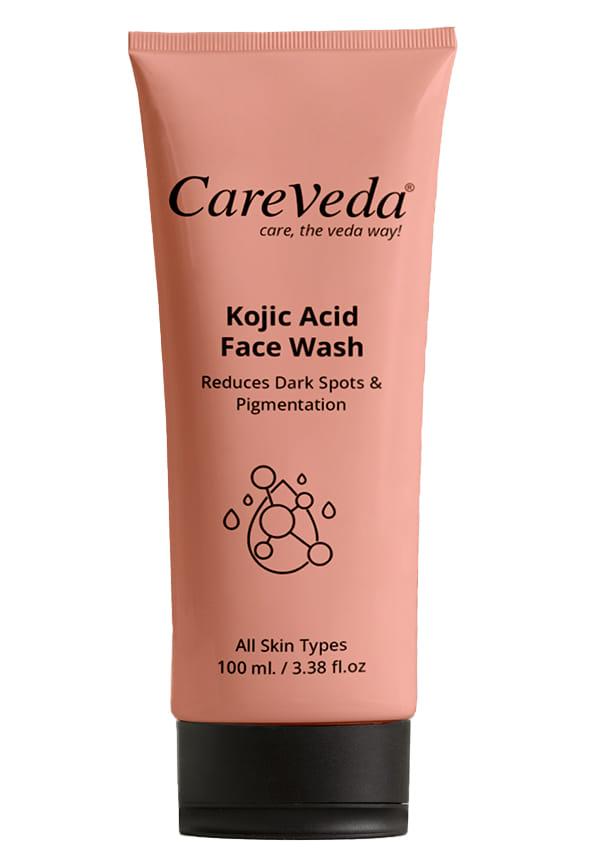
Kojic Acid Face Wash For Reduces Dark Spots & Pigmentation
Kojic acid plays well with niacinamide and vitamin C, but avoid using it with strong acids like glycolic acid or retinoids initially. Build your tolerance gradually to prevent irritation.
Understanding kojic acid side effects helps you use the ingredient safely. The most common issues include mild irritation, dryness, and increased sun sensitivity—all manageable with proper use.
Pregnant and breastfeeding women should skip kojic acid products. If you have very sensitive skin or conditions like eczema, patch test first and consider starting with lower concentrations.
Discontinue use if you experience persistent redness, burning, or worsening pigmentation. These could indicate contact dermatitis or an allergic reaction.
Yes, kojic acid is generally well-suited for Indian skin types. Its gentle mechanism of action makes it safer than many alternatives, and clinical studies show good efficacy for Fitzpatrick III-V skin tones. The key is using appropriate concentrations (1-4%) and building tolerance gradually.
Most people notice initial brightening within 4-6 weeks of consistent use. Significant improvement in dark spots typically takes 8-12 weeks. Indian skin's natural renewal cycle means patience is essential—rushing the process with higher concentrations often backfires.
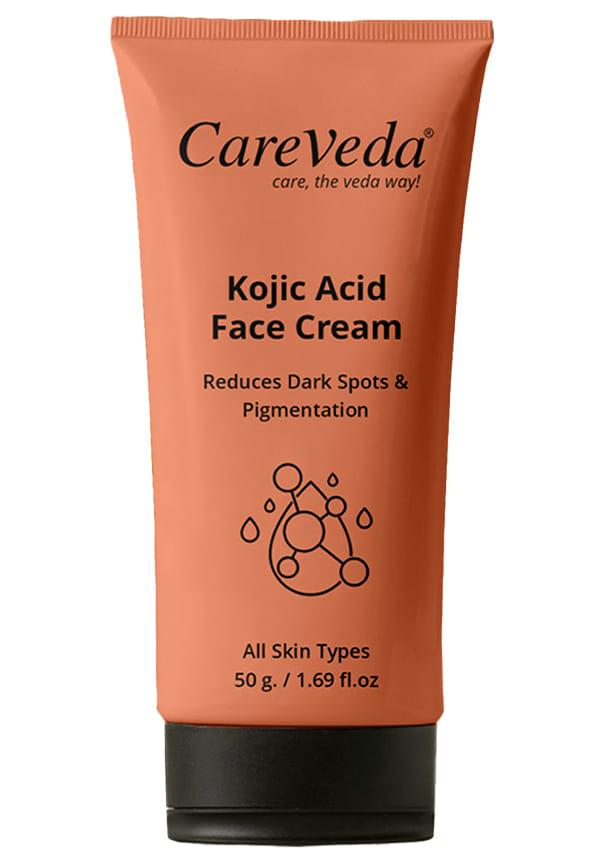
Kojic Acid Face Cream For Reduces Dark Spots & Pigmentation
Yes, kojic acid combines well with vitamin C, niacinamide, and arbutin. However, avoid layering with strong acids or retinoids initially. If you're using prescription treatments for pigmentation, consult your dermatologist before adding kojic acid.
For Indian skin, concentrations between 1-2% are ideal for daily use, whilst 3-4% should be used 2-3 times per week initially. Higher concentrations aren't necessarily better and can cause irritation that worsens pigmentation.
Yes, arbutin, vitamin C, and licorice extract offer gentler alternatives. However, kojic acid often provides faster, more noticeable results. Natural doesn't always mean more effective for stubborn pigmentation issues.
If used incorrectly—without sun protection or in too high concentrations—kojic acid can potentially worsen pigmentation through irritation. This is why gradual introduction and consistent SPF use are crucial.
Yes, but extra sun protection is essential. Use kojic acid products in the evening only, apply broad-spectrum SPF 30+ daily, and consider reducing frequency during peak summer months if you experience increased sensitivity.
Kojic acid is gentler and legal in India, whilst hydroquinone is banned due to safety concerns. Though kojic acid may work slower, it's safer for long-term use and doesn't carry the risks of rebound hyperpigmentation that hydroquinone can cause.
Kojic acid offers a scientifically-backed, relatively gentle approach to treating pigmentation concerns that are common in Indian skin. Its ability to inhibit tyrosinase makes it effective for various types of hyperpigmentation, from post-acne marks to melasma, without the harsh side effects of stronger alternatives.
The key to success lies in realistic expectations and proper use. Start slowly, protect your skin from sun exposure religiously, and give the ingredient time to work. Remember that consistent, gentle treatment often yields better long-term results than aggressive approaches that can irritate and worsen pigmentation.
If you're dealing with persistent or severe pigmentation, consulting a dermatologist remains the gold standard. They can help determine whether kojic acid is right for your specific skin concerns and guide you toward the most effective treatment plan.
For those ready to explore kojic acid products, Smytten's curated selection includes trusted brands with proven formulations. The platform's trial approach lets you test different concentrations and formats before committing to full-size products—particularly valuable when introducing a new active ingredient to your routine.
