K-Beauty Routine for Indian Skin FAQ: Your Questions Answered


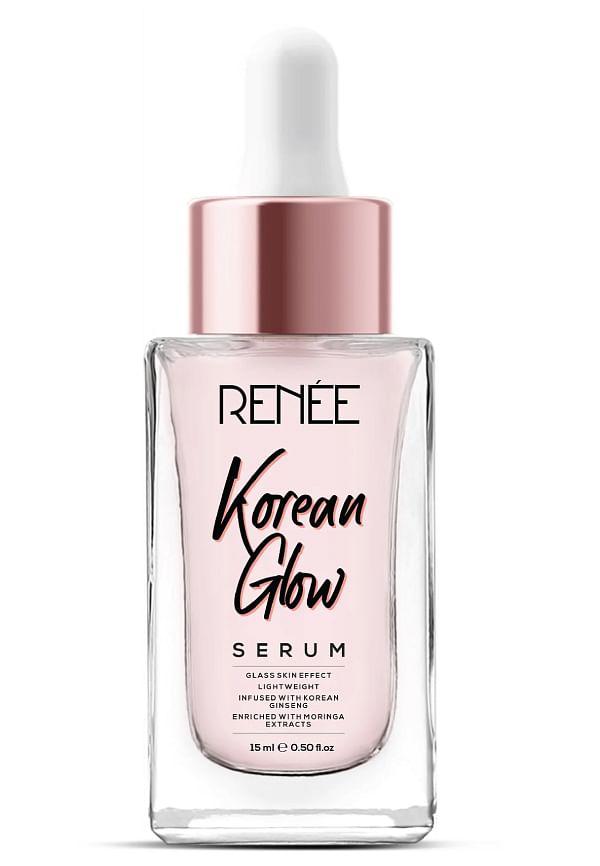
Korean Glow Serum
You've seen the glass skin photos, saved countless K-beauty routine reels, and wondered if that luminous, poreless look could work for your Indian skin. The truth? Korean skincare isn't just about achieving that coveted glow—it's about understanding your skin's unique needs and finding products that actually work with your skin type, climate, and concerns. Whether you're dealing with stubborn hyperpigmentation, monsoon breakouts, or just want to simplify your routine, K-beauty offers some brilliant solutions. But let's be real—adapting a Korean routine for Indian skin comes with questions, and we're here to answer them all.
The short answer? Absolutely. Korean skincare philosophy focuses on gentle, consistent care rather than harsh treatments—something that works beautifully with Indian skin's natural resilience and sensitivity. The emphasis on hydration, barrier repair, and gradual improvement aligns perfectly with what most Indian skin types need.
Here's why K-beauty works so well for brown skin tones: Korean formulations often prioritise niacinamide, hyaluronic acid, and centella asiatica—ingredients that address common Indian skin concerns like excess oil production, dehydration, and inflammation. Unlike some Western skincare that can be overly aggressive, Korean products tend to be gentler whilst still being effective.
The real magic happens when you adapt the routine to your specific needs. You don't need to follow every single step religiously. Instead, focus on the core principles: thorough cleansing, proper hydration, targeted treatments, and consistent sun protection. Many users with Indian skin report seeing improvements in texture, brightness, and overall skin health within 4-6 weeks of starting a modified K-beauty routine.
Indian skin has some unique characteristics that make certain K-beauty approaches particularly effective. Higher melanin levels mean we're naturally more prone to post-inflammatory hyperpigmentation but also have better natural sun protection. Most Indian skin types tend to be combination to oily, especially in humid climates, which means we need products that hydrate without feeling heavy.
The Korean approach of layering lightweight, water-based products works brilliantly here. Instead of one thick moisturiser that might feel suffocating in Indian humidity, you can build hydration with a hydrating toner, essence, and lightweight moisturiser. This method gives you better control over how much moisture your skin receives.
Your K-beauty routine needs to flex with India's diverse climate conditions. During monsoons, focus on oil control and preventing fungal acne with ingredients like tea tree and salicylic acid. Summer calls for lightweight, gel-based products and religious SPF application. Winter might be the only time you can handle those richer Korean sleeping masks and heavier essences.
Forget the intimidating 10-step routine you see on social media. A effective K-beauty routine for Indian skin can be as simple as 4-5 steps that actually address your concerns. The key is consistency, not complexity.
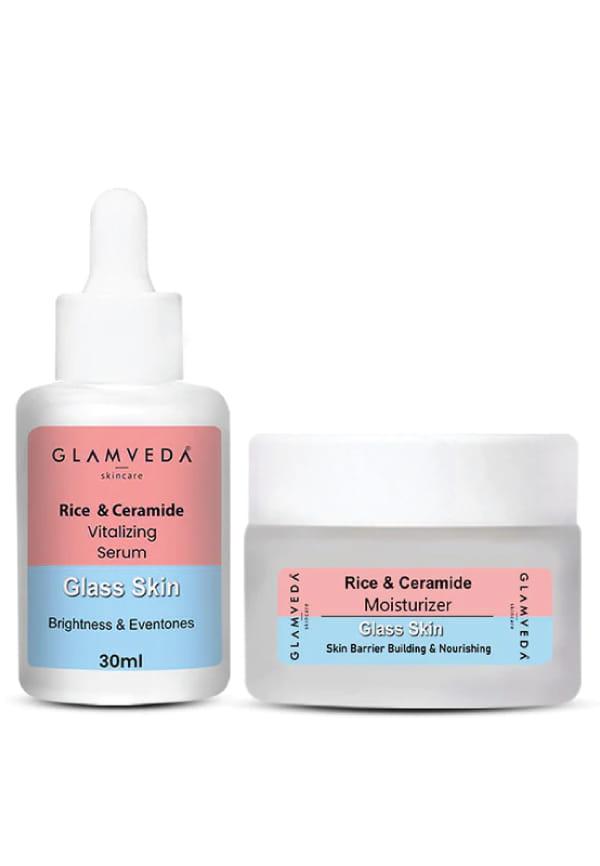
Korean Glass Skin Rice & Ceramide Face Serum & Moisturizer Combo
Step 1: Gentle cleanser - A low-pH cleanser that won't strip your skin's natural oils. Look for gel or foam cleansers with ingredients like green tea or rice water.
Step 2: Hydrating toner - This isn't the astringent toners you might remember. Korean toners are more like lightweight essences that prep your skin for other products.
Step 3: Treatment serum - This is where you target specific concerns. Niacinamide for oil control, vitamin C for brightening, or hyaluronic acid for hydration.
Step 4: Moisturiser and SPF - A lightweight moisturiser followed by broad-spectrum SPF 30 or higher. Non-negotiable, especially in Indian sun conditions.
Your evening routine can be slightly more intensive. Start with double cleansing if you've worn makeup or sunscreen. Follow with your toner, any active treatments (like BHA or retinol), and a more nourishing moisturiser. This is also when you might add a sleeping mask once or twice a week for extra hydration.
Korean skincare excels at using gentle yet effective ingredients that work well with Indian skin's tendency towards sensitivity and pigmentation. Understanding which ingredients to look for can help you build a routine that actually addresses your specific concerns.
Niacinamide is probably the most universally loved K-beauty ingredient for Indian skin. It helps regulate oil production, reduces the appearance of pores, and gradually fades dark spots without irritation. Start with a 5% concentration and work your way up if needed.
Alpha arbutin and kojic acid are gentler alternatives to hydroquinone for treating dark spots. These ingredients work slowly but steadily to brighten skin without the harsh side effects. Licorice root extract is another Korean favourite that helps with both brightening and soothing inflammation.
Korean formulations often combine salicylic acid with soothing ingredients like centella asiatica or green tea. This approach helps prevent breakouts without over-drying your skin—something particularly important in Indian climates where your skin might be oily but also dehydrated.
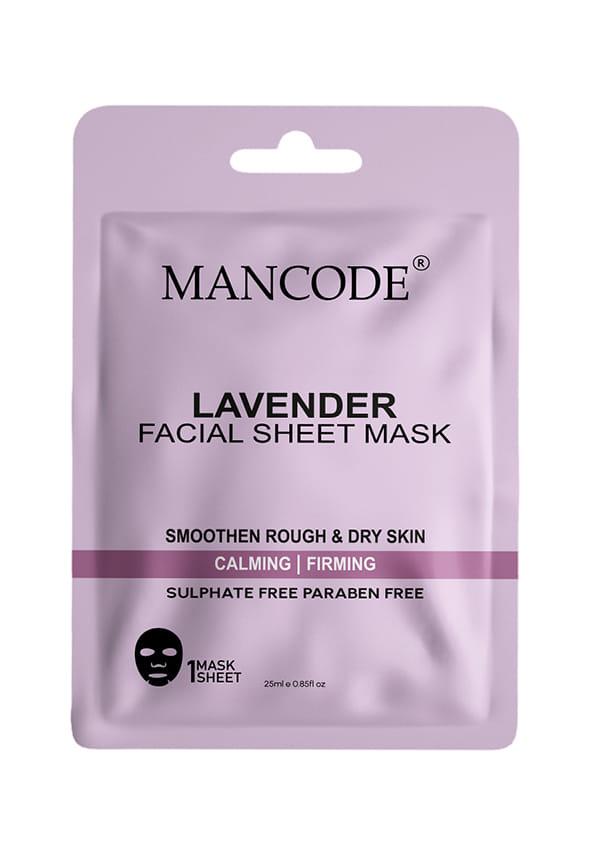
Lavender Facial Sheet Mask for Calming & Firming the Skin With Korean Formula
Tea tree oil and centella asiatica are brilliant for calming active breakouts and preventing new ones. These ingredients are gentle enough for daily use but effective enough to see real results.
The beauty of Korean skincare lies in its customisable nature. You can pick and choose elements that work for your specific skin type and concerns, rather than following a one-size-fits-all approach.
For oily, acne-prone skin, focus on the double cleansing method, BHA treatments, and lightweight hydration. Don't skip moisturiser thinking it'll make you oilier—dehydrated skin often overproduces oil to compensate.
If you're dealing with dryness and sensitivity, Korean essences and sleeping masks can be game-changers. Look for products with ceramides, hyaluronic acid, and snail mucin (yes, really—it's incredibly healing and hydrating).
For combination skin, which is very common in Indian skin types, you might need to use different products on different areas of your face. A gel moisturiser on your T-zone and a creamier formula on your cheeks, for example.
The biggest mistake people make when starting K-beauty is trying to do everything at once. Your skin needs time to adjust to new products, especially if you're introducing multiple active ingredients. Start with one or two new products and gradually build your routine over several weeks.
Over-exfoliation is another common pitfall. Just because Korean skincare emphasises gentle exfoliation doesn't mean you should use AHA and BHA products daily. Start with 2-3 times a week and adjust based on how your skin responds.
Don't forget that patch testing is crucial, especially if you have sensitive skin. Apply a small amount of any new product to your inner arm or behind your ear and wait 24-48 hours to check for reactions.
Most people start noticing improvements in skin texture and hydration within 2-3 weeks. For concerns like hyperpigmentation or acne scarring, you'll need to be patient—real changes typically take 6-12 weeks of consistent use. Remember, Korean skincare is about gradual, sustainable improvement rather than dramatic overnight changes.
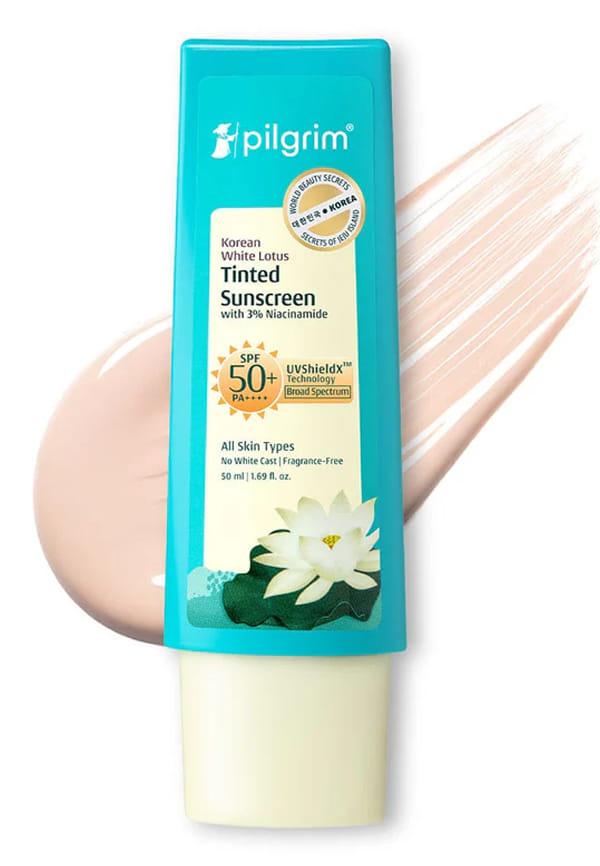
Korean White Lotus Tinted Sunscreen SPF 50+ PA++++
Absolutely, but you'll need to adjust your routine seasonally. During humid months, stick to lighter formulations and focus on oil control. In winter or air-conditioned environments, you can layer more hydrating products. The key is listening to your skin and adapting accordingly.
Korean skincare can range from very affordable to luxury pricing. Many effective K-beauty products are available in India for under ₹1,000. The key is starting with basic, well-formulated products rather than trying to buy everything at once. A simple routine with a good cleanser, toner, and moisturiser can cost less than ₹2,000 and last several months.
Not at all. The famous 10-step routine is more of a maximum than a requirement. Most dermatologists recommend starting with 4-5 essential steps: cleanse, tone, treat, moisturise, and protect. You can always add more steps later if your skin needs them and you enjoy the process.
If you have sensitive skin, be cautious with high concentrations of vitamin C, retinol, or strong AHA/BHA products. Start with lower concentrations and patch test everything. Avoid products with heavy fragrances or essential oils, which can be irritating. Stick to gentle, proven ingredients like niacinamide, hyaluronic acid, and centella asiatica.
Korean skincare offers several gentle yet effective ingredients for treating post-inflammatory hyperpigmentation. Alpha arbutin, kojic acid, and niacinamide work well for Indian skin tones without causing irritation. However, consistency is key—you'll need to use these ingredients for several months and always wear SPF to prevent new dark spots from forming.
Korean skincare offers a thoughtful, gentle approach that works beautifully with Indian skin when adapted properly. The focus on hydration, barrier repair, and consistent care aligns perfectly with what most Indian skin types need to look and feel their best. Remember, the goal isn't to completely transform your skin overnight—it's about creating a sustainable routine that addresses your specific concerns while respecting your skin's natural characteristics.
The key to success with K-beauty is starting simple, being consistent, and adjusting your routine based on your skin's response and India's changing climate conditions. Whether you're dealing with oily T-zones, stubborn dark spots, or just want that healthy, hydrated glow, there's likely a Korean skincare approach that can help.
If you're curious about trying Korean skincare but hesitant to invest in full-size products, Smytten offers an excellent way to explore different K-beauty brands and formulations. With trial sizes from trusted Korean and Korean-inspired brands, you can test what works for your skin before committing to larger purchases. It's a smart approach that lets you build your perfect routine gradually, ensuring every product you choose actually works for your unique skin needs.
