Is Skincare a Scam? Your Questions Answered


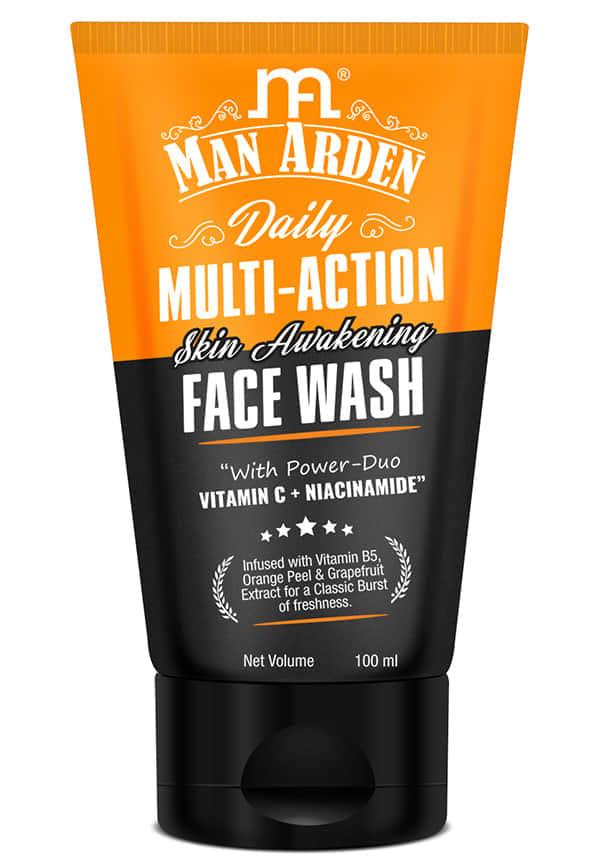
Vitamin C Daily Multi-Action Skin Awakening & Brightening Face Wash Vitamin C + Niacinamide
Ever scrolled through Instagram and wondered if that £200 serum is actually worth it, or if you're just falling for clever marketing? You're not alone. With the skincare industry worth over £180 billion globally and growing, it's natural to question whether we're investing in genuine skin health or just expensive promises. The truth is, skincare isn't a complete scam, but the industry is riddled with marketing tactics designed to make you feel like you need everything. Real talk: some products genuinely work, others are overpriced moisturisers in fancy packaging, and many fall somewhere in between. Understanding the difference can save you money and actually improve your skin. Platforms like Smytten are changing how we approach skincare discovery, letting you trial products before committing to full-size purchases, which means you can test what actually works for your skin without the hefty price tag.
TL;DR
Skincare isn't a scam, but the industry uses clever marketing tactics to oversell products and create unrealistic expectations
Basic skincare principles (cleanse, moisturise, protect) are scientifically sound, but complex routines and expensive products aren't always necessary
Three products actually work: a gentle cleanser, moisturiser, and SPF - everything else is optional
Price doesn't equal effectiveness - many affordable products contain the same active ingredients as luxury brands
Red flags include miracle claims, proprietary blends, and before/after photos without proper clinical backing
The skincare industry's massive valuation comes from a mix of genuine innovation and clever marketing. While basic skincare principles are absolutely scientifically sound - your skin does need cleansing, hydration, and protection - the industry has mastered the art of making you feel like you need far more than you actually do.
Here's what's real: your skin barrier function improves with consistent, gentle care. Ingredients like niacinamide, retinoids, and vitamin C have decades of research backing their effectiveness. The problem starts when marketing creates unrealistic expectations about timelines and results. That £150 cream promising to reverse ten years of ageing in two weeks? That's where the scam territory begins.
The cosmetic industry truths reveal that many products work through basic moisturisation and sun protection rather than revolutionary ingredients. Your skin will notice the difference between a proper routine and neglect, but it won't necessarily notice the difference between a £20 moisturiser and a £200 one if they contain similar ingredients.
The beauty product deception often starts with myths that sound logical but drain your wallet. Let's break down the biggest ones that keep you spending unnecessarily.
This is perhaps the biggest skincare marketing tactic out there. Price often reflects packaging, marketing budgets, and brand positioning rather than ingredient quality. A £5 cleanser from the pharmacy might contain the same gentle surfactants as a £50 luxury version.
Many affordable brands source ingredients from the same suppliers as luxury ones. The difference? Marketing costs, fancy packaging, and brand prestige. When you're paying £100 for a serum, you're often funding advertising campaigns, not superior formulations.
The skincare ingredients hype has convinced many that more products equal better results. Dermatologists consistently recommend keeping it simple: cleanser, moisturiser, and SPF cover your basic needs.
Over-complicated routines can actually damage your skin barrier through over-exfoliation or ingredient conflicts. Your skin doesn't need ten different serums - it needs consistency with proven ingredients.
Real skincare results take time. Retinoids, the gold standard for anti-ageing, typically show results after 12-16 weeks of consistent use. Any product promising overnight transformation is likely using temporary effects like plumping or light-reflecting particles.
The FDA regulates cosmetic claims, but the language is carefully crafted. "Reduces the appearance of" is very different from "eliminates," yet marketing often blurs these lines.
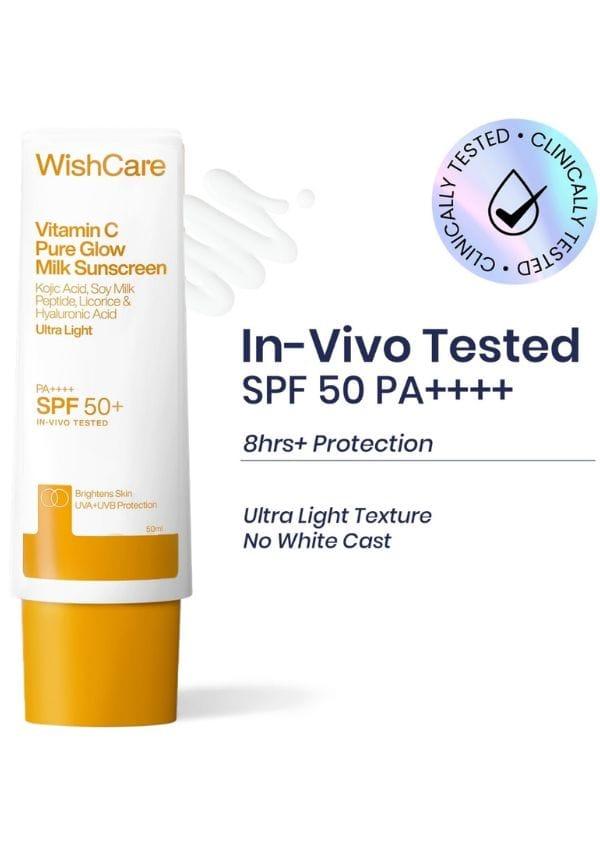
Vitamin C Pure Glow Face Sunscreen SPF 50 PA++++
The short answer is: sometimes, but not for the reasons you think. Expensive products aren't automatically better, but they might contain higher concentrations of active ingredients or more elegant formulations that feel nicer to use.
Cleanser: Your cleanser's job is simple - remove dirt, oil, and makeup without stripping your skin. A gentle, pH-balanced formula does this effectively regardless of price. Luxury cleansers often add fragrances and textures that feel nice but don't improve cleaning efficacy.
Moisturiser: All moisturisers work by creating a barrier to prevent water loss and adding hydrating ingredients. Whether it's £10 or £100, if it contains humectants, emollients, and occlusives, it's doing its job. The expensive version might feel more luxurious, but your skin can't tell the difference.
SPF: This is the only proven anti-ageing product. A broad-spectrum SPF 30+ protects against UV damage that causes 80% of visible ageing. The best sunscreen is the one you'll actually use daily, regardless of price.
When expensive products are worth it, it's usually because they contain effective concentrations of proven actives. Retinoids stimulate cell turnover and collagen production - this is backed by decades of research. Vitamin C provides antioxidant protection and can help with hyperpigmentation when formulated properly.
Chemical exfoliants like AHAs and BHAs genuinely improve skin texture by removing dead skin cells. The key is concentration and formulation stability, not price. A well-formulated £15 AHA serum can outperform a £80 one with poor pH or packaging.
Understanding which skincare product claims have merit helps you separate effective products from marketing fluff. The skincare science vs marketing battle is real, and knowing what to look for protects your wallet and your skin.
Eye creams: These are often regular moisturisers in smaller, more expensive packaging. The skin around your eyes is thinner, but it doesn't need completely different ingredients. A gentle facial moisturiser works just as well.
Collagen creams: Collagen molecules are too large to penetrate your skin. These products might temporarily plump through hydration, but they can't actually boost your skin's collagen levels. Save your money and use retinoids or vitamin C instead.
Detox masks: Your skin doesn't need detoxing - that's your liver's job. Many "detox" masks are just clay masks that absorb oil, which can be helpful for oily skin but isn't revolutionary.
Legitimate skincare products should reference peer-reviewed research or clinical studies. Look for ingredients with established mechanisms of action: retinoids for cell turnover, niacinamide for oil control and barrier function, or ceramides for hydration.
Clinical studies should be conducted on the actual product, not just individual ingredients. A study showing vitamin C works doesn't automatically validate every vitamin C product - formulation matters enormously.
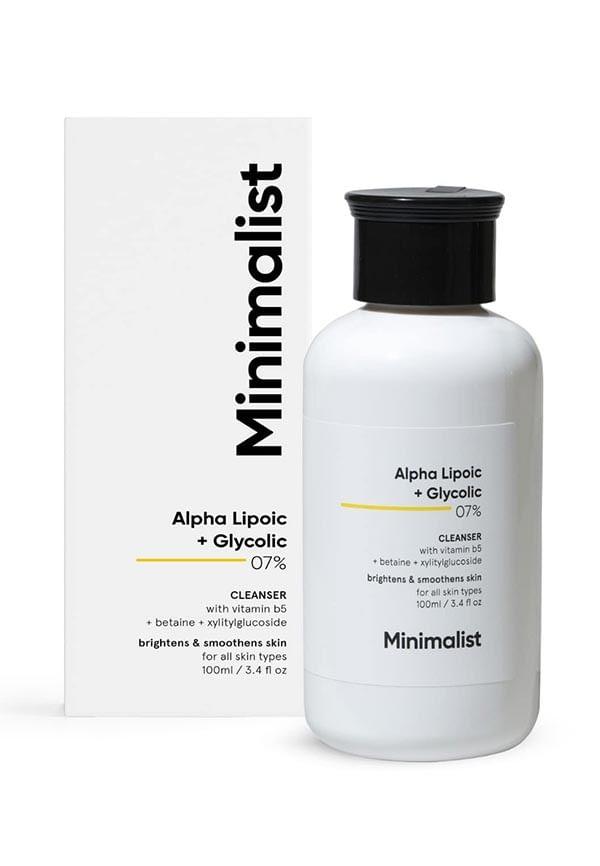
7% Ala & Aha Brightening Face Wash With Vitamin B5
Recognising skincare marketing tactics helps you make informed decisions. The beauty industry is skilled at making ordinary products sound revolutionary, but certain phrases should make you pause.
"Clinically proven" sounds impressive, but dig deeper. Was the study conducted on ten people over two weeks, or hundreds over months? Many "clinical" studies are small, short-term, or conducted by the brand itself rather than independent researchers.
"Natural" and "organic" don't automatically mean better or safer. Poison ivy is natural, but you wouldn't put it on your face. These terms are marketing tools that play on consumer preferences rather than indicating superior efficacy.
Proprietary blends allow brands to hide ingredient concentrations. If a product won't tell you how much of an active ingredient it contains, you can't evaluate its potential effectiveness.
Before/after photos on social media can be misleading through lighting, angles, makeup, or photo editing. Genuine results photos should show consistent lighting and angles, ideally taken by dermatologists rather than the users themselves.
Influencer partnerships blur the line between genuine recommendations and paid advertising. Even when disclosed, the financial incentive can influence opinions. Look for long-term use reviews rather than first-impression posts.
Creating a routine that actually works doesn't require dozens of products or a massive budget. Focus on consistency with proven basics, then add targeted treatments only if needed.
Morning routine simplicity works: gentle cleanser to remove overnight buildup, moisturiser to hydrate, and broad-spectrum SPF for protection. This three-step routine addresses your skin's fundamental needs without overwhelming it.
Evening routine follows similar logic: cleanser to remove the day's accumulation, treatment products if using actives like retinoids, and moisturiser to repair overnight. Introduce active ingredients gradually - your skin needs time to adjust.
Drugstore alternatives often contain identical active ingredients to luxury brands. Generic versions of popular products can cost 70% less while delivering similar results. Calculate cost-per-use rather than upfront price - a £30 product that lasts six months offers better value than a £15 one lasting six weeks.
Trial-sized products help you test effectiveness before committing to full sizes. This approach prevents expensive mistakes and helps you discover what actually works for your skin type.
Medical skin concerns like persistent acne, unusual moles, or inflammatory conditions require professional treatment. Cosmetic products can't treat medical conditions, and attempting to do so wastes time and money.
Glutathione+Niacinamide+Vitamin C Brightening Soap | Duo Pack
Dermatologists can prescribe stronger treatments like prescription retinoids or recommend procedures that deliver results beyond what over-the-counter products can achieve.
Basic skincare is genuinely beneficial for maintaining skin barrier function and preventing damage. Your skin faces daily challenges from pollution, UV exposure, and natural ageing processes. A simple routine with cleanser, moisturiser, and SPF addresses these needs effectively. However, elaborate routines with multiple serums and treatments aren't necessary for healthy skin.
A basic skincare routine offers excellent return on investment when you consider the long-term benefits of sun protection and consistent hydration. Preventing damage is more effective and affordable than trying to reverse it later. However, expensive products aren't automatically more worthwhile - focus on proven ingredients rather than price tags.
Absolutely. Dermatological research supports many skincare ingredients and practices. Retinoids, sunscreen, and moisturisation have decades of peer-reviewed studies backing their effectiveness. The issue arises when marketing exaggerates benefits or makes claims not supported by research. Stick to ingredients with established scientific backing.
Some are, but not all. Products that provide measurable benefits include sunscreen (prevents UV damage), retinoids (stimulate cell turnover), and basic moisturisers (maintain barrier function). Evaluate products based on their ingredients and your specific skin needs rather than marketing promises. Platforms like Smytten allow you to trial products affordably before investing in full sizes.
Look for products with clinically proven ingredients at effective concentrations. Give products adequate time to work - most take 6-12 weeks to show results. Document your skin's progress with consistent photos in similar lighting. Be wary of immediate dramatic changes, which often indicate temporary effects rather than genuine improvement.
High prices often reflect marketing costs, packaging, brand positioning, and research investment rather than superior ingredients. Some expensive products do contain higher concentrations of actives or more stable formulations, but many charge premium prices for basic formulations with luxury branding.
Skincare isn't a scam, but the industry uses sophisticated marketing to oversell products and create unrealistic expectations. Focus on the proven basics: gentle cleansing, consistent moisturising, and daily sun protection. These three steps address your skin's fundamental needs without breaking the bank.
Price doesn't indicate effectiveness - many affordable products contain the same active ingredients as luxury alternatives. Evaluate products based on their ingredient lists and clinical backing rather than marketing claims or price points. Be particularly sceptical of miracle promises, proprietary blends, and before/after photos without proper documentation.
Build your routine gradually, introducing one new product at a time to assess its impact. Most skincare results require patience - genuine improvements typically take 6-12 weeks of consistent use. When in doubt, consult a dermatologist for personalised advice based on your specific skin concerns.
Navigating the skincare world doesn't have to mean falling for expensive marketing tactics or complicated routines. The key is understanding what your skin actually needs versus what the industry wants to sell you. Smytten is India's largest product discovery and trial platform, connecting consumers with top lifestyle, beauty, wellness, and grooming brands through curated trial packs from over 2,400 trusted brands. This try-before-you-buy approach lets you explore and experience products before committing to full-size purchases, making it easier to discover what genuinely works for your skin without the financial risk. With 100% cashback on trial purchases redeemable for future orders, you can build an effective, personalised routine based on actual results rather than marketing promises. After all, why settle for expensive guesswork when you can trial authentic, brand-verified products and make informed decisions about what deserves a permanent place in your skincare routine?
