Is Retinol Safe for Teenagers? Your FAQ Answered

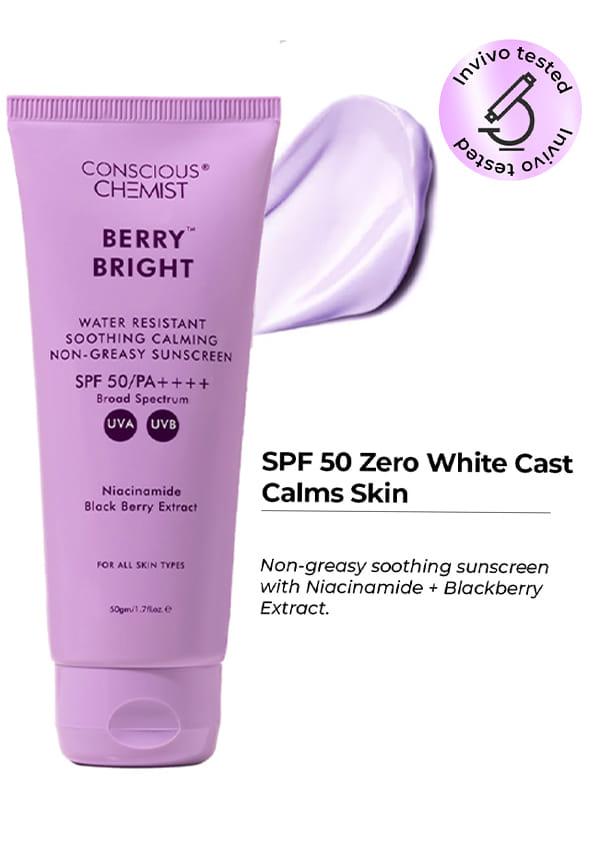
Berry Bright Niacinamide Sunscreen Spf 50 Pa++++
Great Sunscreen: Smells good, Light & Glowy
 5
5“I love this sunscreen it's smell and texture is soo leight and make skin glowy ”
Good Product, Loved It
4“It's Good Product I loved it...”
Good Product, Loved It
4“It's Good Product I loved it...”
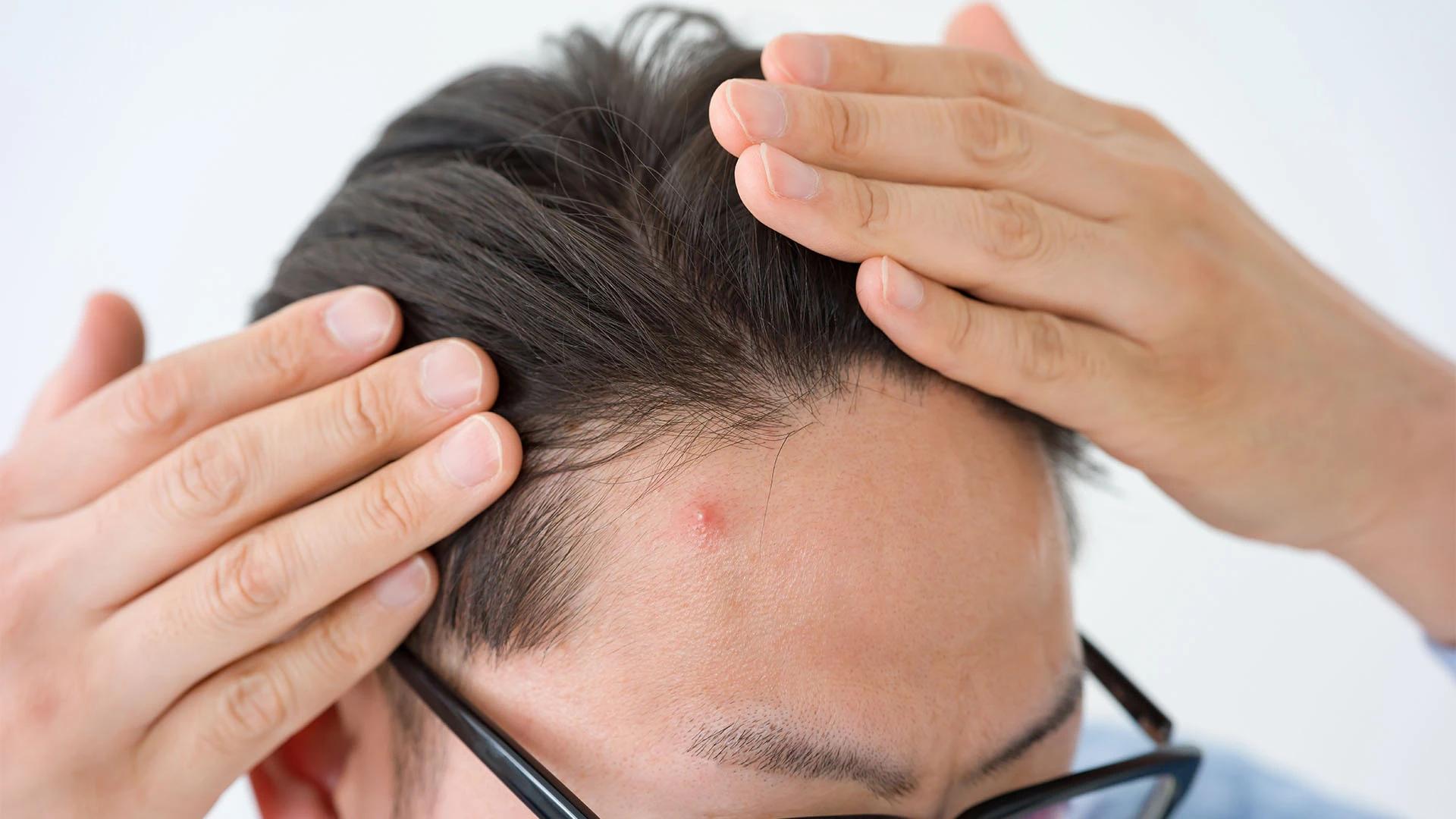
The question "is retinol safe for teenagers" has become increasingly common as skincare trends filter down to younger audiences through social media. While retinol is celebrated as a gold standard anti-ageing ingredient for adults, its use in teenage skincare requires careful consideration. Teen skin operates differently from adult skin—it's naturally more resilient, produces collagen abundantly, and renews itself rapidly. This raises important questions about whether using potent actives like retinol is necessary or potentially harmful for young skin. Understanding the science behind retinol, recognising when it might be appropriate, and exploring gentler alternatives can help parents and teens make informed decisions. At Smytten, we believe in empowering consumers with knowledge to make confident skincare choices, whether you're exploring trial-sized products or building a long-term routine that truly works for your skin's unique needs.
TL;DR
Retinol is generally unnecessary for teenagers as their skin naturally produces abundant collagen and renews quickly
Dermatologists may prescribe specific retinoids like adapalene for severe teen acne, but over-the-counter anti-ageing retinol isn't recommended
Teen skin is more susceptible to irritation from retinol, with risks including dryness, peeling, and increased sun sensitivity
Effective alternatives like salicylic acid, niacinamide, and benzoyl peroxide are safer and more appropriate for young skin concerns
A simple routine of gentle cleansing, moisturising, and SPF is typically sufficient for healthy teenage skin
Teenage skin fundamentally differs from adult skin in ways that make retinol largely unnecessary. At this age, skin cells naturally turnover every 14-21 days compared to 28-40 days in adults, meaning the skin renewal process that retinol aims to stimulate is already happening efficiently. Collagen production is at its peak during the teenage years, making anti-ageing concerns premature.
The influence of social media has created pressure for teens to adopt complex skincare routines featuring "hero" ingredients like retinol. However, dermatological science tells a different story. Young skin's primary concerns typically centre around excess oil production, occasional breakouts, and maintaining a healthy skin barrier—issues that respond better to gentler, targeted treatments rather than potent actives designed for mature skin.
When retinol might be appropriate for teenagers, it's usually in the form of prescription retinoids specifically for severe acne treatment, not cosmetic anti-ageing products. The key distinction lies in medical necessity versus cosmetic preference, with dermatologists carefully weighing benefits against potential risks when treating persistent acne that hasn't responded to other treatments.
Dermatologists generally follow age-specific guidelines when considering retinoid treatments for teenagers. These recommendations are based on skin maturity, hormonal factors, and the ability to follow proper skincare protocols consistently.
For early teens, retinol is typically not recommended. At this age, skin is still adjusting to hormonal changes, and the focus should be on establishing good skincare habits. Basic cleansing, moisturising, and sun protection form the foundation of healthy skin care during these formative years.
Mid to late teens may be candidates for prescription retinoids if they're experiencing persistent, moderate to severe acne that hasn't responded to other treatments. Adapalene (Differin), now available over-the-counter, is FDA-approved for ages 12 and above specifically for acne treatment. However, this decision should always involve professional guidance.
As teens transition to adulthood, they may begin considering preventive anti-ageing measures. Even then, starting with lower concentrations and building tolerance gradually is crucial. The focus should remain on addressing current skin concerns rather than preventing issues that may never develop.
Understanding the distinction between cosmetic retinol and prescription retinoids is crucial for making informed decisions about teen acne treatment. These compounds work differently and carry varying levels of potency and potential side effects.
Over-the-counter retinol products marketed for anti-ageing are generally unnecessary for teenagers. These formulations are designed to address concerns like fine lines and age spots that simply aren't relevant for young skin. The concentrations, while lower than prescription options, can still cause irritation in sensitive teenage skin without providing meaningful benefits.
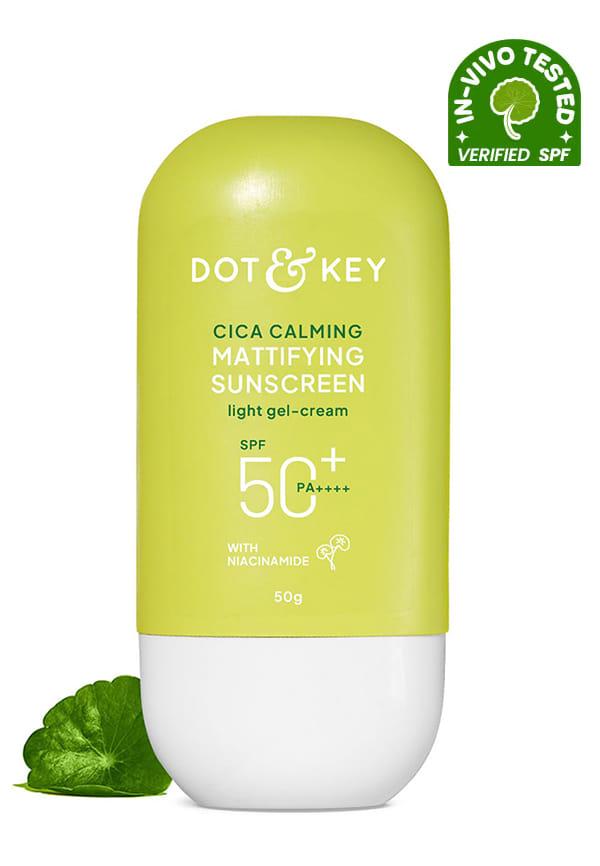
Cica + Niacinamide Sunscreen, In-Vivo Tested SPF 50+ PA++++
Lightweight on Skin
4“it's light weight into your skin”
Lightweight on Skin
4“it's light weight into your skin”
Lightweight on Skin
4“it's light weight into your skin”
When dermatologists recommend retinoids for teen acne, they're typically prescribing tretinoin, adapalene, or tazarotene. These medications work by normalising skin cell turnover and preventing clogged pores, directly addressing the root cause of acne formation.
Adapalene stands out as the most teen-appropriate retinoid option. Originally prescription-only, it's now available over-the-counter and has been specifically studied in adolescent populations. Studies suggest 70-80% of teen users experience significant acne improvement within 12 weeks, with fewer side effects compared to other retinoids.
Teen skin's heightened sensitivity makes it more susceptible to retinol-induced irritation. Understanding these risks helps parents and teens recognise when treatment should be modified or discontinued.
Common side effects include dryness, peeling, redness, and initial acne flares—often called "retinol uglies." In teenagers, these effects can be more pronounced due to thinner skin and higher cell turnover rates. The psychological impact of worsening skin appearance can be particularly challenging during these formative years.
Retinol increases photosensitivity, making diligent sun protection absolutely essential. Teenagers often struggle with consistent SPF use, putting them at higher risk for sun damage and hyperpigmentation. This risk-benefit calculation often tips against retinol use in teens who aren't committed to daily sun protection.
Starting potent actives too early may lead to over-dependence on aggressive treatments. Teen skin that becomes accustomed to strong actives might struggle to maintain health with gentler approaches later, potentially creating a cycle of increasing product dependency.
Several ingredients offer excellent results for common teen skin concerns without retinol's potential drawbacks. These alternatives work with teenage skin's natural processes rather than forcing dramatic changes.
Salicylic acid remains a gold standard for teen acne treatment. This beta-hydroxy acid gently exfoliates inside pores, removing oil and dead skin cells that contribute to breakouts. Unlike retinol, salicylic acid is well-tolerated by most teens and provides immediate benefits without a lengthy adjustment period.
Niacinamide offers oil control, pore refinement, and anti-inflammatory benefits without irritation. This vitamin B3 derivative is particularly effective for teens with oily skin, helping regulate sebum production whilst maintaining the skin barrier. Studies suggest 2-5% niacinamide may help reduce acne lesions by up to 60% over 8 weeks.
For teens with sensitive skin or mild acne, azelaic acid provides antibacterial and anti-inflammatory benefits with minimal irritation. This naturally occurring acid helps prevent clogged pores whilst being gentle enough for daily use, making it an excellent retinol alternative.
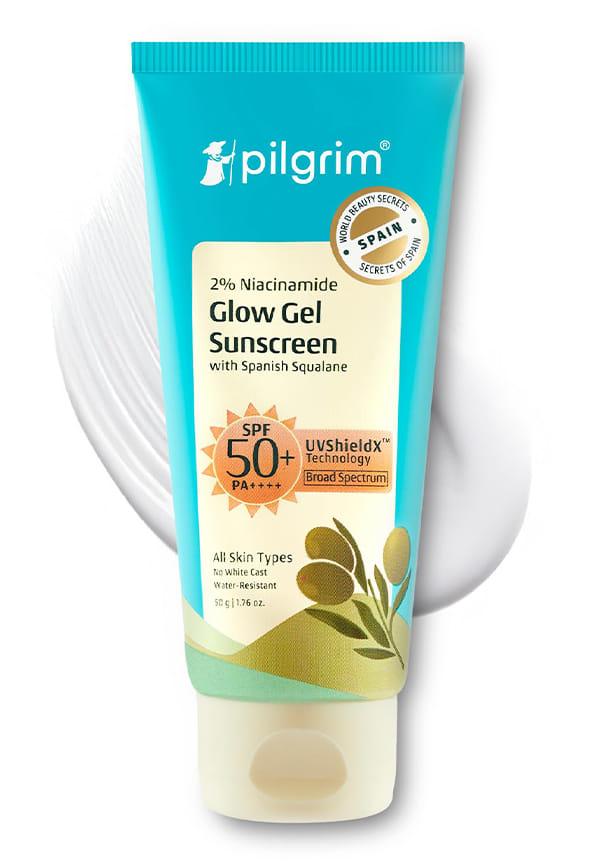
2% Niacinamide Glow Sunscreen Spf 50 Pa+++
Great Product, Will Buy Again
5“this is a great product I will definitely buy it again”
Good Sunscreen
4“Good sunscreen works good nice ”
Nice Product
5“nice product 🥰👍🏻👍🏻👍🏻👍🏻👍🏻👍🏻👍🏻”
For active breakouts, benzoyl peroxide offers powerful antibacterial action against acne-causing bacteria. When used as a spot treatment or short-contact therapy, it can effectively clear blemishes without the systemic effects of retinoids.
Building an effective teen skincare routine focuses on simplicity, consistency, and addressing current concerns rather than preventing future ones. The goal is supporting skin health whilst establishing lifelong good habits.
A morning routine should begin with gentle cleansing to remove overnight oil production and prepare skin for the day. A mild, non-stripping cleanser maintains the skin barrier whilst removing excess sebum. Following with a lightweight moisturiser ensures hydration without heaviness, and broad-spectrum SPF 30 or higher provides essential sun protection.
Evening routines allow for slightly more active ingredients if needed. Double cleansing may benefit teens who wear makeup or sunscreen, starting with an oil-based cleanser followed by a gentle water-based option. This is when targeted treatments like salicylic acid or niacinamide can be introduced, followed by a nourishing moisturiser to support overnight repair.
Oily skin benefits from gel cleansers, lightweight serums containing niacinamide, and oil-free moisturisers. Dry skin requires cream cleansers, hydrating serums with hyaluronic acid, and richer moisturisers. Combination skin often responds well to different products for different areas, using lighter formulations on the T-zone and richer ones on drier cheeks.
Product | Skin Type | Key Concern | Price Range | Key Ingredients |
|---|---|---|---|---|
Cetaphil Baby Gentle Wash & Shampoo | Sensitive, Normal | Gentle cleansing | ₹500-800 | Glycerin, soothing agents |
Minimalist Ceramides & Hyaluronic Barrier Repair Moisturizer | Combination, Sensitive | Barrier repair, hydration | ₹500-800 | 5 ceramides, hyaluronic acid |
Foxtale Glow+ Hydra Gel Moisturizer | All types, Oily | Brightening, lightweight hydration | ₹500-800 | Vitamin C, papaya extract |
Bioderma Sebium Kerato+ Anti-Blemish Gel Cream | Oily, Acne-prone | Acne, pores | ₹800-1200 | Fluidactiv complex, keratolytic actives |
Conscious Chemist Peptide Lip Balm SPF15 | All types, Sensitive | Lip protection, anti-ageing | ₹500-800 | Peptides, SPF 15, Vitamin E |
Generally no. At 14, skin naturally produces abundant collagen and renews quickly, making anti-ageing retinol unnecessary. However, a dermatologist might prescribe specific retinoids for severe acne treatment when other methods haven't worked.
Teens should avoid cosmetic anti-ageing retinol but may use dermatologist-prescribed retinoids for acne treatment when other approaches have failed. The key is medical supervision and clear treatment goals.
Over-the-counter retinol is not recommended for 12-year-olds. However, adapalene gel (a retinoid) is FDA-approved for ages 12+ specifically for acne treatment under professional guidance.
For anti-ageing purposes, no. Sixteen-year-old skin doesn't need retinol for wrinkle prevention. For persistent acne, consult a dermatologist about appropriate retinoid treatments rather than self-medicating with cosmetic retinol.
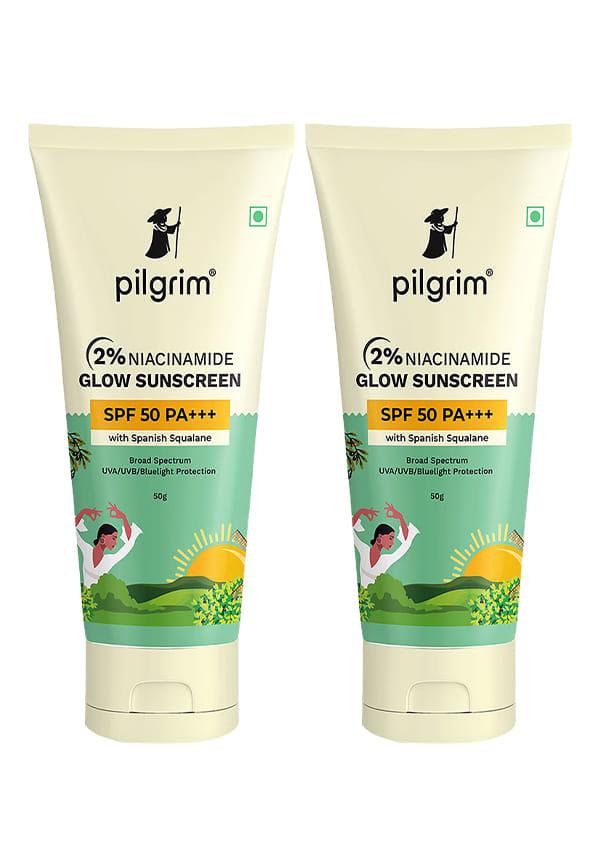
2% Niacinamide Glow Sunscreen Spf 50 Pa+++
Enjoyable and Recommended Product
5“I really enjoyed using it.Everyone can buy it.You can try it once, you will like it.”
Enjoyable and Recommended Product
5“I really enjoyed using it.Everyone can buy it.You can try it once, you will like it.”
Good, Skin-Friendly Product
4“good product skin friendly liked it”
Gentle alternatives include salicylic acid cleansers, niacinamide serums, and benzoyl peroxide spot treatments, combined with a simple cleanse-moisturise-SPF routine. These ingredients work effectively for teen skin concerns without retinol's potential side effects.
Whilst retinoids can help with acne scarring, teens should focus on preventing new breakouts first. Gentle exfoliation with salicylic acid and consistent sun protection are more appropriate initial approaches for young skin with post-acne marks.
Consider professional consultation if acne is moderate to severe, hasn't responded to over-the-counter treatments after 6-8 weeks, is causing emotional distress, or is leaving persistent marks. At Smytten, you can trial gentle acne-fighting products before investing in full sizes to find what works for your teen's skin.
Recognising when professional help is needed can prevent long-term skin damage and emotional distress. Several signs indicate it's time to move beyond over-the-counter solutions to dermatological care.
Persistent acne that doesn't respond to consistent use of appropriate products after 6-8 weeks warrants professional evaluation. Similarly, acne that's causing emotional distress, leaving scars, or covering large areas of the face and body requires medical intervention. Dermatologists can assess whether prescription retinoids are appropriate and monitor for side effects.
A thorough dermatological evaluation includes medical history, current skincare routine assessment, and examination of affected areas. Dermatologists consider factors like acne severity, skin sensitivity, lifestyle factors, and the teen's ability to follow treatment protocols consistently.
Important questions include: What are the expected timelines for improvement? What side effects should we watch for? How long will treatment continue? Are there alternative approaches? What sun protection measures are essential? These discussions help families make informed decisions about treatment options.
Retinol is generally unnecessary for teenagers, whose skin naturally renews rapidly and produces abundant collagen. When retinoids are appropriate for teens, it's typically prescription treatments for severe acne under dermatological supervision, not cosmetic anti-ageing products. Teen skin's heightened sensitivity makes it more prone to retinol-induced irritation, including dryness, peeling, and increased sun sensitivity.
Effective alternatives like salicylic acid, niacinamide, and benzoyl peroxide offer excellent results for common teen skin concerns without retinol's potential drawbacks. A simple routine focusing on gentle cleansing, appropriate moisturising, and consistent sun protection typically provides the best foundation for healthy teenage skin. Professional dermatological guidance becomes essential when acne is severe, persistent, or causing emotional distress.
Making informed skincare decisions for teenagers requires balancing current needs with long-term skin health. Rather than following trends or using products designed for adult concerns, focus on supporting young skin's natural processes with gentle, effective ingredients. Smytten is India's largest product discovery and trial platform, connecting consumers with top lifestyle, beauty, wellness, and grooming brands. At its core, Smytten offers curated trial packs - mini-sized products from over 2,400 trusted brands such as Cetaphil, Dot & Key, Minimalist, Foxtale, and Bioderma. This try before you buy approach is particularly valuable for teens and parents exploring skincare options, allowing you to test products before committing to full-size purchases. With over 28 million users and 100% cashback on trials, Smytten helps families make smarter, more confident choices about teen skincare. After all, why settle for 'maybe' when you can #TryItAll and find what truly works for your teenager's unique skin needs.
