Is Purging Real or Breakout? Your Skincare Questions Answered

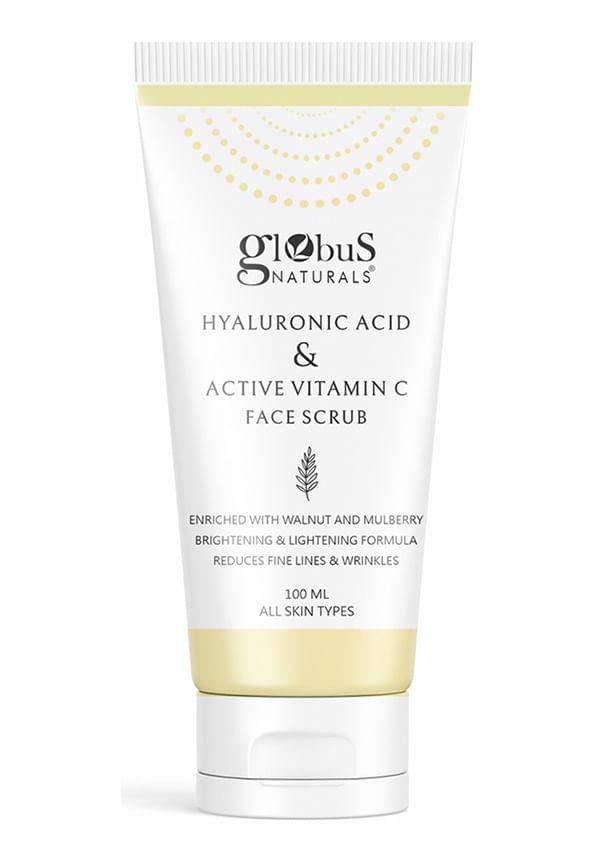
Vitamin C & Hyaluronic Acid Scrub
Great Products
 5
“super dooper products loved it”
You've started a new skincare routine with that highly recommended retinol serum or chemical exfoliant, and suddenly your skin looks worse than before. Panic sets in—is this normal purging or are you having a proper breakout? This confusion is incredibly common, and honestly, it's one of the most frequent questions we see in skincare communities. The difference between purging and breakouts isn't always obvious, but understanding it can save you from abandoning products that might actually be working for your skin. Whether you're dealing with suspicious bumps after introducing a new active ingredient or wondering if you should push through what feels like a skincare disaster, this guide will help you decode what's really happening to your skin. At Smytten, we see countless users navigating this exact dilemma when trying new products, which is why understanding the science behind skin reactions is so crucial for your skincare journey.
TL;DR
Skin purging is real and occurs when active ingredients accelerate cell turnover, bringing existing clogs to the surface faster
Purging happens in areas where you typically break out, starts within 2-4 weeks of new product use, and features smaller, more superficial blemishes
Typical purging lasts 4-6 weeks, while breakouts from irritation can persist longer and appear in new areas
Products containing retinoids, chemical exfoliants, and vitamin C are most likely to cause purging
If breakouts worsen after 8 weeks or appear in unusual locations, discontinue the product and consult a dermatologist
Skincare purging is essentially your skin's way of fast-forwarding through its natural renewal process. When you introduce certain active ingredients, they accelerate cellular turnover, which means your skin sheds dead cells and renews itself much faster than usual. This acceleration brings existing comedones—those tiny clogs lurking beneath your skin's surface—to the top more quickly than they would naturally emerge.
The biological process is actually quite fascinating. Your skin typically renews itself every 28 days, but active ingredients like retinoids can speed this up to as little as 14 days. During this accelerated turnover, all those micro-clogs that were slowly making their way to the surface suddenly appear all at once. It's like your skin is having a massive clear-out, which explains why purging can look quite dramatic initially.
Dermatologists consistently confirm that skin purging is a legitimate physiological response. Dr. Joshua Zeichner, a board-certified dermatologist, explains that purging occurs because active ingredients are doing exactly what they're supposed to do—increasing cell turnover and unclogging pores. The key difference is that purging represents existing problems coming to the surface, not new problems being created.
Research published in dermatological journals supports this, showing that retinoids and chemical exfoliants can initially worsen acne appearance before improvement occurs. This temporary worsening is actually a positive indicator that the product is working effectively.
Understanding the distinction between purging and breakouts is crucial for making informed decisions about your skincare routine. The location, timing, and appearance of blemishes provide important clues about what's really happening to your skin.
Location is perhaps the most telling factor. Purging occurs exclusively in areas where you typically experience breakouts—your usual problem zones. If you're suddenly getting spots on your cheeks when you normally only break out on your T-zone, that's likely not purging. Breakouts from product irritation, on the other hand, can appear anywhere, including areas where you've never had issues before.
Timing provides another crucial clue. Purging typically begins within 2-4 weeks of starting a new active ingredient. If you've been using a product for months and suddenly develop breakouts, that's more likely an allergic reaction or sensitivity rather than purging. The skin purging timeline is relatively predictable, whereas irritation breakouts can occur at any point.
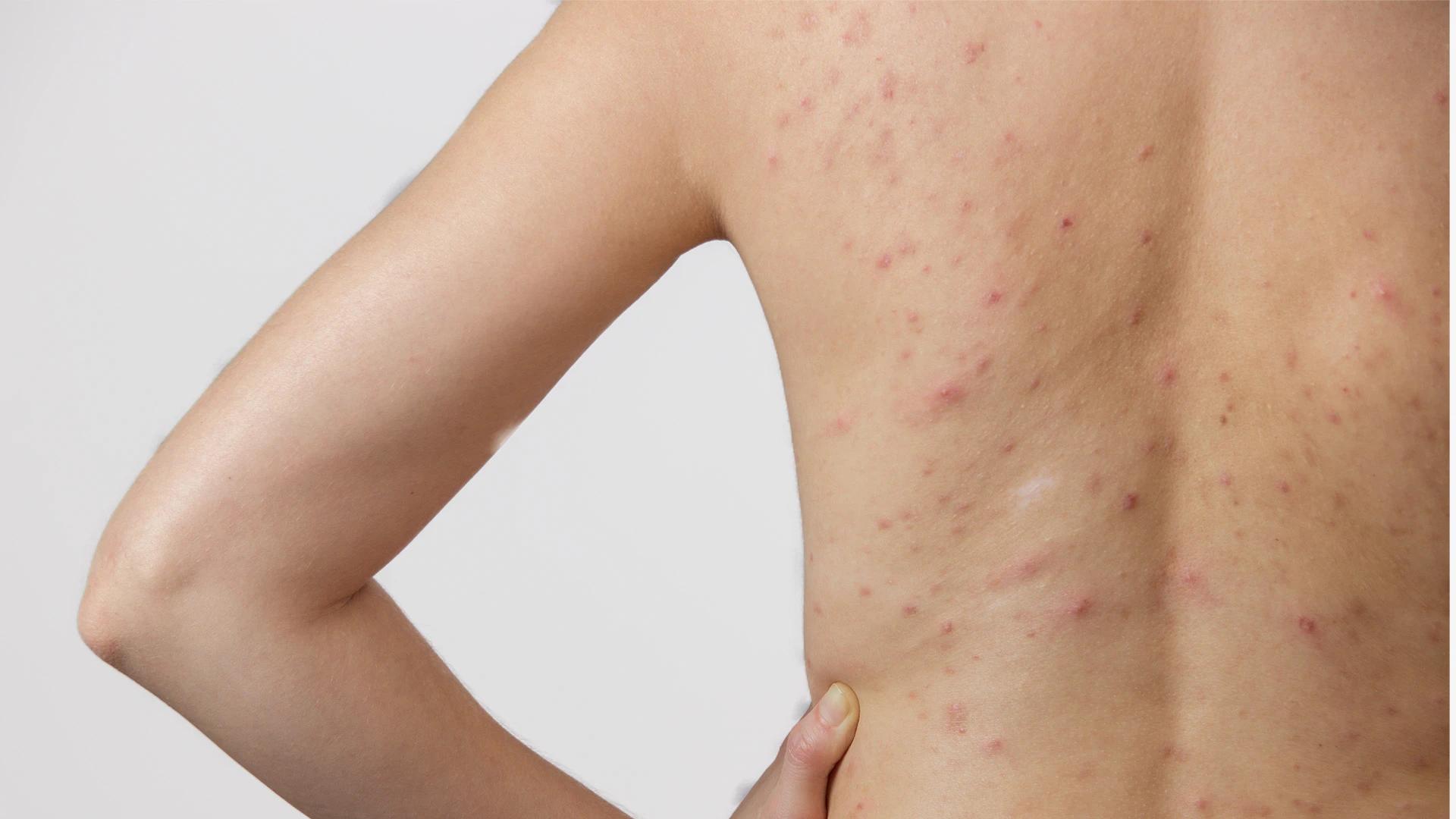
Purging breakouts tend to be smaller and more superficial than regular breakouts. They often appear as small whiteheads, blackheads, or minor papules that come to a head relatively quickly. These blemishes typically heal faster than your usual breakouts and don't leave behind the same level of post-inflammatory hyperpigmentation.
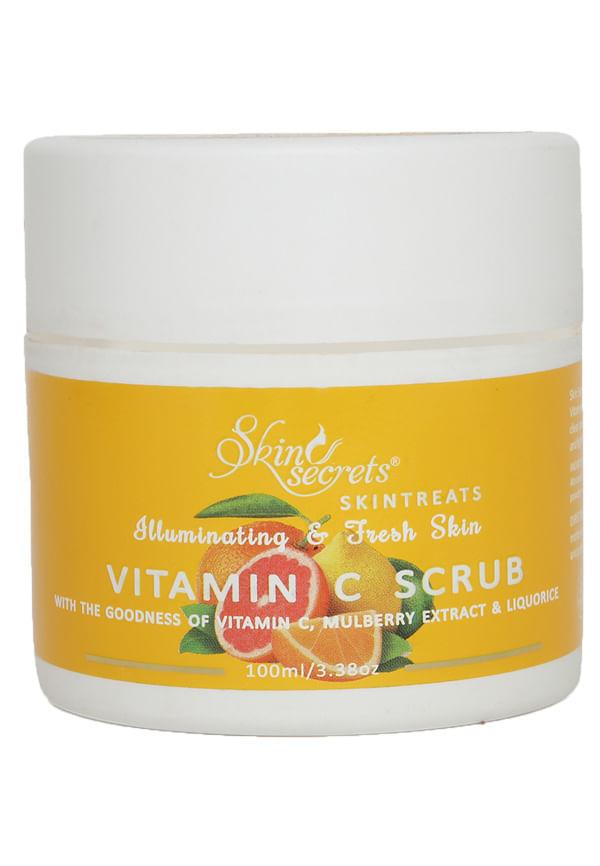
Vitamin C Scrub
Excellent Results
5“superb results more than imaginations”
In contrast, irritation breakouts often manifest as deeper, more inflamed cysts or nodules. They may be more painful, take longer to heal, and can leave behind more significant scarring or dark marks.
The skincare purging timeline follows a relatively predictable pattern, though individual experiences can vary. Most people experience purging for 4-6 weeks, which corresponds to roughly two complete skin renewal cycles. Understanding this timeline helps you determine whether to persevere with a product or discontinue use.
During the first 1-2 weeks, you might notice an increase in small breakouts in your usual problem areas. This is when the acceleration of cell turnover begins, and existing clogs start making their way to the surface. Week 3-4 often represents the peak of purging, where breakouts may appear most numerous. However, you should start noticing that individual blemishes heal faster than usual.
By weeks 5-6, the purging should begin to subside noticeably. Your skin should start looking clearer, and new breakouts should decrease in frequency. If you're not seeing improvement by week 6, or if breakouts are worsening significantly, it's time to reconsider whether you're experiencing true purging.
Several factors can influence how long purging lasts. Your skin type, the strength of the active ingredient, and how frequently you're using the product all play roles. Those with naturally faster cell turnover may experience shorter purging periods, while those with thicker, more congested skin might purge for the full 6 weeks or slightly longer.
Not all skincare products cause purging—only those that significantly accelerate cellular turnover or have comedolytic properties. Understanding which ingredients are purging culprits helps you set realistic expectations when introducing new products into your routine.
Retinoids and retinol are the most common purging triggers. These vitamin A derivatives work by normalising cell turnover and preventing the formation of comedones. However, this process initially brings existing clogs to the surface more rapidly. Whether you're using prescription tretinoin or over-the-counter retinol, some degree of purging is almost inevitable.
Chemical exfoliants, particularly AHAs and BHAs, are another major category of purging-inducing products. Glycolic acid, lactic acid, and salicylic acid all work by dissolving the bonds between dead skin cells and encouraging faster renewal. This process naturally brings underlying congestion to the surface, resulting in temporary purging.
If you already have active acne, purging can feel particularly overwhelming because you're dealing with both existing breakouts and newly surfaced ones. However, acne purging often indicates that your treatment is working effectively to address the underlying causes of your breakouts.
For acne-prone skin, purging typically involves the acceleration of existing comedones rather than the creation of new inflammatory lesions. This means you might see more whiteheads and blackheads initially, but these should resolve more quickly than your usual breakouts.
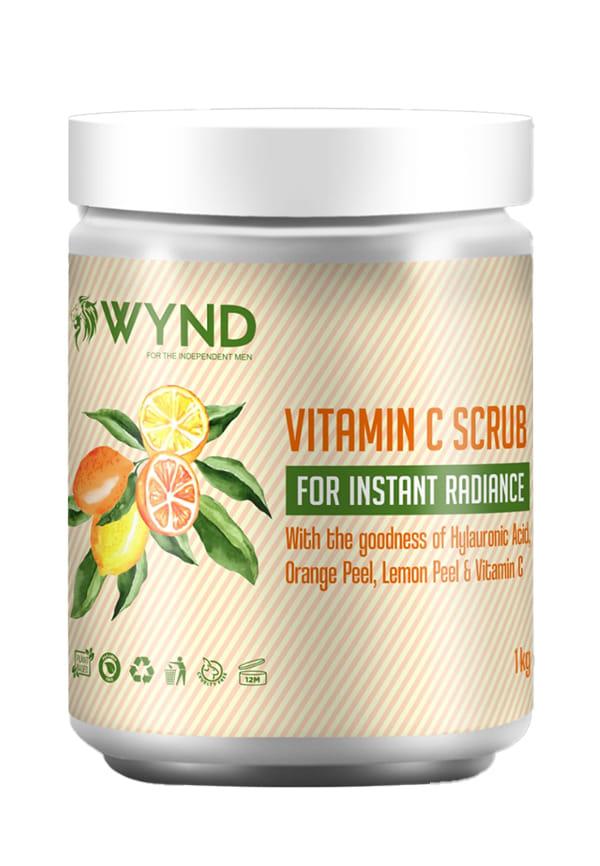
Vitamin C Scrub
Successfully navigating the purging phase requires patience and a gentle approach to skincare. The key is supporting your skin barrier while allowing the active ingredients to do their work. Resist the urge to add more active products or increase frequency—this will only lead to irritation and potentially prolong the purging process.
Maintain a simple, gentle routine during purging. Use a mild cleanser, a hydrating moisturiser, and always apply SPF during the day. Your skin is more vulnerable during this period, so avoiding harsh scrubs, additional exfoliants, or new active ingredients is crucial. Focus on hydration and barrier repair with ingredients like hyaluronic acid, ceramides, and niacinamide.
Gradual introduction of active ingredients can help minimise purging intensity. Start with lower concentrations and use them every other night initially, gradually increasing frequency as your skin adapts. This approach allows your skin to adjust to increased cell turnover without overwhelming it.
Consider incorporating soothing ingredients that can help calm inflammation during purging. Niacinamide is particularly beneficial as it helps regulate sebum production and reduces inflammation without interfering with the purging process. Centella asiatica and green tea extracts can also provide anti-inflammatory benefits.
While purging is normal, certain signs indicate that your skin is experiencing irritation or an allergic reaction rather than beneficial purging. Recognising these red flags can prevent long-term damage and help you make informed decisions about product discontinuation.
Severe irritation signs include persistent burning, stinging, or excessive redness that doesn't subside. Your skin might feel tight, raw, or extremely sensitive to touch. These symptoms suggest that your skin barrier is compromised and the product is too harsh for your current skin condition.
New breakout locations are a major red flag. If you're developing breakouts in areas where you never typically have issues—such as your neck, jawline (if that's not your usual problem area), or around your eyes—this suggests product irritation rather than purging. True purging only occurs in areas where you already have congested pores.
Extended timelines beyond 8 weeks indicate that something isn't right. While some people may experience purging for up to 8 weeks, breakouts that continue or worsen beyond this point suggest that the product isn't suitable for your skin. Additionally, if you notice the development of deep, cystic acne where you previously had only minor breakouts, this could indicate that the product is too strong or causing irritation.
Purging is absolutely real and scientifically documented. It occurs when active ingredients accelerate skin cell turnover, bringing existing clogs to the surface faster than normal. However, not all post-product breakouts are purging—some are genuine irritation reactions.
Purging occurs in areas where you typically break out, starts within 2-4 weeks of new product use, and features smaller, more superficial blemishes that heal faster. Breakouts from irritation can appear anywhere, may start at any time, and often involve deeper, more inflamed lesions.
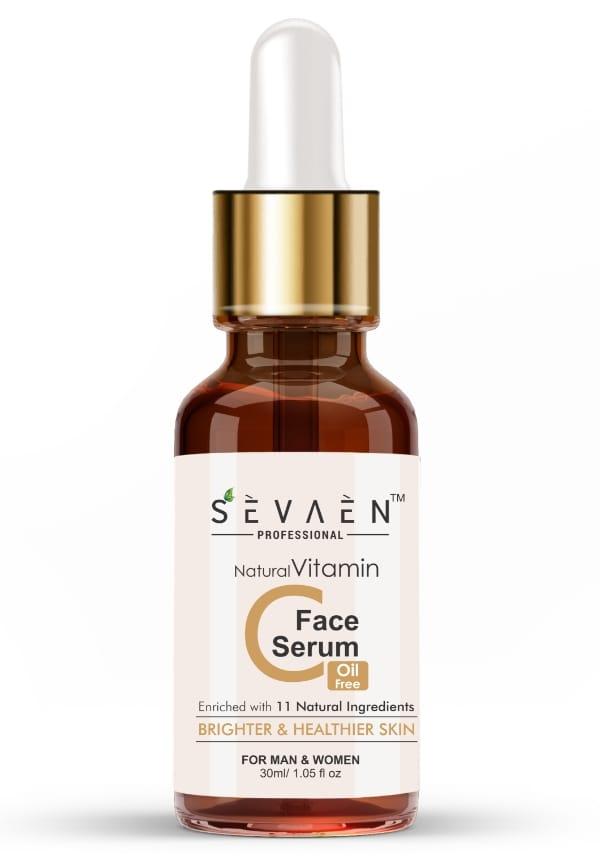
Vitamin C Face Serum Enrich With 11 Natural Ingredients
Affordable and Effective Product
5“affordable and very effective product”
Affordable and Effective Product
5“affordable and very effective product”
Affordable and Effective Product
5“affordable and very effective product”
Most people experience purging for 4-6 weeks, which corresponds to about two complete skin renewal cycles. If breakouts continue beyond 8 weeks or worsen significantly, it's likely not purging and you should discontinue the product.
Products containing retinoids, chemical exfoliants (AHAs and BHAs), benzoyl peroxide, and high-concentration vitamin C can cause purging. These ingredients accelerate cell turnover or have comedolytic properties that bring existing clogs to the surface.
Yes, but stick to gentle, hydrating products. Use a mild cleanser, moisturiser, and SPF. Avoid introducing new active ingredients or harsh exfoliants during the purging phase. When exploring new products during this sensitive time, Smytten's trial packs let you test gentle, soothing formulations without committing to full sizes.
Not necessarily. If the purging follows typical patterns—occurring in usual breakout areas, starting within 2-4 weeks, featuring smaller blemishes—you can continue using the product. However, stop if you experience severe irritation, breakouts in new areas, or worsening after 8 weeks.
Understanding the difference between purging and breakouts empowers you to make informed decisions about your skincare routine. Purging is a legitimate, temporary phase that indicates your active ingredients are working effectively. The key markers—location in usual problem areas, timing within 2-4 weeks, and smaller, faster-healing blemishes—help distinguish it from product irritation.
Patience is crucial during the purging phase. Most people see improvement within 4-6 weeks, but this timeline requires commitment and gentle skincare practices. Supporting your skin barrier with hydrating, soothing ingredients while avoiding additional actives helps you navigate this period successfully.
However, knowing when to stop is equally important. Severe irritation, breakouts in new locations, or worsening beyond 8 weeks are clear signals to discontinue use and potentially consult a dermatologist. Your skin's response should guide your decisions, not arbitrary timelines or expectations.
Navigating the purging phase can feel overwhelming, especially when you're unsure whether your skin is improving or reacting poorly to new products. This uncertainty is exactly why Smytten's approach to skincare discovery makes so much sense—you can try products in mini sizes before committing to full-size purchases. With over 2,400 trusted brands available as trial packs, including gentle options perfect for sensitive or purging skin, you can explore effective ingredients without the financial risk of buying products that might not work for you. The platform's 100% cashback on trial purchases means you can experiment with different formulations and concentrations to find what works best for your skin's unique needs. After all, why settle for guessing when you can try before you buy and make confident choices about your skincare journey?