Is Niacinamide Serum Good for Sensitive Acne Skin? FAQ

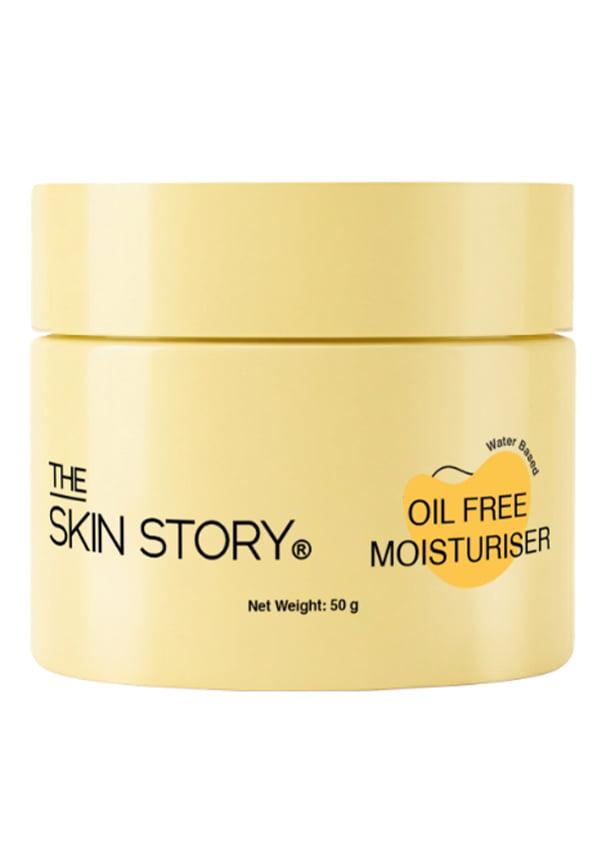
Oil Free Moisturiser For Acne Prone Oily Skin With 2% Niacinamide
If you've been dealing with sensitive acne-prone skin, you've probably wondered whether niacinamide serum could be your holy grail ingredient. The struggle is real—your skin reacts to everything, yet you're desperate to tackle those persistent breakouts and the redness that follows. Niacinamide has been making waves in the skincare world for its gentle yet effective approach to acne management, but is it truly safe for sensitive skin types? The short answer is yes, but there's more to the story. Understanding how this vitamin B3 derivative works, what concentration to start with, and how to incorporate it into your routine can make all the difference between clear, calm skin and potential irritation. Whether you're exploring options or building your first sensitive-skin routine, this guide will help you navigate the world of niacinamide with confidence.
TL;DR
Niacinamide is generally safe and beneficial for sensitive acne-prone skin due to its anti-inflammatory properties
Start with 2-5% concentration to minimise irritation risk, avoiding higher percentages initially
It reduces oil production, calms redness, and helps fade post-acne marks without harsh side effects
Unlike salicylic acid or benzoyl peroxide, niacinamide strengthens the skin barrier whilst treating acne
Results typically appear within 4-8 weeks of consistent use, making it ideal for long-term acne management
Niacinamide, also known as nicotinamide or vitamin B3, is a water-soluble vitamin that's become a cornerstone ingredient in modern skincare. Unlike its cousin niacin, niacinamide doesn't cause flushing or irritation, making it particularly suitable for sensitive skin types. This gentle powerhouse works at the cellular level to regulate sebum production, reduce inflammation, and strengthen the skin's natural barrier function.
For sensitive acne-prone skin, niacinamide offers a unique advantage. It targets multiple acne-causing factors simultaneously without the harsh side effects associated with traditional acne treatments. The ingredient works by inhibiting the transfer of melanin to skin cells, reducing post-inflammatory hyperpigmentation that often follows breakouts. Additionally, it helps regulate the production of ceramides and fatty acids, essential components of a healthy skin barrier.
Research indicates that niacinamide reduces sebum production by up to 30%. This happens because it influences the activity of sebaceous glands without completely shutting them down, maintaining the skin's natural protective functions whilst preventing clogged pores.
The anti-inflammatory properties of niacinamide make it particularly valuable for sensitive acne-prone skin. It helps calm existing breakouts whilst preventing new ones from forming, creating a gentler approach to acne management that doesn't compromise the skin barrier.
The benefits of niacinamide extend far beyond simple acne treatment, making it an ideal choice for those with sensitive skin who need comprehensive care. Studies have consistently shown that niacinamide addresses multiple skin concerns simultaneously, offering a holistic approach to skincare that sensitive skin types desperately need.
One of the most significant advantages is its ability to regulate oil production without causing the dryness and irritation typically associated with other acne treatments. This balanced approach means your skin maintains its natural moisture levels whilst effectively managing breakouts.
Niacinamide works by reducing the size and activity of sebaceous glands, leading to less oil production and visibly smaller pores. This effect becomes more pronounced with consistent use over 8-12 weeks.
For sensitive skin dealing with acne, inflammation is often the most distressing symptom. Niacinamide's anti-inflammatory properties help calm angry, red breakouts whilst preventing the inflammatory cascade that leads to post-acne marks.
Unlike harsh acne treatments that can compromise the skin barrier, niacinamide actually strengthens it. This is crucial for sensitive skin types who are more prone to irritation and environmental damage.
Niacinamide helps fade post-inflammatory hyperpigmentation by inhibiting melanosome transfer. This means those dark spots left behind by breakouts fade more quickly, typically showing improvement within 4-6 weeks of consistent use.
The safety profile of niacinamide makes it one of the most suitable active ingredients for sensitive acne-prone skin. Unlike traditional acne treatments such as salicylic acid, benzoyl peroxide, or retinoids, niacinamide rarely causes irritation, dryness, or photosensitivity. This gentle nature stems from its role as a naturally occurring vitamin that the skin readily recognises and utilises.
Dermatologists consistently recommend niacinamide as a first-line treatment for sensitive skin dealing with acne because it works with the skin's natural processes rather than against them. The ingredient has been extensively studied and shown to be well-tolerated across all skin types, including those with conditions like rosacea or eczema.
Traditional acne treatments often work by stripping away oils and dead skin cells, which can leave sensitive skin red, flaky, and more prone to irritation. Niacinamide takes a different approach by addressing the root causes of acne whilst maintaining skin health.
The most common side effect of niacinamide is mild flushing, which typically occurs only with very high concentrations or when first starting use. This usually subsides within a few days as the skin adjusts to the ingredient.
Leading dermatologists recommend niacinamide for sensitive acne-prone skin because it offers effective treatment without compromising the skin barrier. It's often suggested as part of a gentle, long-term acne management strategy.
Choosing the right concentration of niacinamide is crucial for sensitive skin success. Whilst higher concentrations might seem more effective, sensitive skin often responds better to lower, consistent doses that build efficacy over time. The key is finding the sweet spot where you get maximum benefits without triggering irritation.
For sensitive acne-prone skin, starting with a 2-5% concentration is ideal. This range provides therapeutic benefits whilst minimising the risk of adverse reactions. Many people make the mistake of jumping straight to 10% formulations, which can overwhelm sensitive skin and cause unnecessary irritation.
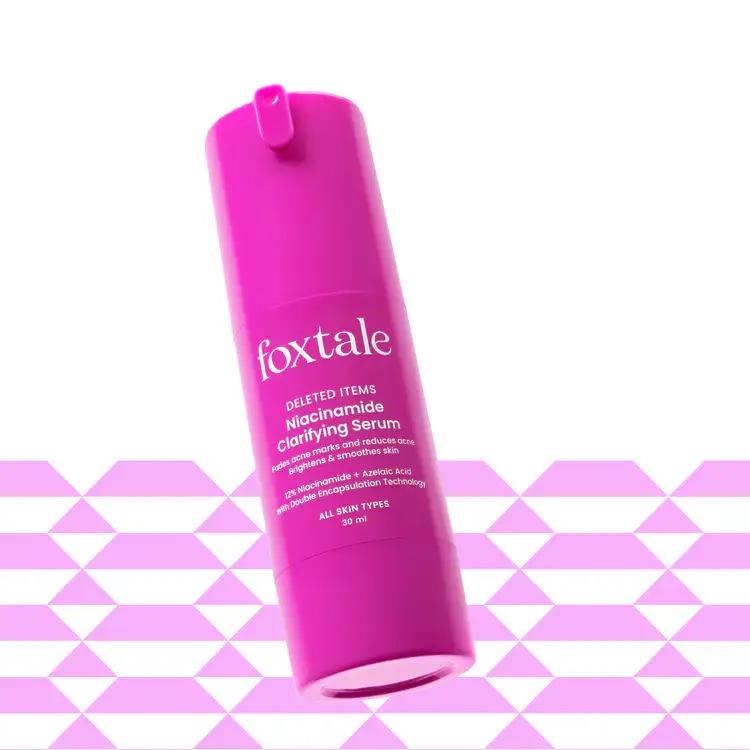
The Foxtale 12% Niacinamide Serum with Azelaic Acid for Oil Control & Brightening represents the higher end of niacinamide concentrations and is specifically formulated for oily, acne-prone skin. Whilst effective for those who can tolerate stronger formulations, sensitive skin types should approach such high concentrations with caution and consider starting with gentler alternatives before progressing to more potent options.
Begin with 2% niacinamide and use it every other day for the first week. This allows your skin to adjust gradually whilst monitoring for any signs of irritation or sensitivity.
If your skin tolerates 2% well after 2-3 weeks, you can consider moving to 5%. Only progress to higher concentrations if your skin shows no signs of irritation and you feel you need stronger effects.
Watch for increased redness, stinging, or breakouts when starting niacinamide. These signs indicate the concentration might be too high for your current skin tolerance level.
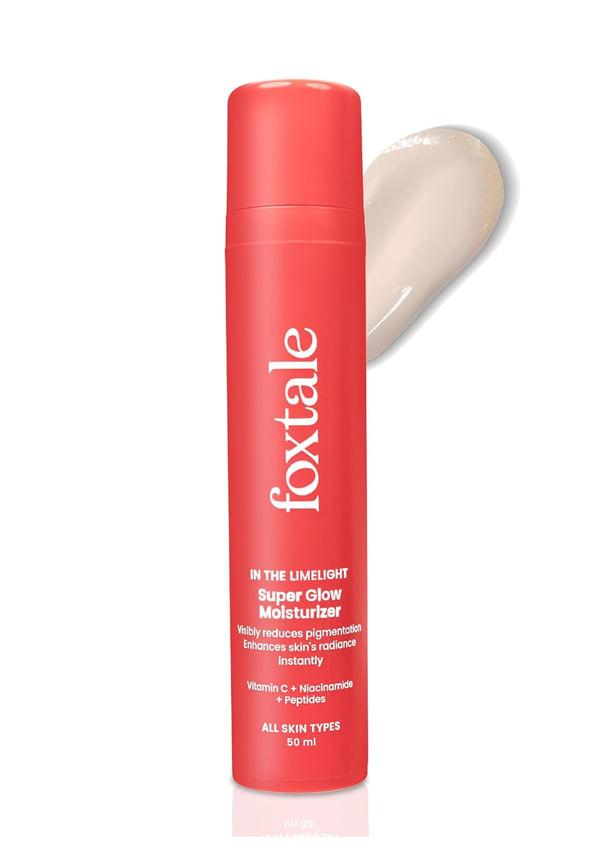
Vitamin C Super Glow Moisturizer with Niacinamide
Product is super fast
 5
5“i love the product. it is super fast”
Awesome Super Glow with Smooth Texture
5“Awesome and super glow with smooth texture”
Awesome Super Glow with Smooth Texture
5“Awesome and super glow with smooth texture”
Proper application technique can make the difference between successful niacinamide use and potential irritation. For sensitive acne-prone skin, the approach should be gradual, consistent, and mindful of other products in your routine. The goal is to introduce niacinamide in a way that maximises benefits whilst minimising any risk of sensitivity.
Start by patch testing any new niacinamide serum on a small area of skin, preferably behind your ear or on your inner wrist. Wait 24-48 hours to ensure no adverse reaction occurs before applying it to your face.
Cleanse your face with a gentle, non-stripping cleanser. Apply niacinamide serum to slightly damp skin, as this helps with absorption and reduces the risk of irritation. Follow with a moisturiser to lock in hydration.
Niacinamide can be used both morning and evening, but sensitive skin might benefit from starting with once-daily application in the evening. Morning use requires diligent SPF application, though niacinamide doesn't increase photosensitivity.
Niacinamide plays well with most skincare ingredients, including hyaluronic acid, ceramides, and peptides. It can also be safely combined with retinoids, though sensitive skin should introduce these combinations gradually.
Whilst generally compatible, avoid using niacinamide immediately after high-concentration vitamin C serums, as this can sometimes cause temporary flushing in sensitive individuals.
When comparing acne treatments for sensitive skin, niacinamide stands out for its gentle yet effective approach. Unlike traditional acne fighters that often work through irritation and drying, niacinamide addresses acne whilst supporting overall skin health. This makes it particularly valuable for those who have struggled with harsh treatments in the past.
Understanding how niacinamide compares to other popular acne treatments helps you make informed decisions about your skincare routine. Each ingredient has its place, but for sensitive skin, the gentleness of niacinamide often makes it the preferred starting point.
Salicylic acid works by exfoliating dead skin cells and unclogging pores, but it can be drying and irritating for sensitive skin. Niacinamide offers oil control and pore benefits without the potential for over-exfoliation.
Retinoids are highly effective for acne but often cause initial irritation, dryness, and photosensitivity. Niacinamide can be used alongside retinoids to buffer their effects or as a gentler alternative for those who can't tolerate retinoids.
Many dermatologists recommend using niacinamide as a base treatment that can be combined with other actives as tolerance builds. This layered approach allows for comprehensive acne treatment without overwhelming sensitive skin.
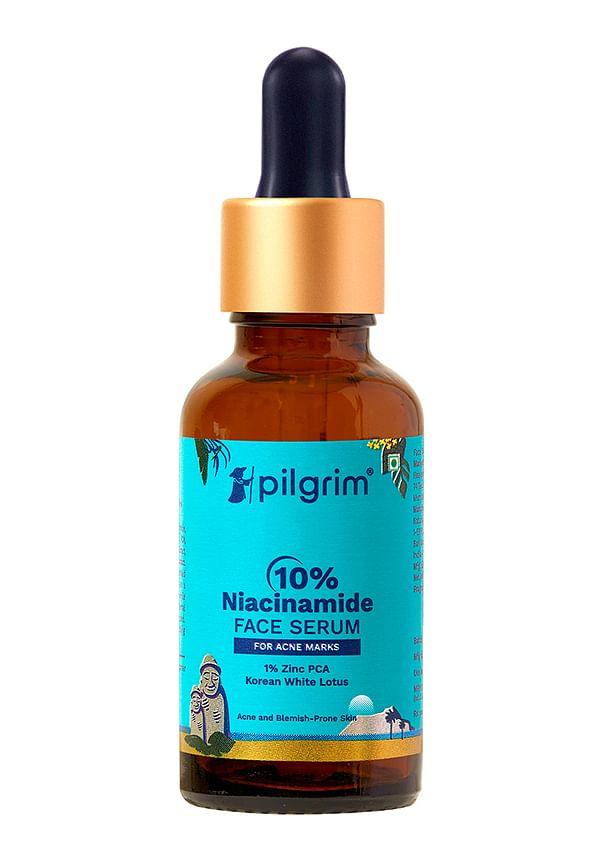
10% Niacinamide Face Serum For Acne Marks
Thanks for Best Quality
5“thanks symtten for best quality 5”
Good for Oily Skin & Acne Marks
5“it is good for oily skin. remove acne marks”
Good Packaging, Effective Product
4“The packaging looks so good. Its effective since day 1. ”
A successful routine for sensitive acne-prone skin typically includes a gentle cleanser, niacinamide serum, moisturiser, and SPF. Additional actives can be introduced gradually based on skin tolerance and specific concerns.
Yes, niacinamide is considered one of the safest active ingredients for sensitive acne-prone skin. Its anti-inflammatory properties actually help calm sensitivity whilst treating acne. Unlike harsh treatments that can compromise the skin barrier, niacinamide strengthens it. Start with a 2-5% concentration to minimise any risk of irritation.
For sensitive skin, niacinamide is often the better choice as it's much gentler whilst still being effective. Salicylic acid can be drying and irritating, especially for sensitive skin types. Niacinamide offers oil control and anti-inflammatory benefits without the risk of over-exfoliation. However, they can be used together in a routine once tolerance is established.
Look for serums with 2-5% niacinamide concentration that include soothing ingredients like hyaluronic acid or ceramides. Avoid formulations with high concentrations of other actives that might increase irritation risk. Many effective options are available, allowing you to try different formulations before committing to full sizes.
For most sensitive skin types, 10% niacinamide can be too strong initially and may cause flushing or irritation. It's better to start with 2-5% and gradually increase concentration only if needed and well-tolerated. Higher concentrations aren't necessarily more effective for sensitive skin.
Niacinamide typically doesn't cause purging as it doesn't increase cell turnover like exfoliating acids or retinoids. If you experience breakouts when starting niacinamide, it's more likely an allergic reaction or sensitivity to the formulation rather than purging. Discontinue use and consult a dermatologist if this occurs.
Most people begin seeing improvements in oil control and pore appearance within 2-4 weeks of consistent use. For acne reduction and post-inflammatory hyperpigmentation fading, expect to see results within 6-8 weeks. Full benefits typically develop over 12 weeks of regular use.
Niacinamide serum is indeed excellent for sensitive acne-prone skin, offering a gentle yet effective approach to managing breakouts without the harsh side effects of traditional acne treatments. Its anti-inflammatory properties make it particularly suitable for sensitive skin types who struggle with redness and irritation from other active ingredients.
The key to success lies in starting with appropriate concentrations (2-5%) and introducing the ingredient gradually into your routine. Unlike aggressive acne treatments that can compromise the skin barrier, niacinamide actually strengthens it whilst addressing multiple acne-related concerns including oil production, pore appearance, and post-acne marks.
For those with sensitive acne-prone skin, niacinamide represents a sustainable, long-term solution that works with your skin rather than against it. The ingredient's excellent safety profile and compatibility with other skincare ingredients make it an ideal foundation for building an effective yet gentle acne management routine.
Finding the right skincare products for sensitive acne-prone skin can feel overwhelming, but niacinamide offers a promising solution that's both gentle and effective. The beauty of this ingredient lies in its ability to address multiple skin concerns simultaneously without causing the irritation that sensitive skin types often experience with other acne treatments.
Smytten is India's largest product discovery and trial platform, connecting consumers with top lifestyle, beauty, wellness, and grooming brands. At its core, Smytten offers curated trial packs - mini-sized products from over 2,400 trusted brands. This lets users explore and experience niacinamide serums before committing to full-size purchases. Each mini is linked with Trial Points, and users can get up to 10 Trial Points for just ₹279. Plus, Smytten offers 100% cashback on the purchase of these minis, redeemable in the shop section for future orders, making product discovery both affordable and rewarding. With over 28 million users and 100 million trial minis delivered across 90% pin code coverage, Smytten helps consumers make smarter, more confident choices when building their sensitive skin routine. After all, why settle for 'maybe' when you can try before you buy and discover what truly works for your unique skin needs.
