Is Expensive Skincare Worth It? Your FAQ Answered


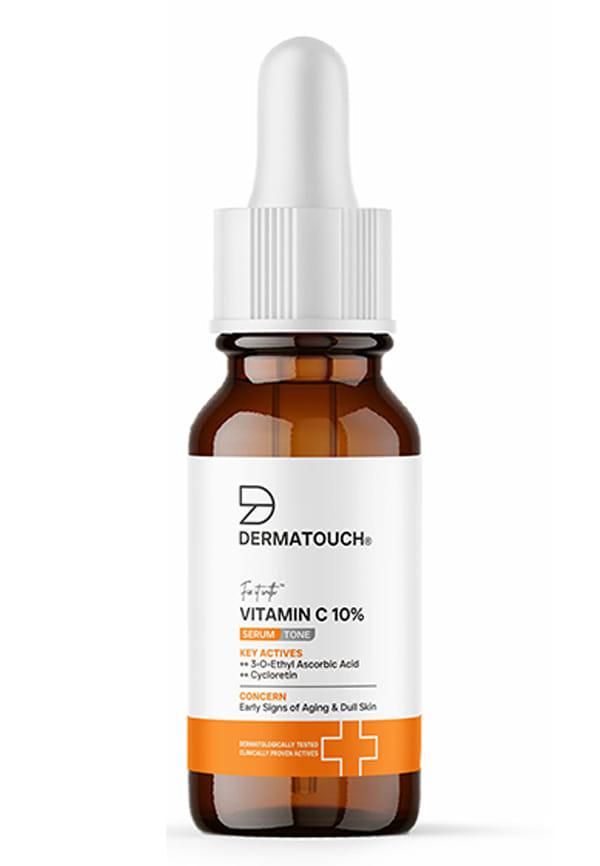
Vitamin C 10% Serum, For Anti-aging and Radiant Skin
You've probably found yourself standing in the skincare aisle, staring at a ₹15,000 serum next to a ₹500 one, wondering if the price difference actually translates to better results. It's a question that keeps many of us up at night—especially when our skin isn't cooperating and we're desperate for something that actually works. The truth about expensive skincare isn't as straightforward as brands would have you believe, and it's definitely not as simple as "more money equals better skin." With luxury beauty products flooding the Indian market and influencers swearing by their ₹8,000 moisturisers, it's time to separate the science from the marketing hype. At Smytten, we see thousands of users testing both budget-friendly and premium products daily, giving us unique insights into what actually delivers results versus what just delivers a hefty price tag.
TL;DR
Expensive skincare can be worth it when it contains higher concentrations of proven active ingredients or advanced delivery systems
Price doesn't always indicate quality—some luxury products are overpriced due to marketing and packaging costs rather than superior formulations
Strategic splurging on specific categories like serums with clinical-grade actives often provides better value than expensive cleansers or basic moisturisers
The key is understanding which premium ingredients actually work and when affordable alternatives can deliver similar results
Trial-sized versions help you test expensive products before committing to full-size purchases
Let's start with some real talk: not all expensive skincare is created equal, and neither is all affordable skincare rubbish. The price difference often comes down to several factors that have nothing to do with how well the product will work on your skin.
**Research and development costs** play a massive role in luxury skincare pricing. When a brand spends years developing a new peptide complex or patented delivery system, those costs get passed on to you. However, many affordable brands use the same proven ingredients—like niacinamide, hyaluronic acid, and retinol—that have been around for decades and don't require expensive research.
**Ingredient concentration** is where things get interesting. A ₹200 serum might contain 2% niacinamide, while a ₹2,000 version contains 10% plus additional supporting ingredients. But here's the catch: more isn't always better. Your skin can only absorb so much, and higher concentrations often lead to irritation rather than better results.
**Marketing and packaging costs** can account for up to 70% of a luxury product's price. That gorgeous glass bottle, celebrity endorsements, and prime retail space don't improve the formula—they just make it more expensive. Many dermatologists point out that some of the most effective skincare comes in boring, clinical packaging.
**Advanced delivery systems** genuinely make a difference. Encapsulated retinol that releases slowly throughout the night, or vitamin C in stable, penetrating forms, often justify higher prices. These technologies help active ingredients reach deeper skin layers and remain effective longer.
**Clinical-grade concentrations** of proven ingredients like peptides, growth factors, and botanical extracts can provide results that drugstore alternatives simply can't match. However, you need to know what to look for—and what's just marketing fluff.
This is where the science gets fascinating. Independent lab testing has shown that some luxury serums do outperform their affordable counterparts, but not always in the ways you'd expect.
**Bioavailability**—how well your skin can actually use the ingredients—varies dramatically between formulations. A ₹500 vitamin C serum might contain 20% L-ascorbic acid, but if it's not stabilised properly, most of it degrades before reaching your skin. Meanwhile, a ₹3,000 serum with 15% magnesium ascorbyl phosphate (a stable vitamin C derivative) might deliver better results.
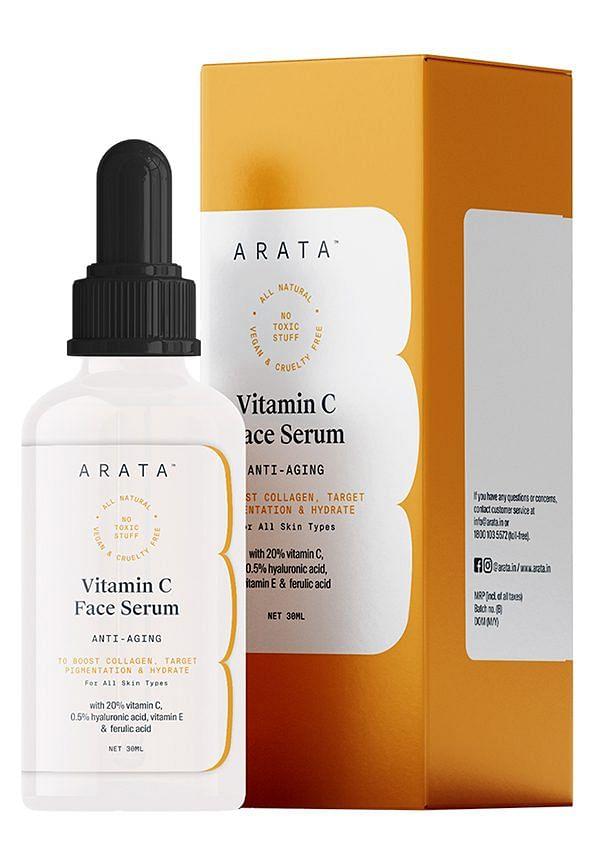
Vitamin C Face Serum For Glowing Skin Anti-Aging, Boosts Collagen & Targets Pigmentation
**Texture and absorption** matter more than most people realise. Luxury serums often feel more pleasant to use, which means you're more likely to use them consistently. And consistency trumps expensive ingredients every single time. A ₹800 serum you use religiously will always outperform a ₹8,000 one that sits unused because it feels sticky or smells awful.
**Peptide complexes** in luxury anti-aging creams can genuinely stimulate collagen production, but only specific types have clinical backing. Palmitoyl pentapeptide-4 and copper peptides show real results in studies, while many "proprietary peptide blends" are just expensive marketing terms.
**Time-released technology** in premium formulations can extend ingredient effectiveness throughout the day or night. This technology does cost more to develop and manufacture, potentially justifying higher prices for products that actually use it effectively.
After speaking with dermatologists and analysing thousands of product reviews, certain categories consistently deliver better results when you invest in quality formulations.
**Sunscreen** is the ultimate skincare investment. A good broad-spectrum SPF 30-50 that you'll actually want to wear daily prevents more skin damage than any expensive anti-aging cream can reverse. Look for zinc oxide or titanium dioxide for sensitive skin, or chemical filters for a more elegant feel.
**Retinoids and retinol products** often benefit from premium formulations. Prescription-strength tretinoin aside, over-the-counter retinol in stable, well-formulated products can justify higher prices. Look for encapsulated retinol or retinyl palmitate in airless packaging.
**Vitamin C serums** with stable formulations are worth the investment. L-ascorbic acid serums need careful formulation to remain potent, while stable derivatives like magnesium ascorbyl phosphate or sodium ascorbyl phosphate work well in more affordable products.
**The 80/20 approach** works brilliantly for skincare. Spend 80% of your budget on proven essentials—cleanser, moisturiser, sunscreen—and 20% on targeted treatments like serums or spot treatments.
**Strategic splurging** means investing in products you use daily and that contain active ingredients. A ₹2,000 vitamin C serum you use every morning for six months costs about ₹11 per day—less than your morning coffee.
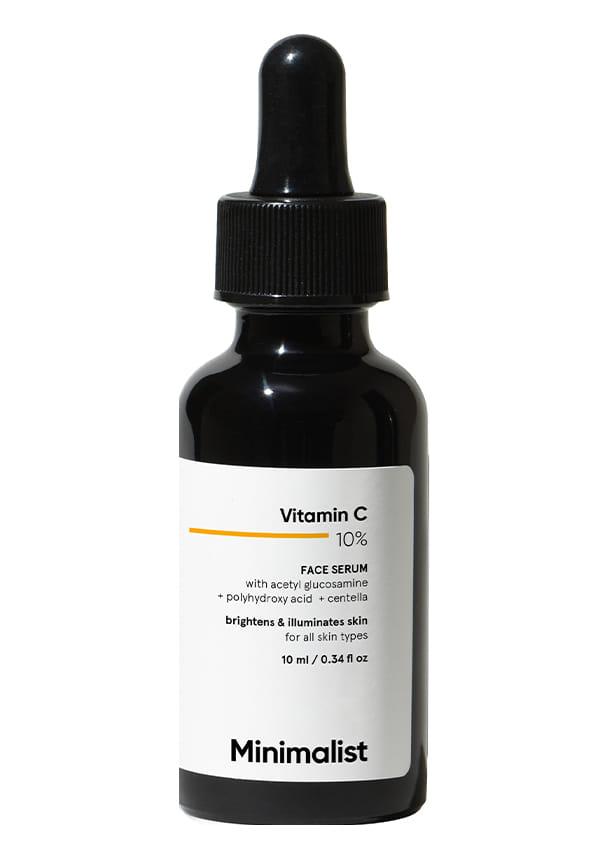
10% Vitamin C Face Serum For Skin Brightening & Reduce Sun Damage
Dermatologists consistently point to specific scenarios where premium products deliver measurably better results than their affordable counterparts.
**Sensitive skin formulations** often justify higher prices through extensive testing and gentler ingredient combinations. Brands like Cetaphil and La Roche-Posay invest heavily in clinical testing for reactive skin types, which reflects in their pricing but also their effectiveness.
**Professional-grade treatments** available for home use—like glycolic acid peels or high-concentration niacinamide serums—require careful formulation and quality control that budget brands often can't match.
**Combination products** that effectively blend multiple active ingredients without causing irritation represent genuine innovation. Creating stable formulations with retinol, vitamin C, and peptides together requires sophisticated chemistry that commands premium prices.
**Proprietary blends** without disclosed concentrations often hide weak formulations behind fancy names. If a brand won't tell you how much of each active ingredient is included, question whether you're paying for results or marketing.
**Miracle claims** should always raise suspicions. No cream can "reverse aging overnight" or "eliminate wrinkles in 7 days," regardless of price. Effective skincare works gradually over months, not days.
Some expensive skincare products do work better than affordable alternatives, particularly when they contain higher concentrations of proven active ingredients or advanced delivery systems. However, price alone doesn't guarantee effectiveness. Many affordable products with simple, well-formulated ingredients can deliver excellent results. The key is understanding what you're paying for—active ingredients and proven technology versus marketing and packaging.
Investing in quality skincare can be worthwhile, but smart spending matters more than expensive spending. Focus your budget on products with proven ingredients like retinol, vitamin C, niacinamide, and broad-spectrum sunscreen. A well-chosen ₹1,000 serum used consistently will deliver better results than a ₹10,000 cream used sporadically. Consider your skin concerns, lifestyle, and budget when making decisions.
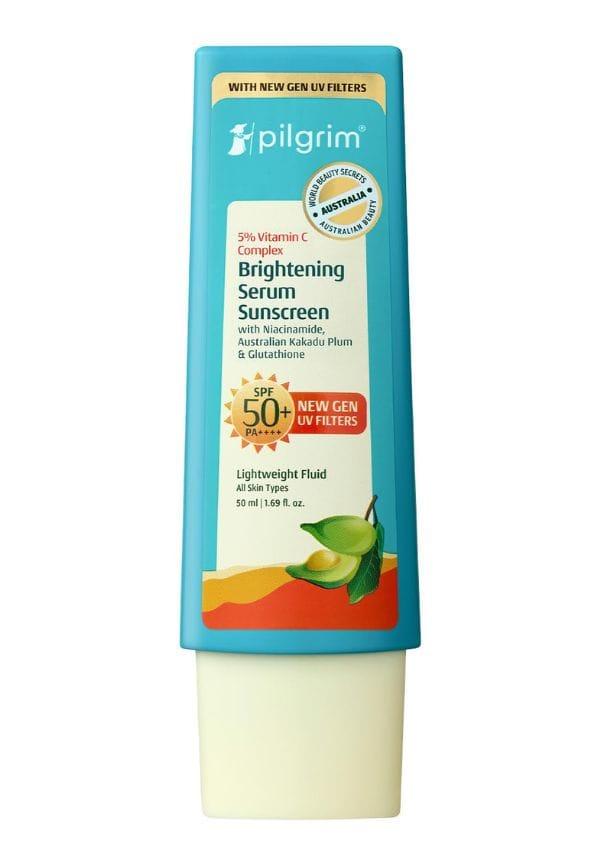
5% Vitamin C Complex Brightening Serum Sunscreen SPF 50+ PA++++
Sunscreen, vitamin C serums with stable formulations, and retinol products often justify higher prices due to complex formulation requirements. Anti-aging treatments with clinically proven peptides or growth factors can also provide value. However, basic cleansers and simple moisturisers rarely need premium price tags unless you have specific sensitivities requiring specialised formulations.
The 4-2-4 rule is a Korean skincare cleansing method: massage cleansing oil for 4 minutes, add water and massage for 2 minutes, then rinse for 4 minutes. This thorough cleansing approach can help expensive serums and treatments penetrate better by ensuring your skin is properly prepared. However, this level of cleansing isn't necessary for everyone and can be achieved with affordable cleansing oils.
Skincare products aren't a waste of money when chosen thoughtfully, but many people do waste money on unnecessary or ineffective products. Focus on evidence-based ingredients, consistent use, and products that address your specific concerns. Platforms like Smytten allow you to trial products before committing to full sizes, helping you avoid expensive mistakes and find what actually works for your skin.
Trial sizes and sample programs help you evaluate expensive products without major financial commitment. Many brands offer discovery sets, and platforms like Smytten provide authentic trial packs from premium brands, allowing you to test formulations and see how your skin responds before investing in full-size products.
The question of whether expensive skincare is worth it doesn't have a simple yes or no answer—it depends entirely on what you're buying and why. Premium products can absolutely deliver superior results when they contain higher concentrations of proven active ingredients, advanced delivery systems, or specialised formulations for specific skin concerns. However, many luxury products are overpriced due to marketing costs rather than superior formulations.
Your best strategy is to become an informed consumer who understands ingredients and can spot genuine innovation versus marketing hype. Invest strategically in categories where premium formulations make a real difference—like stable vitamin C serums, well-formulated retinol products, and broad-spectrum sunscreens. Save money on basic cleansers and simple moisturisers unless you have specific sensitivities requiring specialised formulations.
Remember that consistency trumps cost every time. A moderately priced routine you use religiously will always outperform expensive products that sit unused. Focus on building sustainable habits with products you actually enjoy using, and don't let price tags convince you that more expensive automatically means more effective.
Navigating the world of skincare pricing doesn't have to feel overwhelming when you have the right tools and information. Smytten is India's largest product discovery and trial platform, connecting consumers with top lifestyle, beauty, wellness, and grooming brands through curated trial packs from over 2,400 trusted brands such as Cetaphil, Dot & Key, Swiss Beauty, WishCare, and Bella Vita. This try before you buy approach lets you explore both affordable and premium products before committing to full-size purchases, making it easier to determine which expensive skincare is actually worth your investment. With trial packs available across skincare, makeup, haircare, and fragrances, you can get up to 10 Trial Points for just ₹279, plus enjoy 100% cashback on these minis for future orders. Whether you're testing a ₹200 serum or a ₹2,000 one, Smytten's authentic brand-verified minis help you make smarter, more confident choices without the fear of expensive mistakes—because why settle for 'maybe' when you can #TryItAll!
