Inflammatory Skin Ageing FAQ: What It Is & How It Affects Indian Women


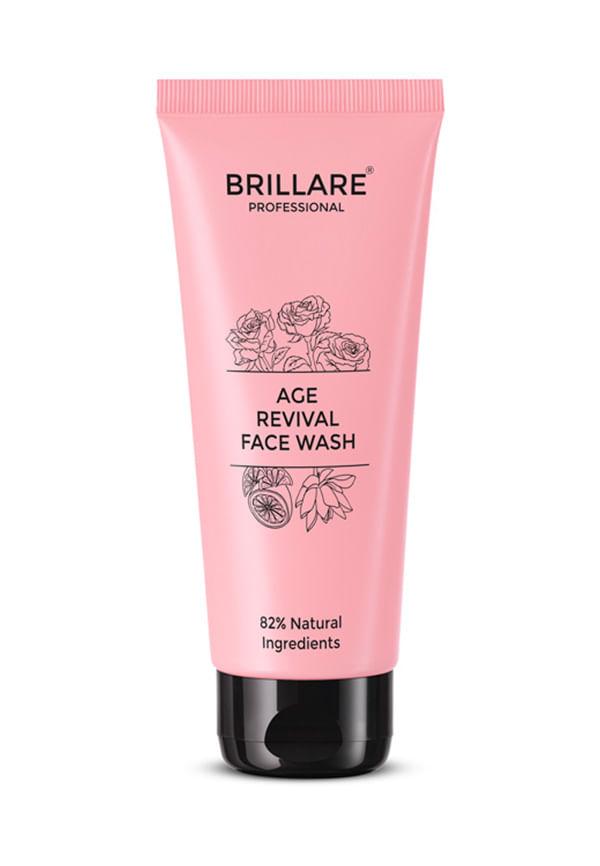
Age Revival Face Wash For Aging Skin
Good Winter Product
 4
4“it is a good product for winter shop”
Ever noticed how some days your skin looks tired and inflamed, even when you've been following your usual routine? You're not alone. Many Indian women are experiencing what dermatologists call inflammatory skin ageing - a process where chronic inflammation accelerates the natural ageing timeline. Unlike the gradual changes we expect with time, this type of ageing can catch you off guard with sudden sensitivity, persistent redness, and stubborn dark spots that seem to appear overnight.
Inflammatory skin ageing, also known as inflammageing, happens when your skin experiences chronic low-grade inflammation that disrupts its natural repair processes. Think of it as your skin's immune system being constantly on high alert, even when there's no real threat. This ongoing state of inflammation breaks down collagen faster than your body can replace it, leading to premature skin ageing that goes beyond what you'd expect from your chronological age. The process starts at a cellular level. When inflammation persists, it triggers the release of enzymes that break down the proteins responsible for keeping your skin firm and smooth. Your skin's natural barrier becomes compromised, making it more vulnerable to environmental damage and less efficient at retaining moisture.
While natural ageing follows a predictable pattern - fine lines around the eyes, gradual loss of firmness - inflammatory skin ageing creates a more chaotic timeline. You might notice sudden sensitivity to products you've used for years, or dark spots that seem to multiply after a particularly stressful period. The inflammation doesn't just speed up ageing; it changes how your skin ages, often creating uneven texture and persistent redness alongside the usual signs.
Indian skin has unique characteristics that can make it more susceptible to inflammatory ageing. Research shows that while Indian skin typically has higher collagen density than Caucasian skin - which should theoretically protect against ageing - it also tends to have a more reactive inflammatory response. The combination of genetic predisposition and environmental factors creates a perfect storm. Indian women often experience more pronounced post-inflammatory hyperpigmentation, where even minor irritation can leave lasting dark spots. This means that inflammatory ageing doesn't just affect skin texture and firmness; it significantly impacts skin tone and clarity.
Living in Indian metropolitan areas exposes your skin to pollution levels that can trigger chronic inflammation. The combination of particulate matter, vehicle emissions, and industrial pollutants creates oxidative stress that keeps your skin in a constant state of defence. Add the intense UV exposure year-round, and your skin is working overtime to repair damage. Hormonal changes during different life stages - from menstrual cycles to pregnancy to menopause - can amplify inflammatory responses. Many Indian women notice their skin becomes more reactive during these transitions, with increased sensitivity and slower healing times.
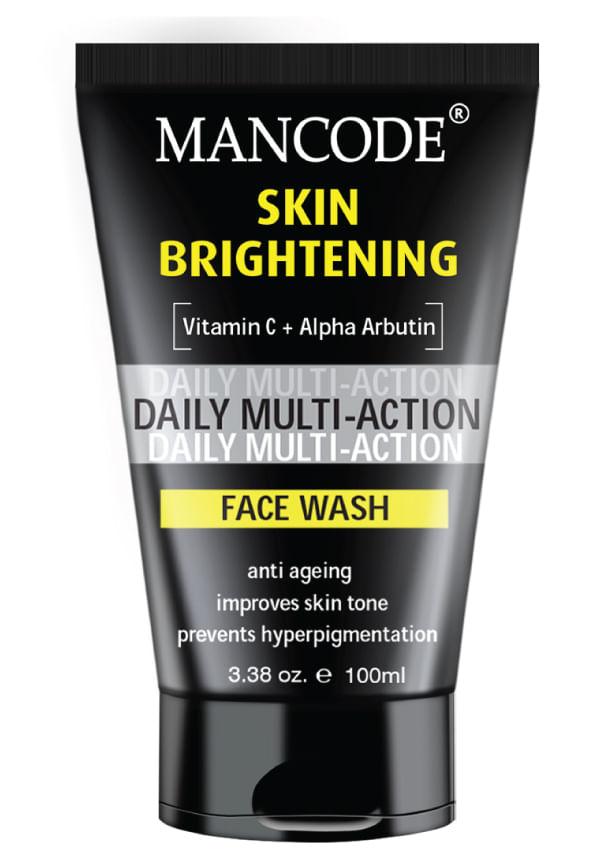
Skin Brightening Face Wash Anti Ageing Improves Skin Tone Multi Double Action Skin Purifying Face Wash
The early signs of inflammatory skin ageing often masquerade as temporary skin issues. You might dismiss persistent redness as seasonal sensitivity or attribute new dark spots to sun exposure. However, these could be indicators that inflammation is accelerating your skin's ageing process. Key warning signs include skin that feels constantly irritated, even with gentle products. You might notice that small breakouts leave dark marks that take months to fade, or that your skin looks dull despite regular exfoliation. Fine lines might appear in unexpected places, and your skin might feel thinner or more fragile than before.
In darker skin tones, inflammation often manifests as changes in pigmentation rather than obvious redness. You might see areas of hyperpigmentation that seem to appear without cause, or notice that your skin tone has become uneven. Post-inflammatory hyperpigmentation is particularly common, where even minor irritation leaves lasting marks. The skin might also develop a rough, uneven texture that doesn't improve with regular exfoliation. Pores may appear larger, and the skin might feel tight or uncomfortable, especially in air-conditioned environments.
Understanding what triggers inflammation in your skin is crucial for preventing premature skin ageing. Internal factors often play a larger role than we realise. Hormonal fluctuations, particularly during menstrual cycles, pregnancy, and menopause, can increase inflammatory responses. The gut-skin connection is also significant - digestive issues or food sensitivities can manifest as skin inflammation. Stress is another major contributor. The cortisol released during chronic stress directly impacts skin health, breaking down collagen and impairing the skin's barrier function. For many working women juggling multiple responsibilities, this chronic stress becomes a constant source of skin inflammation.
Environmental pollution is a significant trigger for Indian women. The fine particulate matter in urban air can penetrate the skin and trigger inflammatory responses. UV exposure, while necessary for vitamin D synthesis, becomes problematic when it's intense and constant without adequate protection. Skincare habits can also contribute to inflammation. Over-exfoliation, using products with harsh ingredients, or frequently switching between different active ingredients can compromise the skin barrier and trigger inflammatory responses.
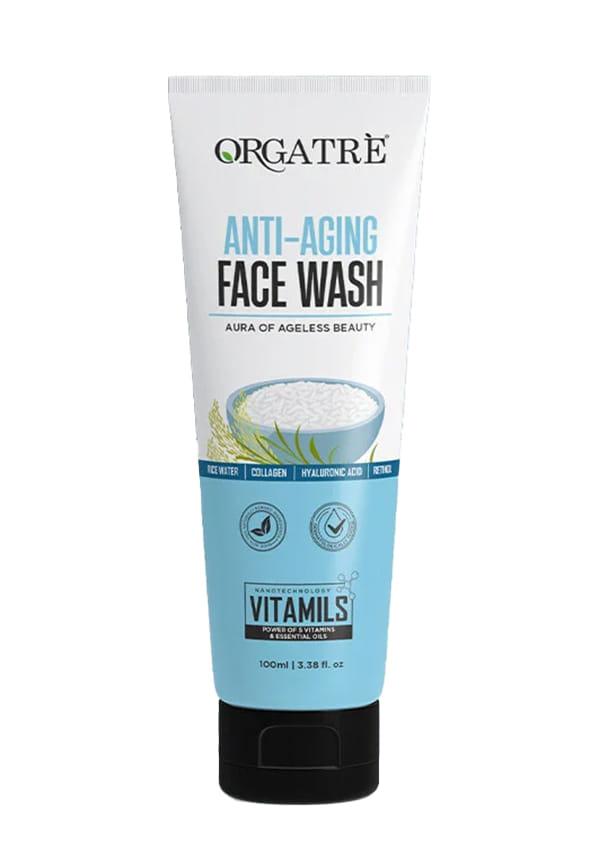
Anti- Aging Face wash
Building an anti-inflammatory skincare routine starts with understanding that less is often more. Your skin needs consistent, gentle care rather than aggressive treatments. Start with a mild cleanser that doesn't strip your skin's natural oils, followed by products containing proven anti-inflammatory ingredients. Niacinamide is particularly effective for Indian skin, as it helps regulate oil production while reducing inflammation and improving skin tone. Ceramides help restore the skin barrier, while antioxidants like vitamin C protect against environmental damage. The key is introducing these ingredients gradually and monitoring how your skin responds.
When dealing with inflammatory ageing, your skin becomes more sensitive to everything. Choose products with minimal ingredients lists and avoid common irritants like fragrances, essential oils, and high concentrations of acids. Patch testing becomes crucial - even products marketed as gentle can trigger reactions in inflamed skin. Moisturising becomes even more important when dealing with inflammation. Look for products with hyaluronic acid and glycerin to maintain hydration without heaviness. SPF is non-negotiable - choose broad-spectrum protection with at least SPF 30, and reapply throughout the day.
What you eat directly impacts skin inflammation. Indian cuisine offers many anti-inflammatory ingredients - turmeric, ginger, and leafy greens are natural inflammation fighters. However, some traditional foods high in sugar or refined carbohydrates can trigger inflammatory responses. Omega-3 fatty acids from sources like walnuts, flaxseeds, and fish help reduce inflammation from within. Antioxidant-rich foods like berries, pomegranates, and green tea provide additional protection against oxidative stress.
Stress management isn't just good for your mental health - it's crucial for preventing inflammatory skin ageing. Regular meditation, yoga, or even simple breathing exercises can help regulate cortisol levels and reduce inflammatory responses. Sleep quality significantly impacts skin repair. During deep sleep, your skin produces growth hormones that repair daily damage. Poor sleep quality can increase inflammatory markers and accelerate ageing processes.
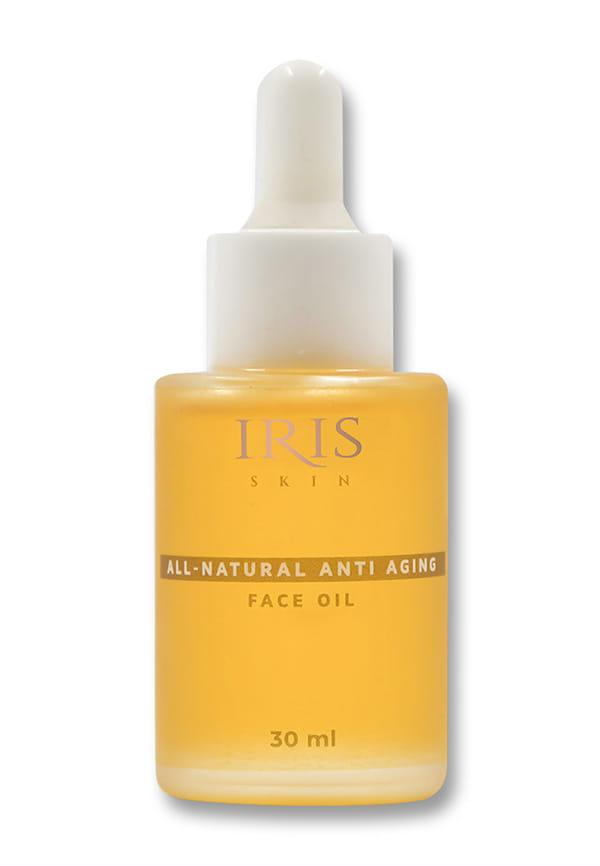
All-Natural Anti-Aging Face Oil
Most people notice initial improvements in skin sensitivity and redness within 2-4 weeks of starting an anti-inflammatory routine. However, significant changes in skin texture and tone typically take 8-12 weeks, as this aligns with your skin's natural renewal cycle.
While you can't completely reverse ageing, you can significantly slow down and improve inflammatory ageing. Consistent use of anti-inflammatory ingredients, proper sun protection, and lifestyle changes can help restore skin health and prevent further damage.
Sensitive skin is typically a genetic trait where skin reacts easily to products or environmental factors. Inflammatory ageing, however, is a process where chronic inflammation accelerates ageing. You can have both conditions simultaneously, or develop sensitivity as a result of inflammatory ageing.
Natural ingredients can be effective, but they're not automatically gentler. Some natural ingredients like essential oils can actually trigger inflammation. The key is choosing ingredients - whether natural or synthetic - that have proven anti-inflammatory properties and suit your skin type.
Hormonal fluctuations, particularly during menopause, can increase inflammatory responses and decrease collagen production. Indian women may experience more pronounced changes in skin pigmentation during these transitions. Managing hormonal health through diet, exercise, and medical support when needed can help minimise these effects.
Understanding inflammatory skin ageing empowers you to take control of your skin health before damage becomes irreversible. The key is recognising that this isn't just about using the right products - it's about creating a comprehensive approach that addresses both internal and external triggers. Your skin's needs will evolve as you address inflammation, so stay flexible with your routine. What works during a stressful period might need adjustment as your skin heals and becomes less reactive. If you're curious about trying new anti-inflammatory products but hesitant to commit to full sizes, Smytten's curated selection includes many brands with proven anti-inflammatory ingredients. With over 28 million users discovering products through trial sizes, it's a practical way to find what works for your unique skin needs without the guesswork.
