Indian Skin Pimple Popping FAQ: Scar Prevention & Safe Removal

Clear Skin Pimple Patch
Expensive, Low Quantity
 5
5“so expensive price k according quantity km h.”
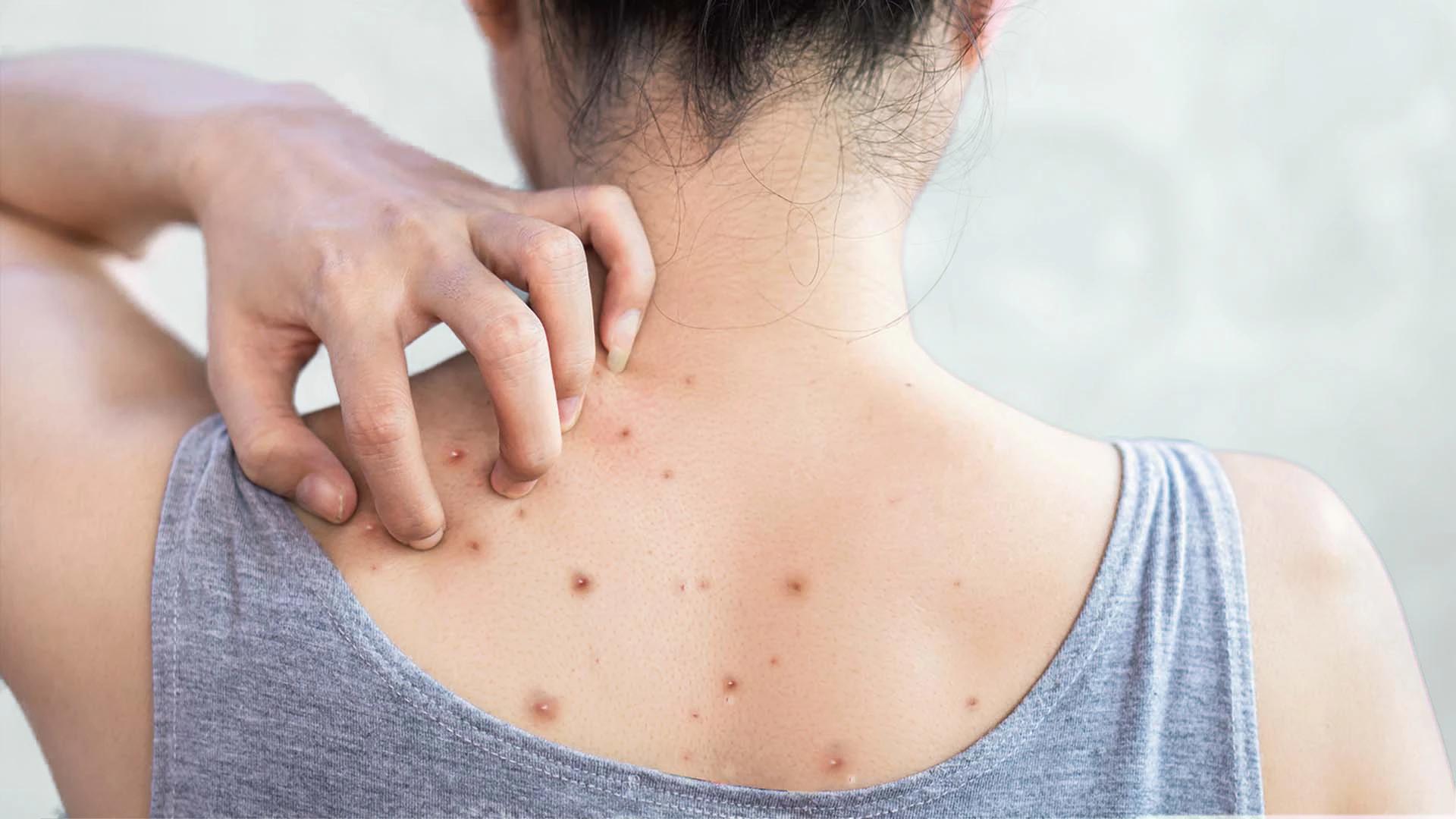
We've all been there — staring at a stubborn pimple in the mirror, fingers twitching with the urge to squeeze. For those of us with Indian skin, this moment comes with extra weight. Our higher melanin content means that one wrong move can leave behind dark spots that linger for months. The question isn't whether you'll be tempted to pop (because honestly, who isn't?), but whether you know how to do it safely. Let's talk about the real way to handle pimples without turning them into permanent reminders on your face.
Indian skin comes with its own set of rules, and understanding them is crucial before you even think about touching that pimple. Our skin has unique characteristics that make it both resilient and vulnerable in different ways.
The higher melanin content in Indian skin is brilliant for natural sun protection, but it also means we're more prone to post-inflammatory hyperpigmentation. When you damage the skin through aggressive pimple popping, those melanocytes go into overdrive, producing excess pigment that shows up as dark spots. These can take anywhere from six months to two years to fade naturally.
Our tropical climate doesn't help either. The combination of heat, humidity, and pollution makes our sebaceous glands work overtime, producing more oil that can clog pores. Add to this a genetic predisposition to keloid formation in some individuals, and you've got a recipe for scarring that requires extra caution.
Whiteheads are your safest bet for extraction — they're essentially ready to go, with pus visible at the surface. Blackheads can be extracted but require gentle pressure. Cystic acne, however, is absolutely off-limits for DIY extraction. These deep, painful bumps don't have a clear head and attempting to pop them will only push infection deeper into the skin.
Understanding the pimple lifecycle helps you time extraction correctly. A pimple typically takes 3-7 days to fully form. The optimal time for extraction is when you can clearly see a white or yellow head at the surface, indicating that the pus has moved close to the skin's surface.
Before we dive into technique, let's understand what actually happens when you pop versus when you don't. This knowledge will help you make better decisions about when intervention is worth the risk.
When you leave a pimple alone, your body's natural healing process kicks in. The pus — a mixture of dead white blood cells, bacteria, and oil — gets gradually reabsorbed by surrounding tissue. Your immune system breaks down the contents and carries them away through the lymphatic system. This process takes longer but leaves minimal risk of scarring.
When you pop a pimple correctly, you're essentially speeding up this natural drainage process. However, incorrect technique can push infected material deeper into the skin, causing more inflammation and increasing the risk of scarring. The key is working with your skin's natural processes, not against them.
Dermatologists use sterile environments, proper lighting, and specialised tools for pimple extraction. They can assess whether a pimple is ready for extraction and have the expertise to handle complications. Professional extraction significantly reduces the risk of scarring and infection.
Itch Relief Stickers
At-home extraction carries higher risks but can be done safely with proper technique and realistic expectations. The key is knowing your limits and when to stop. If you're dealing with persistent cystic acne or have a history of scarring, professional treatment is always the better choice.
If you've decided that extraction is necessary, here's the safest way to proceed. Remember, this technique should only be used on mature pimples with visible white or yellow heads.
Start with thoroughly clean hands and face. Use a gentle cleanser suitable for Indian skin care — something that removes oil without over-drying. Avoid harsh scrubs or alcohol-based products that can irritate the skin further.
Sterilise any tools you plan to use with rubbing alcohol. Cotton swabs, tissue, or a comedone extractor should all be disinfected. Apply a warm compress to the area for 5-10 minutes to soften the skin and bring the pus closer to the surface.
Here's the correct way to pop a pimple without scarring Indian skin: position your fingers or tool on either side of the pimple, not directly on top. Apply gentle, even pressure downward and slightly inward. The key word here is gentle — you shouldn't need to press hard if the pimple is ready.
If nothing comes out after gentle pressure, stop immediately. The pimple isn't ready, and forcing it will only cause damage. When done correctly, the pus should come out easily with minimal pressure. Clean the area immediately with a gentle antiseptic.
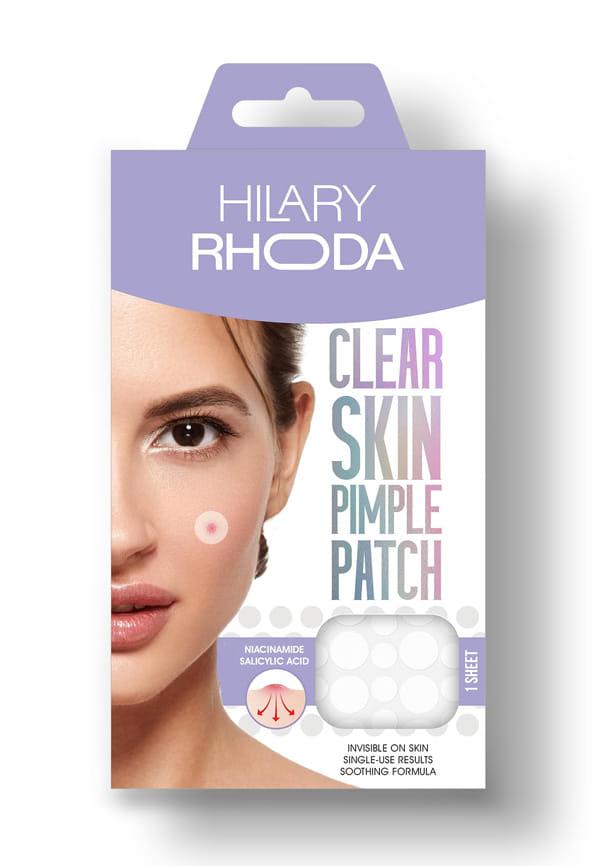
Immediate aftercare is crucial for preventing scars. Apply a small amount of antiseptic to prevent infection, then follow with a hydrocolloid patch if you have one. These patches create a moist healing environment and prevent you from touching the area.
For acne scar reduction, incorporate ingredients like niacinamide and vitamin C into your routine once the initial healing is complete. These help fade any residual pigmentation and support skin repair. Always follow up with SPF during the day, as newly healed skin is particularly vulnerable to hyperpigmentation from sun exposure.
Sometimes the best extraction technique is no extraction at all. Learning to recognise when a pimple shouldn't be touched can save you months of dealing with scars and dark spots.
If you can't see a clear white or yellow head, the pimple isn't ready for extraction. Deep, painful bumps without visible pus are typically cystic and should never be squeezed. These types of breakouts need time to come to the surface naturally or professional treatment.
Acne Pimple Patch
Red, inflamed pimples without a clear head are also off-limits. Attempting extraction at this stage will only increase inflammation and push infected material deeper into the skin. Wait until the inflammation subsides and a clear head forms, or consider alternative treatments.
For treating acne at home safely, spot treatments can be incredibly effective. Look for products containing salicylic acid, benzoyl peroxide, or tea tree oil. These ingredients help reduce inflammation and speed up the natural healing process without the risks associated with extraction.
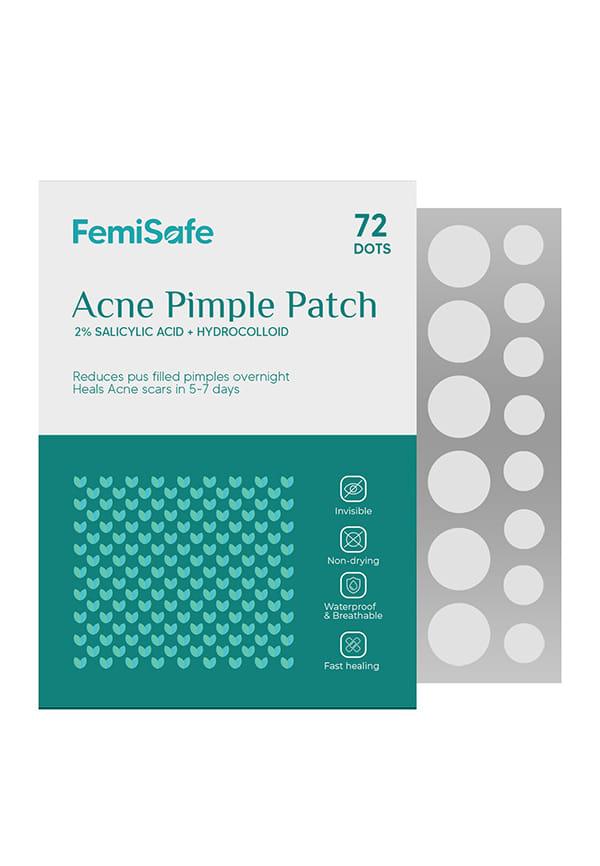
Hydrocolloid patches are excellent for drawing out pus naturally. Apply one over a mature pimple and leave it overnight. You'll often find that the patch has drawn out the contents without any manual extraction needed.
Prevention is always better than treatment when it comes to acne scars. Indian skin requires specific strategies to prevent the hyperpigmentation that can follow even minor skin trauma.
Safe pimple removal doesn't end with extraction — the aftercare is equally important. Keep the area clean and avoid touching it unnecessarily. Apply products with anti-inflammatory ingredients like niacinamide or aloe vera to calm the skin and reduce the risk of pigmentation.
Sun protection becomes non-negotiable after any kind of skin trauma. UV exposure can darken healing skin and make temporary marks permanent. Use a broad-spectrum SPF 30 or higher, and consider covering the area with clothing or a hat when possible.
Building a consistent Indian skin care routine that supports skin health is your best defence against scarring. Include gentle exfoliation with AHAs or BHAs to prevent clogged pores, and use products with ingredients that support skin repair like retinoids, vitamin C, and peptides.
For skin blemish removal and maintenance, consistency is key. Regular use of products that promote cell turnover and collagen production helps keep skin smooth and reduces the appearance of any existing marks. Remember that results take time — give any new routine at least 6-8 weeks to show effects.
Sometimes professional intervention is the smartest choice, especially when dealing with persistent or severe acne that's prone to scarring.
Professional comedone extraction offers several advantages over DIY methods. Dermatologists can safely extract deeper blackheads and whiteheads that might be risky to attempt at home. They also have access to treatments like chemical peels and microneedling that can improve skin texture and reduce existing scarring.
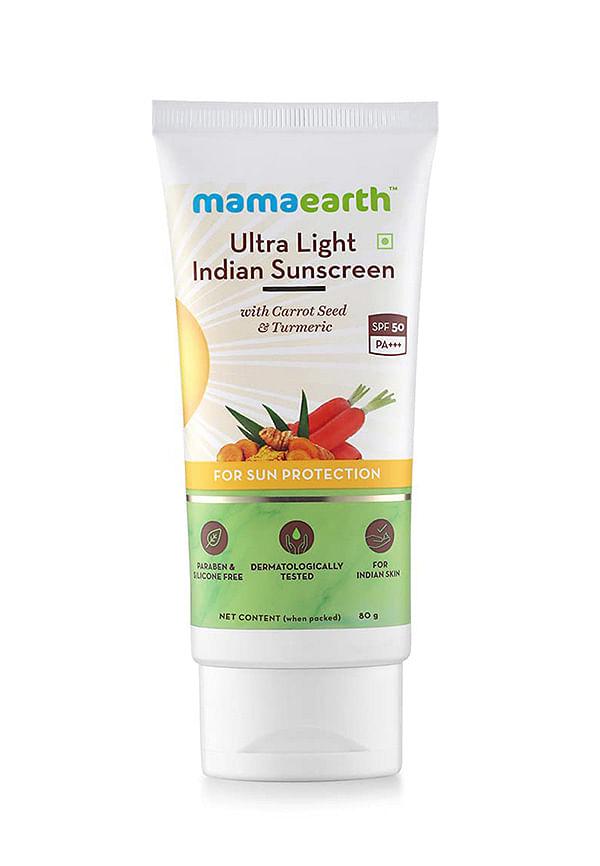
Ultra Light indian Sunscreen
For Indian skin, professional treatments can be tailored to address hyperpigmentation concerns alongside acne. The cost might seem higher initially, but it's often more economical than dealing with months of scar treatment products.
If you notice signs of infection — increased redness, warmth, pus that's green or yellow-green, or red streaking — stop all extraction attempts and see a healthcare provider. Recurring cystic acne patterns also warrant professional evaluation, as they often require prescription treatments.
If you have existing scar tissue or a history of keloid formation, DIY extraction isn't worth the risk. Professional guidance can help you manage breakouts safely without exacerbating scarring concerns.
The safest approach involves waiting until the pimple has a clear white head, using clean hands or sterilised tools, applying gentle pressure from the sides rather than directly on top, and following up with proper wound care. For Indian skin specifically, immediate application of anti-inflammatory ingredients and diligent sun protection are crucial for preventing hyperpigmentation.
Generally, it's better to leave pimples alone and let them heal naturally. However, if a pimple has a clear white head and is causing discomfort, gentle extraction using proper technique can be acceptable. The key is ensuring the pimple is truly ready — if you need to apply significant pressure, it's not ready and should be left alone.
The best approach is prevention through a consistent skincare routine that includes gentle cleansing, appropriate moisturising, and regular use of ingredients like salicylic acid or niacinamide. When pimples do occur, spot treatments and hydrocolloid patches can help them heal without manual extraction. If extraction is necessary, proper technique and aftercare are essential.
Yes, with proper technique and aftercare, many people can extract pimples without scarring. Success factors include timing (only extracting mature pimples), technique (gentle pressure from the sides), cleanliness (sterile tools and environment), and aftercare (anti-inflammatory products and sun protection). However, individual skin sensitivity varies, and some people are more prone to scarring regardless of technique.
Look for acne treatment products with niacinamide to reduce inflammation and prevent hyperpigmentation, hydrocolloid patches for immediate wound protection, gentle antiseptics like tea tree oil, and broad-spectrum sunscreen. Avoid harsh ingredients like high-concentration acids or alcohol-based products immediately after extraction, as these can increase irritation and pigmentation risk.
The reality is that the safest way to remove pimples is often to leave them alone and let your skin heal naturally. But we're human, and sometimes that urge to squeeze is just too strong. When that happens, knowing the proper technique can mean the difference between a pimple that heals cleanly and one that leaves a lasting mark.
For Indian skin, the stakes are higher because of our tendency toward hyperpigmentation. Every extraction decision should weigh the immediate satisfaction against the potential for months of dark spot treatment. Remember that consistency in your daily skincare routine will prevent more breakouts than any extraction technique ever could.
If you're building a routine to prevent future breakouts, Smytten's curated selection includes trusted brands that understand Indian skin needs. From gentle cleansers to targeted treatments, you can explore products from dermatologist-recommended brands before committing to full sizes. With over 28 million users discovering their perfect skincare matches, it's a smart way to test what works for your unique skin before you invest.
