Indian Skin Darkening in Summer: Your FAQ Answered

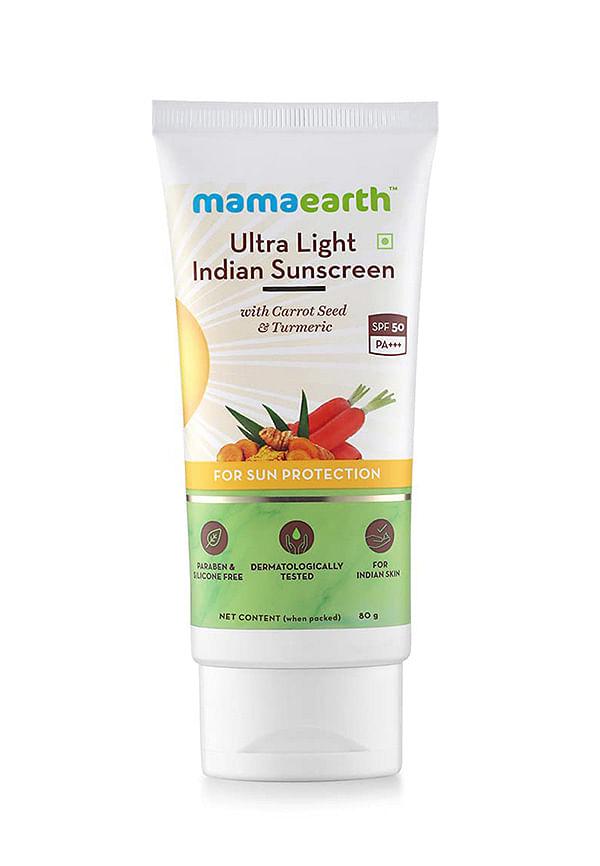
Ultra Light indian Sunscreen
You've noticed it happening every year - the moment summer arrives, your skin seems to develop a deeper tone almost overnight. Whether it's your face getting darker despite religiously applying SPF or your arms taking on a bronze hue after just one afternoon outdoors, summer skin darkening is a reality many of us face. The good news? Understanding why this happens is the first step to managing it effectively. Let's dive into the science behind summer skin changes and explore what you can actually do about them.
Indian skin has unique characteristics that make it particularly responsive to summer conditions. Our skin contains more active melanocytes - the cells responsible for producing melanin - compared to lighter skin tones. This isn't a flaw; it's actually an evolutionary advantage that helped protect our ancestors from intense UV radiation.
Most Indian skin falls into Fitzpatrick skin types III to VI, which means we naturally produce more melanin when exposed to UV rays. Think of melanin as your skin's built-in umbrella - it darkens to shield deeper skin layers from damage. During summer, this protective mechanism kicks into overdrive.
The process starts within hours of sun exposure. UV rays trigger melanocytes to produce more melanin, which then travels to the skin's surface over the following days. This is why you might notice your skin looking darker 2-3 days after a day spent outdoors, even if you felt you were being careful.
UVA rays penetrate deeper into the skin and are primarily responsible for immediate tanning, whilst UVB rays cause delayed tanning and are more likely to cause burns. Both types are stronger during summer months, but here's what many people don't realise - heat itself can also trigger pigmentation.
When your skin temperature rises, it can stimulate melanin production even without direct UV exposure. This explains why some people notice darkening after spending time in hot, indoor environments or after intense workouts during summer.
Whilst sun exposure is the obvious culprit, several other factors contribute to summer skin darkening that often go unnoticed.
Summer heat can influence your hormonal balance, particularly affecting oestrogen and cortisol levels. These hormonal shifts can trigger melasma - those stubborn dark patches that often appear on the face. If you've noticed symmetrical darkening on your cheeks, forehead, or upper lip during summer months, hormones might be playing a role alongside sun exposure.
Women often notice this pattern becoming more pronounced during summer, especially if they're on hormonal contraceptives or going through hormonal changes.
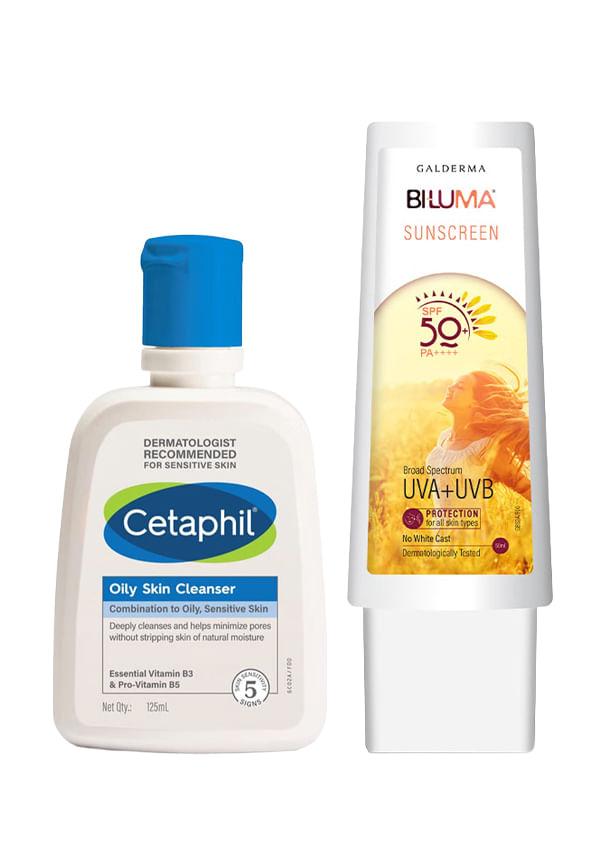
Sensitive Skin Summer Protection
Summer's humidity and heat create the perfect storm for breakouts, and every spot that heals can leave behind a dark mark. This post-inflammatory hyperpigmentation is particularly common in Indian skin and can make your complexion appear uneven and darker overall.
Sweat-related irritation, heat rash, and increased friction from summer clothing can all trigger inflammation that later manifests as darkening. Even something as simple as wiping sweat frequently can cause micro-inflammation that leads to pigmentation.
Here's something that might surprise you - you can develop a tan whilst sitting indoors. Windows block most UVB rays but allow UVA rays to pass through. If you spend long hours near windows during summer, you're still getting UV exposure.
Reflected UV from concrete, sand, or water can also reach your skin even when you think you're in shade. Additionally, certain medications can make your skin more photosensitive, causing it to darken more easily during summer months.
The encouraging news is that most summer-induced skin darkening is indeed reversible, though the timeline varies depending on several factors including your skin type, the depth of pigmentation, and your approach to treatment.
Your skin naturally renews itself every 28-40 days, which means surface-level tanning will gradually fade on its own. However, you can support this process through gentle exfoliation and proper hydration.
Ingredients like vitamin C, niacinamide, and gentle alpha hydroxy acids can help accelerate the natural cell turnover process. These work by encouraging the shedding of pigmented skin cells whilst inhibiting further melanin production. Natural ingredients like liquorice extract and kojic acid also show promise in gradually lightening pigmentation.
For deeper pigmentation or faster results, professional treatments can be effective. Chemical peels designed for Indian skin types can help remove pigmented surface layers, whilst treatments like laser therapy can target deeper pigmentation.
However, it's crucial to choose treatments specifically suited for darker skin tones, as aggressive treatments can sometimes worsen pigmentation. Always consult with a dermatologist experienced in treating Indian skin before considering professional options.
Building an effective routine for managing summer skin darkening requires a two-pronged approach: protection and treatment.
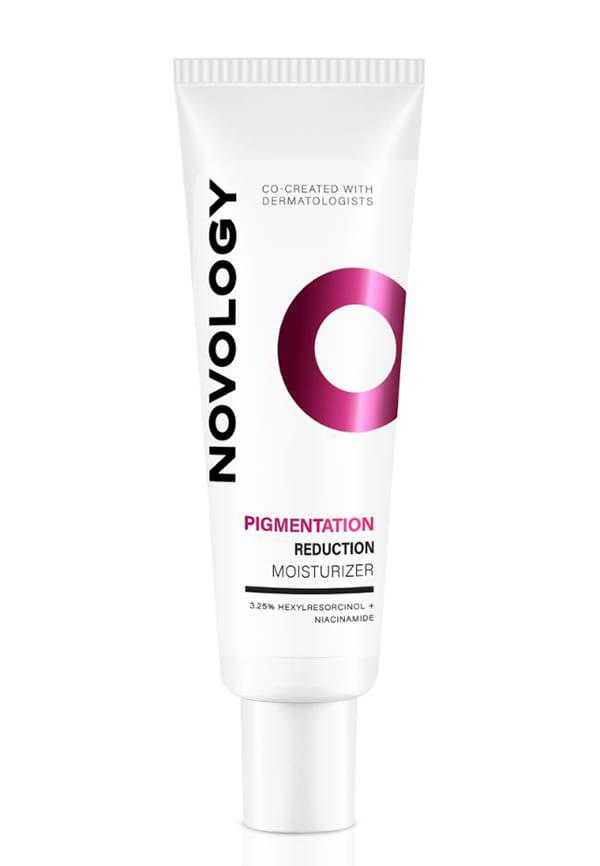
Pigmentation Moisturiser, Face Cream for Hyperpigmentation & Dark Spots
Sunscreen remains your most important tool, but choosing the right one matters. Look for broad-spectrum SPF 30 or higher that won't leave a white cast on your skin tone. Mineral sunscreens with zinc oxide or titanium dioxide offer excellent protection, whilst chemical sunscreens can be more cosmetically elegant for daily wear.
Reapplication is crucial, especially during summer. If you're sweating or spending extended time outdoors, reapply every two hours. Consider keeping a powder sunscreen or SPF setting spray handy for touch-ups throughout the day.
Vitamin C in the morning helps inhibit melanin production whilst providing antioxidant protection. Niacinamide works well for evening out skin tone and can be used twice daily. For gentle exfoliation, incorporate alpha hydroxy acids like glycolic or lactic acid 2-3 times per week.
Start slowly with active ingredients and always patch test first. Indian skin can be sensitive to rapid changes, so building tolerance gradually prevents irritation that could lead to more pigmentation.
Prevention remains more effective than treatment when it comes to summer skin darkening.
Start building your skin's resilience before summer hits. Incorporate antioxidants like vitamin C and vitamin E into your routine to strengthen your skin's natural defence mechanisms. A strong skin barrier is better equipped to handle summer stressors.
Consider professional treatments like gentle peels during the cooler months to ensure your skin is in optimal condition before summer arrives.
Beyond skincare, lifestyle habits play a crucial role. Seek shade during peak UV hours (10 AM to 4 PM), wear protective clothing, and don't forget often-missed areas like your ears, neck, and the tops of your feet.
Stay hydrated and maintain a diet rich in antioxidants to support your skin from within. Foods high in lycopene, beta-carotene, and vitamin C can provide additional photoprotection.
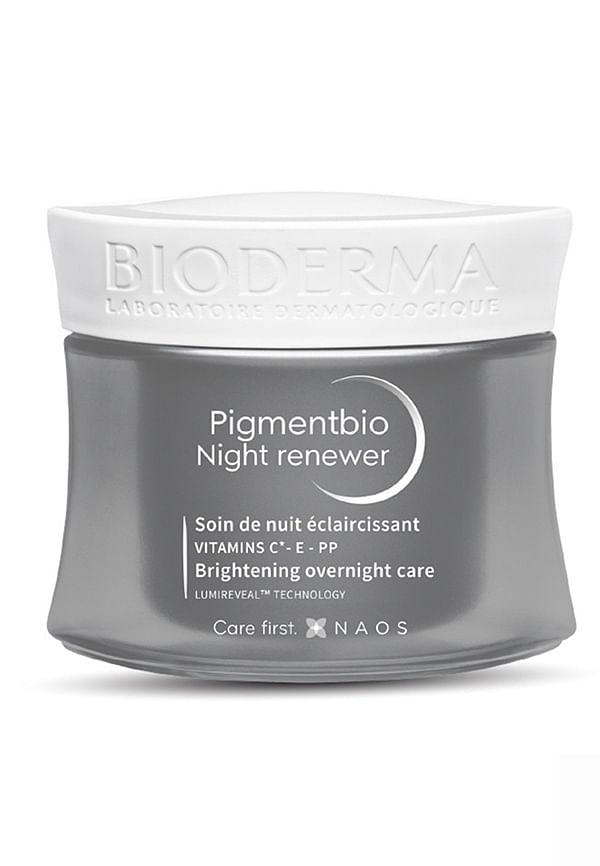
Pigmentbio Night Renewer Brightening Overnight Cream for Dark Spots, Sensitive Skin
Indian skin gets darker in summer due to increased melanin production triggered by UV exposure and heat. Our skin naturally contains more active melanocytes, making us more prone to tanning. The good news is that most summer darkening is reversible through consistent skincare, sun protection, and time. Surface-level tanning typically fades within 2-3 months with proper care, whilst deeper pigmentation may take 6-12 months to improve significantly.
Whilst you can't completely prevent all darkening if you have naturally reactive skin, you can significantly minimise it. Consistent broad-spectrum SPF use, seeking shade during peak hours, wearing protective clothing, and using antioxidant-rich skincare can dramatically reduce summer darkening. The key is starting protection early in the season and maintaining it consistently.
Natural skin cell turnover takes 28-40 days, so surface-level tanning begins fading within a month of reduced sun exposure. However, complete fading can take 2-6 months depending on how deep the pigmentation goes and your individual skin renewal rate. Deeper pigmentation from repeated sun exposure or inflammation may take longer to resolve.
Several factors can cause facial darkening despite sunscreen use. You might not be applying enough (you need about 1/4 teaspoon for your face), reapplying frequently enough, or your sunscreen might not offer adequate protection for your skin type. Hormonal changes, certain medications, and even heat exposure can trigger facial darkening. Additionally, reflected UV from surfaces can reach your face even when you think you're protected.
Avoid harsh scrubs or aggressive exfoliation, which can cause inflammation and worsen pigmentation. Be cautious with strong acids or retinoids without proper introduction, as irritation can trigger more darkening. Some people find that certain fragrances or essential oils can cause photosensitivity. Always patch test new products and introduce actives gradually.
Consult a dermatologist if you notice sudden, asymmetrical darkening, patches that don't respond to consistent skincare after 3-4 months, or if darkening is accompanied by texture changes. Also seek professional advice if you're considering stronger treatments or if the darkening significantly affects your confidence and daily life.
Understanding why Indian skin gets darker in summer empowers you to take effective action. Remember, this natural response isn't something to be ashamed of - it's your skin's way of protecting itself. The key lies in consistent protection, patience with treatment, and realistic expectations about timelines.
Most summer skin darkening is indeed reversible with the right approach. Focus on prevention through diligent sun protection, support your skin with appropriate ingredients like vitamin C and niacinamide, and give treatments time to work. Your skin's natural renewal process is powerful when supported properly.
If you're curious about trying new products to support your skin through summer, Smytten's curated selection includes many trusted brands with proven ingredients for managing pigmentation and protecting Indian skin tones. With options to try products before committing to full sizes, you can discover what works best for your unique skin needs without the guesswork.
