Indian Skin Acne FAQ: Diet, Sugar, and Your Skin Answered

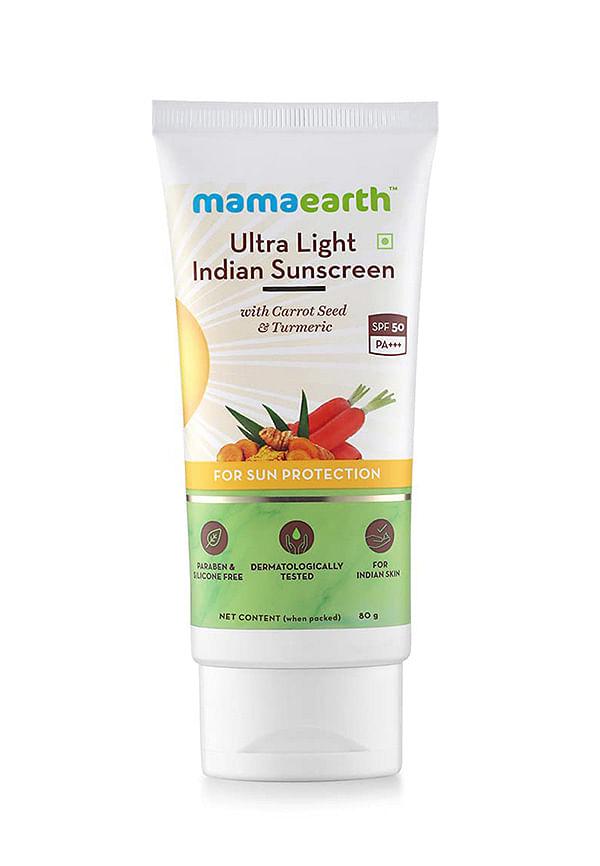
Ultra Light indian Sunscreen
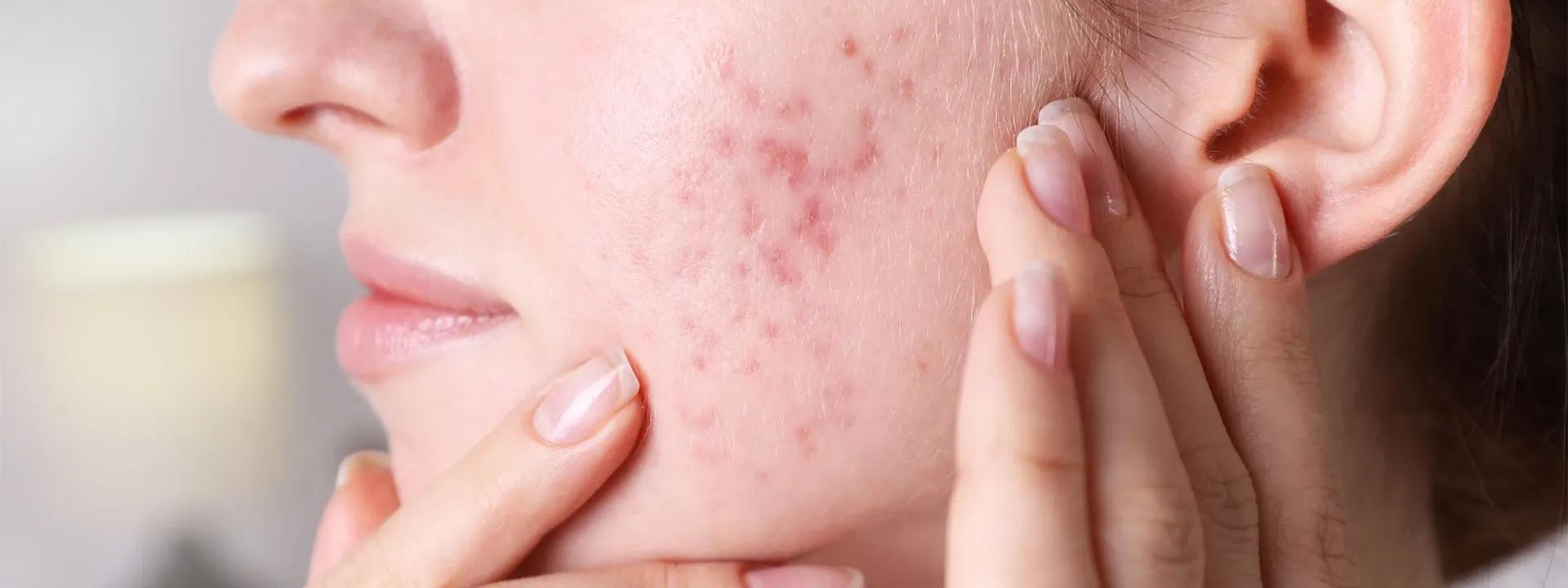
That stubborn breakout after your cousin's wedding feast. The cluster of spots that appeared three days after Diwali sweets. The persistent chin acne that seems to flare every time you indulge in your favourite mithai. If you've ever wondered whether your plate is connected to your skin, you're asking the right questions. Acne and diet have a complex relationship, especially for Indian skin types that face unique challenges with inflammation and post-acne marks.
The link between what we eat and how our skin behaves isn't just folklore—it's backed by solid science. When you consume certain foods, particularly those high in sugar or dairy, your body triggers a cascade of hormonal responses that can directly impact your skin's oil production and inflammation levels.
Here's what happens inside your body: high-glycemic foods cause your blood sugar to spike, which triggers insulin release. This insulin surge stimulates the production of insulin-like growth factor-1 (IGF-1), which in turn ramps up sebum production in your pores. More oil plus inflammation equals the perfect storm for acne formation. Research shows that whilst genetics account for about 80% of acne predisposition, environmental factors—including diet—make up the remaining 20%. That 20% can be the difference between manageable skin and persistent breakouts.
Indian skin types, with higher melanin content, tend to have more robust inflammatory responses. This means that when acne inflammation occurs, it often leaves behind darker marks that can persist for months. Traditional Indian diets, rich in rice, wheat, and dairy, can be particularly challenging for acne-prone individuals. The combination of cultural eating patterns and genetic predisposition creates a unique landscape where dietary modifications can have profound effects on skin clarity.
The short answer is yes, but it's more nuanced than you might think. A comprehensive review of 24 studies found a clear correlation between high-glycemic diets and increased acne lesions. However, not all sugars are created equal, and your skin's response depends on several factors including the type of sugar, timing of consumption, and your individual sensitivity.
Foods with a high glycemic index cause rapid spikes in blood glucose, leading to increased insulin and IGF-1 levels. This hormonal cascade stimulates androgen production, which increases sebum production and promotes the formation of comedones. White rice (glycemic index: 73), refined wheat products (75), and traditional sweets like gulab jamun (85+) are particularly problematic. The key isn't to eliminate these foods entirely but to understand their impact and consume them mindfully.
Sugar and acne typically manifest as inflammatory papules and pustules, often appearing on the lower face, jawline, and chin area. These breakouts tend to be deeper and more inflamed than other types of acne, and they usually appear 2-4 days after consuming high amounts of sugar. Unlike hormonal acne, which follows monthly cycles, sugar-induced breakouts are more directly tied to dietary choices and can occur at any time.
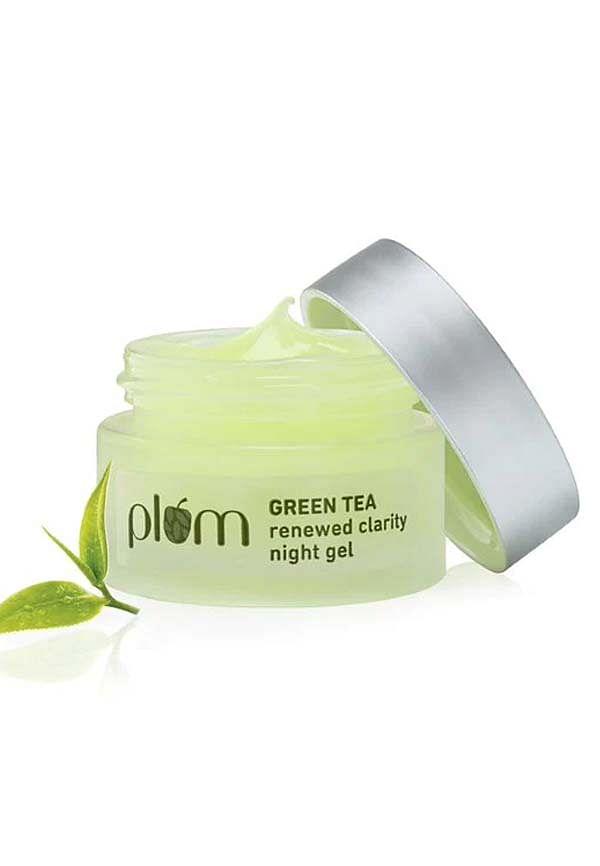
Green Tea Renewed Clarity Night Gel Hydrates Skin & Fights Acne
Very good night cream, quick absorb
 5
5“ভেরি গুড নাইট ক্রিম। কুইক অবজার্ভ।”
Very good night cream, quick absorb
5“ভেরি গুড নাইট ক্রিম। কুইক অবজার্ভ।”
Hydrating Face
4“It is also hydrating the face as well”
Understanding which foods commonly trigger breakouts can help you make informed choices without completely overhauling your cultural food preferences. The goal isn't to eliminate all traditional foods but to identify your personal triggers and find balance.
Common culprits include white rice, refined wheat products like naan and white bread, traditional sweets such as rasgulla and jalebi, and processed snacks like namkeen and biscuits. Sugary beverages, including packaged fruit juices and soft drinks, are particularly problematic because they deliver high amounts of sugar rapidly. Even seemingly healthy options like white poha (glycemic index: 77) and instant oats can trigger breakouts in sensitive individuals.
Dairy and acne have a well-documented relationship, which is particularly relevant given the prominence of dairy in Indian cuisine. Milk contains hormones and bioactive molecules that can stimulate oil production and inflammation. Paneer, full-fat milk, and traditional dairy-based sweets can be problematic for acne-prone skin. Consider plant-based alternatives like almond milk for chai or coconut milk for curries to see if your skin improves.
Creating a sustainable diet for clear skin doesn't mean abandoning your cultural food preferences. It's about making strategic swaps and timing your indulgences wisely. A well-planned approach can show results within 4-6 weeks.
Start your day with protein-rich options like moong dal chilla or vegetable poha made with flattened brown rice. For lunch, opt for brown rice or quinoa with dal and vegetables. Dinner should be lighter—perhaps roti made from mixed grains with sabzi and a small portion of lean protein. Snack on nuts, seeds, or homemade roasted chana instead of processed foods. Remember, portion control matters as much as food choice.
Indian cuisine offers abundant sources of skin-supporting nutrients. Zinc-rich foods like masoor dal, pumpkin seeds, and cashews help regulate oil production. Omega-3 sources such as walnuts, flaxseeds, and fish support anti-inflammatory processes. Traditional spices like turmeric, neem, and fenugreek have natural anti-inflammatory and antimicrobial properties that can support skin health from within.
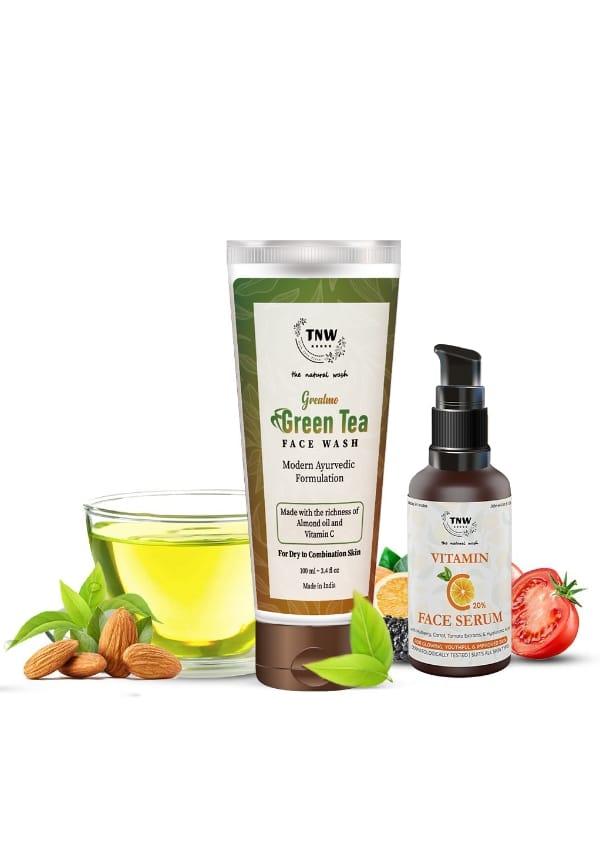
Green Tea Helps Prevent Acne and Purifies Skin with Vitamin C Serum Reduce hyperpigmentation & Dark Spots
Life happens, and sometimes you'll indulge in that extra piece of mithai or enjoy a celebratory meal. Having a damage control strategy can minimise the impact on your skin without making you feel guilty about enjoying food.
Drink plenty of water to help stabilise blood sugar levels and support your body's natural detoxification processes. Consider taking a walk or doing light exercise to help your muscles utilise the excess glucose. Adjust your skincare routine by being extra gentle with cleansing and perhaps using a clay mask the following day to help manage any increased oil production.
Gradual reduction works better than complete elimination for most people. Start by reducing portion sizes of sweets and replacing sugary drinks with water or herbal teas. Experiment with healthier versions of traditional sweets using dates, jaggery, or stevia. When attending social gatherings, eat a protein-rich snack beforehand to reduce sugar cravings and help stabilise blood sugar.
While dietary changes form the foundation, a targeted skincare routine amplifies your results. The key is choosing products that support your skin barrier while addressing acne without causing irritation that could lead to hyperpigmentation.
Use a gentle, pH-balanced cleanser twice daily to remove excess oil without stripping your skin. Look for ingredients like niacinamide, which helps regulate oil production and reduces inflammation. Incorporate products with salicylic acid or benzoyl peroxide gradually, as these can be particularly effective for sugar-induced breakouts. Always follow with a lightweight, non-comedogenic moisturiser and broad-spectrum SPF during the day to prevent post-inflammatory hyperpigmentation.
Sometimes, despite your best dietary efforts, acne persists. This could indicate hormonal imbalances, genetic predisposition, or other underlying factors. If you've maintained dietary changes for 8-12 weeks without significant improvement, consider consulting a dermatologist. Combining dietary modifications with professional treatments often yields the best results for persistent acne.
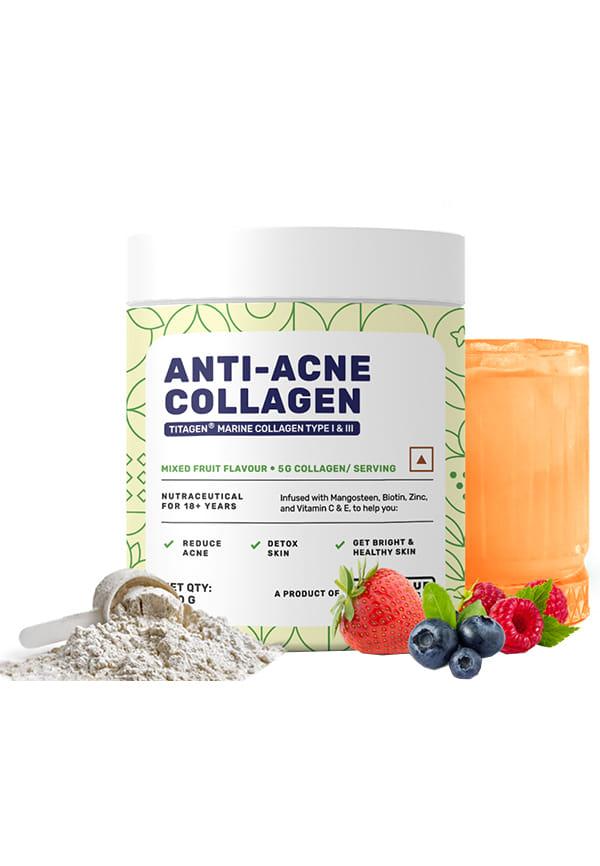
Anti Acne Collagen With Zinc, Mangosteen, & Biotin to treat adult acne - Mixed Fruit Flavour
Research indicates that acne is approximately 80% genetic and 20% environmental, with diet being a significant environmental factor. While you can't change your genetics, optimising that 20% through dietary choices can make a substantial difference in your skin's appearance and the frequency of breakouts.
Most people begin to notice improvements within 4-6 weeks of consistent dietary modifications. However, it can take up to 12 weeks to see the full benefits, as your skin needs time to complete several renewal cycles. Be patient and consistent—the results are worth the wait.
Absolutely! The key is moderation and timing. Consider enjoying sweets during festivals or special occasions rather than daily consumption. You can also experiment with healthier versions made with natural sweeteners or smaller portion sizes to satisfy cravings without triggering major breakouts.
Hormonal acne typically appears in a cyclical pattern around the jawline and chin, often coinciding with menstrual cycles. Sugar-induced acne can appear anywhere on the face and tends to be more directly correlated with dietary choices, appearing 2-4 days after high sugar consumption.
Some traditional remedies have scientific backing. Turmeric has anti-inflammatory properties, neem has antimicrobial effects, and fenugreek can help with oil control. However, these should complement, not replace, a proper skincare routine and dietary modifications.
Not necessarily. Try reducing dairy consumption for 4-6 weeks to see if your skin improves. If it does, you can gradually reintroduce small amounts to find your tolerance level. Some people can handle fermented dairy like yoghurt better than milk or cheese.
Understanding how diet and sugar intake affect acne on Indian skin empowers you to make informed choices that support clearer skin. The relationship between food and breakouts is real and scientifically proven, but it's also highly individual. What triggers breakouts in one person might not affect another, so paying attention to your skin's responses is crucial.
Remember that sustainable changes work better than drastic restrictions. Focus on incorporating more low-glycemic foods, reducing processed sugars, and supporting your dietary efforts with a consistent skincare routine. Your skin will thank you for the patience and care you invest in understanding its unique needs.
If you're looking to experiment with new skincare products that complement your dietary changes, platforms like Smytten offer a smart way to discover what works for your skin. With curated options from trusted brands and the ability to try products before committing to full sizes, you can build an effective routine that supports your journey to clearer skin.
