Hyperpigmentation on Indian Skin: Your Questions Answered

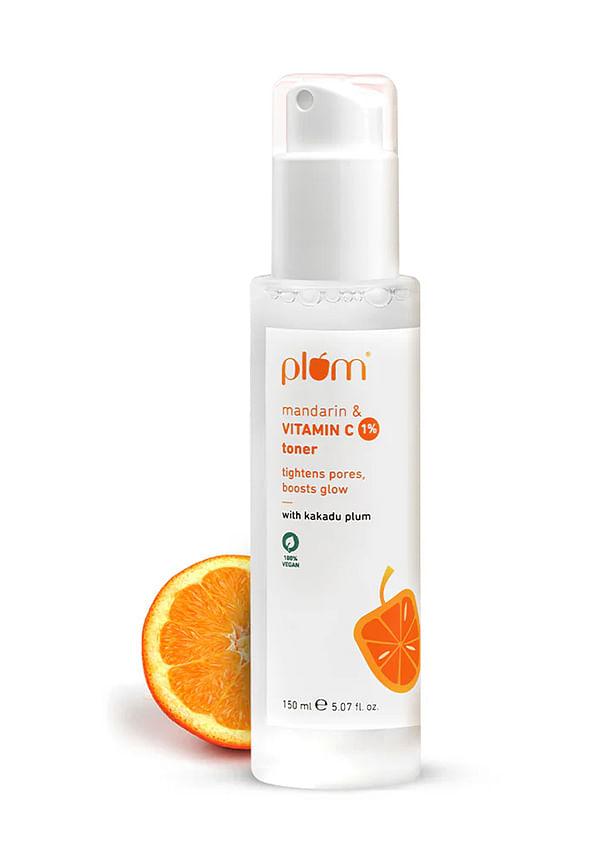
1% Vitamin C Toner with Mandarin & Kakadu | Reduces Dark Spots
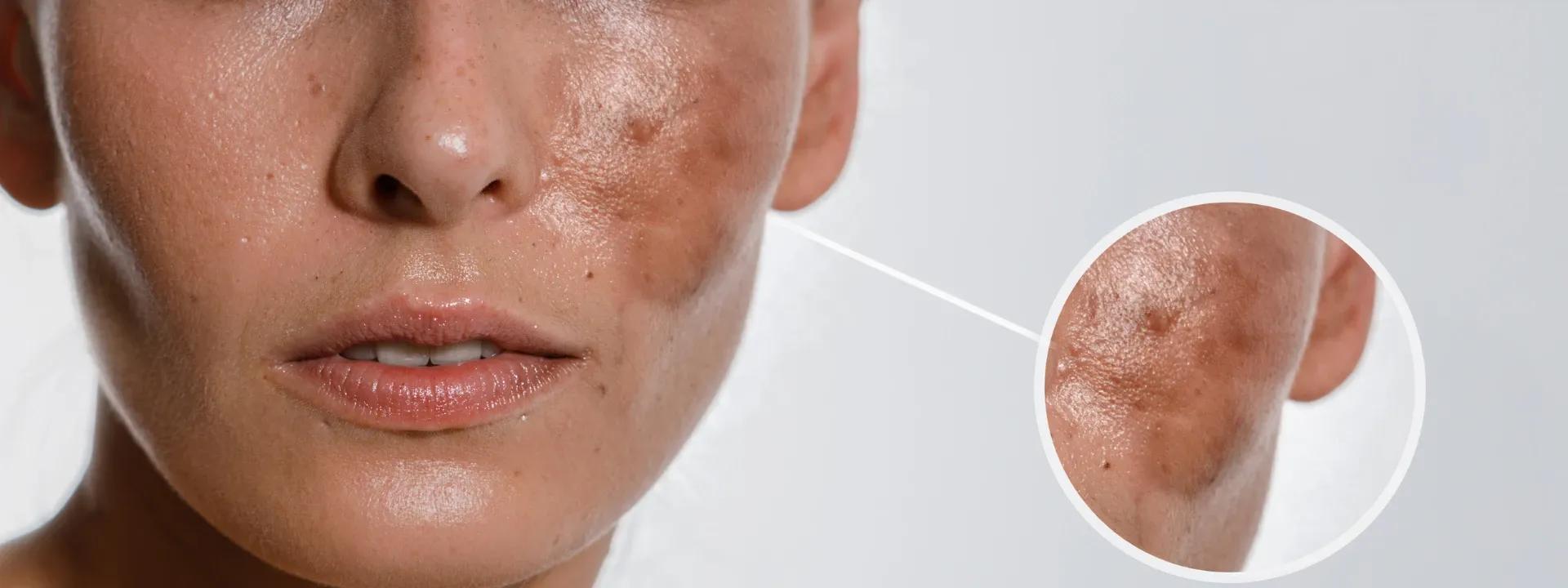
You've noticed those stubborn dark patches that seem to appear out of nowhere and refuse to budge. Whether it's the melasma that showed up during pregnancy, the acne marks that linger months after a breakout, or those mysterious spots around your mouth, hyperpigmentation on Indian skin can feel particularly frustrating. The truth is, our melanin-rich skin responds differently to certain ingredients and treatments, and what works for lighter skin tones might actually make things worse for us.
Indian skin produces melanin more readily than lighter skin tones, which is brilliant for natural sun protection but can work against us when inflammation strikes. Our skin's melanocytes are essentially on high alert, ready to pump out pigment at the first sign of irritation, sun exposure, or hormonal changes. This means that even minor skin trauma can result in lasting dark spots.
The science behind this lies in our genetic makeup. Indian skin typically contains more active melanocytes and responds more dramatically to inflammatory triggers. When your skin detects damage—whether from a pimple, a scratch, or harsh skincare—it floods the area with melanin as a protective response. Unfortunately, this protection often overstays its welcome, leaving behind those persistent dark patches we're all too familiar with.
There are several types of hyperpigmentation common in Indian skin: post-inflammatory hyperpigmentation (PIH) from acne or injuries, melasma triggered by hormones, and general sun damage. Each responds differently to treatment, which is why understanding your specific type matters when choosing ingredients and products.
Not all skincare ingredients are created equal when it comes to Indian skin. Some popular actives can actually trigger more pigmentation if used incorrectly or if your skin is particularly sensitive. Here's what to watch out for:
Glycolic acid and high-concentration salicylic acid can be particularly problematic when introduced too quickly or used in excessive amounts. While these ingredients can help with hyperpigmentation when used correctly, jumping straight into high concentrations often causes irritation that leads to more dark spots. The key is starting low and going slow—something many of us skip in our eagerness to see results.
Citrus essential oils like bergamot, lemon, and lime contain compounds that make your skin photosensitive. This means even minimal sun exposure after using these ingredients can trigger significant darkening. Many traditional DIY remedies and some commercial products contain these oils, making them particularly sneaky culprits in hyperpigmentation.
While tretinoin and other retinoids are excellent for treating hyperpigmentation long-term, the initial purging and irritation phase can temporarily worsen dark spots. This is normal and usually resolves within 6-12 weeks, but it's worth knowing about to avoid panic-switching products too early.
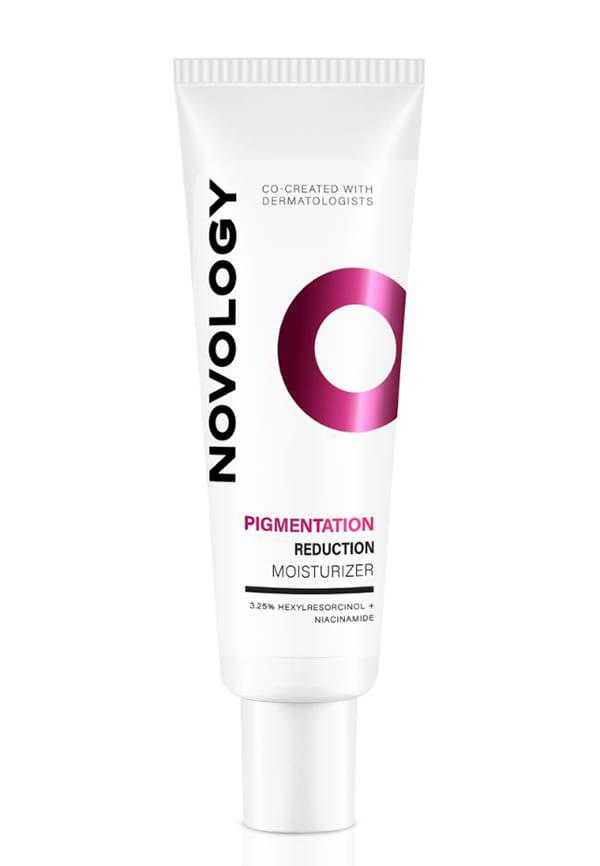
Pigmentation Moisturiser, Face Cream for Hyperpigmentation & Dark Spots
Though effective for many, hydroquinone can cause ochronosis—a paradoxical darkening—in some people with darker skin tones, especially with long-term use. This is why many dermatologists now prefer alternatives like azelaic acid or tranexamic acid for Indian skin.
These kitchen ingredients are popular in home remedies but can be disastrous for hyperpigmentation. Lemon juice makes your skin photosensitive, whilst baking soda's high pH disrupts your skin barrier, leading to inflammation and subsequent darkening. Raw turmeric can also temporarily stain the skin yellow.
Toners and cleansers with high alcohol content strip your skin's natural barrier, leading to chronic low-level inflammation. This constant irritation can trigger melanin production, especially in areas that are already prone to pigmentation.
Understanding the root causes of hyperpigmentation in Indian skin goes beyond just ingredients. Hormonal fluctuations play a massive role—pregnancy, PCOS, and thyroid disorders can all trigger melasma. Many women notice their first patches during pregnancy or when starting hormonal contraception.
Sun exposure remains the biggest culprit, but it's not just about beach days. The daily UV exposure from commuting, sitting near windows, or even indoor lighting can gradually worsen existing pigmentation. Indian skin may have natural protection, but it's not foolproof against cumulative damage.
Stress and elevated cortisol levels create a perfect storm for melasma, particularly around the mouth and cheeks. The chronic inflammation from stress hormones can trigger melanin production, which is why many people notice their pigmentation worsening during particularly stressful periods.
Post-inflammatory hyperpigmentation from acne, cuts, or even aggressive skincare treatments is incredibly common in Indian skin. Our melanocytes respond so readily to inflammation that even minor trauma can leave lasting marks.
The good news is that several ingredients work beautifully for treating hyperpigmentation on Indian skin without the risk of worsening pigmentation. Azelaic acid tops the list—it's gentle, anti-inflammatory, and specifically helps regulate melanin production without causing irritation.
Niacinamide is another superstar ingredient that not only helps fade dark spots but also strengthens your skin barrier and reduces inflammation. It's particularly effective for post-acne marks and general uneven skin tone.
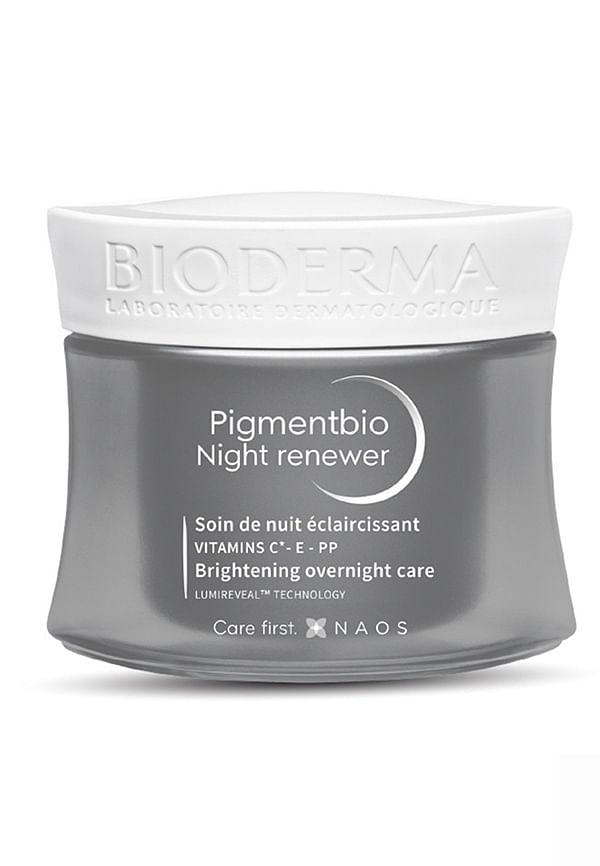
Pigmentbio Night Renewer Brightening Overnight Cream for Dark Spots, Sensitive Skin
Vitamin C in the form of L-ascorbic acid or stable derivatives like magnesium ascorbyl phosphate can help brighten skin and prevent further pigmentation. The key is choosing the right concentration and formulation for your skin's tolerance level.
Tranexamic acid has emerged as a game-changer for melasma treatment, whilst alpha arbutin offers a gentler alternative to hydroquinone. Kojic acid and licorice root extract provide natural brightening benefits with minimal risk of irritation.
Preventing new hyperpigmentation is often easier than treating existing spots. Daily broad-spectrum SPF 30 or higher is non-negotiable—even on cloudy days and indoors. Many people with Indian skin assume they don't need sunscreen, but UV protection is crucial for preventing pigmentation from worsening.
Gentle skincare practices matter enormously. Avoid aggressive scrubbing, picking at spots, or using multiple active ingredients simultaneously. Your skin needs time to heal and regenerate without constant irritation.
Managing stress through meditation, exercise, or other healthy outlets can help control cortisol-driven melasma. Similarly, working with healthcare providers to balance hormones can address underlying triggers.
Treating hyperpigmentation on Indian skin requires patience. Most people see initial improvements around 6-8 weeks, with significant changes becoming apparent after 3-4 months of consistent treatment. Stubborn melasma may take 6-12 months or longer to show substantial improvement.
The key is consistency rather than intensity. Gentle, daily treatment with appropriate ingredients will always outperform aggressive, sporadic approaches that risk triggering more pigmentation.
Citrus essential oils, high-concentration glycolic acid, fragranced products, and DIY lemon juice treatments are the most common culprits. These ingredients can cause photosensitivity or irritation that triggers melanin production in darker skin tones.
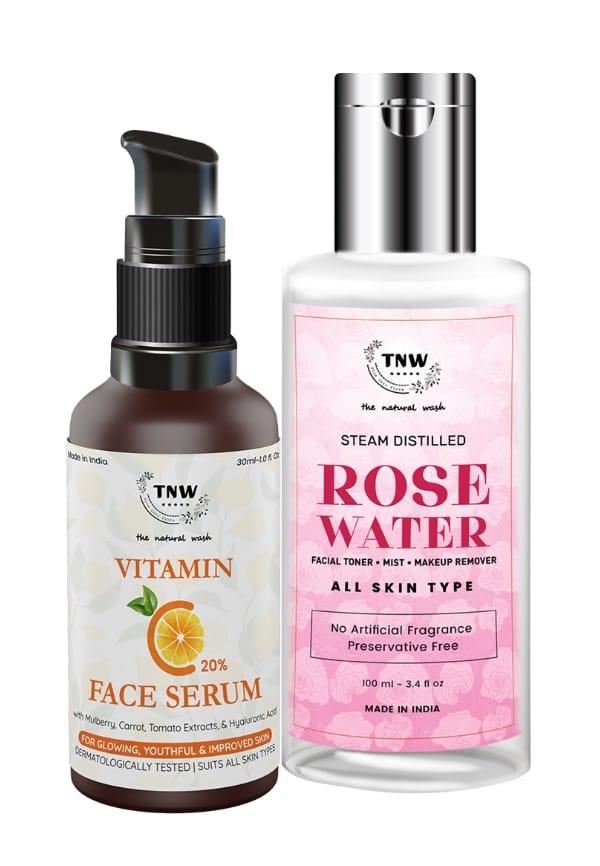
Steam Distilled Rose Water with Vitamin C Serum Reduce hyperpigmentation & Dark Spots
Indian skin has more active melanocytes that respond quickly to inflammation, hormonal changes, and UV exposure. This heightened melanin response, whilst protective against sun damage, also means that minor skin trauma can result in lasting dark spots.
Yes, elevated cortisol levels from chronic stress can trigger melasma, particularly in hormonally sensitive individuals. The inflammation caused by stress hormones can stimulate melanin production, especially around the mouth and cheek areas.
Most people notice initial improvements after 6-8 weeks of consistent treatment. Significant changes typically appear after 3-4 months, whilst stubborn melasma may require 6-12 months of dedicated treatment to show substantial improvement.
Not necessarily. Many natural ingredients like lemon juice, essential oils, and raw turmeric can actually worsen hyperpigmentation. Proven actives like niacinamide, azelaic acid, and vitamin C are often safer and more effective choices.
No, but you should introduce them gradually and choose gentler options. Lactic acid and low-concentration glycolic acid can help with hyperpigmentation when used correctly. Start with once or twice weekly application and monitor your skin's response.
Yes, hormonal contraceptives can trigger or worsen melasma in susceptible individuals. If you notice new pigmentation after starting hormonal birth control, discuss alternatives with your healthcare provider.
It's best to introduce one active ingredient at a time and allow your skin to adjust before adding others. Combining multiple actives without proper spacing can cause irritation that leads to more pigmentation.
Managing hyperpigmentation on Indian skin is absolutely achievable with the right approach and realistic expectations. The key lies in understanding which ingredients to avoid, choosing proven actives that work well with darker skin tones, and maintaining consistent, gentle skincare practices.
Remember that your skin's melanin response, whilst sometimes frustrating, is also what gives you natural protection against UV damage and premature ageing. Working with your skin's characteristics rather than against them will always yield better results.
If you're curious about trying new products but hesitant to commit to full sizes, Smytten offers trial minis from trusted brands that cater specifically to Indian skin concerns. With over 28 million users discovering products through trials, it's a smart way to test ingredients and formulations before investing in full-size products. After all, finding the right products for your unique skin shouldn't involve guesswork or expensive mistakes.
