Hyperpigmentation Indian Skin FAQ: Causes & Formation Explained

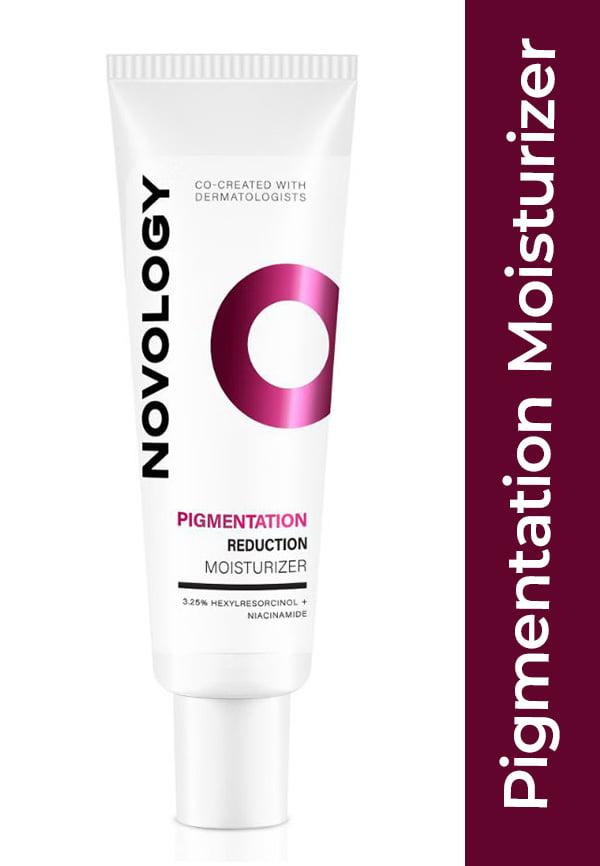
Pigmentation Moisturiser, Face Cream for Hyperpigmentation & Dark Spots
Amazing Product!
 5
5“it really works. i tried it first time and m with love this product best brand I ever used”
Great Product, Will Buy Again
5“nice product richer base repurchase product”
Great for Oily Skin
5“Excellent product for oily skin.”
Ever noticed how that one stubborn dark spot seems to have made your face its permanent home? If you're dealing with hyperpigmentation on Indian skin, you're definitely not alone. From post-acne marks that refuse to fade to those mysterious patches that appeared seemingly overnight, understanding what's actually happening beneath the surface can help you tackle these concerns more effectively. Let's dive into the science behind why Indian skin is particularly prone to pigmentation and how these dark spots actually form.
Hyperpigmentation occurs when your skin produces excess melanin - the pigment responsible for your skin colour. Think of melanin as your skin's natural defence system, but sometimes it goes into overdrive, creating those uneven patches we'd rather do without. Indian skin typically falls into Fitzpatrick skin types III to V, which means we naturally have more active melanocytes (the cells that produce melanin) compared to lighter skin tones. This isn't necessarily a bad thing - it gives us better natural protection against UV damage. However, it also means our skin tends to respond more dramatically to triggers like inflammation, hormonal changes, or sun exposure.
Our genetic makeup plays a significant role here. South Asian skin has evolved to produce melanin more readily, which historically protected our ancestors from intense sun exposure. The downside? This same protective mechanism can lead to post-inflammatory hyperpigmentation even from minor skin irritation. Research shows that Indian skin has higher tyrosinase activity - the enzyme responsible for melanin production. This means that when your skin detects a threat (whether it's a pimple, a scratch, or UV rays), it responds by ramping up melanin production more aggressively than lighter skin tones would.
When your skin encounters a trigger, it sets off a complex chain reaction. Melanocytes receive signals to start producing melanin through a process called melanogenesis. In Indian skin, this process tends to be more efficient and longer-lasting, which explains why dark spots can persist for months or even years without proper treatment. The melanin doesn't just stay put in the melanocytes either. It gets transferred to surrounding skin cells (keratinocytes), where it can accumulate and create those visible patches of discolouration we're trying to address.
Understanding what triggers hyperpigmentation is half the battle. Let's break down the main culprits that affect Indian skin specifically.
Living in India means dealing with intense UV radiation year-round. Even on cloudy days, UV rays penetrate through and trigger melanin production. The combination of high UV index and humidity creates the perfect storm for pigmentation issues. What's particularly tricky about sun-induced pigmentation is that it's cumulative. Those few minutes of unprotected sun exposure during your morning commute or lunch break add up over time. Your skin remembers every bit of UV damage, and eventually, it shows up as age spots, uneven tone, or worsening of existing pigmentation.
Hormones are major players in pigmentation, especially for women. Melasma, often called the "mask of pregnancy," affects up to 70% of pregnant women, with Indian women being particularly susceptible due to our skin's melanin-producing tendencies. Birth control pills, hormone replacement therapy, and even thyroid disorders can trigger hormonal pigmentation. The patches typically appear symmetrically on the face - think cheeks, forehead, upper lip, and nose bridge. Unlike other types of pigmentation, melasma can be particularly stubborn because it's driven by internal hormonal fluctuations rather than external factors alone.
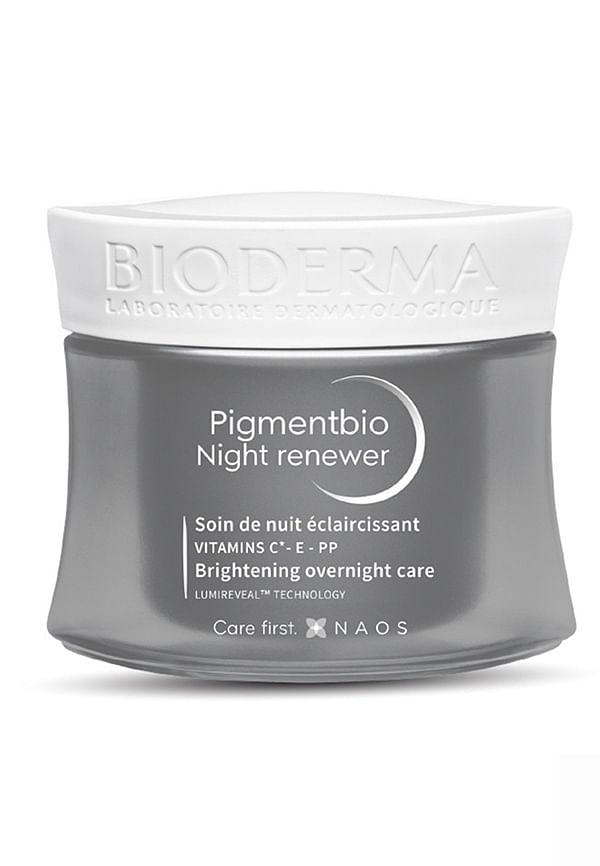
Pigmentbio Night Renewer Brightening Overnight Cream for Dark Spots, Sensitive Skin
This is probably the most common type of pigmentation Indian skin deals with. Every time your skin experiences inflammation - whether from acne, eczema, a mosquito bite, or even aggressive scrubbing - it can leave behind a dark mark. Acne-related PIH is especially frustrating because you're dealing with both active breakouts and the marks they leave behind. The inflammatory process that fights the acne also triggers excess melanin production, creating those persistent dark spots that can take months to fade naturally.
Let's get into the nitty-gritty of what's actually happening when a dark spot forms on your skin.
When your skin encounters a trigger - say, a pimple or UV exposure - it immediately goes into defence mode. Inflammatory cells rush to the area, releasing chemical messengers called cytokines. These cytokines are like alarm bells, alerting nearby melanocytes that there's a potential threat. In Indian skin, this alarm system tends to be particularly sensitive. Even minor irritation can set off a cascade of inflammatory responses that ultimately lead to increased melanin production.
Once activated, melanocytes start working overtime. The enzyme tyrosinase converts the amino acid tyrosine into melanin through a series of chemical reactions. In darker skin tones, this process is naturally more efficient, which is why pigmentation tends to be more pronounced and longer-lasting. The newly formed melanin gets packaged into tiny structures called melanosomes, which are then transferred to surrounding skin cells. This is where the visible pigmentation occurs - when these melanin-loaded cells accumulate in the upper layers of your skin.
You've probably noticed that certain areas of your face seem to develop dark spots more easily. This isn't random - areas like your cheeks, forehead, and around your mouth have higher concentrations of melanocytes, making them more susceptible to pigmentation. Friction-prone areas are also vulnerable. If you wear glasses, you might notice pigmentation where the frames rest on your nose. Similarly, areas that experience regular rubbing or pressure can develop what's called acanthosis nigricans - a darkening of the skin that's common in skin folds.
Not all pigmentation is created equal, and Indian skin has its own unique patterns and presentations.
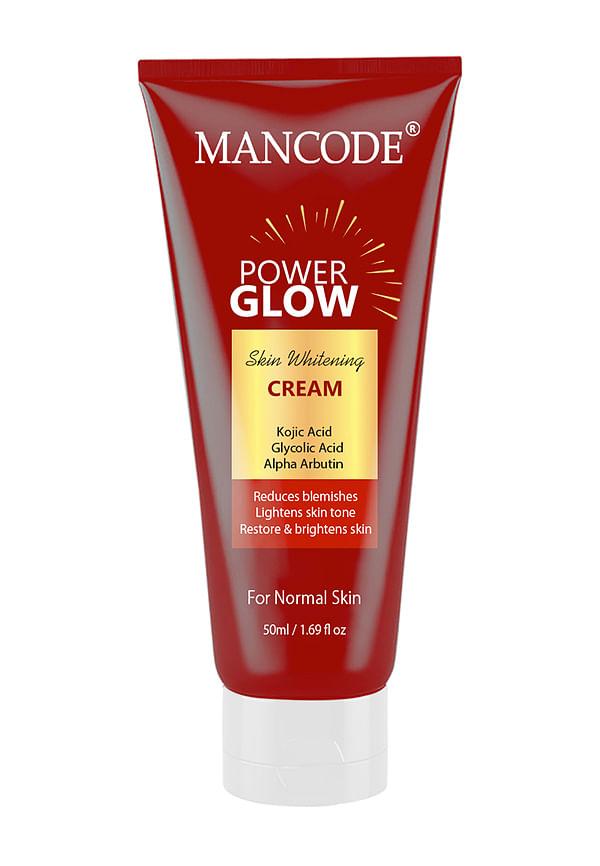
Power Glow Skin Whitening Cream Reduces Dark Spots
Melasma presents differently in Indian skin compared to lighter skin tones. The patches tend to be more defined and can appear darker due to our natural melanin production capacity. The good news is that this also means Indian skin often responds well to targeted treatments. Periorbital hyperpigmentation - those persistent dark circles - has a strong genetic component in Indian populations. While factors like lack of sleep and allergies can worsen them, the underlying tendency is often inherited. Post-acne hyperpigmentation in Indian skin can range from light brown to almost black, depending on the depth of inflammation and individual skin response. These marks typically fade over 6-12 months naturally, but targeted treatments can speed up the process significantly.
As we age, our skin's ability to repair itself slows down, and years of cumulative sun damage start showing up as solar lentigines or age spots. In Indian skin, these often appear as larger, more diffuse patches rather than the small, discrete spots common in lighter skin tones. Hormonal changes during menopause can also trigger new pigmentation or worsen existing melasma, making this a particularly challenging time for maintaining even skin tone.
Prevention is always better than treatment when it comes to pigmentation. Understanding your risk factors helps you take proactive steps.
India's pollution levels add another layer of complexity to pigmentation concerns. Particulate matter and environmental toxins can increase oxidative stress in your skin, triggering inflammatory responses that lead to pigmentation. Heat and humidity also play a role. When your skin is constantly dealing with sweat and heat, it's more prone to inflammation and subsequent pigmentation. This is why many people notice their pigmentation worsening during summer months.
The foundation of pigmentation prevention is consistent SPF use. Look for broad-spectrum sunscreens with at least SPF 30, and don't forget to reapply every 2-3 hours, especially if you're outdoors. Gentle skincare is crucial for Indian skin. Over-exfoliating or using harsh products can trigger the very inflammation you're trying to avoid. Stick to mild cleansers and introduce active ingredients gradually. Incorporating antioxidants like vitamin C into your routine can help neutralise free radicals before they trigger pigmentation. Niacinamide is another excellent preventive ingredient that helps regulate melanin production while strengthening your skin barrier.
When prevention isn't enough, targeted treatments can help fade existing pigmentation and prevent new spots from forming.
Hydroquinone has long been considered the gold standard for pigmentation treatment, but it's not suitable for everyone, especially with long-term use. Alternatives like kojic acid, arbutin, and azelaic acid can be gentler options for sensitive Indian skin. Vitamin C works by inhibiting tyrosinase activity and providing antioxidant protection. L-ascorbic acid is the most potent form, but magnesium ascorbyl phosphate might be better tolerated if you have sensitive skin. Retinoids accelerate cell turnover, helping to push pigmented cells to the surface where they can be shed naturally. Start with lower concentrations and gradually increase to avoid irritation that could worsen pigmentation.
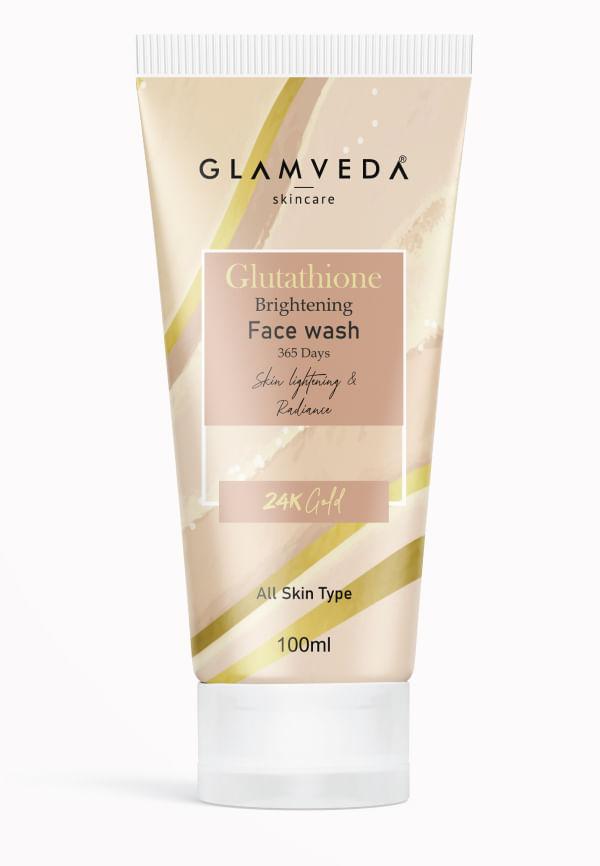
Glutathione 24 k Gold Face Wash Reduce Dark spots & Pigmentation, Lightens skin Complexion
Good Face Wash, Must Buy
4“good face wash must buy very nice”
Mixed Review: Good Texture, Not for My Skin
4“good texture , quality and quantity but it's not good for my skin”
Anticipating results
4“Glutathione 24 k Gold Face Wash, waiting for result”
Chemical peels can be highly effective for Indian skin when performed by experienced professionals. Glycolic acid and lactic acid peels are generally well-tolerated, while deeper peels require careful consideration to avoid post-inflammatory hyperpigmentation. Laser treatments have become more sophisticated, with newer technologies specifically designed for darker skin tones. However, it's crucial to choose a dermatologist experienced in treating Indian skin, as improper laser treatment can actually worsen pigmentation.
While significant improvement is definitely possible, complete "cure" depends on the type and cause of pigmentation. Hormonal pigmentation like melasma may require ongoing management, while post-acne marks often fade completely with proper treatment. The key is setting realistic expectations and maintaining consistent skincare habits.
Most people start seeing improvements within 6-8 weeks of consistent treatment, but significant results typically take 3-6 months. Indian skin's robust melanin production means it can take longer to see changes compared to lighter skin tones, but the results are often more dramatic once they appear.
Niacinamide is excellent for Indian skin as it's gentle yet effective at regulating melanin production. Vitamin C provides both treatment and prevention benefits. Alpha hydroxy acids like glycolic acid help with cellular turnover, while kojic acid offers a gentler alternative to hydroquinone.
Yes, but introduce them gradually to avoid irritation. A typical routine might include vitamin C in the morning, niacinamide twice daily, and a retinoid at night. Always use SPF during the day, as many pigmentation treatments can increase sun sensitivity.
This is normal with many treatments, especially those that increase cell turnover like retinoids or chemical exfoliants. As deeper pigmented cells come to the surface, pigmentation may temporarily appear darker before it starts to fade. This process typically lasts 2-4 weeks.
Understanding how hyperpigmentation forms in Indian skin is the first step toward effective treatment and prevention. Our skin's natural tendency to produce melanin more readily isn't a flaw - it's actually a protective feature that's served us well evolutionarily. The key is working with your skin's natural processes rather than against them. Consistent prevention through daily SPF use and gentle skincare habits will always be your best defence against new pigmentation. When treatment is needed, patience and consistency are crucial - Indian skin may take longer to show results, but the improvements are often more substantial and longer-lasting. If you're curious about trying new pigmentation-fighting ingredients but hesitant to commit to full-size products, platforms like Smytten offer a smart way to test formulations from trusted brands before investing in the complete routine. With access to minis from over 2,400 brands and the ability to earn cashback on your discoveries, you can explore what works for your unique skin without the guesswork. Remember, your skin's pigmentation journey is uniquely yours. What works for your friend might not work for you, and that's perfectly normal. The goal isn't perfect skin - it's healthy, comfortable skin that makes you feel confident in your own complexion.
