Hyperpigmentation FAQ: Causes, Types, and Treatments
-45f56c94-a0a8-4b59-bd57-51f09c4c33c8.webp&w=3840&q=75)

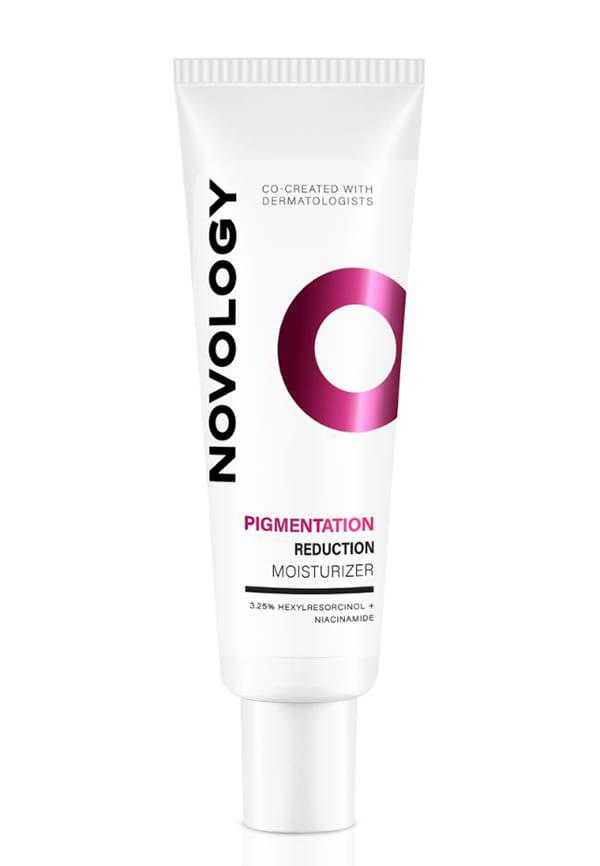
Pigmentation Moisturiser, Face Cream for Hyperpigmentation & Dark Spots
Staring at those stubborn dark patches in the mirror and wondering what's behind them? You're not alone. Hyperpigmentation affects millions of people worldwide, leaving many confused about what causes these frustrating spots to appear seemingly out of nowhere. Whether it's the aftermath of a particularly aggressive breakout, mysterious patches that showed up during pregnancy, or those pesky sun spots that seem to multiply each summer, understanding hyperpigmentation what causes it is the first step towards clearer, more even-toned skin. The good news? Once you know what triggers these dark spots, you can take targeted action to prevent new ones and address existing pigmentation. From hormonal fluctuations to sun damage, the causes are more varied than you might think. That's where platforms like Smytten come in handy—offering trial-sized skincare products that let you test different treatments without committing to full-size bottles, making your journey to even skin tone both affordable and effective.
Hyperpigmentation occurs when melanocytes produce excess melanin due to triggers like sun exposure, hormonal changes, inflammation, or medical conditions
The four main types include sun spots, melasma, post-inflammatory hyperpigmentation (PIH), and drug-induced pigmentation
Sun exposure remains the leading cause, but hormonal fluctuations and skin trauma are equally significant triggers
Prevention through daily SPF and gentle skincare is more effective than treating existing pigmentation
Understanding your specific type of hyperpigmentation helps determine the most effective treatment approach
Hyperpigmentation is essentially your skin's overenthusiastic response to various triggers, resulting in patches that are darker than your natural skin tone. At its core, this happens when melanocytes—the cells responsible for producing melanin (your skin's natural pigment)—go into overdrive and create more pigment than needed.
Think of melanocytes as tiny factories scattered throughout your skin. Under normal circumstances, they produce just enough melanin to give you your natural skin colour and provide some protection against UV damage. However, when these cells receive certain signals—whether from sun exposure, hormonal changes, or inflammation—they can start producing melanin excessively, leading to those frustrating dark spots and uneven patches.
Understanding what triggers hyperpigmentation is crucial for both prevention and treatment. Let's break down the primary culprits behind those stubborn dark spots that seem to appear when you least expect them.
UV radiation tops the list of hyperpigmentation causes, and for good reason. When your skin detects UV damage, it responds by producing more melanin as a protective mechanism. Unfortunately, this protection often comes in the form of uneven patches rather than a nice, even tan.
The cumulative effect of sun exposure means that damage from years ago can suddenly manifest as age spots or sun spots, particularly on areas that receive the most exposure—your face, hands, shoulders, and chest. Even brief, intense exposure during holidays or outdoor activities can trigger melanocyte activity that results in pigmentation weeks later.
Hormonal fluctuations, particularly involving oestrogen and progesterone, can trigger a specific type of hyperpigmentation called melasma. This condition is so closely linked to pregnancy that it's often called the "pregnancy mask," appearing as symmetrical patches across the cheeks, forehead, and upper lip.
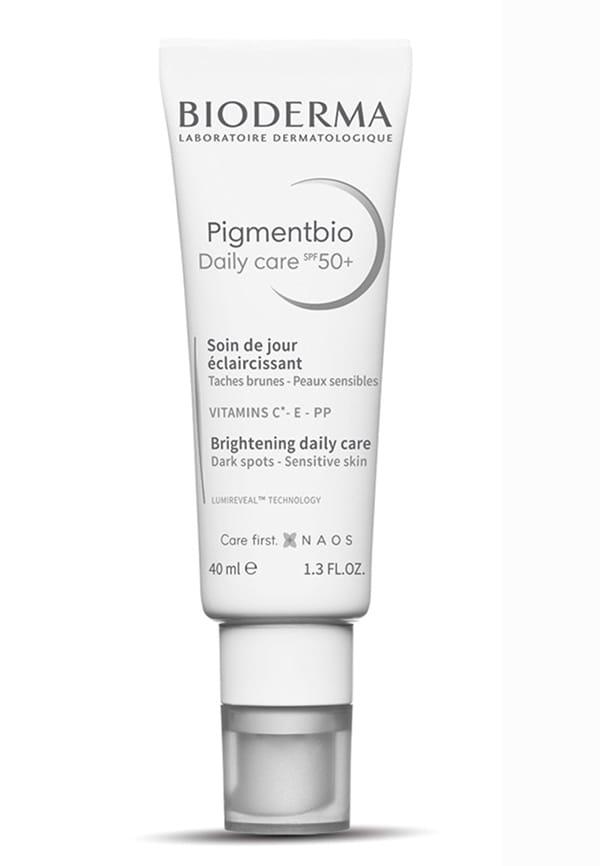
Pigmentbio Daily Care SPF 50+ Brightening Cream for Dark Spots & Senstive Skin
Birth control pills, hormone replacement therapy, and even natural hormonal cycles can trigger melasma. The condition tends to worsen with sun exposure, making it a double challenge for many women who notice their pigmentation darkening during summer months.
Any trauma to your skin—whether from acne, cuts, burns, or even aggressive skincare treatments—can trigger post-inflammatory hyperpigmentation. This is your skin's way of healing, but the excess melanin produced during the healing process can leave behind dark marks long after the original injury has healed.
PIH is particularly common in people with darker skin tones, as their melanocytes are naturally more active. Even minor irritation from harsh scrubs or picking at spots can result in dark marks that persist for months.
Certain medical conditions and medications can trigger skin discoloration factors that lead to hyperpigmentation. Addison's disease, for instance, can cause widespread darkening of the skin, whilst some antibiotics, antimalarials, and chemotherapy drugs can cause drug-induced pigmentation.
Autoimmune conditions, thyroid disorders, and even nutritional deficiencies can sometimes manifest as changes in skin pigmentation, making it important to consider underlying health factors when addressing persistent dark spots.
Not all dark spots are created equal, and identifying the specific type of hyperpigmentation you're dealing with is crucial for choosing the right treatment approach. Each type has distinct characteristics that can help you understand what's happening with your skin.
Age spots or solar lentigines typically appear as small, well-defined brown spots on sun-exposed areas. They're usually uniform in colour and have clear borders. Melasma, on the other hand, appears as larger, irregularly shaped patches with a more diffuse border, often appearing symmetrically on both sides of the face.
Post-inflammatory hyperpigmentation usually correlates with areas where you've had acne, injuries, or skin irritation. These spots can range from pink to deep brown or even black, depending on your skin tone and the severity of the original inflammation. If you notice any spots that are changing in size, shape, or colour, or if they're raised or bleeding, it's important to consult a dermatologist to rule out more serious conditions.
Several factors can make you more susceptible to developing hyperpigmentation, and understanding these can help you take preventive measures. Genetics plays a significant role—if your parents or siblings struggle with dark spots, you're more likely to develop them too.
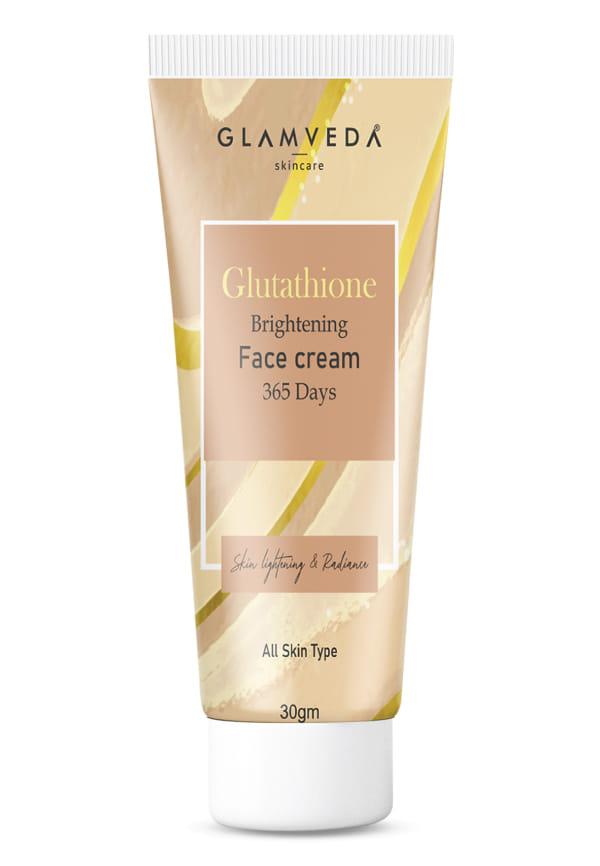
Glutathione Brightening Face Cream Reduce Dark spots & Age spots with Vitamin C
Your natural skin tone also influences your risk. People with darker skin tones have more active melanocytes, making them more prone to post-inflammatory hyperpigmentation but somewhat more protected against sun-induced damage. Conversely, those with lighter skin are more susceptible to sun spots and age-related pigmentation.
Age is another factor, as our skin's ability to repair itself and maintain even pigmentation decreases over time. Lifestyle factors such as frequent sun exposure without protection, hormonal contraceptive use, and even stress levels can all contribute to uneven skin tone causes. Environmental factors like pollution and certain skincare ingredients can also trigger pigmentation in sensitive individuals.
Prevention truly is better than cure when it comes to hyperpigmentation. The most crucial step is consistent sun protection—and we mean every single day, not just when you're planning to spend time outdoors. UV rays can penetrate windows and reflect off surfaces, meaning you're exposed even during your daily commute or whilst sitting by a window.
Choose a broad-spectrum SPF of at least 30 and reapply every two hours when you're outdoors. Don't forget often-missed areas like your ears, neck, and the backs of your hands. Physical barriers like wide-brimmed hats and UV-protective clothing provide additional protection, especially during peak sun hours.
Gentle skincare practices are equally important. Avoid aggressive scrubbing, picking at spots, or using harsh treatments that can trigger inflammation. If you're dealing with acne, work with a dermatologist to find effective treatments that minimise the risk of post-inflammatory hyperpigmentation. For those prone to melasma, discuss hormonal options with your healthcare provider and be extra vigilant about sun protection during pregnancy or when starting new hormonal treatments.
Once hyperpigmentation has developed, several treatment options can help fade existing dark spots and prevent new ones from forming. Topical treatments containing ingredients like hydroquinone, tretinoin, kojic acid, arbutin, and vitamin C can help inhibit melanin production and encourage cell turnover.
Professional treatments such as chemical peels, microdermabrasion, laser therapy, and intense pulsed light (IPL) can provide more dramatic results but require careful consideration of your skin type and the specific type of pigmentation you're treating. These treatments work by either removing the pigmented skin layers or targeting melanin directly.
It's important to have realistic expectations about treatment timelines. Most topical treatments require consistent use for 3-6 months before significant improvement is visible, and some types of hyperpigmentation, particularly melasma, can be notoriously stubborn and may require ongoing maintenance treatment.
The most effective way to prevent hyperpigmentation from worsening is consistent sun protection with broad-spectrum SPF 30 or higher, applied daily regardless of weather. Additionally, avoid picking at spots or using harsh skincare products that can trigger inflammation. If you're taking medications that increase photosensitivity, be extra diligent about sun protection. For hormonal pigmentation, work with your healthcare provider to manage hormonal fluctuations when possible.
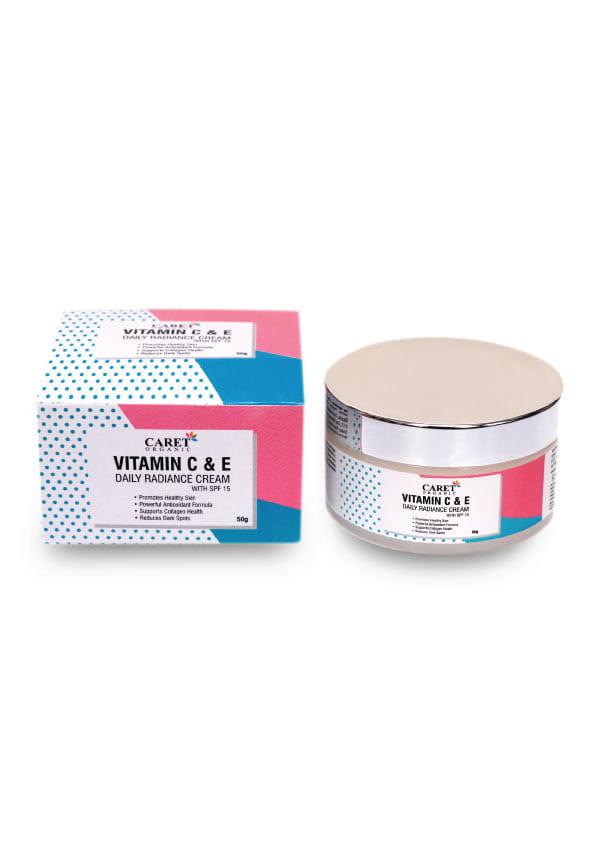
Daily Radiance Light Cream With Vitamin C, E & Spf 15 For Dark Spots & Anti- Wrinkle- No Mineral Oil , Alcohol Or Paraben
Natural skin cell turnover is the primary mechanism by which hyperpigmentation can fade on its own. As new skin cells are produced and old ones are shed, pigmented cells gradually work their way to the surface and are removed. This process typically takes 28-40 days per cycle, which is why superficial pigmentation may improve over several months, whilst deeper pigmentation can take much longer or may require treatment intervention.
Most types of hyperpigmentation are not permanent, though some are more stubborn than others. Post-inflammatory hyperpigmentation often fades on its own over 6-12 months, whilst sun spots and age spots may persist without treatment. Melasma can be particularly challenging and may require ongoing management. The depth of the pigmentation, your skin type, and continued exposure to triggers all influence how long dark spots persist.
Absolutely! Smytten's trial pack system is perfect for testing different hyperpigmentation treatments without committing to full-size products. You can try various serums, creams, and treatments from trusted brands to see what works best for your specific type of pigmentation. This approach is particularly valuable since hyperpigmentation treatments often require several weeks of consistent use to show results, and what works for one person may not work for another.
Most topical treatments require 6-12 weeks of consistent use before you'll notice significant improvement, with optimal results often taking 3-6 months. Professional treatments may show faster initial results, but multiple sessions are usually needed. It's crucial to maintain realistic expectations and continue sun protection throughout treatment, as new pigmentation can develop even whilst treating existing spots.
Some natural ingredients like vitamin C, liquorice root extract, and kojic acid (derived from fungi) have scientific backing for their pigmentation-fighting properties. However, natural doesn't always mean gentle, and some home remedies like lemon juice can actually worsen pigmentation by causing photosensitivity. Evidence-based natural approaches combined with proper sun protection can be helpful, but they typically work more slowly than clinical treatments.
Understanding hyperpigmentation what causes it empowers you to take control of your skin's health and appearance. The four main triggers—sun exposure, hormonal changes, inflammation, and certain medical conditions—each require different prevention and treatment strategies. Sun protection remains your most powerful tool for preventing new pigmentation and stopping existing spots from darkening.
Remember that hyperpigmentation is incredibly common and, in most cases, purely cosmetic. However, identifying the specific type you're dealing with helps determine the most effective treatment approach. Whether you're dealing with post-acne marks, pregnancy-related melasma, or sun-induced age spots, consistent care and patience are key to seeing improvement.
Most importantly, don't expect overnight results. Effective hyperpigmentation treatment is a marathon, not a sprint, requiring consistent daily care and realistic expectations about timelines.
Navigating the world of hyperpigmentation treatments can feel overwhelming, especially when you're not sure which products will work for your specific concerns. This is where Smytten's approach to product discovery becomes invaluable. As India's largest product discovery and trial platform, Smytten connects you with over 2,400 trusted brands including skincare specialists like Dot & Key, WishCare, and Cetaphil. Rather than investing in full-size products that might not suit your skin, you can explore curated trial packs that let you test different hyperpigmentation treatments affordably. With up to 10 trial points for just ₹279 and 100% cashback on these minis, you can experiment with various serums, treatments, and preventive products without the financial risk. The platform's extensive reach across 90% pin code coverage means that whether you're in a tier 1 city or smaller town, you can access the same quality products and make informed decisions about your skincare routine. After all, when it comes to treating hyperpigmentation, why settle for guesswork when you can try it all and find what truly works for your unique skin needs?
