Hyaluronic Acid vs Glycerin FAQ: Your Skin Hydration Questions Answered

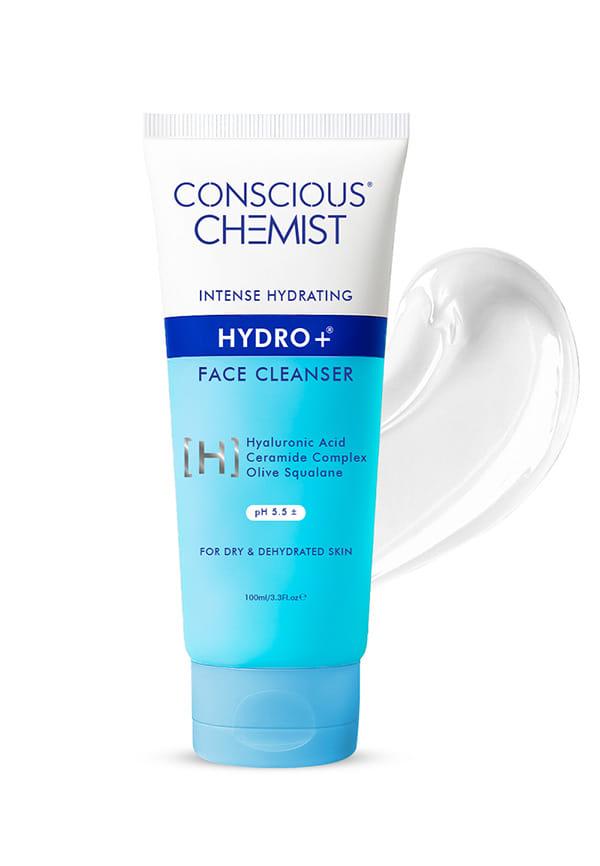
Gentle Hydrating Cleanser For Dry Skin with Hyaluronic Acid and Ceramides
Loved the Fresh, Hydrating Feel
 4
4“my skin loved it , feels fresh and hydrating”
Loved the Fresh, Hydrating Feel
4“my skin loved it , feels fresh and hydrating”
Good cleansing and hydrating
4“Good cleansing and hydrates after wash”
When it comes to skin hydration, two ingredients dominate the conversation: hyaluronic acid and glycerin. Both are powerhouse humectants that promise to quench your skin's thirst, but they work in distinctly different ways. If you've ever wondered whether that plumping serum or moisturising cream would suit your skin better, you're not alone. The hyaluronic acid vs glycerin debate has left many skincare enthusiasts scratching their heads, trying to decode which ingredient deserves a permanent spot in their routine.
Understanding the difference between these two moisturising agents isn't just about following trends—it's about making informed choices for your unique skin needs. Whether you're dealing with post-AC dryness, seeking that coveted dewy glow, or simply trying to build a more effective hydration routine, knowing how these ingredients behave can transform your skincare game. With platforms like Smytten offering trial-sized versions of products containing these ingredients, you can actually test what works for your skin before committing to full-sized purchases. Let's dive into the science, benefits, and practical applications of both hyaluronic acid and glycerin to help you make the right choice for your skin.
TL;DR
Molecular difference: Glycerin has smaller molecules that penetrate deeper, while hyaluronic acid creates surface-level hydration with larger molecules
Skin type suitability: Hyaluronic acid works brilliantly for oily and sensitive skin, whilst glycerin excels for dry and mature skin types
Environmental factors: Glycerin performs consistently across climates, but hyaluronic acid may struggle in very dry conditions
Best approach: Many effective formulations combine both ingredients for comprehensive hydration at multiple skin levels
Trial before commitment: Both ingredients work differently for everyone—testing mini versions helps identify your skin's preference
Humectants are the unsung heroes of skincare, working tirelessly to attract and bind moisture to your skin. Think of them as tiny moisture magnets that pull water from the environment and deeper skin layers, then lock it in place where your skin needs it most. This process is crucial for maintaining your skin's barrier function and that healthy, plump appearance we all crave.
The magic happens through a process called hygroscopy—these ingredients literally grab water molecules from the air around you. But here's where it gets interesting: not all humectants work the same way. Some excel at surface hydration, creating an immediate plumping effect, whilst others penetrate deeper to provide long-lasting moisture from within.
Hyaluronic acid is naturally found in your skin, joints, and eyes, where it acts as a cushioning and lubricating agent. Its molecular structure varies dramatically—from high molecular weight versions that sit on the skin's surface to low molecular weight forms that can penetrate deeper. The star quality? It can hold up to 1,000 times its weight in water, making it an incredibly efficient moisture reservoir.
Glycerin, also known as glycerol, is a simple sugar alcohol with a much smaller molecular structure than hyaluronic acid. This size advantage allows it to slip between skin cells more easily, reaching deeper layers where it can strengthen your skin's natural barrier. It's naturally derived from plant oils or can be synthetically produced, both forms offering excellent humectant properties.
The fundamental difference between these two powerhouse ingredients lies in their molecular behaviour and where they deliver their hydrating benefits. Understanding these distinctions helps explain why your skin might prefer one over the other, or why combining both could be your secret weapon.
Let's break down the science in practical terms that actually matter for your daily skincare routine.
Glycerin's smaller molecular weight (92 daltons) allows it to penetrate through the stratum corneum—your skin's outermost protective layer. This means it can reach deeper skin layers where it supports the skin's natural moisture-retention mechanisms. Hyaluronic acid, particularly the high molecular weight versions commonly used in skincare, typically ranges from 1,000 to 1,800 daltons, making it too large to penetrate significantly. Instead, it forms a moisture-binding film on the skin's surface.
Glycerin works as a bidirectional moisture conductor—it pulls water from the environment when humidity is above 50%, but can also draw moisture from deeper skin layers when the air is dry. Hyaluronic acid primarily creates a moisture reservoir on your skin's surface, attracting water from the atmosphere and holding it in place. This surface action provides immediate plumping effects that can temporarily smooth fine lines.
Here's where personal preference really comes into play. Glycerin can feel slightly tacky or sticky in high concentrations, especially in humid conditions. Hyaluronic acid typically provides a lightweight, non-sticky finish that layers beautifully under makeup. However, the texture experience varies significantly based on the formulation and concentration of each ingredient.
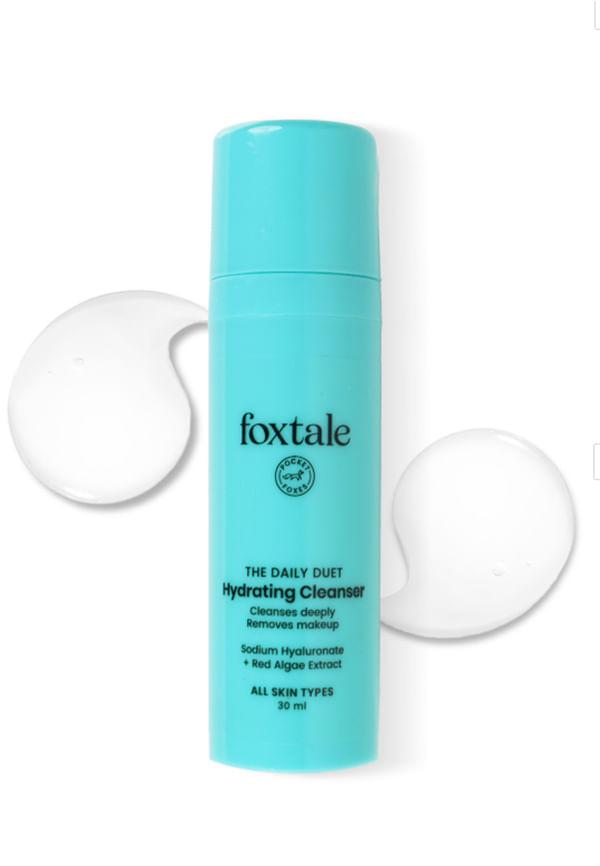
Hydrating Face Wash with Hyaluronic Acid
Good for Daily Use
5“this cleanse is good for daily use. clean soft and smooth skin.”
Good for Daily Use
5“this cleanse is good for daily use. clean soft and smooth skin.”
Good for Daily Use
5“this cleanse is good for daily use. clean soft and smooth skin.”
Both ingredients bring unique advantages to your skincare routine, but their benefits manifest differently depending on your skin type, concerns, and environmental factors. Let's explore what each ingredient does best.
Understanding these specific benefits helps you choose products that align with your skin goals, whether that's immediate plumping, long-term barrier repair, or comprehensive hydration.
The immediate plumping effect of hyaluronic acid makes it particularly valuable for addressing fine lines and creating that coveted dewy finish. Its large molecules create a moisture cushion on the skin's surface, which can temporarily fill in minor imperfections and give skin a smoother appearance. This surface hydration is especially beneficial for oily skin types who need moisture without heaviness.
Additionally, hyaluronic acid is remarkably gentle and well-tolerated by sensitive skin. Its natural occurrence in the body means it rarely triggers irritation, making it suitable for those dealing with conditions like rosacea or reactive skin.
Glycerin's ability to penetrate deeper skin layers makes it exceptional for barrier repair and long-term skin health. It supports the skin's natural moisture factor (NMF), helping to maintain hydration levels even hours after application. This deeper action is particularly beneficial for dry, mature, or compromised skin that needs structural support.
Research also suggests glycerin has mild antimicrobial properties, which can be beneficial for maintaining skin health. Its cost-effectiveness makes it accessible for daily use, and it performs consistently across different climate conditions.
The answer to this question isn't straightforward—it depends entirely on your skin's unique needs, your environment, and your skincare goals. What works brilliantly for your friend's combination skin might feel heavy or insufficient for your particular concerns.
Let's break down the considerations for different skin types to help you make an informed choice.
Hyaluronic acid typically wins for oily skin types because it provides essential hydration without adding weight or potentially clogging pores. Its surface-level action means you get the moisture benefits without the risk of overwhelming already active sebaceous glands. The lightweight texture layers well under SPF and makeup, crucial for daily wear.
Glycerin can work for oily skin, but concentration matters. In lower percentages (under 5%), it provides excellent hydration, but higher concentrations might feel too heavy or tacky for those who prefer lightweight textures.
Dry and mature skin often benefits more from glycerin's deeper penetration and barrier-supporting properties. As we age, our skin's natural moisture factor decreases, and glycerin helps replenish this crucial component. Its ability to work in various humidity levels makes it reliable for year-round use.
However, hyaluronic acid's anti-aging benefits shouldn't be overlooked. The immediate plumping effect can provide a temporary lift to fine lines, making it valuable for special occasions or when you want an instant glow.
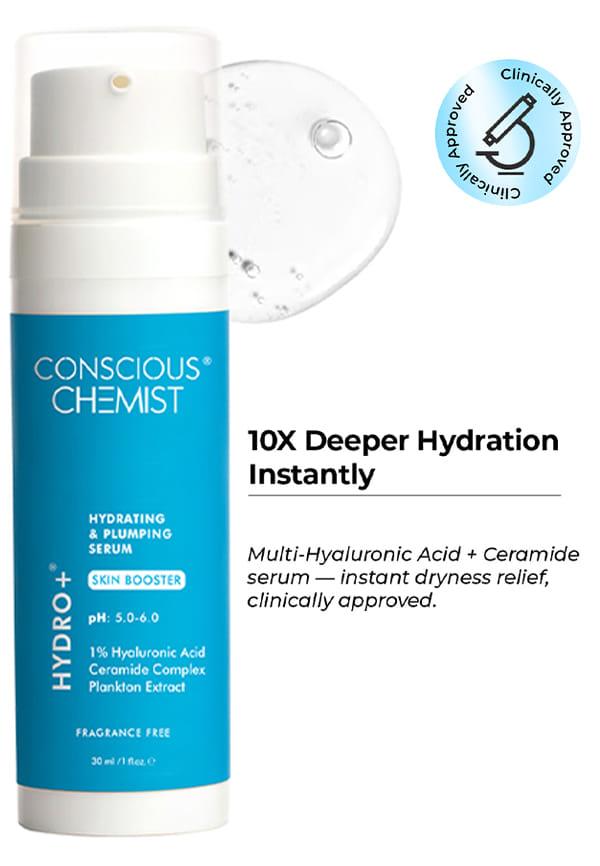
Hydro+ 1% Hyaluronic Acid Serum for Dry Skin
Wonderful Product, Must Try
5“wonderful product.. must give a try”
Good size, awaiting results
5“loved the product size. but have to wait for the results hoping so it gives nice results on my skin and suits it”
Excellent for skin
5“its too good for the skin must buy”
Both ingredients are generally well-tolerated by sensitive skin, but hyaluronic acid has a slight edge due to its natural occurrence in the body. If you're dealing with compromised barrier function or reactive skin, starting with lower concentrations of either ingredient is wise. Patch testing remains crucial, regardless of an ingredient's reputation for gentleness.
Environmental factors play a crucial role in how these humectants perform on your skin. Understanding these variables helps you adjust your routine seasonally and choose products that work consistently in your specific climate.
Real-world performance often differs from laboratory conditions, so considering your daily environment is essential for skincare success.
In humid conditions (above 50% humidity), both ingredients perform excellently, drawing moisture from the air to hydrate your skin. However, in dry climates or air-conditioned environments, hyaluronic acid might actually draw moisture from deeper skin layers if there's insufficient environmental humidity, potentially leading to increased dryness.
Glycerin performs more consistently across different humidity levels because it can work bidirectionally and supports the skin's natural moisture retention mechanisms. This makes it particularly valuable for those living in dry climates or spending significant time in climate-controlled environments.
For daily use, glycerin often provides more consistent results because it supports your skin's natural hydration processes rather than relying solely on environmental moisture. Long-term use can improve skin barrier function and overall moisture retention capacity.
Hyaluronic acid provides more immediate, visible results but may require consistent environmental support (adequate humidity or occlusive ingredients) to maintain its benefits throughout the day.
Proper application technique can significantly impact how well these ingredients perform for your skin. Understanding the best practices for each helps you maximise their benefits and avoid common pitfalls that can actually worsen dryness.
The key lies in understanding when and how to apply these ingredients for optimal absorption and effectiveness.
Apply hyaluronic acid to slightly damp skin—this provides the moisture it needs to bind to. Follow with a moisturiser or facial oil to seal in the hydration. For glycerin-containing products, application to clean, dry skin typically works best, as the ingredient can penetrate effectively on its own.
Concentration matters significantly. Look for hyaluronic acid in concentrations of 0.1-2%, whilst glycerin works well in ranges from 1-10%, depending on your skin type and the product formulation.
Absolutely! Many effective formulations combine both ingredients to provide comprehensive hydration at multiple skin levels. When layering separate products, apply hyaluronic acid first (on damp skin), followed by glycerin-containing products, then seal with an occlusive moisturiser.
This combination approach can be particularly effective for those with combination skin or varying seasonal needs.
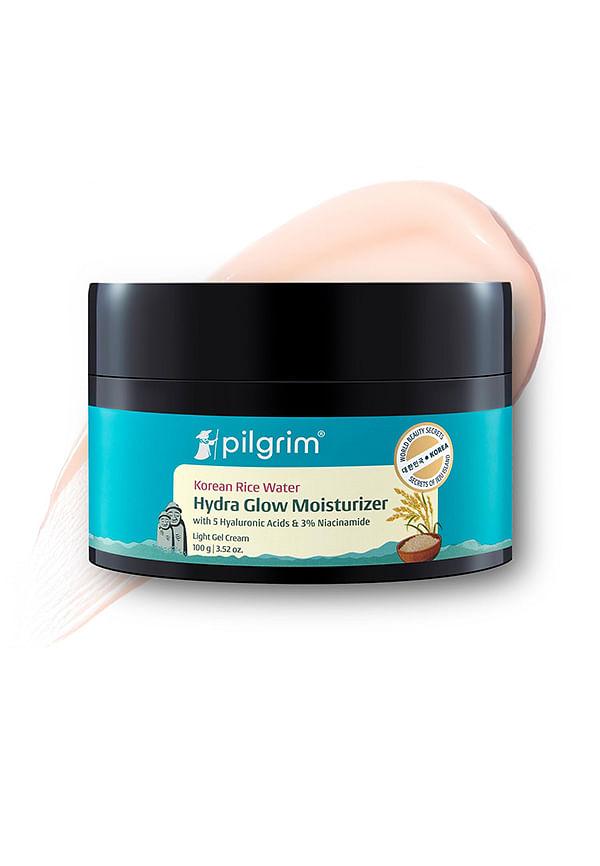
Korean Rice Water Hydra Glow Moisturizer
Good for Oily Skin
5“Very good for oily skin atleast mine and will recommend this to my friend love this product ❤️❤️❤️”
Non-Sticky Product
5“too much liked it, non sticky,”
Lightweight and Hydrating Moisturizer
5“this moisturizer is very light weight and hydrated”
The biggest mistake with hyaluronic acid is applying it to completely dry skin in a dry environment—this can actually increase moisture loss. With glycerin, using too high a concentration can lead to stickiness and potential irritation. Always introduce new ingredients gradually and pay attention to how your skin responds in different conditions.
Product | Skin Type | Key Concern | Price Range | Key Ingredients |
|---|---|---|---|---|
The Ordinary Hyaluronic Acid 2% + B5 | All skin types | Dehydration, fine lines | Budget-friendly | Multiple molecular weights of HA, Vitamin B5 |
Cetaphil Daily Facial Moisturiser | Dry, sensitive | Barrier repair, daily hydration | Budget-friendly | Glycerin, dimethicone, glyceryl stearate |
Neutrogena Hydro Boost Water Gel | Oily, combination | Lightweight hydration | Mid-range | Hyaluronic acid, glycerin, dimethicone |
Plum Green Tea Renewed Clarity Night Gel | Oily, acne-prone | Hydration without heaviness | Mid-range | Hyaluronic acid, green tea, niacinamide |
Bioderma Atoderm Intensive Baume | Very dry, atopic | Severe dryness, barrier repair | Premium | Glycerin, niacinamide, lipigenium complex |
No, they're completely different ingredients with distinct molecular structures and mechanisms of action. Hyaluronic acid is a large molecule that primarily works on the skin's surface, whilst glycerin is a smaller molecule that can penetrate deeper into skin layers. The confusion often arises because both are humectants that attract moisture, but they achieve hydration through different pathways.
The answer depends on your skin type, concerns, and environment. Hyaluronic acid typically works better for oily, sensitive, or acne-prone skin due to its lightweight texture and surface-level hydration. Glycerin often suits dry, mature, or barrier-compromised skin better because of its deeper penetration and barrier-supporting properties. Consider trying mini versions through platforms like Smytten to test which ingredient your skin prefers before investing in full-sized products.
Yes, glycerin is generally safe for daily use and is found in many everyday skincare products. However, concentration matters—products with 1-5% glycerin are typically well-tolerated for daily use, whilst higher concentrations might cause stickiness or irritation for some skin types. Always patch test new products and start with lower frequencies if you have sensitive skin.
Glycerin performs more consistently in dry climates because it can draw moisture from deeper skin layers and support natural barrier function. Hyaluronic acid may struggle in very dry conditions (below 50% humidity) unless paired with occlusive ingredients or applied to damp skin. In dry climates, consider using hyaluronic acid under a glycerin-containing moisturiser for optimal results.
High molecular weight hyaluronic acid (1,000+ daltons) sits on the skin's surface, providing immediate plumping and moisture retention. Low molecular weight versions (under 1,000 daltons) can penetrate slightly deeper, offering more sustained hydration. Many effective serums combine multiple molecular weights for comprehensive hydration at different skin levels.
Absolutely! Many skincare enthusiasts and formulators combine these ingredients for comprehensive hydration. Apply hyaluronic acid first (preferably to damp skin), followed by glycerin-containing products, then seal with a moisturiser. This layering approach can provide both immediate surface hydration and deeper, longer-lasting moisture support.
The hyaluronic acid vs glycerin debate isn't about finding a definitive winner—it's about understanding which ingredient aligns better with your skin's unique needs and circumstances. Hyaluronic acid excels at providing immediate, surface-level hydration that's perfect for oily, sensitive, or acne-prone skin types. Its lightweight texture and plumping effects make it ideal for those seeking instant gratification and a dewy finish without heaviness.
Glycerin, on the other hand, offers deeper, more sustained hydration that supports your skin's natural barrier function. Its consistent performance across different climates and ability to strengthen skin over time makes it particularly valuable for dry, mature, or compromised skin. The choice often comes down to whether you prioritise immediate surface effects or long-term skin health improvements.
For many people, the most effective approach involves using both ingredients—either in combination products or layered separately. This strategy provides comprehensive hydration at multiple skin levels, addressing both immediate and long-term moisture needs. Remember that skincare is highly individual, and what works for others might not work for you. Consider your skin type, climate, lifestyle, and specific concerns when making your choice.
Understanding the science behind hyaluronic acid and glycerin empowers you to make informed decisions about your skincare routine, but the real test lies in how these ingredients perform on your unique skin. Rather than committing to full-sized products based on reviews or recommendations alone, consider exploring trial-sized versions to discover what truly works for you. Smytten is India's largest product discovery and trial platform, connecting consumers with top lifestyle, beauty, wellness, and grooming brands through curated trial packs from over 2,400 trusted brands. With trial points starting at just ₹279 for up to 10 minis, plus 100% cashback redeemable for future purchases, you can affordably test products containing both hyaluronic acid and glycerin before making full-size commitments. This try-before-you-buy approach ensures you're investing in products that genuinely benefit your skin, rather than settling for 'maybe' when you can truly #TryItAll and find your perfect hydration match.
