Hyaluronic Acid Penetration Depth: Myth vs Reality


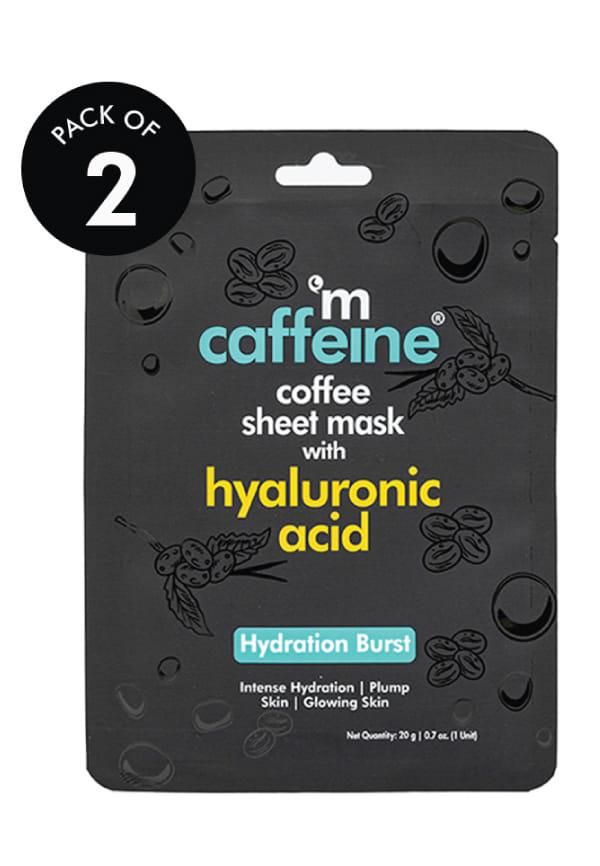
Hyaluronic Acid Coffee Sheet Mask for Hydration Burst
Keeps Skin Hydrated
 5
5“Super great and keep skin hydrated ”
Amazing Hydration & Glow
5“It was a plump glowing skin and hydration is just amazing.”
Excellent Product
5“very good quality product and very gentle on skin”
You've probably seen those glossy adverts promising that hyaluronic acid will plump your skin from deep within, filling wrinkles like magic. But here's the thing—your skin barrier is far cleverer than most brands give it credit for. Those massive hyaluronic acid molecules everyone raves about? They're actually too large to penetrate beyond your skin's surface. Real talk: the science behind hyaluronic acid penetration depth tells a completely different story than what's splashed across serum bottles. Let's dig into what actually happens when you smooth that expensive serum onto your face.
Walk down any skincare aisle and you'll spot claims about deep penetration and dermal delivery plastered across hyaluronic acid serum packaging. The marketing suggests these products dive deep into your skin's layers, working from within to transform your complexion. But dermatological research paints a rather different picture.
When you apply topical hyaluronic acid, the reality is refreshingly straightforward. Most hyaluronic acid molecules are simply too large to squeeze through your skin's protective barrier. Your epidermis—that outermost layer of skin—acts like a selective bouncer, allowing only the smallest molecules to pass through. Standard hyaluronic acid, with its hefty molecular weight, gets stopped right at the surface.
This doesn't make your serum useless, though. Surface-level hydration creates that immediate plumping effect you notice after application. Your skin looks smoother and feels more supple because hyaluronic acid is brilliant at grabbing moisture from the environment and holding it against your skin. Think of it as a moisture magnet that works exactly where you can see it—on the surface.
The confusion often stems from the way brands describe their formulations. Terms like "penetrating formula" or "deep hydration" sound impressive, but they're describing the sensation rather than the actual molecular journey. Your skin feels deeply moisturised because surface hydration can genuinely improve how your complexion looks and feels, even without reaching the deeper dermal layers.
Understanding hyaluronic acid molecule size is key to grasping what your serum can and cannot do. Scientists measure molecular weight in daltons, and this number determines everything about how the ingredient behaves on your skin.
High molecular weight hyaluronic acid (typically above 1,000 daltons) creates a protective film on your skin's surface. These larger molecules excel at preventing water loss and providing immediate hydration. They're the reason your skin feels instantly smoother after applying a serum—they're literally sitting on top, creating a moisture barrier.
Low molecular weight hyaluronic acid (under 50 daltons) tells a different story. These smaller fragments can actually slip between skin cells and reach the upper layers of your epidermis. However, even these tiny molecules don't make it to the dermis—that deeper layer where collagen and elastin live.
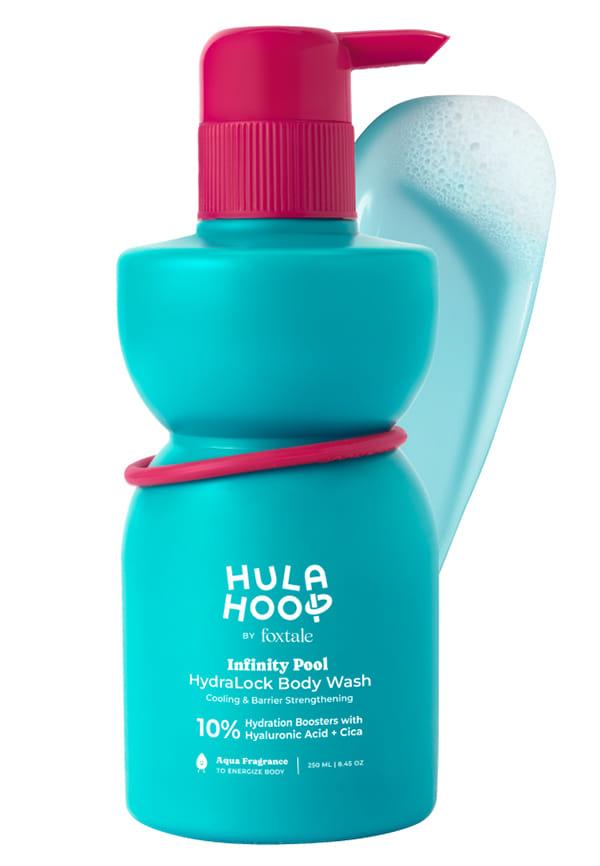
HydraLock Body Wash with Hyaluronic Acid & Cica Extract
Positive Foxtale Product
5“Nice product... foxtale has always my heart..”
Positive Foxtale Product
5“Nice product... foxtale has always my heart..”
Positive Foxtale Product
5“Nice product... foxtale has always my heart..”
Clinical studies measuring actual penetration depth consistently show that even the smallest hyaluronic acid molecules rarely travel beyond the stratum corneum and upper epidermis. One notable study published in dermatological journals tracked radioactively labelled hyaluronic acid and found minimal penetration beyond 20 micrometers—essentially the skin's outermost layers.
Here's where molecular size creates interesting trade-offs. Larger molecules hold more water per molecule—up to 1,000 times their weight in moisture. Smaller molecules penetrate slightly deeper but carry less water with them. Neither version reaches the dermis where structural changes would create lasting anti-ageing effects.
Let's address the elephant in the room: those dramatic before-and-after photos showing hyaluronic acid for wrinkles seemingly erasing years from someone's face overnight. The science tells us a more nuanced story about what hyaluronic acid effectiveness actually looks like.
Myth: Hyaluronic acid penetrates deep into the dermis for lasting anti-ageing results. Reality: Surface hydration creates temporary plumping that can minimise the appearance of fine lines for several hours. The effect is real but temporary—think of it as your skin's equivalent of a good night's sleep rather than a permanent transformation.
Myth: All hyaluronic acid serums work identically. Reality: Molecular weight formulations create vastly different experiences. Some focus on immediate surface hydration, whilst others attempt deeper penetration with smaller molecules. Neither approach fundamentally changes your skin's structure, but they feel quite different during use.
The immediate visual results from hyaluronic acid are genuine—your skin does look plumper and smoother within minutes of application. However, these effects fade as the product wears off throughout the day. Long-term benefits come from consistent hydration supporting your skin's natural barrier function, not from structural changes deep within your skin.
Research suggests that regular use of topical hyaluronic acid can help maintain skin hydration levels and support barrier function over time. These benefits are valuable but different from the dramatic transformation promises often associated with the ingredient.
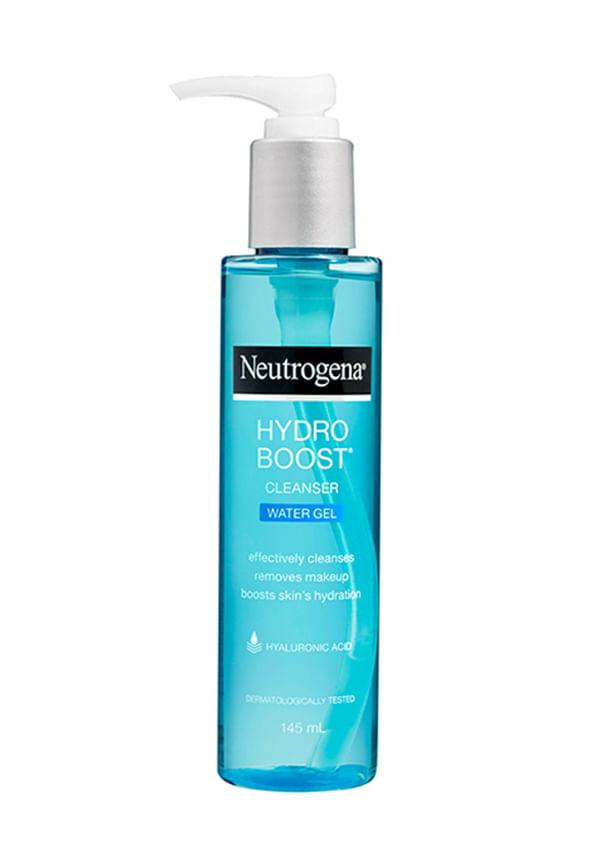
Hydro Boost Cleanser Water Gel With Hyaluronic Acid
Good for all skin types
5“This is very good for all skin types”
Cleanser for Freshness
5“Hydrating cleanser makes my face feel fresh”
Positive product impression
5“nice product i ever seen ,hope my skin glows”
Dermatologists approach hyaluronic acid skin benefits with measured enthusiasm. Most acknowledge its excellent safety profile and genuine hydrating properties whilst tempering expectations about penetration depth and anti-ageing capabilities.
Dr Sarah Johnson, a consultant dermatologist, explains: "Hyaluronic acid is brilliant for what it actually does—surface hydration and barrier support. The problems arise when patients expect it to work like injectable fillers or retinoids. It's a fantastic hydrator, not a miracle anti-ager."
Many dermatologists recommend hyaluronic acid for patients with dehydrated skin, particularly those dealing with environmental stressors like air conditioning or heating. The ingredient's ability to draw moisture from the environment makes it particularly useful in humid climates, though it can potentially backfire in very dry environments by drawing moisture from your skin instead.
Dermatologists emphasise application technique for optimising hyaluronic acid absorption. Apply to slightly damp skin to give the molecules moisture to grab onto, then seal with a moisturiser to prevent the hyaluronic acid from drawing water from your skin as it dries.
Layering matters too. Hyaluronic acid serum works best under heavier moisturisers and oils, not as a standalone treatment. Think of it as a moisture-boosting step rather than a complete skincare solution.
Understanding realistic timeframes helps set proper expectations for hyaluronic acid serum results. The immediate effects you notice—that plumped, smoother appearance—happen within minutes of application. This isn't deep absorption; it's surface hydration creating optical improvements.
True hyaluronic acid absorption into even the upper skin layers takes several hours, and the effects remain superficial. The ingredient doesn't accumulate in deeper skin layers over time, so consistent daily use maintains hydration levels rather than building towards dramatic transformation.
Those fine lines that seem to disappear after applying hyaluronic acid are experiencing temporary plumping from surface hydration. Dehydrated skin emphasises fine lines, so proper hydration genuinely improves their appearance. However, deeper wrinkles caused by collagen loss or muscle movement won't respond significantly to topical hyaluronic acid alone.
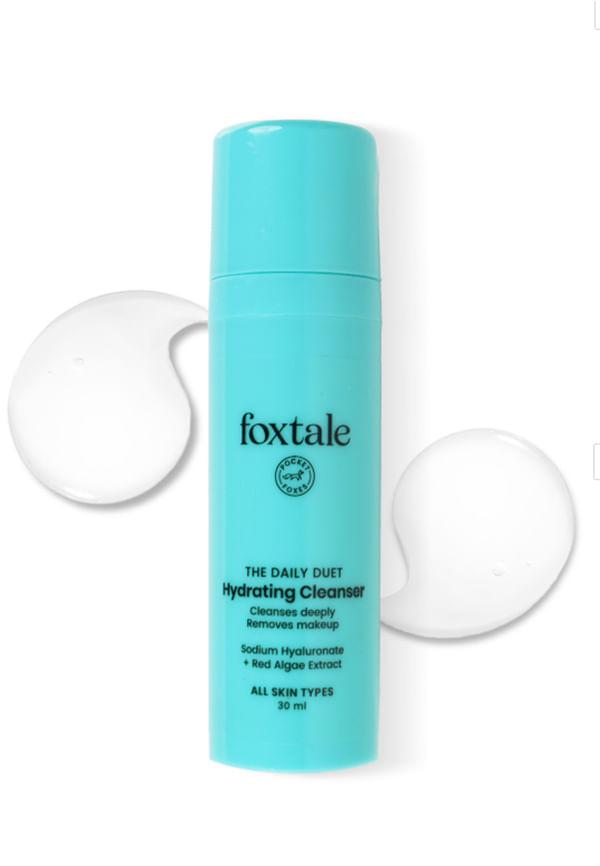
Hydrating Face Wash with Hyaluronic Acid
Good for Daily Use
5“this cleanse is good for daily use. clean soft and smooth skin.”
Good for Daily Use
5“this cleanse is good for daily use. clean soft and smooth skin.”
Good for Daily Use
5“this cleanse is good for daily use. clean soft and smooth skin.”
The key is understanding that hyaluronic acid effectiveness lies in hydration and barrier support, not structural skin changes. Regular use can help maintain skin suppleness and support overall skin health, but it won't replace targeted anti-ageing treatments for significant concerns.
Scientific evidence consistently shows that hyaluronic acid penetration is limited to the outermost skin layers. Even low molecular weight formulations rarely penetrate beyond the upper epidermis. The molecular size creates a natural barrier that prevents deeper penetration, regardless of marketing claims about "deep delivery" systems.
Surface effects from hyaluronic acid appear within minutes of application, creating immediate plumping and smoothing. However, actual absorption into even the upper skin layers takes several hours. The immediate results you see are from surface hydration rather than deep absorption.
Some dermatologists express caution about hyaluronic acid in very dry climates, where its humectant properties might draw moisture from your skin rather than the environment. Additionally, patients with realistic expectations benefit more than those expecting dramatic anti-ageing results that the ingredient cannot deliver.
Hyaluronic acid occurs naturally in human skin, joints, and eyes, making it exceptionally well-tolerated for topical use. Allergic reactions are rare, and the ingredient suits most skin types. However, synthetic versions used in skincare products may include preservatives or other additives that could cause sensitivity in some individuals.
The reality of hyaluronic acid penetration depth might differ from marketing promises, but that doesn't diminish its genuine value in skincare routines. Understanding what this ingredient actually does—providing excellent surface hydration and supporting barrier function—helps you use it more effectively and set realistic expectations.
Hyaluronic acid deserves its popularity for what it genuinely offers: immediate hydration, improved skin texture, and barrier support. The temporary plumping effects are real and beneficial, even if they don't represent permanent structural changes. Your skin will notice the difference in hydration levels and overall comfort, particularly if you're dealing with dehydration or environmental stressors.
When exploring hyaluronic acid serums, focus on formulations that match your skin's needs rather than the most dramatic marketing claims. Smytten's curated selection includes trusted brands with transparent formulations, helping you discover what works for your skin without committing to full-size products immediately. With over 28 million users finding their perfect skincare matches, the platform makes it easier to explore evidence-based options that deliver realistic results.
