Hyaluronic Acid: Morning vs. Night Application for Best Results


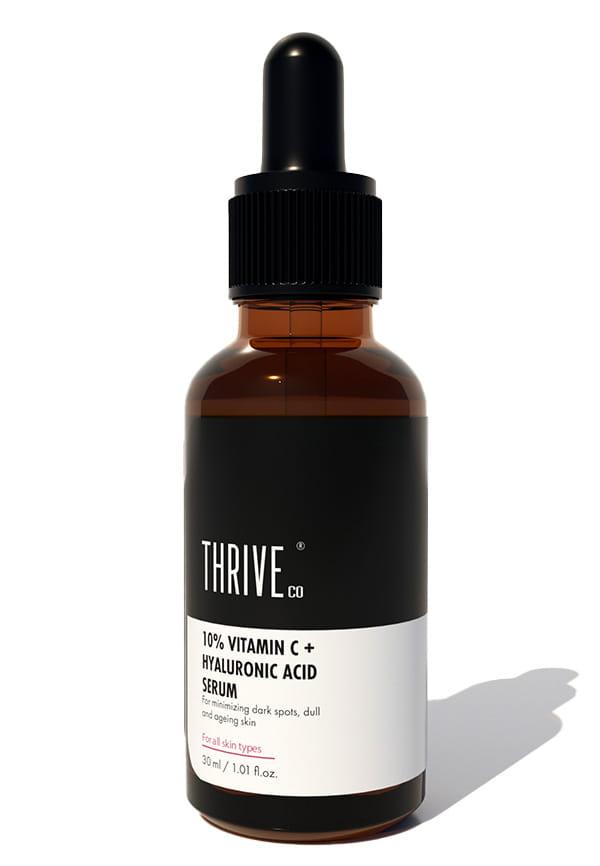
10% Vitamin C+ Hyaluronic Acid Serum
Let's be real—hyaluronic acid is everywhere in the skincare world right now, and for good reason. This hydration hero can hold up to 1,000 times its weight in water, making it a game-changer for plump, dewy skin. But here's the thing that's got everyone scratching their heads: when exactly should you be slathering this stuff on? Morning, night, or both? The timing of your hyaluronic acid routine can actually make or break your results, and we're about to dive deep into why that matters so much.
Before we get into the morning versus night debate, let's chat about what makes hyaluronic acid such a skincare superstar. This molecule is naturally found in your skin, but production starts declining in your twenties (thanks, ageing process). The hyaluronic acid benefits are pretty impressive—it draws moisture from the environment and deeper skin layers to the surface, creating that coveted plump, bouncy texture we all want.
Here's where timing gets interesting: hyaluronic acid comes in different molecular weights, and this affects how and when it works best. Low molecular weight HA penetrates deeper but takes longer to show results, while high molecular weight HA sits on the surface for immediate plumping. Your skin's natural repair cycle also peaks at night, whilst environmental stressors hit hardest during the day. This means the best time to apply hyaluronic acid routine depends on what you're trying to achieve.
Morning application is all about protection and prep. Your skin loses moisture overnight, so starting the day with a hydration boost sets you up for success. Plus, if you're someone who wears makeup, hyaluronic acid serum creates the perfect smooth, hydrated base.
The morning skincare routine order matters more than you might think. Here's your foolproof sequence:
Gentle cleanser to remove overnight buildup
Toner or essence to prep skin (optional but helpful)
Hyaluronic acid serum on slightly damp skin
Vitamin C or other antioxidants for environmental protection
Moisturiser to seal everything in
SPF 30+ because this step is non-negotiable
The sweet spot for hyaluronic acid application is right after cleansing when your skin is still slightly damp. This gives the HA something to grab onto and prevents that tight, dry feeling some people experience.
Morning application gives you immediate hydration that lasts throughout the day. Your skin faces pollution, UV rays, and air conditioning—all moisture-zapping culprits that hyaluronic acid helps combat. If you're layering with vitamin C (which is brilliant for antioxidant protection), apply the HA first, wait about 30 seconds, then follow with your vitamin C serum.
One thing to watch: if you live in a very dry climate with low humidity, morning HA application might actually pull moisture from your skin rather than the environment. In this case, make sure you're using a good moisturiser on top and consider a humidifier in your space.
Nighttime is when your skin goes into full repair mode, making it prime time for active ingredients to do their thing. Your night skincare routine can be more intensive since you don't need to worry about makeup application or sun protection immediately after.
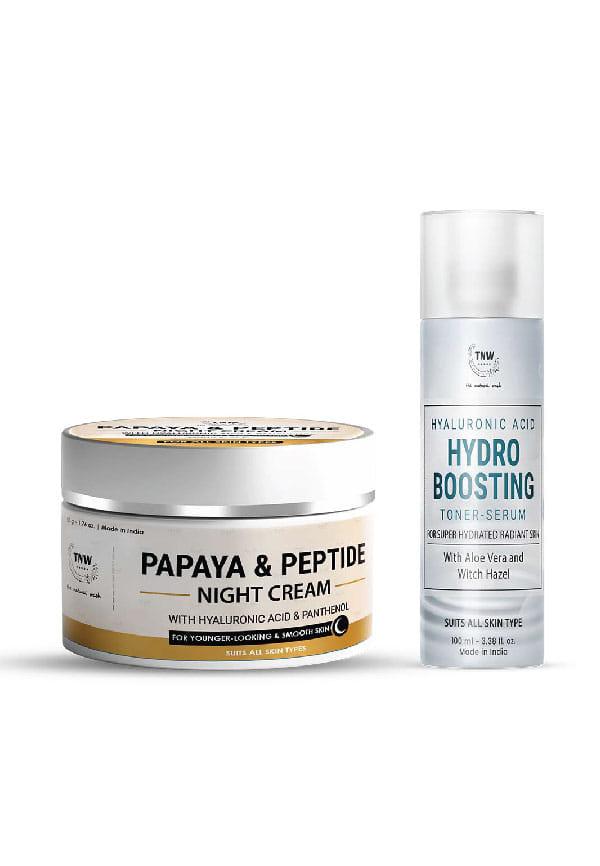
Combo with Papaya & Peptide Night Cream & Hyaluronic Acid Toner Serum | For Reducing Fine Lines & Hydrating Skin | Suitable for All Skin Types
Your evening routine allows for more layers and stronger actives. Here's how to use hyaluronic acid in your PM routine:
Double cleanse to remove makeup, SPF, and daily grime
Exfoliate (2-3 times per week with AHA/BHA)
Hyaluronic acid serum on damp skin
Treatment serums like retinol or niacinamide
Face oil (if you use one)
Night moisturiser or sleeping mask
The beauty of nighttime application is that you have 6-8 hours for everything to absorb without interference from environmental factors or makeup.
Night application lets you layer HA with other powerhouse ingredients like retinol or peptides. Your skin's natural barrier repair function peaks between 11 PM and 4 AM, so applying hydrating ingredients during this window maximises their effectiveness. Plus, you can use richer formulations that might feel too heavy for daytime wear.
If you're dealing with particularly dry or dehydrated skin, nighttime HA application can provide that deep, overnight hydration boost that leaves you waking up with plumper, more radiant skin.
Getting your hyaluronic acid routine order right is crucial for maximum effectiveness. The golden rule of skincare routine steps is to apply products from thinnest to thickest consistency, and water-based before oil-based.
Think of your skin like a sponge—it absorbs better when it's slightly damp. Here's the proper sequence:
Water-based toners or essences go first
Hyaluronic acid serum comes next (it's water-based)
Other water-based serums like vitamin C or niacinamide
Oil-based serums or face oils
Moisturiser to seal everything in
SPF during the day
Wait about 30-60 seconds between each layer to allow proper absorption. Rushing this process can lead to pilling or reduced effectiveness.
While HA plays well with most ingredients, timing matters with certain actives. Don't apply strong acids (like glycolic acid) immediately before HA, as they can disrupt the pH balance needed for optimal absorption. If you're using retinol, apply HA first, wait a few minutes, then follow with your retinol product.
Avoid layering too many serums at once—your skin can only absorb so much. Stick to 2-3 serums maximum in one routine to prevent overwhelming your skin barrier.
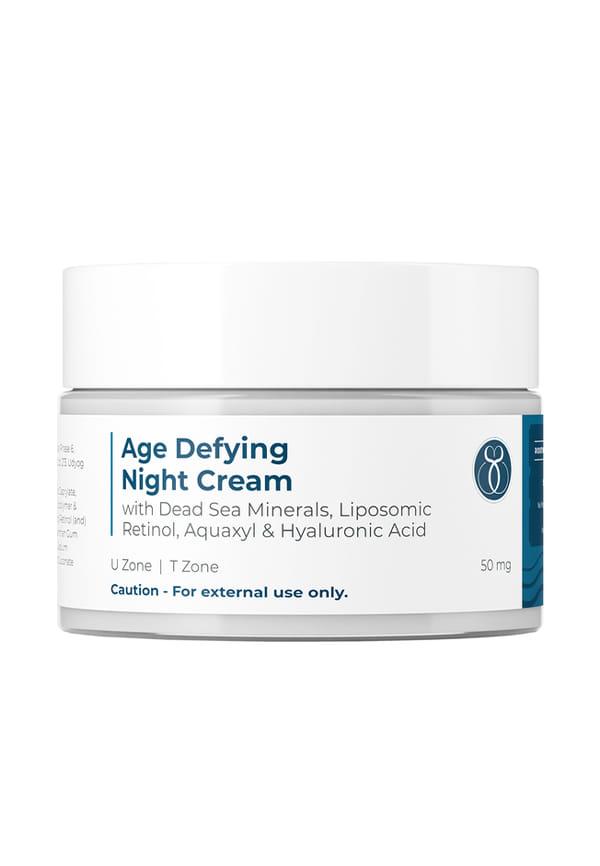
Anti-Ageing Night Cream with Dead Sea Minerals, Liposomal Retinol, Aquaxyl & Hyaluronic Acid
Your skin type plays a huge role in determining the best approach for your hydrating skincare routine. What works for your mate with oily skin might not be your cup of tea if you're dealing with dryness or sensitivity.
If you have dry skin, hyaluronic acid for dry skin can be an absolute game-changer. You can likely handle twice-daily application without any issues. In fact, you might benefit from layering different molecular weights—a lightweight HA serum followed by a heavier HA-infused moisturiser.
For extra dry skin, try the sandwich method: apply a thin layer of moisturiser, then HA serum, then another layer of moisturiser. This creates multiple hydration barriers.
Oily skin types should look for lightweight, gel-based HA formulations that won't feel heavy or greasy. You might prefer morning application only, especially if you're using other hydrating ingredients like niacinamide in your routine.
For combination skin, consider applying HA to your entire face but adjusting the moisturiser—lighter on the T-zone, richer on dry areas like cheeks.
Sensitive skin needs a gentle approach. Start with nighttime application only, using a minimal, fragrance-free HA serum. Patch test for 48 hours before full-face application, and introduce it slowly—every other night for the first week.
Look for HA serums with minimal ingredient lists and avoid those with added fragrances, essential oils, or high concentrations of other actives.
Even with the best intentions, there are some common slip-ups that can sabotage your HA routine. Let's troubleshoot the most frequent mistakes and share some pro tips that'll take your routine from good to brilliant.
The biggest mistake? Applying HA to bone-dry skin. This can actually make your skin feel tighter because the HA pulls moisture from deeper skin layers when there's nothing in the environment to grab. Always apply to slightly damp skin or use a hydrating toner first.
Using too much product—a few drops are plenty
Skipping moisturiser—HA needs to be sealed in
Applying in very low humidity without proper follow-up hydration
Mixing with incompatible pH levels from strong acids
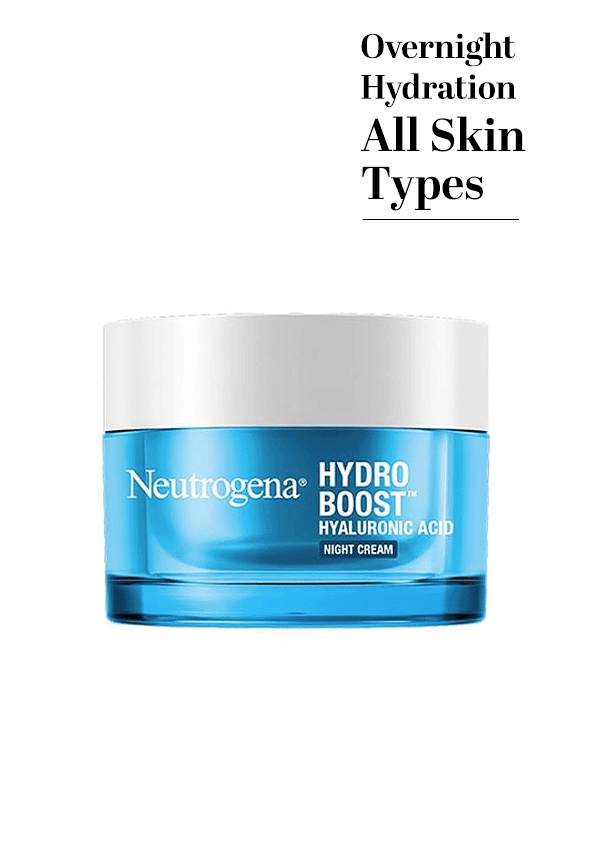
Hydro Boost Hyaluronic Acid Night Cream
Here's where the magic happens. Apply your HA serum to skin that's still damp from cleansing or toning—this gives it moisture to work with immediately. In dry climates or winter months, consider using a humidifier in your bedroom to boost environmental moisture.
Seasonal adjustments matter too. You might need twice-daily application in winter but find that morning-only works better in humid summer months. Pay attention to how your skin responds and adjust accordingly.
For those exploring new HA products, platforms like Smytten make it incredibly easy to test different formulations without committing to full sizes. With trial packs from trusted brands, you can discover which HA serum works best for your skin type and routine timing—all for just ₹249 for up to 8 minis, with 100% cashback redeemable for future purchases.
Hyaluronic acid should be applied after cleansing and toning but before heavier serums, oils, and moisturisers. In a morning routine, it goes after toner and before vitamin C and SPF. At night, apply it after cleansing but before treatments like retinol and your night moisturiser.
Both! Most people benefit from twice-daily application, but if you had to choose one, it depends on your skin type and concerns. Dry skin often benefits more from nighttime application for deep overnight hydration, while those wanting makeup-ready skin might prefer morning use. Oily skin types might find once-daily (morning) application sufficient.
Absolutely! This is actually a brilliant combination. Apply HA first on damp skin, wait 30-60 seconds for absorption, then follow with vitamin C serum. The HA provides hydration while vitamin C offers antioxidant protection—perfect for morning routines.
HA is generally compatible with most ingredients, but timing matters. Avoid applying immediately after strong acids like glycolic acid, as they can disrupt the pH balance needed for optimal HA absorption. Also, don't layer too many serums at once—stick to 2-3 maximum to avoid overwhelming your skin.
Wait 30-60 seconds between each layer to allow proper absorption. For HA specifically, you'll know it's absorbed when the tackiness disappears and your skin feels smooth. If you're applying retinol after HA at night, wait 2-3 minutes to ensure the HA is fully absorbed first.
The truth about the best time to apply hyaluronic acid routine is that there's no one-size-fits-all answer. Your skin type, climate, lifestyle, and other skincare ingredients all play a role in determining whether morning, night, or twice-daily application works best for you. The key is starting slowly, paying attention to how your skin responds, and adjusting accordingly.
Remember, consistency trumps perfection every time. Whether you choose morning, night, or both, stick with your routine for at least 4-6 weeks to see real results. And if you're still figuring out which HA serum deserves a permanent spot in your routine, exploring trial sizes through platforms like Smytten lets you test multiple formulations without the commitment. With over 1,500 trusted brands and the ability to try up to 8 minis for just ₹249, you can discover your perfect match before investing in full sizes. After all, why settle for 'maybe' when you can try it all and find what truly works for your skin?
