Hyaluronic Acid Gel vs. Serum: Which Hydrates Best?

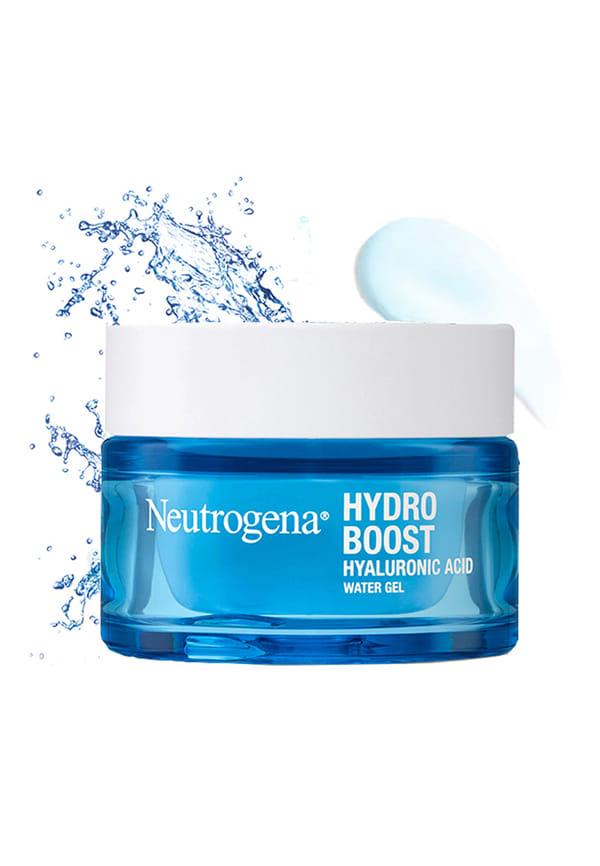
Hydro Boost Water Gel Moisturizer
Let's be real—choosing between a gel with hyaluronic acid and a hyaluronic acid serum can feel like picking your favourite child. Both promise that coveted glow, but which one actually delivers the hydration your skin is craving? If you've ever stood in the skincare aisle wondering whether to grab that lightweight gel or that concentrated serum, you're not alone. The truth is, both have their place in your routine, but understanding their differences can help you make the right choice for your skin type and concerns.
Think of hyaluronic acid as your skin's personal water bottle—one that holds up to 1,000 times its weight in water. This naturally occurring molecule is basically a hydration superhero that keeps your skin plump, bouncy, and looking fresh. The catch? Your skin's natural hyaluronic acid production starts declining in your twenties, which is why adding it back through skincare becomes essential.
The hyaluronic acid benefits are pretty impressive across all skin types. Whether you're dealing with oily skin that still feels dehydrated or dry skin that's crying out for moisture, this ingredient works by drawing water from the environment and deeper skin layers to the surface. It's like having a moisture magnet that keeps your hyaluronic acid skin looking healthy and hydrated all day long.
A gel with hyaluronic acid typically features different molecular weights of the ingredient, which means some molecules penetrate deeper while others work on the surface. The gel texture is oil-free and lightweight, making it perfect for those who want hydration without the heavy feel. These hydrating gel for face formulations are particularly brilliant for oily and combination skin types that need moisture but can't handle anything too rich.
Right, let's break down the real differences between these two hydration heroes. While both contain hyaluronic acid, their textures, concentrations, and how they work on your skin are quite different.
A hyaluronic acid serum is typically more concentrated and has a thinner, more liquid consistency. It's designed to penetrate quickly and can be layered under other products. On the flip side, a gel moisturiser with hyaluronic acid has a bouncy, jelly-like texture that feels cooling on the skin and often provides more immediate surface hydration.
Your skin type and climate play huge roles in this decision. If you're dealing with oily or acne-prone skin, a skin hydration gel might be your best mate since it won't clog pores or feel heavy. During humid months or if you live in a tropical climate, gels tend to feel more comfortable and less sticky than serums.
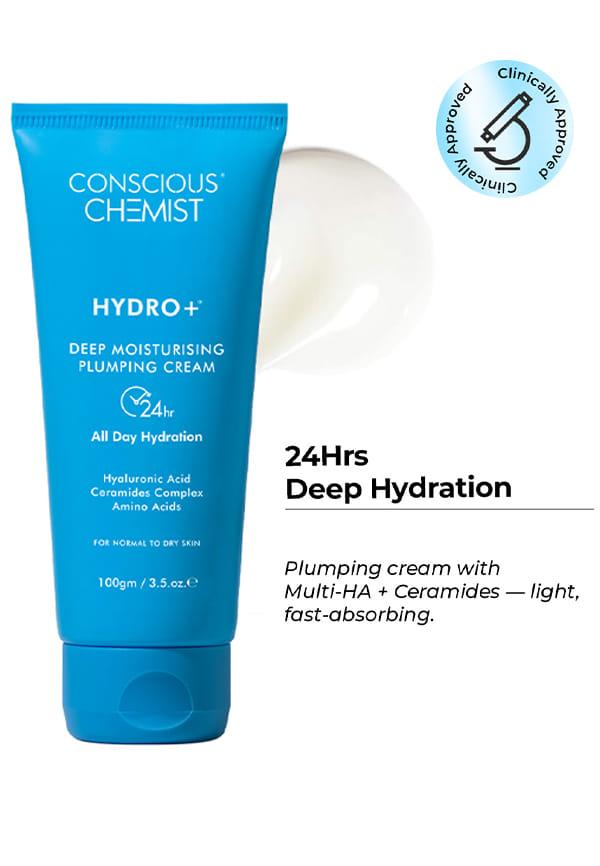
Hyaluronic Acid Lightweight Gel Cream with Ceramides
However, if you're layering multiple products or have very dry skin, a face serum might work better as a base layer before your hyaluronic acid moisturiser. Serums also tend to have higher concentrations, making them ideal for targeted treatment.
The best hyaluronic acid gel formulations offer some pretty amazing benefits that go beyond basic hydration. These gels provide deep moisture without that heavy, greasy feeling that can make your skin look shiny or feel uncomfortable throughout the day.
One of the standout benefits is the skin plumping gel effect—hyaluronic acid literally plumps up your skin cells with water, which can temporarily smooth out fine lines and give you that coveted bouncy skin texture. Plus, most gel formulations are non-comedogenic, meaning they won't block your pores or trigger breakouts.
Modern gel formulations often use advanced delivery systems that release hyaluronic acid slowly throughout the day. Some include prebiotics that help your skin's natural barrier function better, while others use encapsulation technology to ensure the ingredient stays stable and effective until it reaches your skin cells.
When shopping for the best hyaluronic acid gel, you'll want to look beyond just the star ingredient. The most effective formulations pair hyaluronic acid with complementary ingredients that boost its performance and provide additional skin benefits.
Look for gels that include ceramides for barrier repair, vitamin E for antioxidant protection, and glycerin for extra moisture retention. The sweet spot for hyaluronic acid concentration is typically between 1-3%—any higher and you might experience irritation, any lower and you won't see significant results.
Pay attention to the molecular weight specifications on the label. A good gel with hyaluronic acid will include both high and low molecular weight versions—the high molecular weight stays on the surface for immediate hydration, while the low molecular weight penetrates deeper for long-lasting moisture.
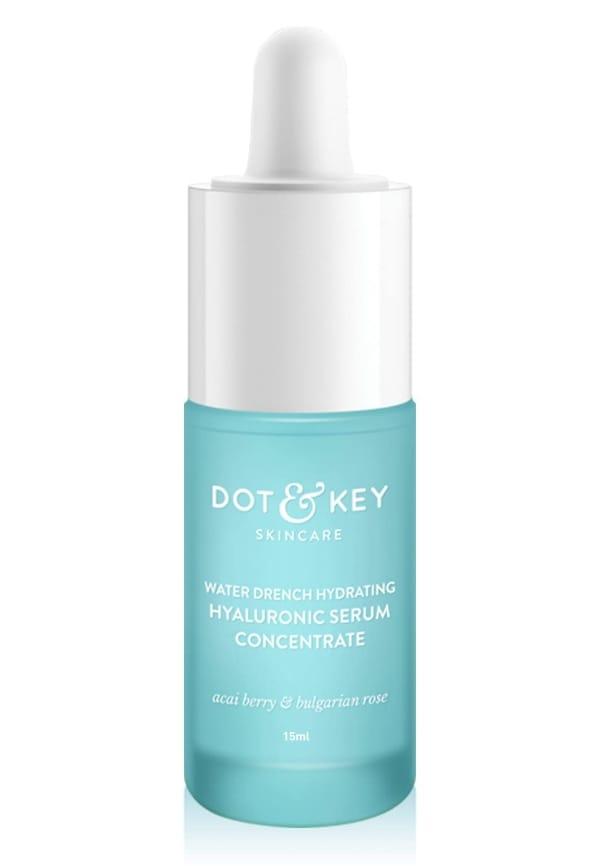
Water Drench Hydrating Hyaluronic Serum Concentrate
Getting the most out of your hydrating gel for face is all about technique and timing. The key is applying it to slightly damp skin—this gives the hyaluronic acid something to grab onto and helps it work more effectively.
Start with clean, barely damp skin and apply a pea-sized amount of gel using gentle upward strokes. Don't forget your neck and décolletage area. The beauty of a gel moisturiser is that it absorbs quickly, so you can follow up with sunscreen or makeup without waiting ages for it to sink in.
Hyaluronic acid plays well with most ingredients, making it easy to incorporate into any routine. It pairs beautifully with vitamin C in the morning for antioxidant protection, and with retinoids at night for anti-ageing benefits. Just avoid using it immediately after strong acids like glycolic acid, as this can reduce its effectiveness.
If you're exploring different hyaluronic acid formulations, Smytten's trial packs let you test various gels and serums from trusted brands like Cetaphil and Dot & Key before committing to full-size products. With over 1,500 brands available and the ability to try up to 8 minis for just ₹249, you can discover your perfect hydration match without the guesswork.
Hyaluronic acid gel provides deep hydration, improves skin flexibility, and temporarily reduces the appearance of fine lines. It's particularly effective for maintaining moisture balance without clogging pores, making it suitable for all skin types including oily and acne-prone skin.
Yes, hyaluronic acid is naturally non-comedogenic, meaning it won't clog your pores. This makes gel formulations with hyaluronic acid perfect for those with oily or combination skin who need hydration without the risk of breakouts.
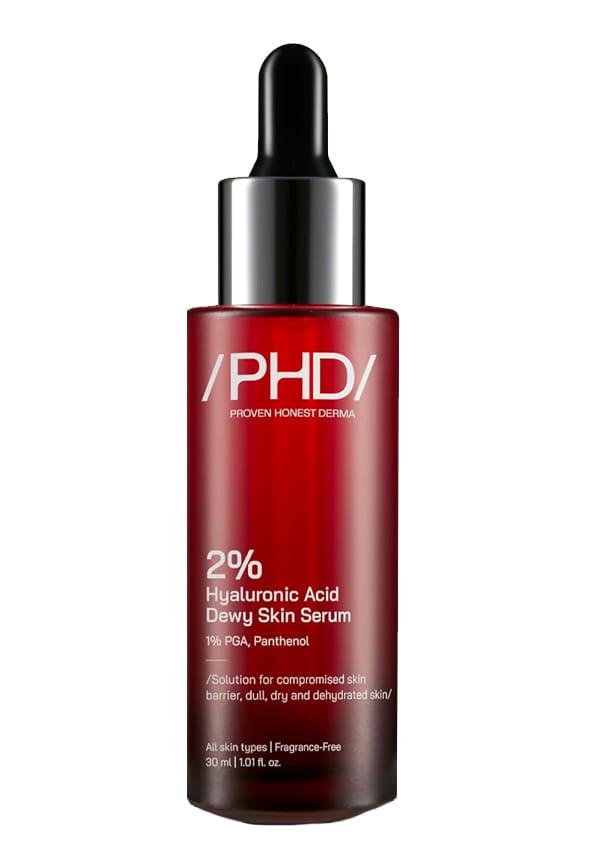
2% Hyaluronic Acid Dewy Skin Serum
Absolutely! Ceramides and hyaluronic acid work brilliantly together. While hyaluronic acid draws moisture to your skin, ceramides help lock it in by strengthening your skin barrier. Many of the best gel formulations include both ingredients for maximum hydration benefits.
You can use hyaluronic acid gel twice daily—morning and evening. Since it's gentle and hydrating, daily use is not only safe but recommended for maintaining optimal skin moisture levels.
For oily skin types, a hyaluronic acid gel might be sufficient as your sole moisturiser. However, if you have dry or mature skin, you might want to layer it under a richer cream for additional nourishment and barrier protection.
For mature skin, serums often provide higher concentrations of hyaluronic acid and can be layered under richer moisturisers. However, gels can still be effective, especially when used as part of a comprehensive anti-ageing routine that includes other targeted treatments.
Choosing between a gel with hyaluronic acid and a serum really comes down to your skin type, climate, and personal preferences. Gels offer lightweight hydration that's perfect for oily skin or humid weather, while serums provide concentrated treatment that works well for layering and targeting specific concerns.
The good news? You don't have to choose just one. Many people find success using a hyaluronic acid serum as a treatment step and following up with a gel moisturiser for additional hydration. With Smytten's extensive range of trial-sized products from over 1,500 trusted brands, you can experiment with different formulations to find what works best for your skin. After all, why settle for maybe when you can Try It All and discover your perfect hydration routine?
