Hyaluronic Acid for Skin Benefits: Your Questions Answered


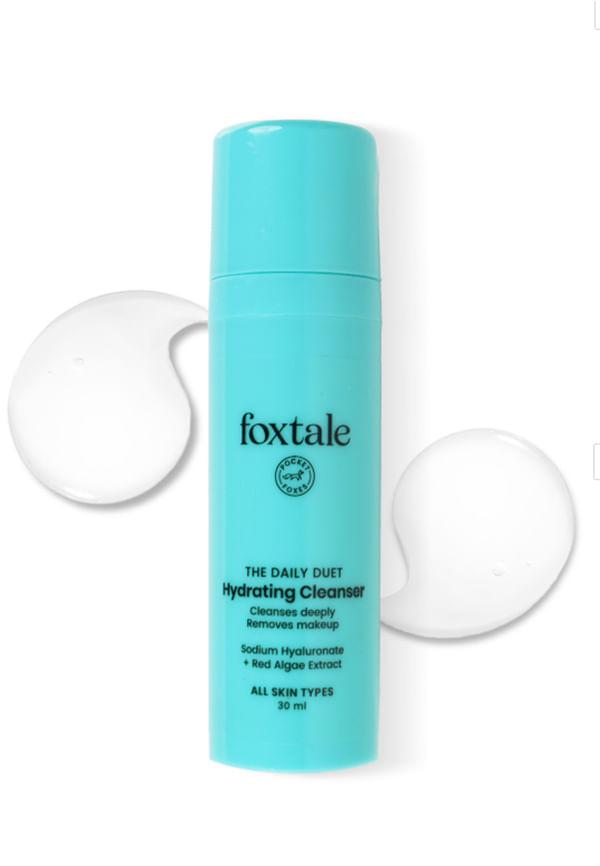
Hydrating Face Wash with Hyaluronic Acid
You've probably heard about hyaluronic acid everywhere lately – from skincare influencers raving about their glass skin to your dermatologist mentioning it during your last consultation. But what exactly does this ingredient do, and why is everyone so obsessed with it? If you've been wondering whether the hype around hyaluronic acid for skin benefits is real or just another skincare trend, you're in the right place. Real talk: this powerhouse ingredient might just be the missing piece in your quest for plump, hydrated skin that actually glows.
Hyaluronic acid isn't actually an acid in the way you might think – it won't exfoliate or tingle like AHAs or BHAs. Instead, it's a naturally occurring sugar molecule that your body produces to keep tissues moist and lubricated. Think of it as your skin's internal moisture magnet.
Here's where it gets interesting: this incredible molecule can hold up to 1,000 times its weight in water. Imagine a tiny sponge that can absorb a bathtub's worth of moisture – that's essentially what hyaluronic acid does for your skin cells. Your skin naturally contains about half of your body's total hyaluronic acid, working behind the scenes to maintain that bouncy, youthful texture we all crave.
But here's the catch – and why you might be noticing changes in your skin as you age. Our natural hyaluronic acid production starts declining around age 25, dropping by about 1% each year. By the time you reach 40, you've lost nearly half of your natural stores. This gradual decline explains why skin begins to feel drier, less plump, and more prone to fine lines over time.
The good news? Topical hyaluronic acid can step in to fill this gap. When you apply it to your skin through serums, creams, or other products, it works as a powerful humectant – drawing moisture from the environment and deeper layers of your skin to the surface, creating that coveted dewy, hydrated look.
The research behind hyaluronic acid benefits is genuinely impressive. Clinical studies consistently show measurable improvements in skin hydration, elasticity, and overall appearance. Let's break down exactly what this ingredient can do for your skin.
The most well-documented benefit of hyaluronic acid is its ability to dramatically boost skin hydration. Studies show that topical application can increase skin moisture levels by up to 55% within just a few hours. Unlike heavy moisturisers that sit on top of your skin, hyaluronic acid actually draws water into the skin cells themselves, creating hydration from within.
When your skin is properly hydrated, something magical happens – fine lines appear less noticeable, and your complexion looks naturally plumper. This skin plumping effect isn't just cosmetic; well-hydrated skin actually functions better, producing collagen more efficiently and maintaining its structural integrity longer.

Hyaluronic Acid Hydro Boosting Toner-Serum For Hydrating & Glowing Skin
Research published in dermatology journals shows that regular use of hyaluronic acid can improve skin elasticity by up to 20% over 12 weeks. This means your skin bounces back better when pressed and maintains that youthful firmness that tends to diminish with age.
A well-hydrated skin barrier is your first line of defence against environmental stressors, pollution, and irritants. Hyaluronic acid helps maintain optimal moisture levels in the stratum corneum, keeping your skin's protective barrier strong and resilient.
Not all hyaluronic acid products are created equal, and choosing the right form can make a significant difference in the results you see. Understanding the different formulations helps you pick what works best for your skin type and concerns.
A hyaluronic acid serum typically contains the highest concentration of the active ingredient in a lightweight, fast-absorbing formula. These serums are perfect for layering under moisturiser and work especially well for oily or combination skin types that want hydration without heaviness. Apply to slightly damp skin for maximum effectiveness – the moisture helps the hyaluronic acid work more efficiently.
A hyaluronic acid cream combines the hydrating benefits of HA with occlusive ingredients that lock moisture in place. These formulations are ideal for dry skin treatment and work particularly well for mature skin that needs both immediate hydration and long-term moisture retention. The cream format is perfect for evening use when your skin has time to absorb the richer formula.
You'll also find hyaluronic acid in toners, masks, and even cleansers. While these products may contain lower concentrations, they can still contribute to your overall hydration goals. Sheet masks with hyaluronic acid are particularly effective for giving your skin an intensive moisture boost before special events.
Getting the most out of your hyaluronic acid products isn't just about buying the right formula – it's about using it correctly. Here are the key strategies that make the difference between okay results and truly transformative ones.
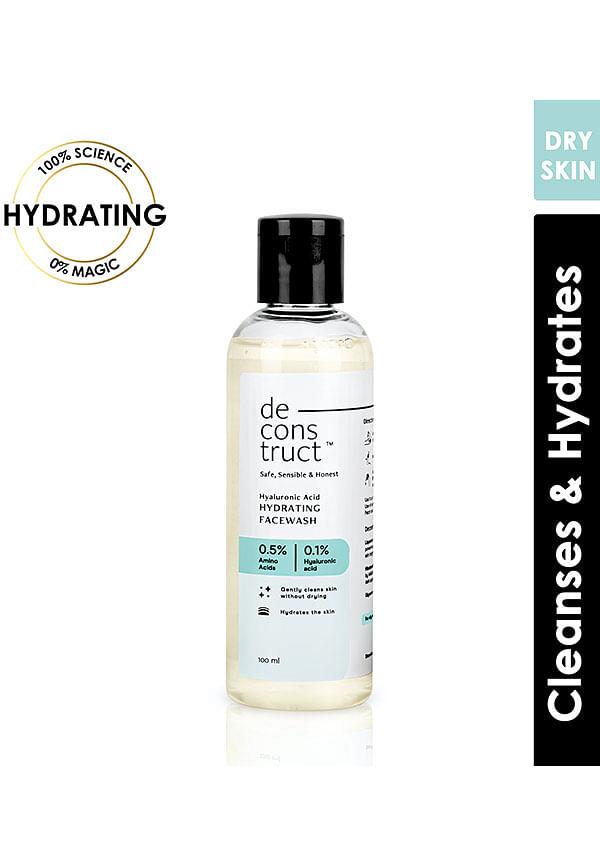
Hyaluronic Acid Hydrating Facewash- 0.5% Amino Acids + 0.1% Hyaluronic Acid
Unlike some active ingredients that require careful introduction, hyaluronic acid is gentle enough for twice-daily use from day one. Apply it in both your morning and evening routines for consistent hydration. In the morning, layer it under your SPF for all-day moisture protection.
The biggest mistake people make with hyaluronic acid is applying it to completely dry skin. This can actually have the opposite effect, drawing moisture out of your skin instead of into it. Always apply to slightly damp skin, or mist your face lightly before application. Another common error is using too much product – a few drops of serum or a pea-sized amount of cream is typically sufficient.
To maximise the moisturising ingredients in your routine, always follow hyaluronic acid with an occlusive moisturiser or facial oil. This creates a seal that prevents the newly absorbed moisture from evaporating. In very dry climates or air-conditioned environments, consider using a humidifier to increase ambient moisture levels.
Hyaluronic acid is remarkably well-tolerated across all skin types, making it one of the safest active ingredients in skincare. Whether you have sensitive, acne-prone, dry, or mature skin, this ingredient is likely to benefit rather than irritate your complexion.
The molecule is naturally found in your body, so allergic reactions are extremely rare. It's non-comedogenic, meaning it won't clog pores, and it's gentle enough for use during pregnancy and breastfeeding. Even those with rosacea or eczema often find that hyaluronic acid helps calm inflammation by supporting proper skin barrier function.
The only potential side effect occurs when the ingredient is used incorrectly – specifically, applying it to very dry skin in low-humidity environments. In these conditions, hyaluronic acid might draw moisture from deeper skin layers, potentially causing temporary tightness. This is easily avoided by applying to damp skin and following with a moisturiser.
Hyaluronic acid provides deep hydration by drawing moisture into skin cells, which plumps the skin and reduces the appearance of fine lines. It also improves skin elasticity, strengthens the protective barrier, and creates a smoother, more youthful complexion. The ingredient works by holding up to 1,000 times its weight in water, making it one of the most effective moisturising ingredients available.
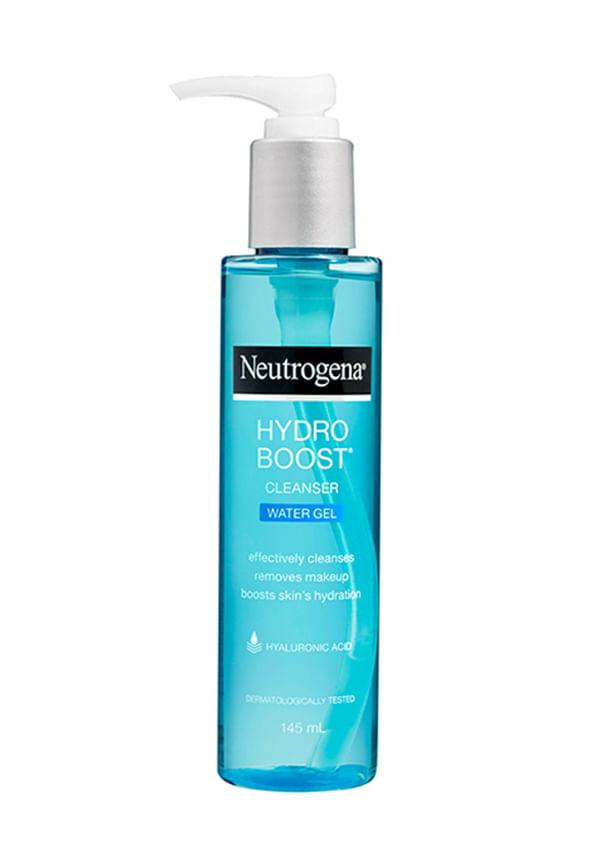
Hydro Boost Cleanser Water Gel With Hyaluronic Acid
Yes, hyaluronic acid is gentle enough for daily use and actually works best when used consistently. Unlike exfoliating acids or retinoids, it won't cause irritation with frequent application. Most people see optimal results using it twice daily – morning and evening – as part of their regular skincare routine.
These ingredients serve different purposes and work beautifully together rather than competing. Vitamin C provides antioxidant protection and brightening benefits, while hyaluronic acid focuses on hydration and plumping. For comprehensive anti-aging skincare, using both ingredients creates a more effective routine than choosing just one.
Absolutely. Hyaluronic acid is non-comedogenic and can actually help acne-prone skin by maintaining proper hydration without adding oil. Well-hydrated skin produces less excess sebum and heals from breakouts more efficiently. It's particularly beneficial for those using drying acne treatments like benzoyl peroxide or salicylic acid.
You'll notice immediate hydration benefits within hours of application, but the most significant improvements in skin elasticity and fine line reduction typically become visible after 4-6 weeks of consistent use. The key is regular application – hyaluronic acid works cumulatively to improve your skin's moisture-holding capacity over time.
Yes, and this combination is highly recommended. Hyaluronic acid helps counteract the potential drying effects of retinol while supporting skin barrier function. Apply the hyaluronic acid first, allow it to absorb, then follow with your retinol product. This layering approach maximises the benefits of both ingredients.
High molecular weight hyaluronic acid sits on the skin's surface, providing immediate plumping and moisture. Low molecular weight versions can penetrate deeper into the skin for longer-lasting hydration. The best products often contain a mix of both molecular weights for comprehensive benefits.
The science behind hyaluronic acid for skin benefits is compelling, and the real-world results speak for themselves. Whether you're dealing with dehydration from air conditioning, looking to plump fine lines, or simply want that healthy, bouncy skin texture, this ingredient delivers measurable improvements without the irritation risk of stronger actives.
What makes hyaluronic acid particularly valuable is its versatility – it works well alone and plays beautifully with other skincare ingredients. You can layer it under vitamin C in the morning, pair it with retinol at night, or use it alongside niacinamide for comprehensive skin support. This flexibility makes it an excellent foundation ingredient for any skincare routine.
The key to success with hyaluronic acid lies in choosing quality formulations and using them consistently. Look for products that combine different molecular weights, apply to damp skin, and always follow with a moisturiser to lock in the hydration. With over 28 million users discovering new skincare favourites, Smytten's curated selection includes trusted brands offering various hyaluronic acid formulations. If you're curious about trying different brands or molecular weights before committing to full-size products, exploring minis can be a smart way to find your perfect match.
