Hyaluronic Acid for Post-Treatment Skin Healing FAQ


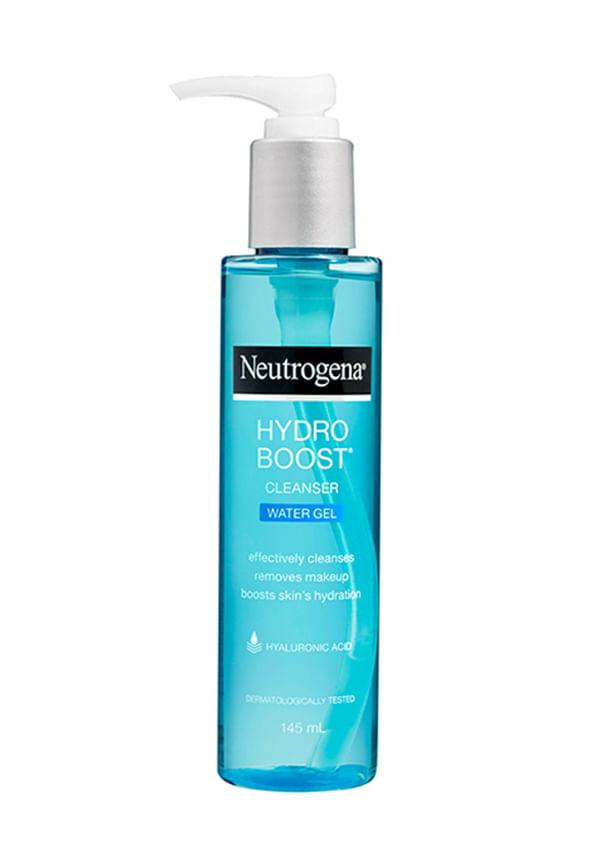
Hydro Boost Cleanser Water Gel With Hyaluronic Acid
Your skin's just been through a lot—whether it's a chemical peel, laser treatment, or microneedling session. Now comes the crucial bit: helping it heal properly. Enter hyaluronic acid, the skincare world's ultimate hydration hero that's become a game-changer for post-treatment skin recovery. But here's the thing—not all healing ingredients are created equal, and knowing how to use hyaluronic acid for post-treatment skin healing can make the difference between glowing results and prolonged irritation. Let's dive into everything you need to know about this moisture-binding marvel and how it can transform your skin's healing journey.
Real talk—hyaluronic acid isn't just about plumping up your skin for that dewy glow. When it comes to skin healing, this ingredient works on a cellular level that's pretty fascinating. It creates an optimal healing environment by maintaining moisture levels that your compromised skin barrier desperately needs.
Here's what makes hyaluronic acid benefits so impressive for wound healing skincare:
Moisture retention magic: Holds up to 1,000 times its weight in water, keeping healing tissue hydrated
Cellular communication boost: Helps skin cells communicate better during the repair process
Inflammation reduction: Calms irritated skin whilst promoting healthy tissue regeneration
Collagen support: Provides the scaffolding your skin needs to rebuild stronger
The science bit? Hyaluronic acid speeds up re-epithelialisation—basically, it helps your skin grow new, healthy cells faster. Studies show that proper hydration can reduce healing time by up to 50% compared to letting your skin heal on its own. That's the kind of efficiency we're here for.
Getting your post-treatment skincare routine right is crucial, and timing is everything. You can't just slap on any old serum and hope for the best—your skin needs a strategic approach to heal properly.
Your skin's barrier is compromised right now, so gentle is the name of the game. Start with a low-concentration hyaluronic acid serum—think 0.5% to 1%—applied to slightly damp skin.
This is when you can gradually introduce more potent formulations. Look for serums with multiple molecular weights of hyaluronic acid for deeper penetration and surface hydration.
Your skin recovery is well underway, and you can start layering hyaluronic acid with other healing ingredients like niacinamide or peptides. Just remember—less is more when your skin's still rebuilding.
The golden rules for after-procedure skincare:
Always apply to damp skin for maximum absorption
Follow with a gentle, occlusive moisturiser to seal everything in
Never skip SPF during the day—your healing skin is extra vulnerable
Avoid active ingredients like retinoids or AHAs until fully healed
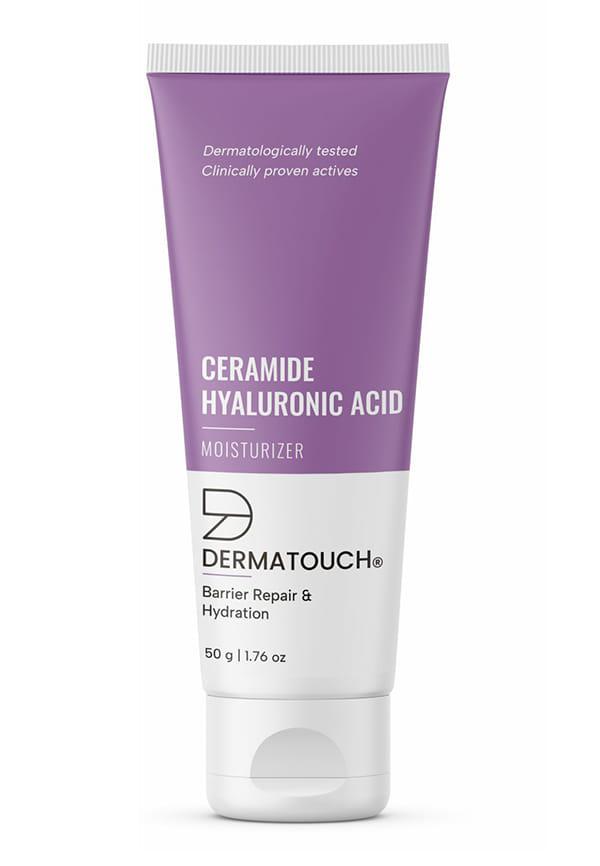
Ceramide Hyaluronic Acid Moisturizer for intense moisturization and barrier repair
Not all hyaluronic acid serums are created equal, especially when your skin's in recovery mode. The molecular weight of the hyaluronic acid makes a massive difference in how it performs on healing skin.
Penetrates deeper into the skin layers, perfect for supporting the healing process from within. This is your go-to for serious skin recovery work.
Sits on the skin's surface, creating a protective barrier that prevents moisture loss. Brilliant for immediate comfort and protection post-treatment.
Multiple molecular weights: Gets you the best of both worlds
Minimal ingredient list: Fewer chances of irritation on sensitive skin
pH-balanced formulation: Won't disrupt your skin's natural healing process
Fragrance-free: Essential for post-treatment skin that's easily irritated
When it comes to moisturizing for skin healing, consistency matters more than concentration. A gentle 1-2% hyaluronic acid serum used twice daily will outperform a high-concentration formula used sporadically.
Let's be real—hyaluronic acid isn't the only player in the skin healing game. Understanding how it stacks up against other ingredients helps you make smarter choices for your skin barrier repair routine.
Both are gentle enough for post-treatment skin, but they work differently. Hyaluronic acid focuses on hydration and healing support, whilst niacinamide tackles inflammation and redness. The good news? They play beautifully together.
Ceramides rebuild your skin barrier, whilst hyaluronic acid keeps it hydrated. Think of ceramides as the bricks and hyaluronic acid as the mortar—you need both for a strong foundation.
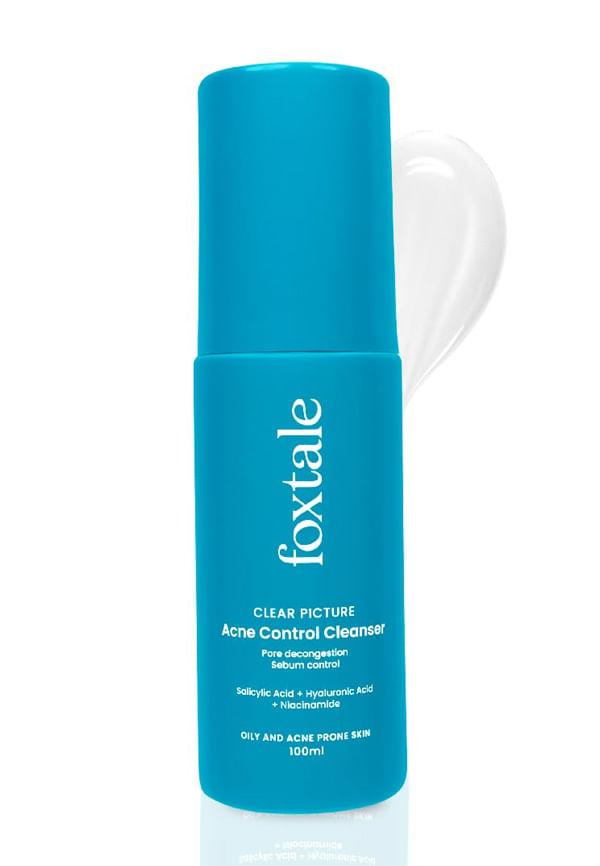
Acne Control Cleanser with Salicylic Acid || Hyaluronic Acid and Niacinamide
Peptides signal your skin to produce more collagen, whilst hyaluronic acid provides the hydrated environment for that collagen to form properly. They're the ultimate healing dream team.
The hyaluronic acid benefits really shine when you understand it's not about choosing one ingredient over another—it's about creating a supportive ecosystem for your skin's natural healing process.
Here's the thing about hyaluronic acid—it's generally considered one of the safest skincare ingredients out there. But when your skin's in recovery mode, even the gentlest ingredients can sometimes cause reactions.
Increased sensitivity: Your compromised skin barrier might react to preservatives in the formula
Temporary stinging: Normal on freshly treated skin, but shouldn't persist
Breakouts: Rare, but can happen if the formula is too heavy for your skin type
Stop using hyaluronic acid if you notice persistent redness, increased irritation, or any signs of infection around the treatment area. Your skin's trying to tell you something, and it's worth listening.
The safest approach for wound healing skincare is to patch test any new product on a small area before applying it to your entire treatment zone. Better safe than sorry when your skin's vulnerable.
It depends on the treatment intensity. For gentle procedures like hydrafacials, you can typically start within 24 hours. For more aggressive treatments like deep chemical peels or laser resurfacing, wait 48-72 hours or until your practitioner gives the green light. Always follow your treatment provider's specific aftercare instructions.
Hyaluronic acid doesn't directly repair damage, but it creates optimal conditions for your skin to repair itself. It maintains hydration levels that support cellular regeneration, reduces inflammation, and helps maintain the skin barrier during the healing process. Think of it as the perfect healing environment rather than a direct repair agent.
Low molecular weight penetrates deeper into the skin layers, supporting healing from within and providing long-lasting hydration. High molecular weight forms a protective film on the surface, offering immediate comfort and preventing moisture loss. For optimal facial treatments recovery, look for serums containing both molecular weights.
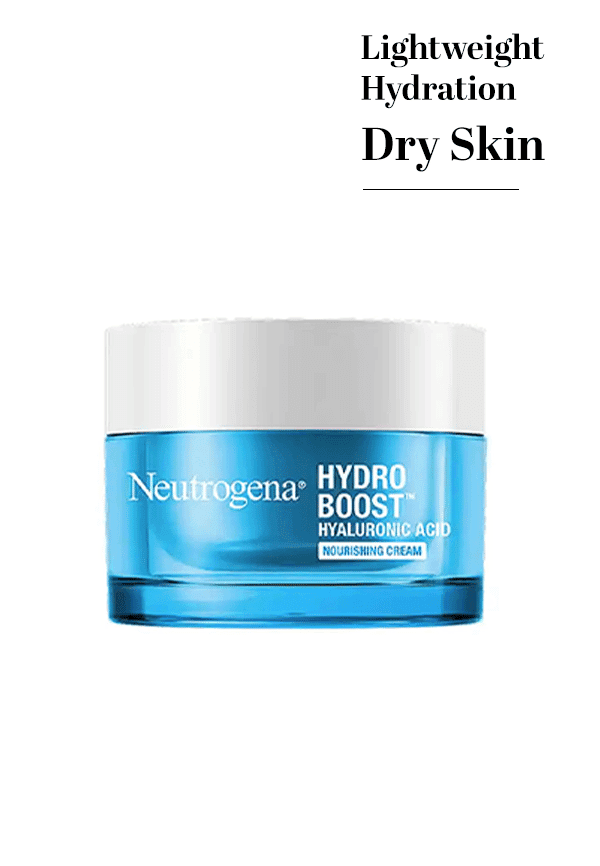
Hydro Boost Hyaluronic Acid Nourishing Cream
You'll typically notice improved comfort and reduced tightness within 24-48 hours. Visible healing improvements usually appear within 3-7 days, depending on the treatment intensity. Complete skin recovery can take 2-6 weeks, but hyaluronic acid can reduce this timeline by maintaining optimal hydration throughout the process.
Absolutely! Hyaluronic acid plays well with most healing ingredients. Layer it under heavier creams containing ceramides or peptides, or mix it with niacinamide for added anti-inflammatory benefits. Just avoid combining it with active ingredients like retinoids or acids until your skin has fully healed.
Yes, over-application can actually draw moisture from your skin if the environment is too dry. Stick to 2-3 drops of serum twice daily, always apply to damp skin, and follow with an occlusive moisturiser to lock everything in. More isn't always better when it comes to skin recovery.
Different treatments require different approaches to hyaluronic acid application. Understanding your specific procedure's healing timeline helps you maximise the benefits whilst avoiding potential setbacks.
Light peels: Start hyaluronic acid within 24 hours. Medium peels: Wait 48-72 hours until peeling begins. Deep peels: Follow your practitioner's guidance, usually 5-7 days post-treatment.
Fractional lasers: Begin gentle application after 24-48 hours. Ablative lasers: Wait until re-epithelialisation begins, typically 3-5 days. Always prioritise your practitioner's specific aftercare instructions.
Professional microneedling: Start within 6-12 hours post-treatment. At-home derma rolling: Immediate application is usually fine. The key is using a gentle, sterile formulation to avoid introducing bacteria to the micro-wounds.
Remember, these are general guidelines. Your skin's individual response and your practitioner's specific protocols should always take priority over general advice.
Hyaluronic acid for post-treatment skin healing isn't just skincare hype—it's science-backed support for your skin's natural recovery process. From maintaining crucial hydration levels to creating the perfect environment for cellular regeneration, this ingredient truly earns its place in your healing routine. The key is choosing the right formulation, timing your application correctly, and being patient with the process.
If you're curious about trying different hyaluronic acid serums without committing to full-size products, platforms like Smytten make it easy to discover what works best for your skin. With curated trial packs from trusted brands, you can explore various formulations and find your perfect healing companion. After all, when your skin's in recovery mode, why settle for guesswork when you can try it all and find what truly works for your unique healing journey?
