Hyaluronic Acid for Compromised Skin Barrier Recovery: Your Questions Answered

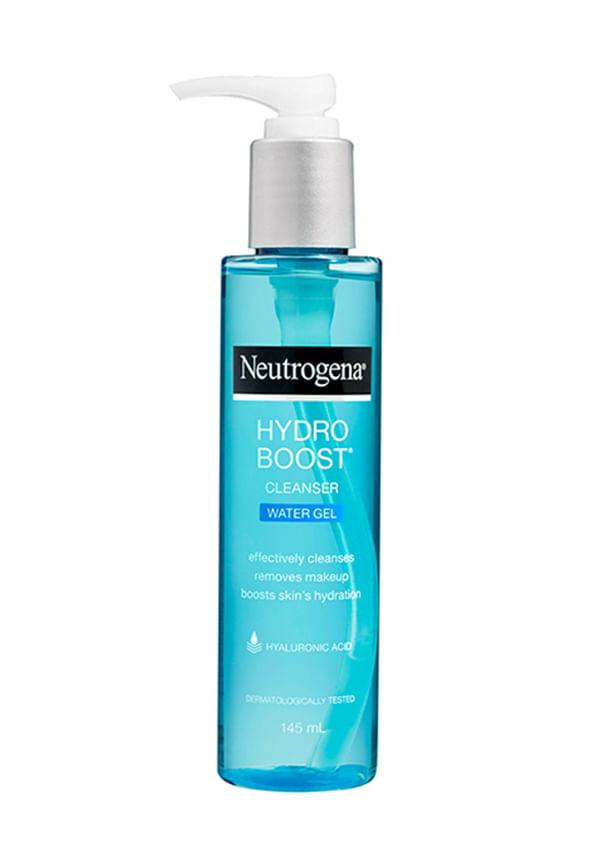
Hydro Boost Cleanser Water Gel With Hyaluronic Acid
Good for all skin types
 5
5“This is very good for all skin types”
Cleanser for Freshness
5“Hydrating cleanser makes my face feel fresh”
Positive product impression
5“nice product i ever seen ,hope my skin glows”
When your skin feels tight, irritated, and nothing seems to work anymore, you might be dealing with a compromised skin barrier. It's that frustrating moment when even your gentlest moisturiser stings, and you're left wondering what went wrong. The good news? Hyaluronic acid for compromised skin barrier recovery might just be the gentle hero your skin needs. But here's the thing—using it wrong can actually make things worse. Let's dive into everything you need to know about safely restoring your skin's protective shield.
Your skin barrier is basically your body's first line of defence—a protective layer that keeps moisture in and irritants out. When this barrier gets compromised, your skin barrier function goes haywire, leading to a cascade of issues that can leave you feeling frustrated and confused.
The signs are pretty unmistakable once you know what to watch for:
Persistent dryness that doesn't improve with regular moisturisers
Increased sensitivity to products you've used for ages
Redness and irritation that seems to come out of nowhere
More frequent breakouts or skin reactions
That tight, uncomfortable feeling even after moisturising
Flaky or rough patches that won't budge
Real talk—most of us accidentally damage our barriers without realising it. Over-exfoliation is probably the biggest offender, especially when you're trying to achieve that glass skin look. Environmental factors like harsh weather, pollution, and even central heating can wreak havoc too. Sometimes it's genetics or underlying conditions like eczema that make your barrier more vulnerable.
This is where things get interesting. There's a bit of controversy around using hyaluronic acid on damaged skin, and honestly, both sides have valid points. The key is understanding when it helps versus when it might make things worse.
When used correctly, hyaluronic acid can be incredibly gentle and supportive for compromised skin treatment. It's naturally found in your skin, so it's not exactly a foreign substance. The molecule can hold up to 1,000 times its weight in water, making it brilliant for skin hydration without being heavy or occlusive.
Here's where it gets tricky—in very dry environments or when your barrier is severely damaged, hyaluronic acid can actually pull moisture from deeper skin layers if there's not enough humidity around. This is why some people find their skin feels even drier after using a hyaluronic acid serum.
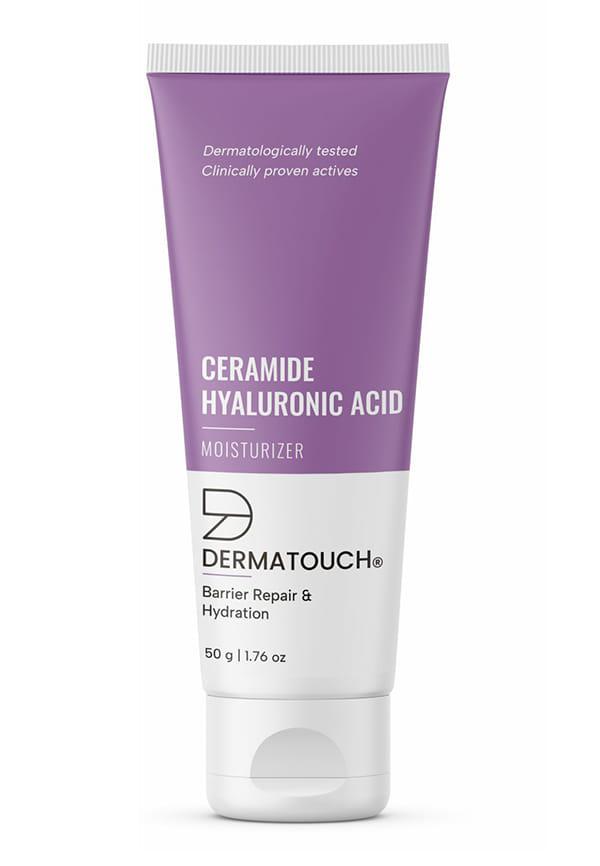
Ceramide Hyaluronic Acid Moisturizer for intense moisturization and barrier repair
Not all hyaluronic acid is created equal. Lower molecular weight versions penetrate deeper but can sometimes be more irritating to sensitive skin. Higher molecular weight forms sit on the surface and provide immediate hydration—often better for compromised barriers.
Let's get into the nitty-gritty of how hyaluronic acid actually supports barrier recovery. It's not just about adding moisture—it's about creating the right environment for your skin to heal itself.
Hyaluronic acid helps maintain optimal hydration levels, which is crucial for skin barrier function. When your skin is properly hydrated, cell turnover happens more efficiently, and your natural repair mechanisms can work their magic. It also has anti-inflammatory properties that can calm irritated skin.
The real magic happens when hyaluronic acid teams up with other barrier-supporting ingredients. Think ceramides for skin restoration, niacinamide for reducing inflammation, and peptides for rebuilding. It's like having a dream team working to get your skin back on track.
Choosing the right hyaluronic acid serum for compromised skin isn't just about grabbing the first one you see. You need to be strategic about formulation, application, and timing.
For sensitive skin care, opt for serums with multiple molecular weights of hyaluronic acid—this gives you both immediate surface hydration and deeper penetration. Look for formulations that include soothing ingredients like allantoin or panthenol.
Apply hyaluronic acid to slightly damp skin—this gives it moisture to grab onto. Follow immediately with a moisturiser to seal everything in. Never let hyaluronic acid dry down on its own, especially if you're dealing with barrier damage.
Start with your hyaluronic acid serum on clean, damp skin. Follow with any treatment serums, then a moisturiser containing ceramides for skin barrier support. Finish with an occlusive if your skin is very dry or damaged.
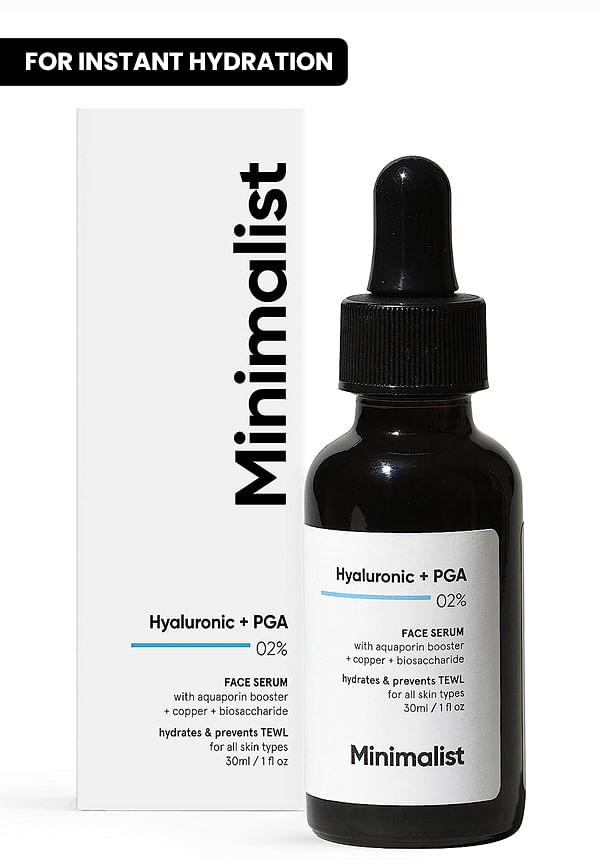
2% Hyaluronic Acid Face Serum for Intense Hydration & Glowing Skin
Magic Serum
5“that syrum is a magic.... I really live it”
Magic Serum
5“that syrum is a magic.... I really live it”
Good Product and Offer
5“good product ,I didn't expect this offer from”
While hyaluronic acid is fantastic, it's not a one-ingredient solution. A proper barrier repair routine needs multiple players working together to get your skin back to its happy place.
Ceramides are absolute must-haves—they're like the building blocks of your barrier. Niacinamide helps reduce inflammation and supports barrier function. Peptides can help rebuild damaged structures. For eczema relief specifically, look for ingredients like colloidal oatmeal or allantoin.
Ditch anything foaming or stripping. Oil cleansers or gentle cream cleansers are your friends right now. The goal is to clean without further compromising your already fragile barrier.
This might be the most important part—sealing everything in with an occlusive layer. Think petroleum jelly, shea butter, or squalane. It might feel heavy, but your barrier needs this protection while it heals.
Let's be honest—when your skin is acting up, it's tempting to try everything at once or go back to harsh treatments thinking you need to "fix" it faster. But these mistakes can set your recovery back weeks.
More isn't always better with hyaluronic acid. Using too much can actually lead to moisture loss, especially in dry environments. A few drops of serum is usually plenty.
Avoid anything with alcohol, strong fragrances, or essential oils while your barrier is compromised. Even "natural" doesn't always mean gentle for damaged skin.
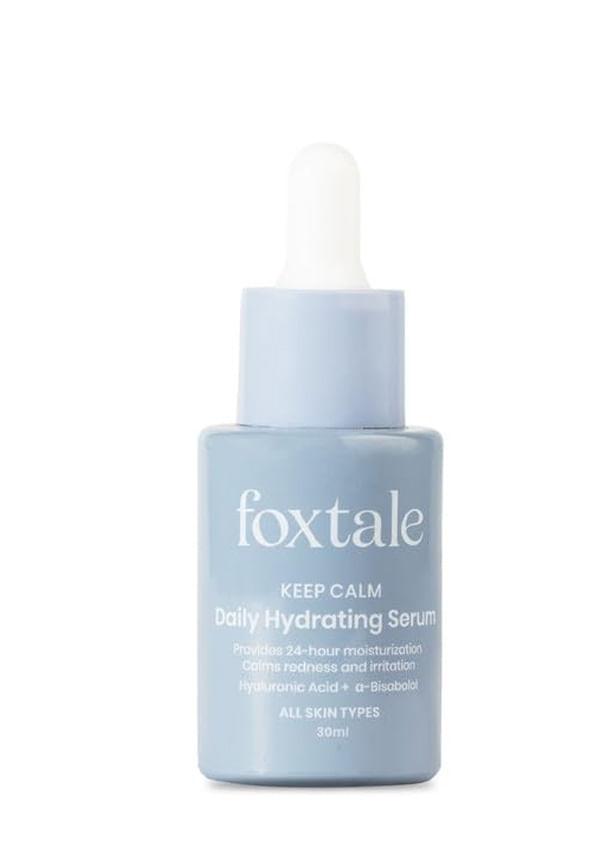
Hydrating Serum with Hyaluronic Acid and Bisabolol
Great Foxtale Product for All Skin
5“i love foxtale brand this product is best for all types of skin”
Best Serum Ever Used
5“best serum I have ever used ❤️”
Best Serum Ever Used
5“best serum I have ever used ❤️”
This is probably the hardest one—putting away your acids and retinoids while your skin heals. But continuing to exfoliate damaged skin is like picking at a scab. It just won't heal properly.
Focus on gentle, soap-free cleansing and consistent moisturising with barrier-supporting ingredients like ceramides and hyaluronic acid. Protect your skin from sun damage and avoid over-cleansing. The key is patience—natural healing takes time, but it's often the most sustainable approach.
Steer clear of harsh exfoliants like AHA, BHA, and retinoids until your barrier heals. Alcohol-based products, fragranced skincare items, and aggressive physical scrubs are also off-limits. Even some "gentle" ingredients like essential oils can be too much for compromised skin.
Typically, you'll see improvement in 2-6 weeks with consistent care. Factors like the severity of damage, your age, overall health, and how well you stick to a gentle routine all influence healing speed. Look for reduced sensitivity and improved moisture retention as early signs of recovery.
Yes, in specific scenarios. If you're in a very dry environment and don't seal the hyaluronic acid with a moisturiser, it can pull moisture from your skin instead of adding it. Also, some people are sensitive to certain molecular weights or preservatives in hyaluronic acid products.
Dehydrated skin lacks water but has an intact barrier—it usually responds quickly to hydrating products. A compromised barrier has structural damage that affects both water retention and protection from irritants. Compromised barriers need gentle, barrier-repairing ingredients and take longer to heal.
Generally yes, but choose fragrance-free formulations and always patch test first. Hyaluronic acid can provide gentle hydration that supports eczema relief, but it works best when combined with other barrier-repairing ingredients like ceramides and used consistently as part of a gentle routine.
Dealing with a compromised skin barrier can feel overwhelming, but hyaluronic acid for compromised skin barrier recovery can be a gentle, effective part of your healing journey. The key is using it correctly—on damp skin, sealed with a moisturiser, and as part of a comprehensive barrier repair routine. Remember, healing takes time, and being gentle with your skin is more important than quick fixes.
If you're looking to try different hyaluronic acid serums without committing to full-size products, Smytten offers curated trial packs from trusted skincare brands. With over 1,500 brands available, you can explore various formulations to find what works best for your compromised barrier. The platform's trial approach means you can test products safely before investing in full sizes—perfect when your skin is being particularly fussy. After all, why settle for maybe when you can try it all and find what actually works for your unique skin needs?
